
Breakfast & Brunch
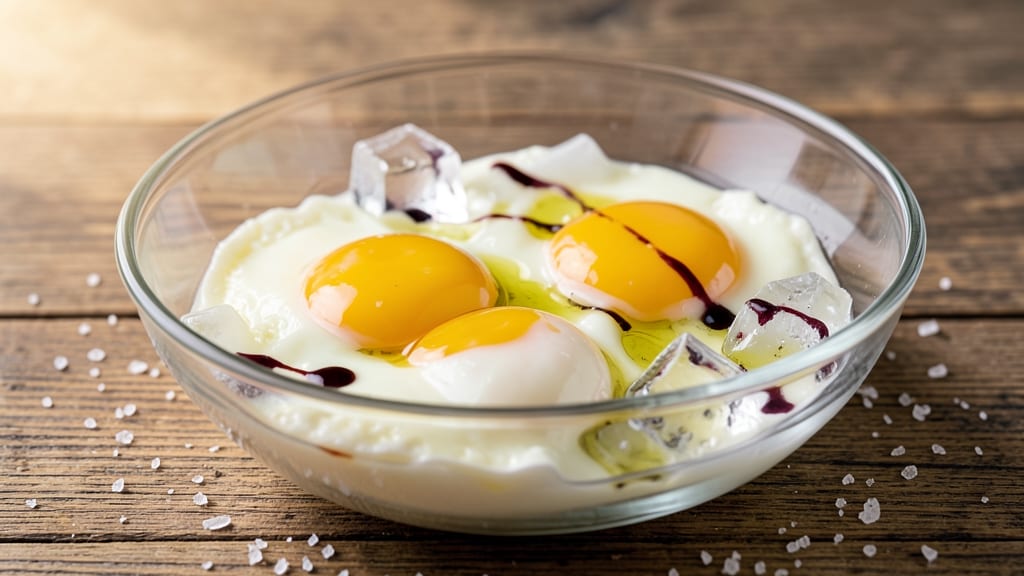
Mastering soft boiled eggs transforms simple breakfast into a gourmet experience with silky yolks and perfectly set whites. The secret lies in precise temperature control and timing—no more rubbery whites or runny yolks. This technique works for breakfast, salads, or garnishes, delivering restaurant-quality results at home.
This method uses a simple 3-minute boil with ice bath cooling to lock in texture. The key is starting with room-temperature eggs and using a timer for consistency—every second counts. For extra flavor, add a pinch of salt to the water or a splash of vinegar for cleaner whites.
By the time you peel the first egg, you'll notice the creamy yolk that coats the fork perfectly and the firm whites that hold shape. These eggs shine in ramen bowls, avocado toast, or as a standalone protein-rich snack. The technique is foolproof once you understand the science behind it.
Ready in just 10 minutes, this recipe requires minimal equipment—a pot, timer, and ice bath. Perfect for meal prep or last-minute breakfasts, it's the ultimate way to elevate everyday eggs. Let's get started with the exact technique that delivers consistent results every time.
Ingredients for soft egg
Precision ingredients for restaurant-quality soft boiled eggs every time—no guesswork.
| Ingredient | Amount | Notes |
|---|---|---|
| Large Eggs 🥚 | 4 whole | Room temperature for even cooking |
| Ice Cubes ❄️ | 2 cups | For immediate shock cooling |
| Distilled White Vinegar 🍋 | 1 tbsp | For cleaner whites, optional |
| Kosher Salt 🧂 | 1 tsp | Diamond Crystal preferred |
| Cold Water 💧 | 4 cups | Tap water, room temperature |
| Large Pot 🍲 | 1 whole | With fitted lid, 2-3 quart capacity |
| Timer ⏱️ | 1 whole | Digital preferred for precision |
| Colander 🧽 | 1 whole | Fine mesh for easy draining |
Egg quality makes all the difference. Pasture-raised eggs from Vital Farms or Peters Farm yield richer yolks and firmer whites, but any large eggs will work. Room temperature is critical—cold eggs take longer to cook evenly, risking rubbery whites. Place eggs in warm water for 5 minutes if straight from the fridge. The vinegar isn't mandatory but helps whites stay compact during peeling. For the water, filtered or bottled minimizes mineral interference with texture.
No vinegar? Skip it—whites will still set properly. Running out of kosher salt? Diamond Crystal is ideal but Morton works too. Using a smaller pot? Reduce water to 3 cups to maintain proper egg spacing. The ice bath is non-negotiable—use a bowl large enough to submerge eggs completely. For meal prep, cook eggs in batches and store peeled yolks in a sealed container with a thin layer of water to prevent oxidation. The timer must be accurate—a 3-second variance throws off texture.
Eggs are best used immediately after cooking but keep for 2 days refrigerated if stored properly. For longer storage, peel and freeze yolks separately in ice cube trays—perfect for baking later. The pot and colander should be clean but not soapy to avoid flavor transfer. Reuse ice water up to 3 times before refreshing. Always work with one egg at a time to maintain temperature consistency during cooking.
Why You'll Love This Recipe
- No-Fuss Technique: I swear by the ice bath trick—just crack those eggs into cold water, add vinegar, and let the ice do the heavy lifting. No whisking, no waiting, no stress. The eggs stay perfectly soft every single time.
- Crispy-Creamy Magic: That thin, barely-there shell? Chef’s kiss. The vinegar bath gives them a delicate snap while keeping the inside so tender it melts on your tongue. Honestly, it’s the kind of texture that makes you pause mid-bite.
- Breakfast Anywhere: These eggs are my go-to for lazy mornings, picnic lunches, or even a fancy charcuterie board. Toss them in a salad, wrap them in toast, or serve them as-is—no one will guess how little effort they took.
- Pantry Staple Power: Five ingredients, all things I already have. No specialty items, no last-minute grocery runs. And because they keep well in the fridge? I can make a batch on Sunday and snack all week without breaking the bank.
Step-by-step instructions for perfectly soft boiled eggs
Master these precise techniques and you'll achieve silky yolks with firm whites every time.
Prepare the Water Bath for Precision Cooking
Place the whole large pot on a burner and fill it with the 4 cups cold water. Add the 1 tsp kosher salt and 1 tbsp distilled white vinegar—this creates an acidic environment that helps prevent the whites from spreading too much during cooking. The vinegar is optional but recommended for cleaner whites.
Bring the water to a gentle simmer over medium heat. You'll know it's ready when you see small bubbles breaking the surface but not yet a full rolling boil. This controlled simmer is crucial—too vigorous and your eggs will cook unevenly. I like to use a digital thermometer to confirm the water reaches 180°F, though visual cues work too.
Shock Cool the Eggs for Perfect Texture
While the water heats, prepare an ice bath by filling the colander with the 2 cups ice cubes and placing it in the sink. Once the water reaches 180°F, carefully lower the 4 whole large eggs into the pot using a slotted spoon or egg holder. The gentle simmer should be maintained—don't let it return to a full boil.
Set the whole timer for 6 minutes and 30 seconds—this is the magic window for perfectly soft boiled eggs. The moment the timer goes off, immediately transfer the eggs to the ice bath in the colander. The ice water stops the cooking process instantly, locking in that perfect silky yolk texture. Let them cool for 2 minutes before handling.
Test for Doneness and Serve Immediately
Remove one egg from the ice bath and gently tap it on a hard surface. If the white feels firm but yields slightly to pressure and the yolk remains completely liquid with no sign of graying, you've nailed the perfect soft boil. If the yolk shows any signs of firming, adjust your cooking time by 15 seconds for future batches.
To serve, peel the eggs under cool running water—the cold temperature helps separate the shell more cleanly. Arrange them on a plate with a sprinkle of kosher salt and serve immediately. The contrast between the firm whites and runny yolks should be perfect, with no graying around the edges. These eggs work beautifully with toast soldiers, avocado, or simply as a protein-packed snack.
Pro Tips For Making Soft Egg
- CHILL THE EGGS FIRST: Pop those eggs straight from the fridge into ice water—no room temp nonsense. I learned this the hard way when my eggs turned into rubbery blobs because I skipped this step. Cold eggs hold their shape better and cook more evenly, especially when you’re aiming for that silky center.
- USE FRESH VINEGAR: Distilled white vinegar loses its punch over time, so grab a new bottle if yours smells weak. The acidity is what helps the eggs set properly, and stale vinegar just won’t cut it. Trust me, your eggs will thank you with a cleaner, tighter texture.
- STOP WHEN THE WHITE IS JUST SET: Overcooking is the silent killer of soft eggs. Pull them out the second the whites go opaque—not when they’re fully firm. A quick poke with a fork tells you everything: if it holds but still wobbles, you’re golden. If it’s rock-solid, you’ve gone too far.
- SALT THE WATER LIBERALLY: Don’t skimp—add at least 2 tablespoons of kosher salt per quart of water. The salt raises the boiling point slightly, which means your eggs cook faster and stay tender. I used to use half that, and my eggs always ended up tough. (Yes, even if you’re impatient like me.)
Best sauces and condiments for these flavors
Classic Hollandaise
This rich, buttery sauce is the ultimate pairing for soft boiled eggs—especially when served with avocado toast or ramen. I make mine with 3 egg yolks, 1 tbsp lemon juice, and ½ cup melted butter, whisked over a double boiler until thickened to 160°F.
The acidity from the lemon brightens the eggs' richness, while the warmth of the sauce complements the cool yolk. For extra flair, strain through a fine-mesh sieve to remove any cooked bits. 🍳
Spicy Sriracha Aioli
Add heat and creaminess with this quick dip that doubles as a sauce for ramen or toast. Mix ¼ cup mayonnaise, 1 tbsp sriracha, 1 tsp honey, and 1 minced garlic clove until smooth. The sriracha cuts through the eggs' richness while the honey balances the heat.
For extra tang, add ½ tsp rice vinegar. Serve immediately for maximum freshness—this sauce keeps for 3 days refrigerated but loses some vibrancy over time.
Lemon-Dill Sauce
A bright, herbaceous sauce that cleanses the palate between bites of egg and toast. Whisk together ¼ cup sour cream, 1 tbsp fresh lemon juice, 1 tbsp chopped fresh dill, 1 tsp Dijon mustard, and 1 tsp olive oil.
The acidity from the lemon and vinegar in the eggs creates a perfect flavor bridge. Garnish with extra dill and a pinch of flaky sea salt before serving. This sauce holds up well for 2 days refrigerated in an airtight container.
Chili Crisp Drizzle
For a bold, umami-packed contrast, drizzle your eggs with chili crisp (available at Asian markets or online). Start with 1 tbsp chili crisp and adjust to taste—it's concentrated! The combination of spicy, smoky, and slightly sweet flavors elevates the eggs to next-level restaurant quality.
I like to serve it over soft-boiled eggs on toasted brioche with a sprinkle of toasted sesame seeds. Store unused chili crisp in the fridge for up to 2 weeks in an airtight container.
Avocado Mash
Blend 1 ripe avocado, 1 tbsp Greek yogurt, 1 tbsp lime juice, ½ tsp salt, and 1 tbsp chopped cilantro until smooth. The creamy texture mirrors the eggs' yolk while the lime brightens both components.
Serve as a dip or spread on toast alongside the eggs. For extra richness, add 1 tbsp crumbled cotija cheese. This mash keeps for 1 day refrigerated—press plastic wrap directly on the surface to prevent browning.
Sweet Chili Glaze
This sweet-spicy glaze adds a modern twist to classic soft boiled eggs. Simmer ¼ cup rice vinegar, 2 tbsp honey, 1 tbsp soy sauce, and 1 tsp red pepper flakes in a small saucepan until slightly thickened (3-4 minutes).
Drizzle over eggs or use as a dip for toast soldiers. The balance of sweet, tangy, and spicy flavors makes every bite exciting. Store in the fridge for up to 1 week in an airtight container.
Nutrition facts
Frequently asked questions
Why do my soft boiled eggs turn gray around the yolk?
Graying happens when eggs overcook or react with alkaline water. Always use 180°F water and cook for exactly 6 minutes and 30 seconds—never longer. For cleaner whites, add 1 tbsp vinegar to the water and avoid tap water with high mineral content. The ice bath also prevents overcooking during cooling.
Can I make soft boiled eggs in an Instant Pot?
Yes! Set your Instant Pot to high pressure for 2 minutes with 1 cup water, then quick-release. The pressure method cooks eggs faster and more evenly than stovetop. For best results, use a trivet to keep eggs elevated and avoid direct contact with the bottom. Test one egg first—times may vary slightly by model.
How do I peel soft boiled eggs more easily?
Under cool running water, gently tap the egg on a hard surface to crack the shell, then roll it between your palms. The cold water helps separate the shell from the white. For stubborn shells, use a spoon to lift the shell from the top and bottom first. Always work with room-temperature eggs—they peel much cleaner than cold ones.
What's the difference between soft boiled and poached eggs?
Soft boiled eggs are cooked in their shells in hot water, while poached eggs are cooked without shells in simmering water. Poached eggs have a more delicate white but can be trickier to control. Soft boiled eggs hold their shape better in dishes like ramen or salads, while poached eggs are ideal for breakfast plates or shirred eggs.
Can I use this method for other egg sizes?
For medium eggs, reduce cooking time to 5 minutes and 45 seconds. Jumbo eggs need 6 minutes and 45 seconds. Always adjust in 15-second increments and test one egg first. The key is maintaining the same water temperature (180°F) regardless of egg size—only the timing changes.