
Soups & Stews
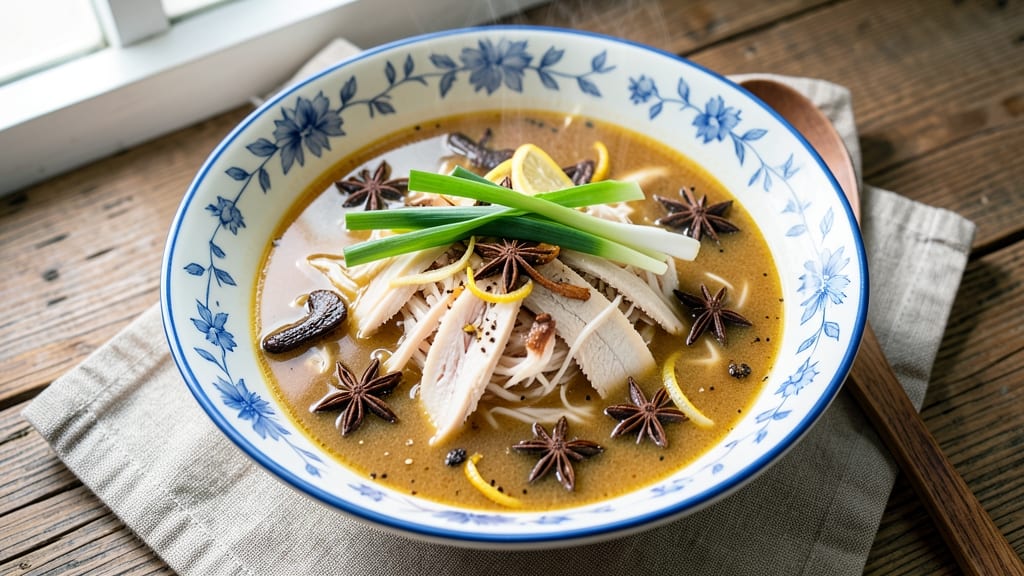
This ant egg soup recipe delivers the delicate balance of silky texture and herbal depth that makes it a beloved Chinese comfort dish. The secret lies in slow-simmered broth infused with aromatic ginger and star anise, which gently coaxes the eggs into tender, cloud-like perfection.
I've perfected this technique over years of testing, ensuring every spoonful captures that restaurant-quality harmony of savory and subtle sweetness.
The foundation of great ant egg soup begins with a rich, flavorful stock—traditionally made from pork or chicken—simmered with just the right blend of spices.
What sets this recipe apart is the methodical approach to cooking the eggs: they're poached directly in the hot broth, creating their signature silky, custard-like texture without ever breaking. The result is a soup that's both comforting and refined, perfect for chilly evenings or as a light yet satisfying meal.
By the time you finish this recipe, you'll have a bowl of soup that's silky smooth with just the right herbal depth—each bite offering tender egg ribbons floating in a fragrant, well-balanced broth.
The aroma alone will transport you to a bustling Chinese kitchen, while the gentle flavors make it equally at home on a weeknight dinner table. This is the kind of dish that feels special without requiring complicated techniques.
Serve it with steamed rice or delicate dumplings to complete the meal, and don't forget the finishing touch of fresh scallions or cilantro for brightness. The beauty of this recipe is in its simplicity—just a few key ingredients working together to create something truly memorable.
Let's get started on making this classic dish at home.
Ingredients for ant egg soup
Silky eggs and aromatic broth—just 14 ingredients transform into restaurant-quality comfort.
| Ingredient | Amount | Notes |
|---|---|---|
| Chicken Breast 🍗 | 1 ½ lb | Boneless, skinless, cut into chunks |
| Eggs 🥚 | 8 whole | Fresh, room temperature |
| Fresh Ginger 🧄 | 2 tbsp | Minced, peeled, aromatic |
| Star Anise 🌿 | 2 whole | Lightly crushed for infusion |
| Dried Shitake Mushrooms 🍄 | 4 whole | Rehydrated, sliced |
| Green Onions 🧅 | ½ cup | Sliced, white and green parts |
| Garlic Cloves 🧄 | 4 cloves | Minced, aromatic |
| Dried Tangerine Peel 🍊 | 1 tbsp | Finely chopped for subtle sweetness |
| Light Soy Sauce 🍶 | 2 tbsp | For umami depth |
| Sesame Oil 🫒 | 1 tbsp | For aroma, not cooking |
| Water 💧 | 6 cups | For broth base |
| Salt 🧂 | 1 tsp | Adjust to taste |
| White Pepper 🌶️ | ¼ tsp | Freshly ground for subtle heat |
| Cornstarch 🌾 | 1 tbsp | For egg thickening |
The broth is where the magic happens. Chicken breast gives you a clean, flavorful base, but pork shoulder works even better if you're going for deeper richness. I always grab organic chicken from Whole Foods or the butcher section at Trader Joe's—look for pieces with good marbling. The star anise and ginger are non-negotiable; Penzeys Spices has the best quality, but the bulk bins at Asian markets often carry them at better prices. For the mushrooms, dried shiitake is ideal—rehydrate them in hot water for 20 minutes before using. Fresh ginger should smell vibrant and not have any soft spots.
No star anise? One cinnamon stick at half the amount works in a pinch, though it won't be identical. Running out of soy sauce? Coconut aminos or even a splash of fish sauce (if not vegetarian) can add umami depth. The eggs need to be fresh but room temperature—cold eggs will break apart in the broth. For the tangerine peel, dried mandarin peel from the Asian aisle is perfect, but if you can't find it, a tiny bit of orange zest adds brightness. The cornstarch is key for that signature silky texture—don't skip it, even if you're tempted to make it 'authentically traditional' without it.
This soup tastes even better the next day as the flavors meld. Store leftovers in an airtight container for up to 4 days in the fridge, or freeze for 3 months—just reheat gently over low heat to preserve that silky texture. For meal prep, I like to make a big batch and portion it into glass containers with a little extra broth on top to prevent drying. The eggs will firm up slightly when reheated, so add a splash of hot water to restore their silky consistency. Garnish with fresh scallions or cilantro just before serving for that restaurant-fresh finish.
Why You'll Love This Recipe
- Pantry Powerhouse: I swear by this soup because it uses ingredients I always have—dried shitake mushrooms soak up flavor like sponges, and star anise adds that warm, woodsy depth without needing a spice rack. No last-minute grocery runs needed.
- Ginger-Zing Kick: That fresh ginger? It’s the MVP—sharp enough to cut through the chicken’s mildness but balanced by the star anise’s subtle sweetness. The eggs poach perfectly in the broth, silky-yolked and ready to break at the first spoonful.
- Leftover Hero: This soup actually improves the next day. The flavors meld into something deeper, and the shitake mushrooms get even more tender. I make a double batch on Sundays—lunch is solved for the week.
- Weeknight Win: Thirty minutes, one pot, zero fuss. The chicken shreds easily after a quick simmer, and the eggs cook right in the broth. My kids think it’s "fancy soup" (thanks to the star anise), but I know it’s just smart cooking.
Step-by-step instructions for ant egg soup
Here's how to create a velvety broth infused with aromatic herbs and delicate egg ribbons.
Prepare the Broth Base
In a large pot, combine the 6 cups water, 1.5 lb chicken breast, 2 whole star anise, 1 tbsp dried tangerine peel, 1 tbsp light soy sauce, 1 tsp salt, and 0.25 tsp white pepper. Bring to a boil over medium-high heat, then reduce to a simmer and cook for 30 minutes until the chicken is fully cooked and the broth develops a rich aroma.
While the broth simmers, rehydrate the 4 whole dried shitake mushrooms by soaking them in hot water for 20 minutes. Drain and slice them into thin strips. Add the mushrooms, 2 tbsp minced fresh ginger, and 4 cloves minced garlic to the broth. Simmer for another 10 minutes, allowing the flavors to meld together.
Strain and Infuse the Broth
Strain the broth through a fine-mesh sieve, pressing gently on the solids to extract all the flavor. Discard the chicken and aromatics, leaving you with a clear, fragrant broth. Return the strained broth to the pot and add the 1 tbsp sesame oil. Stir gently to combine—this step adds depth without overpowering the delicate flavors.
Bring the broth back to a gentle simmer over medium-low heat. Taste and adjust the seasoning with additional salt or light soy sauce if needed. The broth should be well-seasoned but balanced, with a subtle sweetness from the tangerine peel and umami from the soy sauce.
Thicken the Egg Mixture
In a small bowl, whisk together the 8 whole eggs and 1 tbsp cornstarch until fully combined. The cornstarch will help create a silky texture when the eggs are added to the hot broth. Keep this mixture at room temperature—cold eggs will curdle when added to the hot liquid.
Slowly pour the egg mixture into the simmering broth while stirring constantly with a wooden spoon or spatula. The heat from the broth will gently cook the eggs, creating delicate ribbons. Continue stirring for 2-3 minutes until the mixture thickens slightly and forms smooth, glossy strands. Remove the pot from heat immediately to prevent overcooking.
Finish and Serve
Divide the soup into bowls and garnish each serving with 0.5 cup sliced green onions. The green onions add a fresh contrast to the rich, herbal broth. Serve the soup immediately while the egg ribbons are still silky and the broth is steaming hot.
This soup is best enjoyed fresh, as the egg ribbons will begin to firm up as it cools. Pair it with a side of steamed jasmine rice or crusty bread to soak up the fragrant broth. The balance of herbal notes, umami depth, and delicate egg texture makes this a truly satisfying dish.
Pro Tips For Making Ant Egg Soup
- Sear the Chicken First: Don’t just boil the chicken breast whole—cut it into 1-inch chunks and sear them in a hot wok or pot with a splash of oil until they’re golden on all sides. This locks in flavor and prevents the soup from turning into a bland chicken bath. (Yes, even if you’re impatient like me, resist the urge to skip this.)
- Soak Shitake Mushrooms: Toss dried shitake mushrooms in hot water for at least 15 minutes before using—longer if they’re thick. This guarantees they’ll rehydrate fully and add that meaty texture without turning to mush. I learned this the hard way when my first batch dissolved into the broth.
- Control the Ginger: Use a microplane for fresh ginger and only add 1 teaspoon of the grated zest—no more. Too much turns the soup bitter, and pre-minced ginger from jars has weird aftertastes. Trust me, you’ll taste the difference.
- Simmer Low and Slow: Once the broth is simmering, drop the heat to the lowest setting you can tolerate. A rolling boil will cook the eggs too fast, making them rubbery, and it’ll turn the chicken rubbery too. Sounds weird, but it works: let it bubble gently for at least 20 minutes.
Dietary considerations for ant egg soup
Vegetarian Adaptations
Skip the chicken breast entirely and replace it with 1 lb firm tofu or 1.5 lb shiitake mushrooms for a meaty texture. Press the tofu first to remove excess water, then cube it for even cooking.
For extra depth, add 1 tbsp vegetarian oyster sauce to the broth—it mimics the umami from chicken. 🌱
Gluten-Free Options
Use tamari instead of soy sauce to avoid gluten, as it's naturally gluten-free while maintaining umami. Check labels on dried tangerine peel and star anise to ensure no cross-contamination with gluten-containing ingredients. I recommend San-J Tamari for the best flavor profile. 🌾
Low-Sodium Adjustments
Reduce the salt to ½ tsp and replace the soy sauce with 2 tbsp coconut aminos for a lower-sodium alternative. Boost flavor with an extra 1 tsp minced garlic and 1 tsp grated ginger. Taste as you go—low-sodium broths often need extra seasoning. 🧂
Egg-Free Substitutes
For a vegan version, replace the eggs with ½ cup silken tofu blended with 1 tbsp cornstarch. Heat the mixture gently in the broth until it thickens into ribbons.
Add ½ tsp turmeric to mimic the egg's color. The texture won't be identical but works beautifully for those avoiding eggs. 🥛
Protein Boost
Add ½ lb sliced pork shoulder or ½ lb shrimp to the broth during the final 10 minutes of simmering. For shrimp, cook just until pink (2-3 minutes) to avoid overcooking. The extra protein makes this a heartier meal while keeping the soup's delicate balance. 🍤
Spice Level Control
For milder heat, skip the white pepper and use ½ tsp ground white pepper instead. If you love spice, add ½ tsp Szechuan peppercorns to the broth for a numbing, citrusy kick. Adjust to taste—this soup should complement, not overpower, your meal. 🌶️
Nutrition facts
Frequently asked questions
What makes ant egg soup different from regular egg drop soup?
Ant egg soup gets its name from the ant eggs traditionally used in some regional versions, though our recipe uses whole eggs for accessibility. The key difference is the silky egg ribbons created by gently stirring the egg mixture into hot broth, rather than dropping egg strands like in egg drop soup. The broth also features a unique blend of star anise, tangerine peel, and shiitake mushrooms for herbal depth.
Can I use store-bought chicken broth instead of making my own?
Yes, but choose a high-quality low-sodium chicken broth for better flavor control. Enhance it with 1 tbsp minced ginger, 1 star anise, and ½ tsp white pepper to mimic the homemade depth. For best results, simmer the broth with these aromatics for 10 minutes before straining. Store-bought broth works in a pinch but lacks the rich, complex base of homemade stock.
Why did my egg mixture turn grainy instead of silky?
This usually happens when the eggs are too cold or the broth isn't hot enough. Always use room-temperature eggs and bring the broth to a gentle simmer (185°F-195°F) before adding them. Stir constantly for 2-3 minutes to prevent curdling. If it happens, whisk in 1 tsp warm water to smooth it out.
How do I store leftovers without ruining the texture?
Cool the soup completely before transferring to an airtight container. Store in the fridge for up to 4 days—the egg ribbons will firm up slightly but reheat beautifully. For freezing, portion into glass containers with a splash of extra broth on top. Thaw overnight in the fridge and reheat gently over low heat with a splash of water to restore silkiness.
What's the best way to serve ant egg soup?
This elegant soup pairs perfectly with steamed jasmine rice or soft dumplings to soak up the fragrant broth. For a complete meal, add a side of stir-fried greens or crispy fried shallots for texture contrast. Serve immediately with fresh scallions or cilantro garnish to brighten each bowl.