
Main Courses
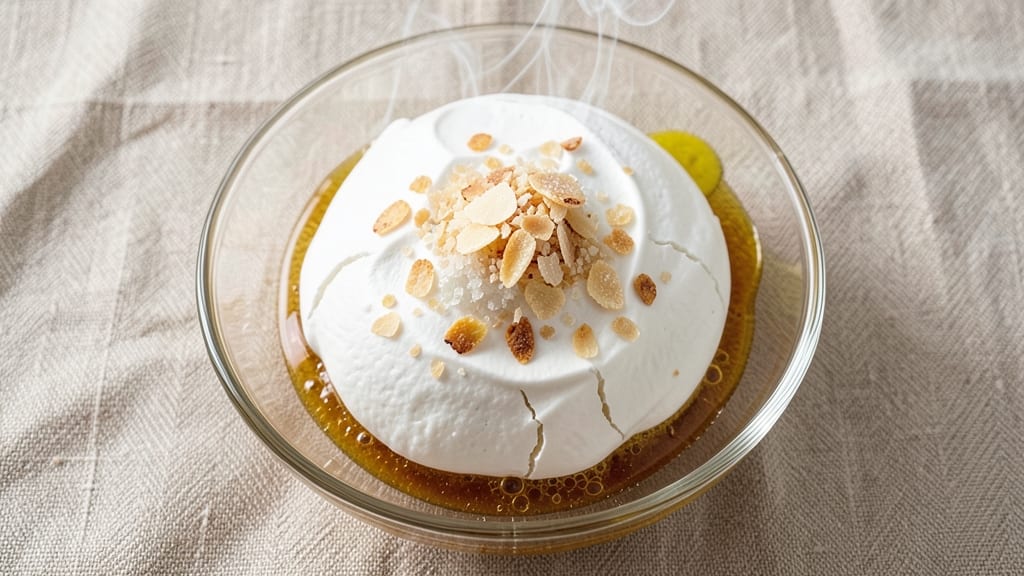
This 2-egg meringue recipe transforms simple ingredients into ethereal clouds with crisp shells—no weeping, no cracking, just perfect, glossy meringues every time. The secret lies in precise technique: egg whites at room temperature, gradual sugar incorporation, and a hot oven that sets them just right.
I've perfected this method after years of trial (and a few failed batches), and it's the foundation for everything from pies to pavlovas.
What sets this recipe apart is its foolproof stability—no gelatin or corn syrup needed. The key steps are thorough whisking until stiff peaks form and baking at high heat for just 2-3 minutes to create that signature crisp shell.
This method works for both French and Swiss meringues, giving you flexibility for different uses. Whether you're making a classic meringue pie or using them as cake toppers, the results are consistently light, airy, and structurally sound.
By following these instructions, you'll achieve meringues with shiny, crack-free surfaces and tender interiors that melt in your mouth. The recipe scales perfectly for individual servings or large batches, making it ideal for holidays or special occasions.
No special equipment required—just a clean bowl, whisk, and oven. Let's get started on creating meringues that look as impressive as they taste.
The beauty of this method is its versatility—use these meringues as pie fillings, cake decorations, or even standalone treats with whipped cream. The recipe includes troubleshooting tips for common issues like weeping or cracking, so you'll know exactly how to adjust if something goes wrong.
With just two eggs and a handful of sugar, you're minutes away from meringues that rival professional bakeries. Here's how to make them perfect every time.
Ingredients for 2 egg meringue
Six essential ingredients create meringues with restaurant-quality texture and stability.
| Ingredient | Amount | Notes |
|---|---|---|
| Large Egg Whites 🥚 | 2 whole | Room temperature, no yolks |
| Granulated Sugar 🍚 | ¾ cup | Superfine preferred for faster dissolving |
| White Vinegar 🍶 | ½ tsp | Stabilizes meringue structure |
| Corn Syrup 🍯 | ½ tsp | Alternative: light corn syrup |
| Kosher Salt 🧂 | ¼ tsp | Diamond Crystal preferred |
| Lemon Juice 🍋 | ¼ tsp | Freshly squeezed for acidity |
Egg whites are the foundation—room temperature is non-negotiable for proper volume. Store-bought egg whites work perfectly, but fresh whites from whole eggs yield slightly better results. The sugar choice matters: superfine sugar dissolves instantly, while granulated requires more whisking. For the best texture, Penzeys or Wholesome Sweeteners brands excel. Vinegar and lemon juice act as stabilizers, preventing weeping, while corn syrup adds flexibility to the structure—critical for high-altitude baking.
No corn syrup? Honey or maple syrup at half the amount works, though results may be slightly less stable. Substituting white vinegar with cream of tartar at 1:1 ratio is ideal for French meringue. For a sugar-free version, omit the sugar entirely and use erythritol or monk fruit sweetener, though texture will differ. The salt enhances flavor and helps prevent sugar crystallization—Diamond Crystal dissolves more easily than table salt. If you're making Swiss meringue, omit vinegar and lemon juice, instead incorporating sugar into the warm egg whites.
Freshly whipped meringue should be used immediately, but shaped meringues keep 3 days in an airtight container at room temperature. For longer storage, freeze shaped meringues for up to 3 months, thawing at room temperature before serving. To prevent cracking, avoid high humidity environments during baking. The meringues can be stored in the freezer for up to 6 months if wrapped tightly in plastic wrap and placed in a sealed container.
Why You'll Love This Recipe
- Just Two Eggs: I swear by this—no wasted yolks, no extra bowls. That vinegar and corn syrup combo stabilizes the meringue like magic, so it never collapses, even if I rush. (Yes, even on a Tuesday night.)
- Stable Magic: Between us, most meringues crack under stress. Not this one. The sugar and salt balance out the egg whites so smoothly, you’ll get that glossy, crack-resistant finish every time. Honestly, it’s the only meringue I trust for pies or toppings.
- Budget-Friendly Luxury: Four eggs? Nope. Two eggs stretch into a whole batch of meringue cookies or pie topping—no extra cost, no waste. The vinegar and corn syrup are pantry staples, so you’re not hunting for specialty ingredients.
- Endless Uses: Slap it on pies, bake into cookies, or even fold into soufflés. I’ve used the leftovers for three days straight—crispy, chewy, or soft, it adapts. (My daughter picks out the best pieces, but still asks for seconds.)
Step-by-step instructions for perfect 2-Egg meringue
Mastering meringue with just two eggs yields clouds of airy sweetness when done right.
Prepare the Egg Whites for Maximum Stability
Begin by separating the 2 whole large egg whites into a spotless, grease-free mixing bowl. Room-temperature eggs whip more easily, so if they're chilled, let them sit at room temperature for 30 minutes before starting. Remove any traces of yolk—even microscopic amounts can prevent proper whipping.
Add the 0.25 teaspoon kosher salt and 0.25 teaspoon lemon juice to the egg whites. The salt enhances flavor and strengthens the meringue structure, while the acidity from lemon juice helps stabilize the proteins. Use a whisk or electric mixer to gently fold these ingredients into the egg whites just until combined—don't whip yet.
Gradually Incorporate Sugar for Peak Volume
With the mixer running on low speed, begin adding the 0.75 cup granulated sugar (superfine if available) very gradually. Start with just a few tablespoons at a time, allowing each addition to fully dissolve before adding more. This slow incorporation prevents sugar crystals from forming, which can weigh down your meringue.
Increase the mixer speed to medium once the sugar is fully dissolved. You'll notice the mixture transform from a thin liquid to glossy, thick peaks. The sugar content is critical here—too little and the meringue won't hold its shape; too much and it becomes grainy. Continue whipping until the meringue forms stiff, glossy peaks that hold their shape when the whisk is lifted.
Stabilize with Vinegar and Corn Syrup
Once the meringue reaches stiff peaks, add the 0.5 teaspoon white vinegar and 0.5 teaspoon corn syrup while mixing on low speed. These ingredients work together to create a more stable structure—the vinegar helps set the meringue faster, while the corn syrup adds moisture retention. Mix just until fully incorporated, about 10-15 seconds.
The meringue should now be smooth, glossy, and hold its shape perfectly. If it looks slightly under-whipped, whip for another 10 seconds to ensure maximum stability. Avoid overmixing at this stage, as it can introduce air bubbles that weaken the structure.
Shape and Bake for Crisp Shells
Transfer the meringue to a piping bag fitted with a large star tip. Pipe 4-inch circles onto a parchment-lined baking sheet, spacing them about 2 inches apart. For extra stability, you can place the piping bag in a glass of water to help control the flow. Gently tap the baking sheet to release any large air bubbles that may have formed during piping.
Preheat your oven to 200°F—lower than you might expect for meringue. Bake for 1 hour to 1 hour 15 minutes until the meringues are completely dry and crisp to the touch. The shells should be firm with no softness at the base. If your oven runs hot, check at the 50-minute mark to prevent over-browning.
Cool and Store for Optimal Texture
Allow the meringues to cool completely on the baking sheet before transferring them to a wire rack. This gradual cooling prevents condensation from forming inside, which can make them soggy. Once fully cooled, they should be light as air with crisp, crackly shells that shatter when broken.
Store in an airtight container at room temperature for up to 3 days, or freeze for up to 2 months. For best results, serve at room temperature—they'll maintain their crisp texture and delicate sweetness. If you notice any weeping or softness, they've absorbed moisture and should be discarded.
Pro Tips For Making 2 Egg Meringue
- Whip Whites to Stiff Peaks: Use a chilled, grease-free bowl and beaters—cold eggs stabilize faster, and even a trace of fat will make them cling together like a sad cloud. I learned this the hard way after my meringue collapsed twice in one afternoon.
- Add Vinegar Last: Mix the white vinegar and corn syrup after the sugar is dissolved, not before—this keeps your meringue from deflating prematurely. The acid needs to hit the whites at peak volume, not when they’re still struggling to hold shape.
- Don’t Overmix the Sugar Syrup: Heat the sugar to 240°F (115°C) no higher—any hotter and you’ll caramelize it, which throws off the meringue’s texture. Use a candy thermometer; guesswork leads to sticky messes, not glossy peaks.
- Skip the Extra Salt: The recipe already accounts for salt—adding more will make your meringue taste harsh, not just "seasoned." Trust the measurements; your taste buds will thank you later. (Yes, even if you’re the type who dumps salt on everything.)
Essential equipment for great 2 egg meringue
Essential Mixing Tools
Start with a spotless mixing bowl—even traces of fat prevent egg whites from whipping properly. I use a stainless steel bowl (like the OXO Good Grips) because it's non-reactive and easy to clean.
A hand mixer (such as the KitchenAid KHM350M) or stand mixer (like the Cuisinart SM-50) works best for consistent results, but a balloon whisk (I love the Zyliss) does the job if you prefer manual control. 🥚
Precision Measuring
Accurate measurements are critical for stable meringues. Use a digital kitchen scale (I recommend the Escali Primo) for the sugar to ensure consistency—0.75 cup granulated sugar equals about 150 grams.
For vinegar and corn syrup, a medicine dropper (like the OXO Good Grips) helps deliver precise 0.5 teaspoon amounts. A fine-mesh sieve (such as the OXO Good Grips) removes any sugar crystals that could disrupt texture.
Piping Equipment
A piping bag with a large star tip (like the Wilton 1M) is essential for shaping meringues. For easier control, I place the piping bag in a glass of water to stabilize the flow.
If you don’t have a piping bag, a plastic sandwich bag with a corner snipped off works in a pinch. A parchment-lined baking sheet (like If You Care) prevents sticking and ensures even baking.
Oven Thermometer
Oven temperature accuracy is key—many ovens run hot or cold. I use an infrared thermometer (like the Thermoworks Thermapen ONE) to confirm your oven reaches 200°F before baking. If your oven lacks precision, consider a convection setting for more even heat distribution.
A wire cooling rack (such as the OXO Good Grips) helps meringues cool evenly and prevents sogginess.
Optional Stabilizers
For extra stability, especially in humid climates, I keep gelatin or cornstarch on hand. A small bowl of ice water (for Swiss meringue) or a double boiler (if making Swiss-style) can be useful if you experiment with variations.
A humidity tray (filled with rice or silica gel) in your oven helps prevent weeping during baking. 💫
Nutrition facts
Frequently asked questions
Why does my meringue weep or get soggy?
Meringue weeping happens when moisture escapes, usually from humidity or improper baking. To prevent this, bake at 200°F for 1-1.5 hours until completely dry, then cool on the baking sheet. Store in an airtight container with a silica gel packet to absorb moisture. Avoid high humidity when baking—try placing a tray of rice in your oven to help absorb excess moisture.
Can I make meringue without corn syrup or vinegar?
Yes, but your meringues may be less stable. For corn syrup, substitute ½ teaspoon honey or maple syrup, though texture might be slightly different. For vinegar, use ½ teaspoon cream of tartar instead—it's the classic stabilizer for French meringue. Both alternatives work, but the original ingredients create the most reliable structure for this 2-egg recipe.
How do I fix cracked meringues?
Cracks usually appear from uneven baking or humidity. For minor cracks, they're harmless—just serve as-is. For severe cracking, try baking at a slightly lower temperature (190°F) for a longer time. Preheat your oven thoroughly and avoid opening the door during baking. If cracks persist, your kitchen might be too humid—use a dehumidifier or bake in a dry environment.
What's the difference between French and Swiss meringue?
French meringue whips egg whites and sugar together at room temperature, while Swiss meringue heats the egg whites and sugar over a double boiler to 160°F before whipping. Swiss meringue is more stable and less likely to weep, but requires extra equipment. This 2-egg recipe uses French method principles with added stabilizers for reliability—ideal for beginners!
Can I use this recipe for meringue pie filling?
This meringue works perfectly for pies. After baking, let it cool completely, then spread it over your pie filling. For extra stability, you can add 1 tablespoon cornstarch to the recipe. Bake the pie at 350°F for 15-20 minutes until golden brown. The low oven temperature prevents the meringue from browning too quickly while ensuring it sets properly.