
Breakfast & Brunch
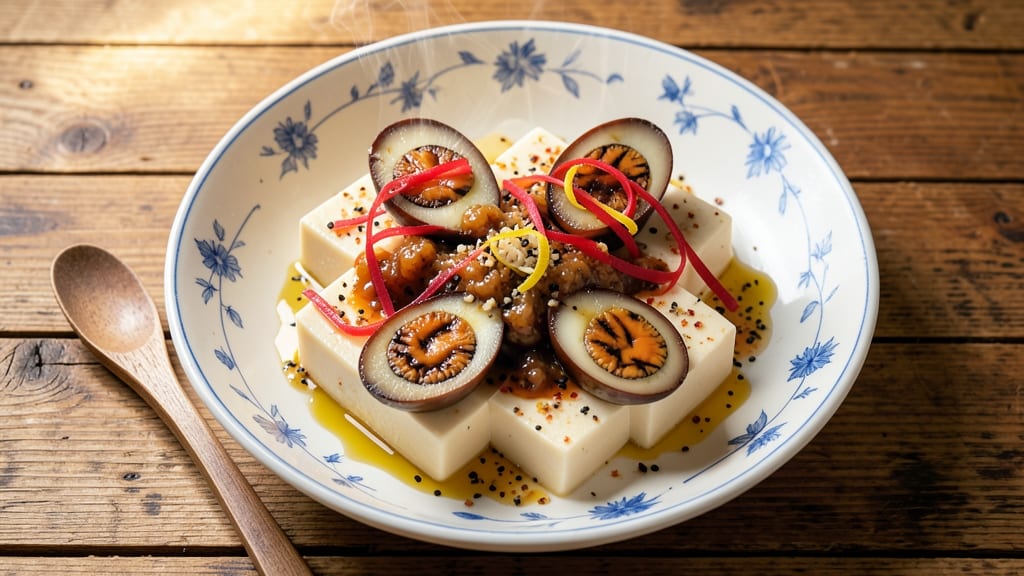
This silken tofu with century egg recipe delivers a luxurious bite of Chinese breakfast tradition in just 15 minutes—where delicate tofu meets the bold, briny depth of preserved century eggs.
The contrast of silky tofu and firm, salty-sweet egg creates a harmony that feels both comforting and unexpected, perfect for adventurous eaters or anyone craving restaurant-quality flavors at home.
The secret lies in balancing textures and flavors: crisping the tofu just enough to add contrast while keeping the century egg intact for that signature burst of umami.
Traditional techniques like quick stir-frying preserve the tofu's tenderness, while a light soy-ginger dressing ties everything together without overpowering the eggs' natural complexity.
What you'll achieve is a dish that feels special yet approachable—golden tofu cubes with glossy, preserved eggs resting atop, all bathed in a fragrant sauce that enhances rather than masks their unique qualities.
The result is a plate that's visually striking and packed with layers of flavor, making it ideal for brunch or a sophisticated weekday dinner.
For those new to century eggs, don't worry—this recipe handles them with care, ensuring their rich, salty profile shines without overwhelming the delicate tofu. Whether you're serving this as a main or appetizer, the contrast of textures and flavors will leave everyone asking for seconds.
Ingredients for silken tofu with century egg
Fourteen ounces of silken tofu and four preserved century eggs transform into a luxurious Chinese breakfast masterpiece.
| Ingredient | Amount | Notes |
|---|---|---|
| Silken Tofu 🥬 | 14 oz | Extra-firm for best texture |
| Century Eggs 🍳 | 4 whole | Preserved, peeled, halved |
| Sesame Oil 🫒 | 1 tbsp | Toasted, for aroma |
| Light Soy Sauce 🍶 | 2 tbsp | Kikkoman preferred |
| Rice Vinegar 🍶 | 1 tbsp | Seasoned, for brightness |
| Fresh Ginger 🧄 | 1 tbsp | Finely grated, pungent |
| Garlic Cloves 🧄 | 2 cloves | Minced, aromatic |
| Cornstarch 🌾 | 1 tbsp | For crisping tofu |
| Vegetable Oil 🫒 | 2 tbsp | High smoke point |
| Green Onions 🧅 | 2 whole | Thinly sliced, garnish |
| Sesame Seeds 🌾 | 1 tsp | Toasted, for crunch |
| Sugar 🍚 | 1 tsp | Balances acidity |
The century eggs are the heart of this dish—authentic, preserved eggs from a trusted Asian market deliver that signature briny depth. Look for glossy, intact eggs with minimal cracks; the texture should be firm yet yielding. If you can't find century eggs, preserved duck eggs from a specialty store are a close substitute. For the tofu, extra-firm silken tofu holds its shape best during stir-frying, while regular silken tofu may crumble. Drain the tofu well before using—press it between paper towels for 10 minutes to remove excess moisture, ensuring a better sear. Fresh ginger and garlic should be vibrant and aromatic—no woody or moldy odors allowed.
No century eggs? Preserved duck eggs or salted black eggs work in a pinch, though the flavor profile will differ slightly. For the soy sauce, Kikkoman light soy sauce is ideal, but any high-quality light soy will do. The rice vinegar should be seasoned—unseasoned vinegar will lack the necessary depth. If you're short on sesame oil, toasted sesame oil from a jar can be used, but avoid the unrefined kind for cooking. The cornstarch is crucial for achieving that delicate crisp on the tofu—don't skip it. For a quicker prep, you can pre-cut the tofu into cubes and store them in the fridge for up to 2 days before cooking, but fresh is always best for texture.
Century eggs keep well in the fridge for up to 2 weeks once opened, stored in their brine. The tofu can be prepped ahead—cubed and refrigerated for 24 hours—but add the cornstarch just before cooking to maintain crispness. This dish reheats beautifully—gentle warming in a skillet with a splash of water preserves the tofu's texture. For a restaurant-worthy presentation, arrange the tofu and century eggs on a platter and garnish with thinly sliced green onions and toasted sesame seeds just before serving. The sauce can be made a day ahead and stored in an airtight container.
Why You'll Love This Recipe
- No-Chop Needed: I swear by this—just scoop silken tofu into the pan, crack in century eggs, and let the sesame oil do the work. Five minutes of active time, and you’ve got something restaurant-worthy without the fuss.
- Umami Bomb: That first bite? The century egg’s salty, creamy yolk mixed with the silken tofu’s gentle texture—it’s like a flavor explosion in your mouth. Light soy sauce and rice vinegar balance it so perfectly, you’ll want to eat it straight from the wok.
- Lunchbox Hero: Pack this for work or school—it stays fresh for days in the fridge, and the flavors only get better after a night’s rest. Honestly, I make double batches just so I can have leftovers for my lazy mornings.
- Budget Luxury: Century eggs might sound fancy, but they’re cheaper than you’d think, and silken tofu stretches into multiple meals. A single pan, five ingredients, and you’ve got a dish that feels special without breaking the bank. (Yes, even on a Tuesday night.)
Step-by-step instructions for silken tofu with century egg
Transform simple ingredients into a luxurious Chinese breakfast dish with this efficient method.
Prepare the Century Eggs and Tofu Mixture
Start by peeling and halving the 4 whole Century Eggs, removing the yolks and setting them aside. Mash the yolks in a small bowl and mix them with 1 tbsp Light Soy Sauce, 1 tbsp Rice Vinegar, 1 tbsp Fresh Ginger, and 2 cloves Garlic Cloves that have been minced. This creates the umami-rich base for your dish.
In a separate bowl, crumble the 14 oz Silken Tofu into small pieces. Add 1 tbsp Cornstarch to the tofu and toss gently to coat evenly. This step ensures the tofu will develop a satisfying crispy texture when cooked. The cornstarch acts as a natural binder, preventing the delicate tofu from falling apart while adding a subtle crunch.
Pan-Fry the Tofu for Crispy Perfection
Heat 2 tbsp Vegetable Oil in a non-stick skillet over medium-high heat until shimmering. Add the cornstarch-coated tofu pieces in a single layer, being careful not to overcrowd the pan. Cook undisturbed for 2-3 minutes until the bottoms develop a golden-brown crust.
Flip the tofu carefully with a spatula and cook for another 2-3 minutes until evenly crispy. Remove the tofu from the pan and set it aside on a paper towel-lined plate to drain excess oil. This step is crucial—properly crisped tofu balances the rich, creamy texture of the century egg filling.
Create the Glazed Century Egg Sauce
In the same skillet, reduce heat to medium and add 1 tbsp Sesame Oil. Pour in the mashed century egg mixture and stir continuously for 1-2 minutes until it thickens slightly. Add 1 tsp Sugar and cook for another 30 seconds, allowing the flavors to meld together.
Remove the skillet from heat and stir in 1 tbsp Sesame Seeds and 2 whole Green Onions, sliced thinly. The sesame seeds add a nutty crunch while the green onions provide a fresh contrast to the rich umami flavors. Keep this mixture warm while you prepare to assemble the final dish.
Assemble and Serve Immediately
Return the crispy tofu pieces to the skillet with the century egg sauce. Toss everything together gently, coating the tofu evenly with the glaze. Cook for an additional 30 seconds to ensure all components are heated through and the flavors are fully integrated.
Transfer the dish to serving plates immediately, garnishing with extra green onion slices and sesame seeds if desired. Serve while hot, as the contrast between the crispy tofu exterior and the creamy century egg filling is best enjoyed immediately. This dish comes together quickly but delivers restaurant-quality results with minimal effort.
Pro Tips For Making Silken Tofu With Century Egg
- Peel Century Eggs Fresh: The black skin on century eggs isn’t just for show—it’s bitter and chewy. I used to skip peeling, thinking it was optional, but that extra step makes all the difference when you’re blending them into the tofu. Use a spoon to gently pop out the yolk first, then scrape off the membrane before dicing. (Yes, your hands will smell like garlic for a while—worth it.)
- Cut Tofu Against Grain: Silken tofu’s texture is delicate, so slice it against the natural grain when you’re cubing it for the dish. I learned this after serving mushy tofu chunks—it’s the difference between a clean bite and a sad, broken one. Use a sharp knife and work in one smooth motion.
- Toast Sesame Oil Last: Add sesame oil after everything else is off the heat. I used to drizzle it in early, and it’d just cook off into nothingness. A quick toss at the end unlocks its nutty aroma—just a teaspoon is enough to make the whole dish sing. (And no, you can’t substitute with regular oil.)
- Balance Vinegar Gradually: Rice vinegar’s acidity can overpower the dish if you dump it all in at once. Start with half the amount called for, taste, then add the rest as needed. I’ve ruined batches by being aggressive—century eggs and tofu need gentle brightening, not a punch to the face.
Perfect pairings for this silken tofu with century egg
Contrast Sides
Pair this dish with steamed jasmine rice—its mild, fluffy texture absorbs the rich century egg sauce beautifully. I like using short-grain rice for its slight stickiness, which helps balance the dish's bold flavors.
For extra contrast, add a side of quick-pickled cucumbers (slice cucumbers thin, toss with 1 tbsp rice vinegar, ½ tsp sugar, and a pinch of salt) to cut through the richness. 🥢
Crunchy Garnishes
Enhance the dish with toasted lotus root chips or crispy fried shallots for added texture. I recommend 1 cup lotus root chips (store-bought or homemade) for their delicate crunch.
For a more traditional touch, sprinkle crispy fried shallots (found in the international aisle) over the dish just before serving—they add a sweet, oniony crunch that complements the century egg's umami. 🌟
Dipping Sauces
Serve with a small bowl of chili crisp for those who love heat—just 1 tbsp chili crisp mixed with 1 tsp rice vinegar and a pinch of sugar creates a perfect dipping sauce.
For a milder option, mix 1 tbsp hoisin sauce with ½ tsp grated ginger and a drizzle of sesame oil. Both sauces elevate the dish without overpowering its natural flavors. 🍶
Beverage Pairings
Pair this dish with jasmine tea to cleanse the palate between bites. A hot jasmine tea (like T2 or Tie Guan Yin) enhances the umami notes, while a cold brew green tea (like Sencha) offers refreshing contrast.
For a non-tea option, a light lager (such as Asahi Super Dry) complements the dish's delicate yet bold flavors. 🍵
Breakfast Upgrade
Turn this into a full breakfast by serving it with soft scrambled eggs (cooked with a splash of soy sauce for depth) and buttered toast. The eggs add protein and creaminess, while the toast soaks up any remaining sauce.
For a vegetarian twist, replace the eggs with silken tofu scramble (crumbled tofu cooked with turmeric and black salt). 🍳
Dessert Finale
End the meal with mango sorbet or lychee jelly to refresh the palate. The sweet, tropical flavors of mango sorbet (store-bought or homemade) contrast perfectly with the dish's savory notes.
For a more traditional pairing, serve lychee jelly (found in Asian markets) with a drizzle of rose syrup for a floral finish. 🍈
Nutrition facts
Frequently asked questions
What makes century eggs different from regular eggs?
Century eggs undergo a multi-week preservation process in a mixture of clay, ash, salt, quicklime, and rice hulls, giving them their distinctive dark gray-black shell and creamy, jelly-like yolk with a bold, briny, umami-rich flavor. The white becomes translucent and firm, while the yolk develops a custard-like texture. This preservation transforms the egg into a delicacy with a complex taste profile that's both salty and slightly sweet.
Can I substitute century eggs if I can't find them?
Yes! For a similar texture, try preserved duck eggs (found in Asian markets) or salted black eggs. As a last resort, use hard-boiled quail eggs marinated in soy sauce and rice vinegar for 1 hour to mimic the salty depth. However, no substitute perfectly replicates century eggs' unique umami kick. The dish will still work but may lack that signature complexity.
Why does the recipe call for extra-firm silken tofu?
Extra-firm silken tofu holds its shape better during stir-frying, preventing it from falling apart when coated with cornstarch. Regular silken tofu is too delicate and will crumble, losing its texture. The extra firmness also creates a better contrast with the creamy century egg filling. If you only have regular silken tofu, press it gently between paper towels for 10 minutes before cubing to improve its structure.
How do I store leftovers without making the tofu soggy?
Store leftovers in an airtight container with parchment paper between layers to prevent moisture buildup. Keep them in the fridge for up to 2 days. To reheat, gently warm in a skillet over low heat with a splash of water or broth to restore crispiness. Avoid microwaving, as it can make the tofu rubbery. For longer storage, freeze the tofu and sauce separately for up to 1 month.
Is this dish gluten-free?
The base recipe is naturally gluten-free, but check your soy sauce and sesame oil labels—some brands contain wheat. For a fully gluten-free version, use tamari instead of soy sauce and certified gluten-free sesame oil. The cornstarch can also be substituted with arrowroot powder if needed. Always verify ingredient sources, as cross-contamination can occur during processing.