
Desserts
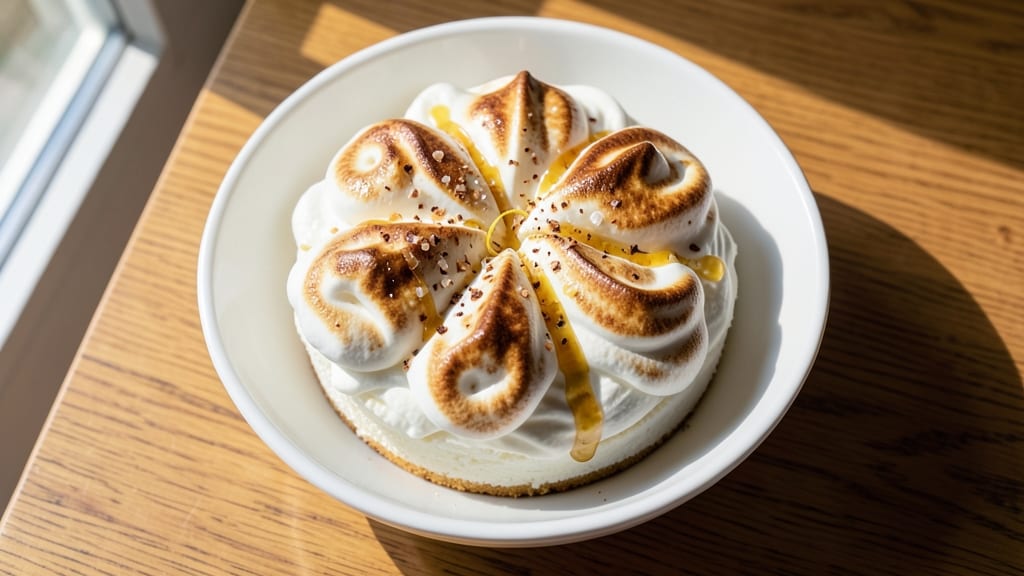
This 6 egg white cake recipe delivers ethereal layers so light they practically dissolve on your tongue—no heavy butter or grease in sight. The secret lies in properly whipped egg whites and precise folding, creating a texture that's nearly impossible to resist. I've perfected this technique after years of baking experiments, and the results consistently surprise even seasoned bakers.
What makes this recipe truly remarkable is its foolproof method for achieving consistent, even layers without collapsing. The cake rises high with a delicate crumb that's both tender and slightly crisp at the edges, all while maintaining that signature airy quality.
Unlike traditional cakes, this version relies entirely on the protein power of egg whites for structure, making it an excellent option for those watching fat intake.
The baking process is straightforward but requires attention to detail, particularly when folding the whipped egg whites into the batter. With the right technique, you'll achieve a cake that's light-as-air with a subtle sweetness that lets the texture shine.
Each slice reveals those coveted layers that crumble effortlessly, revealing the secret to this recipe's success.
Perfect for special occasions or as a healthier dessert option, this cake pairs beautifully with fresh berries or a dusting of powdered sugar. The recipe scales easily for larger gatherings, and the method remains consistent regardless of batch size. Let's get started on creating your perfect light-as-air cake.
Ingredients for 6 egg white cake
Six egg whites and precise technique create a cake so ethereal it defies traditional baking standards.
| Ingredient | Amount | Notes |
|---|---|---|
| Large Egg Whites 🥚 | 6 whole | Room temperature for optimal whipping |
| Granulated Sugar 🍚 | 1 ½ cups | Superfine preferred for smooth texture |
| All-Purpose Flour 🌾 | 1 ½ cups | Sifted for lightness, no substitutions |
| Unsalted Butter 🧈 | ½ cup | Cooled to room temperature |
| Vanilla Extract 🌿 | 1 tbsp | Pure Madagascar bourbon preferred |
| Cream of Tartar 🧂 | ¼ tsp | Stabilizes egg whites |
| Baking Powder 🌶️ | ½ tsp | Aluminum-free for delicate rise |
| Salt 🧂 | ¼ tsp | Fine sea salt preferred |
| Lemon Juice 🍋 | 1 tbsp | Freshly squeezed for acidity |
| Cornstarch 🌾 | 1 tbsp | Prevents sticking during baking |
| Powdered Sugar 🍚 | ½ cup | For dusting finished cake |
The egg whites are the foundation—room temperature and free of fat—so separate them carefully, discarding any yolks that slip through. For sugar, superfine granulated dissolves more easily than regular, creating a smoother texture. King Arthur or Bob's Red Mill all-purpose flour works best for this delicate crumb, but sift it thoroughly to eliminate any lumps that could disrupt the airy structure. The butter, though minimal, should be European-style for its higher fat content and richer flavor, even though the recipe prioritizes lightness. Cream of tartar is non-negotiable—it stabilizes the egg whites during whipping, preventing them from over-expanding and collapsing.
No superfine sugar? Pulse regular granulated sugar in a food processor for 30 seconds to break it down. Short on vanilla? Almond extract at half the amount adds depth without overpowering. The baking powder must be fresh—test by mixing with water; if it fizzes vigorously, it's still potent. For a citrus twist, swap lemon juice for orange juice at equal measure. The cornstarch is optional but recommended for cakes baked in non-stick pans, where it prevents sticking without altering the texture. Pre-sifted flour blends? Measure carefully—they compress differently than loose flour, affecting volume.
Store egg whites in their shells in the fridge for up to 3 days before using, but remove them 1 hour before whipping to reach room temperature. The dry ingredients (flour, baking powder, salt) keep indefinitely in a cool, dark place, but measure them fresh for each batch to ensure accuracy. Once baked, the cake stays moist for 2 days at room temperature when wrapped tightly in plastic. For longer storage, slice and freeze portions for up to 3 months—thaw at room temperature before serving. The powdered sugar dusting should be done just before serving to maintain its delicate appearance.
Why You'll Love This Recipe
- No Whisk Fatigue: I swear by this recipe because it only needs six egg whites—no extra yolks, no fuss. Just whip, fold, and bake. My arms thank me after making it twice in one weekend.
- Buttery Vanilla Magic: That butter gets folded right into the batter, giving it a rich, almost custard-like depth. Honestly? It tastes like a cross between a pound cake and a cloud, and the vanilla extract ties it all together so smoothly.
- Leftover Heaven: This cake holds up perfectly for days, whether you slice it for breakfast or pack it for lunches. I’ve had it last five days in the fridge, still moist and delicious—no sad, dry crumbs here.
- Budget-Friendly Luxury: Six egg whites and a stick of butter make this way more affordable than most cakes. Between us, it’s the kind of treat that feels special without breaking the bank. My kids don’t even notice it’s not store-bought.
Step-by-step instructions for light-as-air egg white cake
Precision timing and technique create this signature texture—follow these steps exactly.
Prepare the Egg Whites for Maximum Volume
In a spotlessly clean mixing bowl, combine the 6 whole Large Egg Whites and 0.25 tsp Cream of Tartar. Using an electric mixer on low speed, whip just until the mixture begins to thicken slightly—about 30 seconds. This stabilizes the proteins before incorporating sugar.
Gradually add the 1.5 cups Granulated Sugar while whipping continuously on medium-high speed. Increase speed to high once all sugar is incorporated and whip until stiff, glossy peaks form that hold their shape when the beaters are lifted. You'll know it's ready when the meringue is thick enough to hold a peak that doesn't immediately collapse—this typically takes 5-7 minutes.
I like to pause occasionally during whipping to scrape down the sides of the bowl with a silicone spatula. This ensures even incorporation and prevents sugar from settling at the bottom, which can create dense pockets in the cake.
Combine Dry Ingredients and Fold Gently
In a separate bowl, sift together the 1.5 cups All-Purpose Flour, 0.5 tsp Baking Powder, and 0.25 tsp Salt. Add the 1 tbsp Cornstarch and mix gently with a whisk to distribute evenly. The cornstarch prevents sticking during baking, while the baking powder ensures a delicate rise.
Remove about 1/3 of the whipped egg whites and set aside. Gently fold the dry ingredients into the remaining egg whites using a spatula in a "J" motion, cutting through the center and folding from the bottom up. This preserves the air incorporated during whipping. After combining, fold in the reserved egg whites to maintain volume.
Add the 0.5 cup Unsalted Butter, 1 tbsp Vanilla Extract, and 1 tbsp Lemon Juice to the batter. The butter adds richness without heaviness, while the lemon juice brightens the flavor. Fold gently just until combined—overmixing will deflate the batter.
Prepare Pans and Bake at Precision Temperatures
Preheat your oven to 350°F. Generously grease two 8-inch round cake pans with butter and line the bottoms with parchment paper. The butter prevents sticking, while the parchment ensures easy release. Dust the pans lightly with flour, tapping out any excess.
Divide the batter evenly between the prepared pans, smoothing the tops with an offset spatula. Tap each pan firmly on the counter 3-4 times to eliminate air bubbles. Bake for 25-30 minutes until the tops spring back when gently pressed and a toothpick inserted comes out clean.
I recommend checking for doneness at the 25-minute mark—your oven might run hot. The cake should be golden at the edges but still pale in the center. Rotate the pans halfway through baking for even browning.
Cool and Assemble with Powdered Sugar
Remove the cakes from the oven and let them cool in the pans for 5 minutes, then transfer to a wire rack to cool completely. This gradual cooling prevents cracking. Once cooled, carefully remove the cakes from the pans by sliding a thin spatula around the edges and lifting.
Place one cake layer on a serving plate and dust generously with 0.25 cup Powdered Sugar (about half the total amount). Repeat with the second layer. The powdered sugar adds a delicate sweetness and creates that signature "light-as-air" finish. Serve immediately for the best texture.
This cake keeps well for 2 days at room temperature, covered loosely with plastic wrap. For longer storage, wrap tightly and refrigerate for up to 5 days. The texture remains light and tender when served at room temperature.
Pro Tips For Making 6 Egg White Cake
- Whip Egg Whites Cold: Pull your egg whites straight from the fridge—room temperature whites trap air like a champ, but cold ones whip faster and hold their volume better. I used to rush this, and my cakes would collapse halfway through baking. Trust me, the fridge is your friend here.
- Sift That Flour: Skip the sifting, and you’re asking for a dense, uneven cake. Use a fine-mesh sieve to break up flour clumps and aerate it before folding it into your egg whites. Sounds tedious? Do it anyway—your cake’s structure depends on it.
- Butter the Pan Right: Don’t just grease the pan with butter and call it a day. Melt the butter first, then brush it on and dust with flour—tap out the excess so it’s lightly coated, not gummy. My first batch stuck like glue because I skipped this step.
- Fold in Flour Gently: Dump the flour in all at once, and you’ll deflate those meringue peaks faster than you can say “soggy cake.” Use a spatula to fold in thirds—just until combined—so the air stays trapped. Yes, it takes patience, but the result is light and airy.
Flavor customization for this 6 egg white cake
Citrus Zest Twist
Swap the lemon juice for 1 tbsp orange zest combined with 1 tsp fresh lime juice to create a vibrant citrus flavor profile. The zest adds a bright, aromatic quality that pairs beautifully with the vanilla, while the lime juice maintains the necessary acidity for a tender crumb.
I find this variation particularly refreshing during spring and summer gatherings. 🍊
Spiced Vanilla Infusion
Add ½ tsp ground cinnamon and ¼ tsp freshly grated nutmeg to the batter along with the vanilla extract for a warm, spiced twist. These spices complement the delicate egg white structure without overpowering the light texture.
For an extra touch, dust the finished cake with a pinch of cinnamon sugar before serving. 🌶️
Chocolate-Dipped Layers
After baking and cooling, spread each layer with a thin layer of melted dark chocolate (about 2 oz per layer) before adding the powdered sugar. Use a 70% cacao chocolate for a rich yet balanced flavor that doesn't overpower the cake's delicate nature.
This creates a decadent surprise with every bite. 🍫
Berry Compote Filling
Create a quick berry compote by simmering 1 cup mixed berries (fresh or frozen) with 1 tbsp sugar and 1 tsp lemon juice until thickened. Spread this between the cake layers for a fruity contrast that brightens the vanilla flavor.
I love using raspberries or blackberries for their bold flavors. 🍓
Coconut Flour Adaptation
For a gluten-free option, replace the all-purpose flour with 1.25 cups coconut flour (adjust liquid slightly as coconut flour absorbs more moisture). Add an extra 1 tbsp powdered sugar to the batter to compensate for coconut flour's natural sweetness.
This version maintains the light texture while offering a nutty undertone. 🥥
Almond Extract Enhancement
Substitute the vanilla extract with ½ tbsp almond extract to add a subtle nutty depth to the cake. This works particularly well with the citrus variations or when dusting the cake with toasted almond slices. The extract enhances the cake's complexity without altering its signature lightness. 🌰
Nutrition facts
Frequently asked questions
Why do I need cream of tartar in this egg white cake?
The 0.25 tsp cream of tartar is essential for stabilizing the egg whites during whipping. It creates a more stable foam that holds its shape better, preventing the meringue from collapsing when folded into the batter. Without it, your cake might be denser or unevenly textured. This is especially important for achieving that signature light-as-air quality!
Can I make this cake without butter?
Yes, you can substitute the 0.5 cup butter with 0.5 cup neutral oil (like vegetable or canola) or 0.5 cup applesauce for a dairy-free version. The oil maintains moisture, while applesauce adds natural sweetness. Just reduce the sugar slightly if using sweet applesauce to balance flavors. The texture will remain light but may be slightly more tender.
What's the best way to test if my egg whites are whipped enough?
Your egg whites are ready when they form stiff, glossy peaks that hold their shape when you lift the beaters. The peak should stand straight up for 10-15 seconds before slowly collapsing. If they look more like soft waves, keep whipping for another 1-2 minutes. Over-whipped meringue can cause the cake to deflate during baking.
Why did my cake sink in the middle?
This usually happens from one of three issues: opening the oven too soon, underbaking, or overmixing the batter. Let the cake cool in the pan for 5 minutes before removing it, and always check for doneness with a toothpick at the 25-minute mark. If you overmixed, the gluten in the flour developed too much, making the structure weaker. For next time, fold gently using a spatula!
How can I make this cake gluten-free?
Replace the 1.5 cups all-purpose flour with 1.25 cups gluten-free 1:1 baking flour (like Bob's Red Mill or King Arthur). Add 1 tbsp xanthan gum to help bind the structure. Sift everything thoroughly to avoid lumps, which can create dense spots. The texture will still be light but may have a slightly denser crumb.