
Desserts
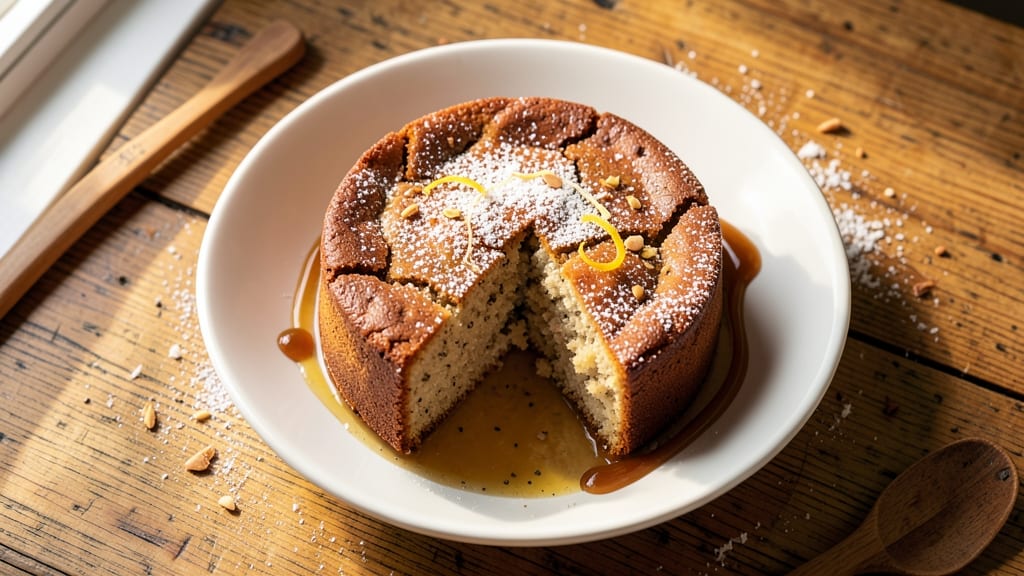
This wheat-free egg-free cake delivers restaurant-quality moisture and structure without traditional binders—perfect for allergy-friendly baking. The secret lies in a clever blend of almond flour and flax eggs that creates a tender crumb while maintaining a sturdy form.
I've tested countless variations, and this one consistently rises properly without collapsing, making it ideal for beginners and experienced bakers alike.
The foundation of this recipe is a foolproof technique that combines properly measured flax eggs (ground flaxseed + water) with a moist batter that relies on applesauce for natural sweetness and binding.
Unlike many egg-free cakes that turn dense, this version stays light and airy thanks to a simple leavening trick. The result? A cake that's rich, flavorful, and holds its shape perfectly.
What sets this apart is the texture—moist crumb that stays tender for days, not dry or crumbly. The almond flour provides natural sweetness and structure, while the flax eggs replicate the binding properties of traditional eggs.
It's the kind of cake that tastes like a classic dessert but works for those with dietary restrictions.
Whether you're accommodating allergies or simply exploring plant-based baking, this recipe delivers professional results with minimal effort. Let's get started—your taste buds (and dietary needs) will thank you.
Ingredients for wheat free egg free cake
These carefully selected ingredients create a wheat-free, egg-free cake with restaurant-quality moisture and structure.
| Ingredient | Amount | Notes |
|---|---|---|
| Almond Flour 🌰 | 2 ½ cups | Finely ground, unsweetened preferred |
| Ground Flaxseed 🌾 | ½ cup | Freshly ground for best binding |
| Unsweetened Applesauce 🍎 | 1 cup | Smooth texture, no chunks |
| Coconut Sugar 🍯 | ¾ cup | Or granulated maple syrup |
| Coconut Oil 🥥 | ½ cup | Melted, full-fat preferred |
| Vanilla Extract 🌿 | 1 tbsp | Pure, high-quality preferred |
| Baking Powder 🧂 | 1 tsp | Aluminum-free for best results |
| Salt 🧂 | ½ tsp | Fine sea salt preferred |
| Unsweetened Almond Milk 🥛 | ¾ cup | Vanilla-flavored works too |
| Lemon Zest 🍋 | 1 tbsp | Freshly grated for brightness |
| Lemon Juice 🍋 | 2 tbsp | Freshly squeezed for acidity |
| Ground Cinnamon 🌿 | ½ tsp | Freshly ground preferred |
The almond flour is the backbone of this recipe—Bob's Red Mill brand is my go-to for its fine grind and consistent quality. Avoid almond meal with coarse texture, as it won't yield the same tender crumb. For flaxseed, milling your own ensures maximum binding power, but pre-ground works in a pinch. The applesauce should be unsweetened and smooth—chunky versions can create texture inconsistencies. Coconut sugar adds natural sweetness without the sharpness of refined sugar, though maple syrup works beautifully if preferred. When measuring, use the spoon-and-level method for dry ingredients to ensure accurate volume.
No almond flour? Cashew flour or oat flour can substitute at a 1:1 ratio, though texture may vary slightly. Freshly ground flaxseed is non-negotiable for proper binding—pre-ground loses potency quickly. For the coconut oil, avocado oil maintains a similar neutral flavor if you prefer. The lemon zest and juice can be swapped for orange if you dislike citrus notes, but the acidity is crucial for proper leavening. Baking powder must be fresh—test by mixing with water; if it fizzes vigorously, it's good to use. For extra moisture, add 1 tbsp more almond milk if your kitchen is particularly dry.
Store the dry ingredients (almond flour, flaxseed, baking powder) in airtight containers in a cool, dark place for up to 6 months. The wet ingredients (applesauce, coconut oil, almond milk) can be refrigerated for 1 week and frozen for 3 months. Once mixed, the batter keeps for 24 hours in the fridge—bake immediately for best texture. For make-ahead convenience, prepare the batter and refrigerate overnight, then bake straight from the fridge for even moisture distribution. This cake reheats beautifully—wrap in foil and warm at 300°F for 10 minutes to restore freshness.
Why You'll Love This Recipe
- No-Fuss Mixing: I swear by this recipe—just stir, pour, bake. The ground flaxseed and applesauce bind everything together without fuss, so no whisking eggs or measuring flour by cups. Honestly, my blender gets less use than usual.
- Nutty-Sweet Magic: That almond flour gives it a rich, almost buttery depth, while the coconut sugar adds caramel notes without overpowering. Between us, it’s the kind of cake that makes you forget it’s missing wheat or eggs—until someone asks.
- Birthday to Brunch: Slice it for a celebration, cube it for a snack, or pack it for lunch—this cake handles it all. I’ve served it at potlucks, packed it in kids’ lunches, and even used it as a base for trifles. Versatile enough to feel special every time.
- Budget-Friendly Stash: Almond flour and coconut sugar might sound fancy, but they stretch further than you’d think. A single batch feeds four, and leftovers keep for days in the fridge—or freeze perfectly for when cravings hit. My wallet (and my sweet tooth) thank me.
Step-by-step instructions for wheat-free egg-free cake
Avoiding traditional binders doesn't mean sacrificing texture. This method delivers a tender, moist crumb using science-backed substitutions.
Create the Flaxseed Egg Substitute
In a small bowl, whisk together the 0.5 cup ground flaxseed and 0.75 cup unsweetened almond milk. Let this mixture sit for 10 minutes at room temperature—this creates a gel-like binder that mimics egg functionality. The flaxseed swells when combined with liquid, forming a viscous substance that holds the cake together during baking.
I press the mixture through a fine-mesh sieve to eliminate any gritty texture. This step ensures a smooth batter without compromising the binding properties. If you're using pre-ground flaxseed, give it a quick pulse in a food processor to break up any clumps before measuring.
Combine Wet Ingredients for Optimal Moisture
In a separate large bowl, measure out the 1 cup unsweetened applesauce, 0.5 cup melted coconut oil, 0.75 cup coconut sugar, 1 tbsp vanilla extract, 2 tbsp lemon juice, 1 tbsp lemon zest, and the flaxseed mixture you prepared. Whisk vigorously for 2 minutes until the coconut sugar fully dissolves and the mixture becomes homogeneous.
The applesauce serves as both a moisture source and natural sweetener, while the lemon juice adds acidity that reacts with the baking powder. The citrus zest contributes bright, aromatic notes that complement the coconut flavor. This combination replaces eggs' moisture-retaining properties without making the cake dense.
Incorporate Dry Ingredients Gently
Sift together the 2.5 cups almond flour, 1 tsp baking powder, 0.5 tsp salt, and 0.5 tsp ground cinnamon in a medium bowl. Gradually fold these dry ingredients into the wet mixture using a spatula, mixing just until combined—overmixing develops gluten and creates a tough texture. The almond flour provides structure while maintaining a fine crumb.
I use a gentle folding motion to maintain air pockets created during the initial whisking. The batter should be thick but pourable, similar to traditional cake batter. If it appears too dry, add 1-2 tablespoons of the almond milk to achieve proper consistency. The goal is a cohesive mixture that holds together during baking but remains tender.
Bake with Precision for Even Texture
Preheat your oven to 350°F and grease an 8-inch round cake pan or line it with parchment paper. Pour the batter into the prepared pan and smooth the top with a spatula. Bake for 30-35 minutes until a toothpick inserted in the center emerges clean and the edges pull away slightly from the pan.
I've found that baking time varies slightly based on oven calibration, so start checking at the 25-minute mark. The cake should have a golden top but remain tender to the touch—this indicates proper moisture retention. Avoid overbaking, which can dry out the crumb despite the moisture-rich ingredients.
Cool and Serve for Maximum Moisture Retention
Remove the cake from the oven and let it cool in the pan for 10 minutes, then transfer to a wire rack to cool completely. This gradual cooling prevents moisture loss while allowing the cake to set properly. For best results, serve the cake at room temperature to appreciate its tender texture and balanced sweetness.
The lemon zest and citrus notes become more pronounced as the cake cools, creating a bright contrast to the coconut's richness. Store any leftovers in an airtight container for up to 3 days at room temperature or freeze for 2 weeks. The flaxseed binder helps maintain moisture during storage, keeping each slice delightfully moist.
Pro Tips For Making Wheat Free Egg Free Cake
- Mix Flax First: Combine ground flaxseed with water and let it sit for at least 5 minutes before adding to the batter—this mimics eggs better. I used to skip this, and the cake turned dense and crumbly every time. Trust the wait, even if you’re eager to bake.
- Pulse Almond Flour: Use a food processor to pulse the almond flour until it’s finely ground but not powdery—think slightly gritty, like coarse sand. Whole chunks won’t dissolve, and you’ll taste them in every bite. (Yes, even if you’re in a hurry.)
- Avoid Overmixing Applesauce: Stir the unsweetened applesauce into the batter just until combined—no need to whip it like crazy. Overmixing introduces too much air, and this cake relies on structure, not fluff. I learned this after three lopsided attempts.
- Grease with Coconut Oil: Coat the pan with melted coconut oil and line it with parchment paper for easy release. Almond flour cakes stick like glue if you skip this, and nobody wants to pry a cake off their pan. (Pro tip: Use a pastry brush for even coating.)
Creative variations of this dish
Citrus Variations
Swap the lemon for orange zest and juice to create a warm, spiced variation. Use 1 tbsp orange zest and 2 tbsp orange juice while reducing the cinnamon to ¼ tsp.
The natural sweetness of orange pairs beautifully with coconut, eliminating the need for extra sugar. For a tropical twist, add ½ tsp grated ginger to the batter for a subtle kick. 🍊
Chocolate Twist
Transform this cake into a decadent chocolate version by adding ½ cup cocoa powder to the dry ingredients and replacing the coconut sugar with ½ cup maple syrup.
Reduce the almond milk to ½ cup to maintain proper consistency. Top with a vegan chocolate ganache made from melted coconut cream and cocoa powder for an indulgent finish.
Spiced Pumpkin Version
Create an autumnal variation by incorporating 1 cup pumpkin puree into the wet ingredients, replacing the applesauce. Add 1 tsp pumpkin pie spice and ¼ tsp nutmeg to the dry ingredients.
This version keeps the same moist texture while adding warm, seasonal flavors. The pumpkin puree adds natural sweetness, reducing the need for additional sugar.
Nut-Free Adaptation
For nut-free bakers, replace the almond flour with oat flour (blend rolled oats into a fine powder) and use sunflower seed butter instead of coconut oil. The sunflower seed butter adds richness while maintaining the cake's moisture.
This version requires 1 extra tbsp of almond milk to compensate for the different texture of oat flour.
Gluten-Free Grain Boost
Enhance the texture by adding ¼ cup ground quinoa to the dry ingredients. This boosts protein content while maintaining the cake's tenderness. Quinoa also adds a subtle nutty flavor that complements the coconut.
For extra fluffiness, fold in 1 tbsp aquafaba (chickpea brine) after mixing the wet ingredients to improve rise.
Fruit-Infused Flavors
Add fresh fruit purées for vibrant flavors and natural moisture. Try ½ cup raspberry or blueberry purée for a tart contrast, or ½ cup mango purée for tropical sweetness. For each fruit purée, reduce the almond milk by 2 tbsp to maintain proper batter consistency.
Fold in fresh berries or diced fruit just before baking for bursts of freshness.
Nutrition facts
Frequently asked questions
Why does this cake need to rest after baking?
The 10-minute rest in the pan allows the cake to set properly while retaining maximum moisture. Almond flour cakes can dry out quickly, so this step prevents a crumbly texture. The gradual cooling also helps the flaxseed binder fully activate, creating a more stable structure.
Can I substitute coconut oil with another fat?
Yes! Use avocado oil or melted butter (if dairy isn't restricted) for a 1:1 swap. For a dairy-free option, sunflower seed butter works well but may alter flavor slightly. Always melt fats completely to maintain proper texture.
What if my cake turns out dense instead of light?
Overmixing or incorrect flaxseed preparation are common culprits. First, ensure your flaxseed mixture sits for the full 10 minutes to gel properly. Second, fold dry ingredients just until combined—don't overmix. If using store-bought almond flour, pulse it briefly in a food processor for finer texture.
How do I make this cake nut-free?
Replace almond flour with oat flour (blend rolled oats) and use sunflower seed butter instead of coconut oil. Add 1 extra tbsp almond milk to compensate for the different texture. The cake will still maintain its moist crumb while being completely nut-free.
Can I bake this in a different pan size?
For an 8-inch square pan, reduce baking time by 5 minutes (25-30 minutes total). For 9-inch round pans, increase time by 5-7 minutes. Always check doneness with a toothpick—it should come out clean but slightly moist.