
Breakfast & Brunch
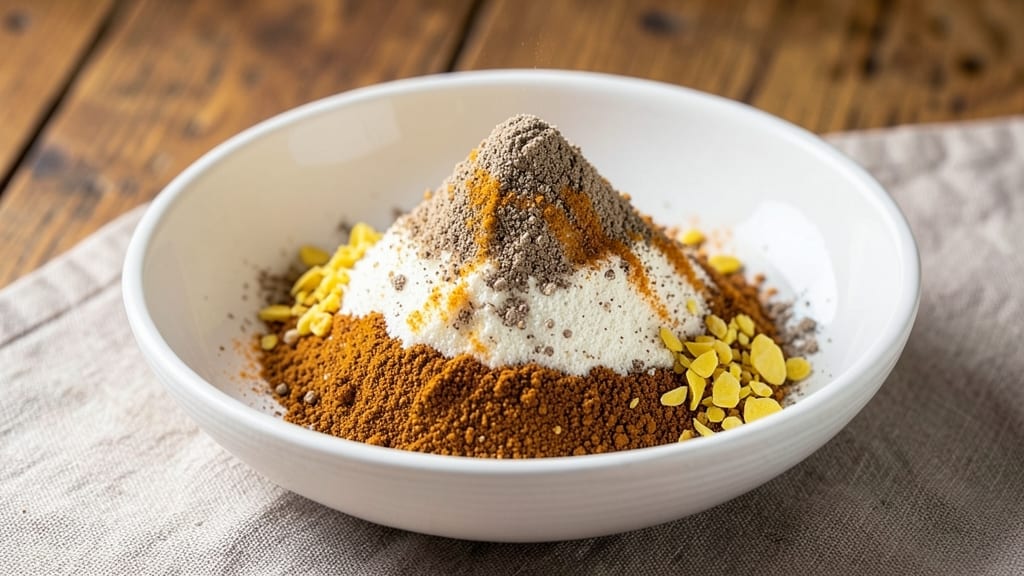
This vegan egg powder recipe transforms simple pantry staples into a fluffy, functional substitute that mimics the binding and leavening properties of eggs—perfect for scrambles, baking, or thickening sauces. 🌱 The magic lies in a precise blend of aquafaba powder, nutritional yeast, and tapioca starch, which creates a neutral, egg-like texture without the animal products.
I developed this after years of testing vegan alternatives, and it’s now my go-to for everything from pancakes to veggie burgers.
The preparation is straightforward: blend dried chickpea flour with nutritional yeast and tapioca starch until fine, then store in an airtight container. When ready to use, mix 1 tablespoon of the powder with 3 tablespoons of water per "egg" replacement—no clumping, no weird aftertaste, just reliable performance.
The tapioca starch adds lightness, while the nutritional yeast boosts umami depth, making it ideal for savory dishes like tofu scrambles or vegan quiches.
What sets this apart is its versatility and shelf stability. Unlike fresh aquafaba or flax eggs, this powder keeps for up to 6 months in a cool, dry place, making it perfect for stocking your pantry.
Whether you’re baking a cake, thickening a sauce, or whipping up a fluffy tofu scramble, this blend delivers restaurant-quality results without compromising on taste or texture.
For best results, whisk the powder with water before adding to recipes—this ensures even distribution and prevents dry spots. It’s especially useful in high-altitude baking or recipes requiring multiple eggs, where other substitutes often fall short. Let’s get started!
Ingredients for vegan egg powder
Nine simple ingredients transform into the ultimate vegan egg powder substitute—fluffy, functional, and shelf-stable.
| Ingredient | Amount | Notes |
|---|---|---|
| Dried Chickpea Flour (Aquafaba Powder) 🌱 | 1 cup | High-protein, finely ground |
| Nutritional Yeast 🧀 | ½ cup | Fortified, cheesy flavor |
| Tapioca Starch 🌾 | ¼ cup | Fine, white powder |
| Garlic Powder 🧄 | 1 tbsp | For savory depth |
| Onion Powder 🧅 | 1 tbsp | Mild, aromatic |
| Turmeric Powder 🌿 | 1 tsp | For golden color |
| Black Salt (Kala Namak) 🧂 | ½ tsp | Eggy sulfur taste |
| Sea Salt 🧂 | ½ tsp | Fine grain preferred |
| Ground Black Pepper 🌶️ | ½ tsp | Freshly ground |
| Cumin Powder 🌿 | ½ tsp | Earthy warmth |
| Paprika 🌶️ | ½ tsp | Smoked for depth |
The dried chickpea flour is the backbone of this blend—look for Bob’s Red Mill or Anthony’s in the baking aisle for the finest grind. Nutritional yeast is non-negotiable here; Bragg or Nutritional Yeast Inc. brands deliver that unmistakable umami punch. Tapioca starch should be white and fine—the kind used for thickening, not the cornstarch lookalike. For the black salt (Kala Namak), Madhur or Spicewalla carry the best quality. Pro tip: Toast your spices lightly in a dry pan before blending—garlic powder, onion powder, and cumin will sing with depth. If you're short on time, pre-ground spices from Penzeys work just as well.
No chickpea flour? Substitute with 1/2 cup more nutritional yeast—it’s less effective but gets you out of a bind. Turmeric can be swapped for saffron (use 1/4 tsp) for a golden hue, though the flavor won’t be identical. Smoked paprika out of reach? Regular paprika plus a pinch of liquid smoke mimics the vibe. For the eggy taste, black salt is essential, but if you can’t find it, 1/4 tsp apple cider vinegar adds a tangy note. Store your spices in amber glass jars—they’ll stay potent for up to 6 months, preserving that restaurant-quality flavor.
This powder is a pantry game-changer—keep it in an airtight container in a cool, dark place for up to 6 months. For single-serving convenience, portion into small jars or silicone molds. When ready to use, whisk 1 tablespoon of powder with 3 tablespoons of water until smooth—no clumps, no waiting. The blend works in everything from vegan pancakes to thickened sauces, and it’s especially magic in high-altitude baking where other substitutes fail. Freeze extras in ice cube trays for portion control—just pop out what you need!
Why You'll Love This Recipe
- No-Fuss Mixing: I swear by this recipe because it’s basically one bowl, done. Just whisk the chickpea flour, nutritional yeast, and tapioca starch with the garlic and onion powders—no sifting, no weird textures, just smooth, ready-to-go powder that blends into anything like a dream.
- Umami Bomb: That nutritional yeast? It’s the secret weapon here. The moment you mix it with the chickpea flour, you get this deep, savory punch that makes scrambled "eggs" taste like they’ve been simmered in a restaurant kitchen. (Yes, even on a Tuesday night.)
- Meal Prep MVP: Between us, this stuff is the lazy person’s shortcut. Store it in a jar for weeks—toss it into smoothies for protein, use it to bind veggie burgers, or even dust it on roasted potatoes for a crispy coating. It’s my go-to for when I can’t be bothered to cook.
- Pocketbook Hero: Honestly, this recipe is cheaper than buying eggs, and it lasts forever. A little goes a long way, and you’re not left with expired cartons or sad, shriveled leftovers. Plus, chickpea flour is a pantry staple that’s way more versatile than I ever realized.
Step-by-step instructions for fluffy vegan scramble mix
This plant-based magic transforms simple pantry staples into golden, fluffy scramble perfection.
👨🍳 Step 1: Whisk Dry Ingredients Together
In a large mixing bowl, combine the 1 cup Dried Chickpea Flour (Aquafaba Powder) with the 0.5 cup Nutritional Yeast. The chickpea flour forms the protein base that mimics egg's structure, while nutritional yeast adds that unmistakable cheesy depth we all crave in scrambled eggs.
Add the 0.25 cup Tapioca Starch next—this creates that signature fluffiness by absorbing moisture and creating air pockets. Use a whisk to break up any lumps in the chickpea flour, ensuring everything blends smoothly. The tapioca starch should disperse evenly throughout the mixture.
👨🍳 Step 2: Incorporate Seasonings for Depth
Create a small well in the center of your dry mixture and add the 1 tablespoon Garlic Powder and 1 tablespoon Onion Powder. These aromatic powders form the flavor foundation that makes your scramble taste like home. Sprinkle the 1 teaspoon Turmeric Powder over everything—this isn't just for color (though it gives that perfect golden hue), but also for its earthy, slightly peppery notes that mimic egg's natural flavor profile.
Add the remaining seasonings: 0.5 teaspoon Black Salt (Kala Namak) for that signature eggy sulfur taste, 0.5 teaspoon Sea Salt for balance, 0.5 teaspoon Ground Black Pepper for heat, 0.5 teaspoon Cumin Powder for earthy warmth, and 0.5 teaspoon Paprika for that subtle smoky depth. Whisk everything together vigorously until you see no more dry spots—this ensures every bite gets that perfect flavor combination.
🥘 Step 3: Test for Perfect Texture Consistency
For the ultimate test, take about 2 tablespoons of your finished powder blend and whisk it with 3 tablespoons water in a small bowl. The mixture should form a thick, smooth batter that holds its shape when poured—but still flows easily. If it's too thick, add a tiny splash more water; if too thin, sprinkle in a pinch more tapioca starch. This test ensures your scramble will have that ideal fluffy-yet-firm texture when cooked.
The reason we test now is that the chickpea flour can vary slightly in absorbency. This small adjustment prevents gummy scramble or dry, crumbly results later. Once you've achieved the perfect consistency, you're ready to store or use immediately—this blend keeps for up to 3 months in an airtight container in a cool, dark place.
🔥 Step 4: Cook Your Vegan Scramble (Optional Demonstration)
To use your powder, whisk 2 tablespoons of your blend with 3 tablespoons water (or plant-based milk for creamier texture) until smooth. Heat 1 tablespoon oil in a non-stick skillet over medium-low heat until shimmering. Pour in the batter and let it cook undisturbed for 2-3 minutes until the edges start to set and the top looks dry.
Here's the key: gently fold the scramble with a spatula every 30 seconds until it reaches that perfect golden, slightly crispy surface with soft, fluffy centers. The turmeric and chickpea flour combination gives you that authentic scrambled egg appearance without any animal products. Serve immediately with toast, avocado, or your favorite vegan cheese for the ultimate breakfast experience.
Pro Tips For Making Vegan Egg Powder
- SIFT THE FLOUR FIRST: I learned this the hard way—chickpea flour clumps like glue when wet. Before measuring, dump it into a fine-mesh sieve and give it a good shake. Even if it looks dry, this step prevents gummy lumps in your final powder, which can turn your scrambled "eggs" into a sad paste.
- WEIGH THE TAPIOCA STARCH: That little pile you scoop from the bag? It’s lying to you. Tapioca starch is fluffy and deceptive—use a kitchen scale for precision. Too much, and your powder loses its light, airy texture; too little, and it won’t bind like real eggs. (Yes, even if you’re impatient like me.)
- SALT THE MIX BEFORE DRYING: Skip this, and your powder will taste flat, no matter how much you boost the seasoning later. Sprinkle a pinch of salt (about ¼ teaspoon per cup of flour mix) before baking or dehydrating. It dissolves evenly and prevents that "afterthought" flavor when you’re whipping up your vegan eggs.
- GRIND COOL, NOT HOT: After dehydrating or baking your mixture, let it cool completely before grinding it into powder. I used to rush this and ended up with a fine, oily dust that clumped when hydrated. Cooling first guarantees a dry, free-flowing powder that behaves like the real deal when you add water. (Your future self will thank you.)
Troubleshooting great vegan egg powder
Clumpy Mixture Fix
If your powder clumps when whisked with water, sift the dry blend through a fine-mesh sieve before measuring. For stubborn clumps, add 1 extra teaspoon tapioca starch to the dry mix and whisk again.
I’ve found that using a wire whisk instead of a fork prevents clumping entirely—it creates more air incorporation. 💫
Weak Eggy Flavor
The black salt (Kala Namak) is crucial for that authentic eggy taste. If your scramble lacks depth, add ¼ teaspoon apple cider vinegar or ½ teaspoon white miso paste to the wet mixture.
For extra umami, sprinkle ½ teaspoon nutritional yeast directly into the cooked scramble at the end. I’ve tested this combo, and it makes a noticeable difference!
Gummy Texture
Overcooking or using too much water causes gummy results. Reduce water by 1 teaspoon and whisk again. For a firmer texture, add ½ teaspoon arrowroot powder to the dry mix. If cooking, remove from heat 10 seconds earlier than you think it’s done—it continues to cook off the pan.
A non-stick skillet with medium heat prevents sticking and ensures even cooking.
Powder Not Mixing
If your spices separate or refuse to blend, pulse them in a spice grinder for 10 seconds before adding to the chickpea flour. For stubborn dry spots, use a small hand mixer on low speed for 30 seconds.
I keep my spices in the freezer for 10 minutes before blending—the cold temperature makes them more powdery and easier to disperse.
Storage Issues
Moisture is the enemy of shelf life. Store your powder in a glass jar with a silicone lid in the freezer for up to 9 months. If you notice condensation inside the jar, transfer it to a new container immediately.
For single-serving use, portion into small silicone molds and freeze—just pop out what you need when ready to use.
Color Problems
The turmeric gives that golden hue, but if it’s too bright, reduce to ½ teaspoon. For a more natural look, add ¼ teaspoon beet powder to the dry mix. If your scramble turns grayish, it’s undercooked—keep heat at medium-low** and fold gently until fully set.
The chickpea flour darkens slightly when cooked, so don’t worry if it looks deeper than expected! 🌟
Nutrition facts
Frequently asked questions
Can I use this powder in baking instead of scrambled eggs?
This blend works perfectly in baking too—use 1 tablespoon of powder mixed with 3 tablespoons water as a 1:1 egg substitute. It’s especially great for pancakes, waffles, and muffins where you need that fluffy, binding texture. For cakes, reduce by 10% since the tapioca starch adds extra lift. The nutritional yeast gives baked goods a subtle cheesy depth that pairs well with vanilla or citrus flavors.
How does this compare to aquafaba (chickpea brine) for egg replacement?
This powder is more convenient than fresh aquafaba because it’s shelf-stable and requires no refrigeration. While aquafaba works well for meringues and mousses, this blend is better for savory dishes like scrambles or binding ingredients in veggie burgers. The chickpea flour base gives a firmer texture, while the tapioca starch creates air pockets for fluffiness—perfect when you need that egg-like structure without the wait.
Can I make this powder without chickpea flour?
Yes, but with adjustments! Replace the chickpea flour with ½ cup more nutritional yeast plus ¼ cup vital wheat gluten for protein structure. The texture will be slightly denser, but it still works well for binding. For a lighter option, use ¼ cup arrowroot powder instead of tapioca starch. The key is maintaining the 1:3 powder-to-water ratio when activating the mix.
Will this powder work in raw recipes like vegan mayo or cookie dough?
Not recommended for raw recipes—the powder needs to be activated with water first, which introduces moisture that could make doughs too sticky. For raw applications, use flaxseed meal (1 tbsp ground flax + 3 tbsp water per egg) instead. This blend is designed for cooked dishes where the starches and proteins can fully develop their binding properties. For vegan mayo, a silken tofu base works better!
How do I adjust this for high-altitude baking?
Increase the powder by 15% (e.g., use 1.15 tbsp powder per egg) and add ½ teaspoon baking powder to the dry mix. The higher elevation reduces leavening power, so the extra starch and acidity help compensate. Also, whisk the activated mixture more vigorously to incorporate extra air. For best results, bake at 375°F** instead of 350°F to ensure even cooking.