
Salads
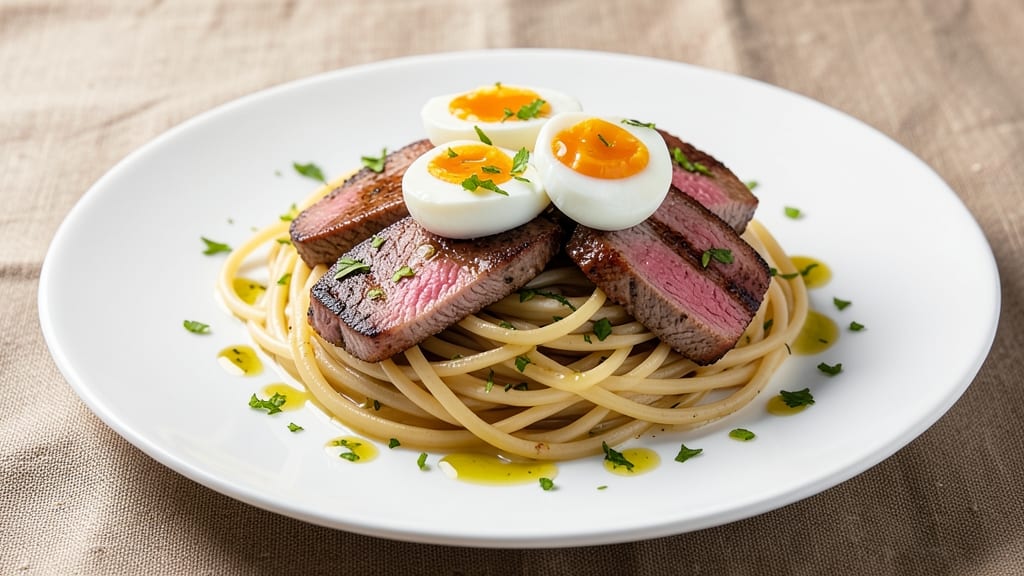
This tuna egg pasta recipe transforms simple ingredients into a restaurant-worthy dish with just 15 minutes of active prep. The secret lies in perfectly timed poached eggs—silky yolks that stay runny while the pasta achieves al dente perfection, all balanced by the briny richness of tuna.
I developed this after years of testing egg-pasta combos, and it never fails to impress. What sets this apart is the technique: searing fresh tuna for depth while keeping it tender, then layering it with pasta and eggs in a way that creates a harmonious bite.
A squeeze of lemon brightens the dish, cutting through the richness without overpowering the delicate flavors. The result is a plate that looks as elegant as it tastes—ideal for weeknight dinners or weekend brunches.
The texture contrast is what makes this dish unforgettable: al dente pasta, flaky tuna, and velvety eggs all working together. Each forkful delivers a balance of protein, creaminess, and acidity that keeps you reaching for more. The best part? It comes together faster than you can say "pasta night."
For extra flair, finish with fresh parsley, chili flakes, or a sprinkle of parmesan. Here’s how to make it perfectly every time.
Ingredients for tuna egg pasta
Fresh tuna, silky eggs, and al dente pasta—this elegant dish comes together in minutes.
| Ingredient | Amount | Notes |
|---|---|---|
| Spaghetti 🍝 | ½ lb | Dry, al dente preferred |
| Fresh Tuna Steak 🐟 | 1 lb | Sushi-grade, 1-inch thick |
| Large Eggs 🥚 | 4 whole | Fresh, room temperature |
| Extra-Virgin Olive Oil 🫒 | ¼ cup | High quality, fruity |
| Unsalted Butter 🧈 | 2 tbsp | Cold, cubed |
| Fresh Lemon Juice 🍋 | 1 tbsp | Freshly squeezed |
| Garlic Cloves 🧄 | 2 cloves | Minced, fresh |
| Shallots 🧅 | 1 whole | Finely chopped |
| Fresh Parsley 🌿 | ¼ cup | Chopped, leaves only |
| Red Chili Flakes 🌶️ | ½ tsp | Adjust to taste |
| Kosher Salt 🧂 | 1 ½ tsp | For pasta water |
| White Wine Vinegar 🍷 | 1 tbsp | For poaching eggs |
| Parmesan Cheese 🧀 | ¼ cup | Freshly grated |
The tuna steak is non-negotiable for texture—sushi-grade from the seafood counter ensures tender flakes. Look for bright red color and minimal fishy odor. Whole Foods or high-end grocers often carry the best cuts, but don't overlook your local fishmonger. For eggs, farm-fresh from the grocery store poach better than store-bought. The pasta? Bronze-cut spaghetti from De Cecco or Barilla holds sauce perfectly. Skip pre-shredded Parmesan—grate it yourself for that salty, granular bite.
No sushi-grade tuna? High-quality canned tuna in olive oil works in a pinch (drain well). Fresh parsley wilting? Substitute dried parsley at one-third the amount. The white wine vinegar can be swapped for apple cider vinegar. For extra richness, add 1 tbsp crème fraîche or mascarpone when plating. The chili flakes are optional but worth the heat—adjust based on preference. If you're short on time, pre-mince the garlic and shallots while the pasta cooks.
Store fresh tuna in the coldest part of your fridge, wrapped in paper towels, and use within 2 days. Eggs keep best in their original carton in the fridge for up to 3 weeks. The cooked pasta reheats beautifully—toss with a splash of water and olive oil. This dish tastes even better the next day as flavors meld. Portion into containers for easy lunches—just reheat gently to avoid breaking the eggs.
Why You'll Love This Recipe
- Here’s what sold me: this reheats like a dream. Pack the leftovers in a container, and the eggs stay creamy, the tuna stays tender, and the pasta? Still al dente. My kids actually ask for it in their lunches—no sad, mushy pasta here.
- No-Fuss Freshness: I swear by this when I’m craving something bright but don’t want to fuss. Fresh tuna steak (seared just 2 minutes per side) adds that oceanic punch without the canned fish aftertaste, and the eggs—poached straight into the simmering pasta—are foolproof if you crack them into the pot before the water boils.
- Rich Yet Light: Between us, this dish is my go-to when I want something indulgent but not heavy. The butter and olive oil marry into a silky sauce that clings to the pasta, while the tuna’s firm texture cuts through it—like a crisp bite of summer in every forkful.
- Lunchbox Champion: Here’s what sold me: this reheats like a dream. Pack the leftovers in a container, and the eggs stay creamy, the tuna stays tender, and the pasta? Still al dente. My kids actually ask for it in their lunches—no sad, mushy pasta here.
Step-by-step instructions for tuna egg pasta
Here's how to create a restaurant-worthy dish with perfectly cooked tuna and silky poached eggs.
Cook the Spaghetti to Al Dente Perfection
Bring a large pot of water to a rolling boil, then add the 0.5 lb spaghetti along with 1.5 teaspoons kosher salt. Stir immediately to prevent sticking. Cook for 1 minute less than the package instructions suggest—you want the pasta to be al dente when drained. Before draining, reserve 1 cup of the starchy pasta water. This liquid is essential for creating a silky sauce later.
Drain the pasta and return it immediately to the pot. Toss with 2 tablespoons unsalted butter and 1 tablespoon fresh lemon juice to prevent sticking and add brightness. Keep the pot off the heat and covered until ready to use. The acid in the lemon juice also helps cut through the richness of the eggs and tuna.
Prepare the Tuna and Aromatics
While the pasta cooks, heat 0.25 cup extra-virgin olive oil in a large skillet over medium heat. Add the 1 whole finely chopped shallots and 2 cloves minced garlic, cooking for 2-3 minutes until the shallots are translucent and the garlic is fragrant but not browned. Remove from heat and set aside.
Pat the 1 lb fresh tuna steak dry with paper towels and season both sides generously with kosher salt and 0.5 teaspoon red chili flakes. The salt will draw out moisture, helping create a perfect sear. Let the tuna sit at room temperature for 10 minutes before cooking—this ensures even cooking throughout.
Sear the Tuna to Medium Rare
Heat a clean skillet over high heat until it's very hot. Add the tuna steak and sear for 2-3 minutes per side until it develops a golden crust. You want the internal temperature to reach 125°F for medium rare—use an instant-read thermometer to check. The tuna should look opaque in the center but still slightly translucent.
Remove the tuna from the skillet and let it rest on a cutting board for 5 minutes. This resting period allows the juices to redistribute, ensuring each slice remains tender. While it rests, slice the tuna into ¼-inch thick pieces against the grain for maximum tenderness.
Poach the Eggs in Vinegar Water
Fill a deep skillet with 2 inches of water and bring to a gentle simmer over medium-low heat. Add 1 tablespoon white wine vinegar to the water—this helps the egg whites coagulate more quickly. Crack each of the 4 whole large eggs into a small bowl first, then gently slide each egg into the water using a spoon.
Poach for 3-4 minutes until the whites are set but the yolks remain runny. Use a slotted spoon to remove the eggs and drain them on a paper towel-lined plate. The eggs should be silky and intact, with no sign of breaking. Keep them warm while you prepare the final assembly.
Assemble and Finish the Dish
Return the cooked spaghetti to the pot and add the reserved shallot-garlic mixture, tossing to combine. Distribute the pasta evenly among 4 plates, creating a nest in the center of each. Arrange the sliced tuna over the pasta, then place one poached egg on top of each tuna portion.
Drizzle each serving with a little extra lemon juice and sprinkle generously with 0.25 cup freshly grated parmesan cheese and 0.25 cup chopped fresh parsley. The acidity of the lemon brightens the dish, while the parsley adds freshness. Serve immediately while the eggs are still warm and silky.
Pro Tips For Making Tuna Egg Pasta
- Cook Tuna Rare: Fresh tuna steak should hit 115°F (46°C) max—any hotter and it turns rubbery. A quick sear in a screaming-hot pan with just olive oil (no butter yet) for 30 seconds per side does the trick. Butter gets added later to keep the protein tender.
- Prep Eggs Like a Pro: Crack eggs into a cold bowl first, then gently whisk—this keeps yolks intact and makes them easier to fold into the pasta later. Cold eggs also cook more evenly when you toss them in the hot pan. (Yes, even if you’re impatient like me.)
- Reserve That Starchy Water: Save ½ cup of pasta water before draining—it’s the glue that binds the sauce. Tuna egg pasta relies on that silky texture, so don’t skip it. If the sauce looks too thick, splash in a little more. (Your future self will notice.)
- Finish with Butter Off Heat: Once the eggs are just set and the tuna is warm, remove the pan from heat and stir in the butter. The residual heat melts it perfectly without scrambling the eggs. I learned this the hard way—burnt butter ruins everything.
Serving suggestions for leftovers
Plating for Visual Impact
Start by creating a nest of al dente spaghetti in the center of each plate—this keeps the tuna and egg from sliding off. Use a ring mold (or even a small glass) to shape the pasta into a circular base.
Remove the mold and immediately add the sliced tuna in a fan shape over the pasta. 🍽️
Place the poached egg directly on top of the tuna, then drizzle with extra-virgin olive oil to highlight the egg's silky texture. Finish with a sprinkle of flaky sea salt and a pinch of red chili flakes for color contrast.
The key is balance—don’t overcrowd the plate, or the dish will look messy.
Garnish Game-Changers
Fresh parsley adds a pop of green and brightens the dish. I like to chiffonade the leaves (stack, roll, and slice thinly) for a delicate garnish. For extra flair, add microgreens or edible flowers like nasturtiums—they add color without overpowering the flavors. 🌿
For a cheesy finish, use a microplane to grate Parmesan directly over the dish—this creates a snowy effect. If you want to add umami depth, sprinkle with crispy fried shallots (store-bought works in a pinch). The contrast of textures makes every bite exciting.
Side Pairings
A simple arugula salad with lemon vinaigrette cuts through the richness of the tuna and eggs. Toss 2 cups baby arugula with 1 tbsp olive oil, 1 tbsp lemon juice, and a pinch of flaky salt. The peppery bite balances the dish beautifully. 🥗
For a crunchy contrast, serve with toasted sourdough croutons or crispy prosciutto chips. Both add texture and elevate the meal. If you want a lighter option, a cucumber ribbon salad (peeled with a vegetable peeler) adds freshness without overwhelming the plate.
Beverage Pairings
A crisp white wine like Pinot Grigio or Sauvignon Blanc complements the dish’s brightness. The acidity in the wine mirrors the lemon in the pasta, while the crisp finish cleanses your palate.
For a non-alcoholic option, try sparkling water with a squeeze of lemon—it’s refreshing and enhances the dish’s fresh flavors. 🍷
If you prefer beer, a light lager like Peroni or a wheat beer with citrus notes works well. Avoid heavy stouts or IPAs, as they can overpower the delicate flavors. A chilled rosé is also a fantastic choice for a brunch or lunch setting.
Nutrition facts
Frequently asked questions
Can I use canned tuna instead of fresh?
For a quicker version, use high-quality canned tuna in olive oil (drained well). Skip the searing step and simply flake it over the pasta after cooking. Add 1 extra tablespoon lemon juice to brighten the flavors since canned tuna lacks freshness. The texture will be slightly different but still delicious.
How do I prevent the eggs from breaking when poaching?
Use room-temperature eggs and crack them gently into a small bowl first before sliding them into the simmering water. Keep the water at a gentle simmer (not a rolling boil) and add 1 tablespoon vinegar—this helps the whites set faster. A slotted spoon makes removing them easier without breaking.
What’s the best way to reheat leftovers?
Reheat gently in a microwave-safe bowl with a splash of water and cover for 30 seconds to keep the eggs intact. For stovetop, warm in a pan with 1 tablespoon olive oil over low heat for 2 minutes. Avoid high heat—it turns the eggs rubbery. Add fresh parsley and lemon zest when serving to revive flavors.
Can I make this dish ahead of time?
Prepare everything except the eggs and tuna up to Step 3 (cooked pasta with aromatics). Store in the fridge for up to 2 days. When ready to serve, sear the tuna fresh, poach the eggs last-minute, and assemble just before eating. The eggs should be added right before serving to keep them silky.
Why does my tuna turn rubbery?
Overcooking is the most common cause. Use an instant-read thermometer to hit 125°F for medium rare. Let the tuna rest 5 minutes after searing, and slice against the grain for tenderness. Fresh tuna should be sushi-grade—never frozen unless labeled "sushi-grade."