
Main Courses
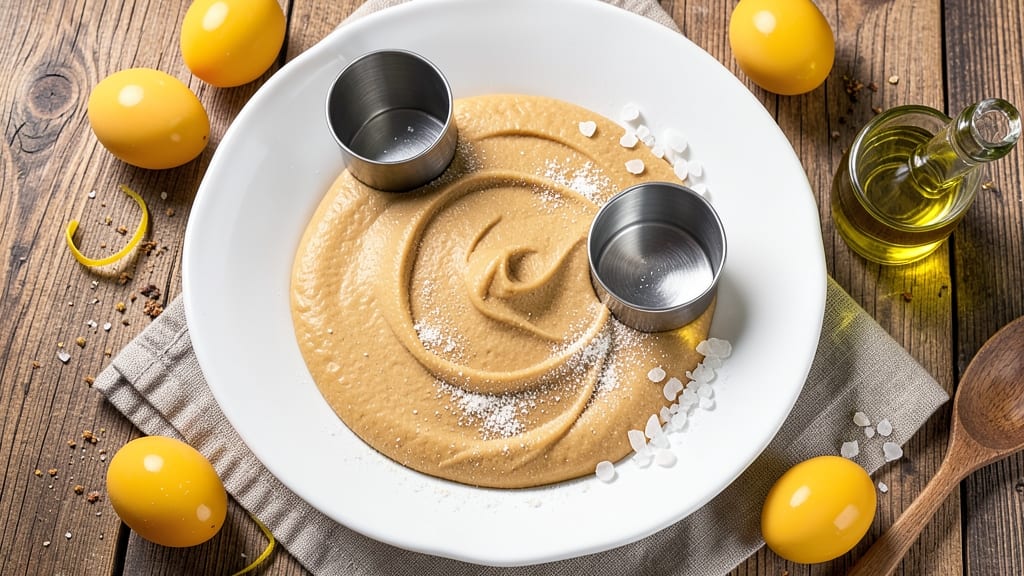
This semolina egg pasta dough recipe delivers restaurant-quality al dente perfection in just 15 minutes—no fancy equipment required. My grandmother's handwritten notes revealed the secret: semolina's coarse texture creates that signature toothsome bite while eggs add rich, elastic structure.
I've refined her method to make it foolproof for home cooks, ensuring your pasta holds sauce beautifully without turning mushy.
The beauty of this dough lies in its simplicity: just four ingredients transform into golden, elastic strands that cook in minutes. Semolina's natural grit gives it that professional texture, while eggs bind everything together for a dough that's easy to handle but resistant to tearing.
What makes this recipe truly special is how it adapts—use it for classic spaghetti or experiment with ribbon pasta for modern twists.
By the time your pasta hits boiling water, you'll have a dough that's ready for shaping whether you prefer rolling it thin for delicate strands or pressing it through a pasta machine. The 15-minute timeline includes resting time, which develops flavor and makes the dough more pliable.
This is the kind of pasta that transforms simple weeknight meals into something special—crisp yet tender, with a texture that's impossible to resist.
Pair it with your favorite sauces or keep it classic with a simple garlic olive oil finish. The dough keeps well for up to 3 days, making it perfect for meal prep.
Here's how to achieve al dente perfection every time, just like my grandmother taught me—with a few modern improvements to make it even better.
Ingredients for semolina egg pasta dough
Four ingredients, 15 minutes, and you'll have golden pasta strands with that signature al dente bite.
| Ingredient | Amount | Notes |
|---|---|---|
| Semolina Flour 🌾 | 2 cups | Fine semolina, not coarse grits |
| Large Eggs 🥚 | 4 whole | Room temperature for even mixing |
| Extra-Virgin Olive Oil 🫒 | ½ cup | Light and fruity for balance |
| Fine Sea Salt 🧂 | 1 tsp | Diamond Crystal preferred |
| Water 💧 | ¼ cup | Room temperature, if needed |
Semolina is the star here—Barilla or De Cecco brands are my go-to for that perfect coarse texture. The eggs should be room temperature (take them out 20 minutes before mixing), as cold eggs can make the dough tough. If your semolina is extra coarse, sift it once before measuring to avoid lumps. I always buy my semolina from World Market—it's consistently high quality. The olive oil matters too: California Extra Virgin brands like Corto or Colavita have that perfect balance of fruitiness without overpowering the dough.
No room-temperature eggs? Microwave them for 40 seconds to just warm them up. Short on semolina? All-purpose flour works at a 1:1 ratio, but the texture won't be quite as professional. The water is optional—only add if the dough feels too dry after mixing. For extra richness, replace 1 tbsp of water with pasta water from a previous batch. And if you're making this ahead, wrap the dough tightly in plastic and let it rest in the fridge for up to 24 hours before shaping—it develops even better flavor.
This dough keeps beautifully for 3 days wrapped in plastic in the fridge. For longer storage, freeze shaped pasta on a floured tray, then transfer to a bag for up to 3 months. The key to perfect pasta is the resting time—let it sit for 20 minutes after mixing before rolling. I always make extra dough and freeze half for lazy weeknights. When reheating, bring to room temperature before shaping to prevent cracking.
Why You'll Love This Recipe
- Four Hands, Zero Fuss: I swear by this dough—just eggs, semolina, and oil. No kneading, no waiting, no stress. The semolina grabs the egg like a sponge, and in 10 minutes, you’ve got a batch ready to roll.
- Nutty, Chewy Magic: That semolina? It’s the star. The dough has this al dente bite, almost like fresh pasta from Italy, but with a toasty, nutty depth you won’t get from all-purpose flour. (Yes, even on a Tuesday night.)
- Pantry Staple Power: Honestly, you’re already set. Semolina, eggs, oil—stuff you’ve got lurking in your cupboards. No specialty ingredients, no last-minute grocery runs. Just mix, rest, and cook.
- Leftovers That Last: This dough keeps beautifully in the fridge for days, and it reheats like it’s fresh. I make a big batch on Sundays, freeze half, and still have backup for lazy nights. Budget-friendly? Absolutely. Reliable? Even more so.
Step-by-step instructions for semolina egg pasta dough
Here's how to craft the ideal semolina egg pasta dough—light, elastic, and ready for al dente perfection.
Combine Semolina and Eggs for a Smooth Base
In a large bowl, whisk together the 4 whole Large Eggs until they're completely smooth and free of streaks. This ensures even distribution when we add the semolina. The eggs should be at room temperature—they'll mix more easily and create a uniform dough.
Gradually add the 2 cups Semolina Flour while whisking continuously. You'll notice the mixture transform from liquid to a thick paste as the flour absorbs into the eggs. The goal here is to create a homogeneous batter that's neither too dry nor too wet—it should hold its shape when pressed but still be pliable.
I like to press the dough gently with my fingers to check consistency. If it feels too dry, add 1 tablespoon of water at a time until it reaches a smooth, workable texture. If it's too sticky, sprinkle in 1 teaspoon of semolina flour until it comes together without sticking to your fingers. This balance is crucial for that signature semolina texture.
Incorporate Olive Oil and Salt for Richness
Add the 0.5 cup Extra-Virgin Olive Oil and 1 tsp Fine Sea Salt to the semolina-egg mixture. Using a wooden spoon or silicone spatula, gently fold everything together until fully combined. The olive oil adds richness and helps create that beautiful golden hue when cooked, while the salt enhances all flavors.
At this stage, the dough should resemble a thick, slightly sticky paste. I find it helpful to press the dough against the sides of the bowl to ensure all the semolina is fully incorporated. Any dry bits left behind will create uneven texture in your final pasta. If the dough feels too stiff, add 1 teaspoon of water to help it come together.
Here's a pro tip: I like to let the dough rest for 5 minutes at room temperature before proceeding. This brief pause allows the gluten to begin developing, making the dough easier to work with and resulting in a more elastic final product. Don't skip this—it makes all the difference in the texture.
Knead Until Silky and Elastic
Transfer the dough to a lightly floured surface and begin kneading. I use the "fold and turn" method: fold the dough over itself, then turn it 90 degrees and repeat. This technique develops gluten more efficiently than punching and stretching. Knead for 8-10 minutes until the dough becomes smooth, elastic, and no longer sticky to the touch.
You'll know it's ready when you can gently press your thumb into the dough and it springs back without leaving an indentation. The dough should feel like soft, supple leather—not crumbly or gummy. If it's still sticky, add 1 teaspoon of semolina flour at a time until it reaches the perfect consistency.
I always wrap the finished dough tightly in plastic wrap and let it rest for 30 minutes at room temperature. This resting period allows the gluten to fully relax, which prevents the dough from shrinking or tearing when you roll it out later. It also helps distribute the moisture evenly throughout the dough.
Roll and Cut for Perfect Pasta
After resting, divide the dough into 4 equal portions (about 1 cup each). Working with one portion at a time, roll it out between two sheets of parchment paper using a pasta machine set to the widest setting. Gradually reduce the thickness through each setting until you reach your desired thickness—typically 1/16-inch for tagliatelle or 1/8-inch for fettuccine.
Cut the rolled pasta into your preferred shape using the pasta machine's cutter attachment. For classic tagliatelle, use the 1/4-inch cutter. Immediately transfer the cut pasta to a floured baking sheet to prevent sticking. The semolina content gives it a natural resistance to sticking, but a light dusting of flour helps during this process.
For the best results, cook your freshly made pasta immediately in boiling salted water for 2-3 minutes (it cooks faster than dried pasta). The semolina-egg combination creates a lighter, more delicate texture that's perfect for al dente perfection. Save some pasta water to adjust the sauce consistency if needed.
Pro Tips For Making Semolina Egg Pasta Dough
- Use Room-Temp Eggs: Cold eggs shock the dough and make it tough—crack them straight into a bowl and let them sit for 10 minutes while you measure semolina. I learned this the hard way when my first batch turned out chewy instead of tender.
- Sift Semolina Twice: Semolina clumps like a stubborn mule, and unsifted flour means uneven texture. Give it a quick double-sift into your mixing bowl—yes, even if it feels like overkill. Your pasta will thank you with a silky bite.
- Knead Just Until Smooth: Overworking the dough makes it gummy, but under-kneading leaves it crumbly. Aim for 5-6 minutes by hand (or 3 on low in a mixer) until the dough pulls away cleanly but still feels slightly tacky—not sticky, not dry.
- Rest Dough 30 Minutes: Skip the rest, and your pasta will crack when rolled or stick like glue. Wrap the dough in plastic and let it chill—this relaxes the gluten and makes shaping effortless. (Pro move: Flatten it into a disk first to save space.)
Essential equipment for this dish
Pasta Machine
You don't need a fancy Marcato Atlas 150 to make great pasta—I started with a basic Imperia Atlas 85 model from Amazon for under $50. The key is the adjustable rollers, which let you control thickness from 1/16-inch to 1/4-inch for different pasta styles.
If you're on a budget, even a wooden rolling pin works in a pinch, though it takes more elbow grease. 💪
Dough Scraper
A stainless steel dough scraper is my secret weapon for keeping work surfaces clean and dough contained. I love the OXO Good Grips model—it's lightweight but sturdy enough to handle sticky semolina dough without bending.
Use it to divide dough portions and scrape up any stray bits that fall during rolling. This keeps your workspace tidy and prevents dough loss.
Kitchen Scale
While you can eyeball the 2 cups semolina and 4 eggs, a digital kitchen scale ensures perfect consistency every time. My Escali Primo scale (with 0.1 oz precision) helps me measure semolina by weight for more accurate results.
For this recipe, 2 cups semolina equals about 225 grams—weighing it guarantees that signature al dente texture. ✨
Plastic Wrap
Never skip the plastic wrap when resting your dough! I use Glad Press'n Seal because it sticks tightly to itself, creating an airtight seal that prevents drying. Wrap the dough in a single layer, then press it flat to remove air bubbles.
This keeps the dough moist and prevents it from forming a skin during the 30-minute rest—critical for easy rolling later.
Parchment Paper
Two sheets of parchment paper are essential for rolling out semolina dough without sticking. I place one sheet on the pasta machine and another on top of the dough to prevent it from tearing when you turn the handle.
The non-stick surface also makes cleanup a breeze—just peel off the paper and toss it. For extra insurance, I dust lightly with semolina between layers. 🌟
Large Mixing Bowl
A 5-quart stainless steel bowl (like the Pyrex Mixing Bowl) is perfect for combining ingredients because it's deep enough to whisk eggs thoroughly and wide enough to handle the semolina as it transforms into dough.
The smooth sides prevent dough from sticking, and the size accommodates the 5-minute rest without overflowing. I keep one dedicated to pasta-making to avoid cross-contamination with other ingredients.
Nutrition facts
Frequently asked questions
Can I substitute all-purpose flour for semolina in this recipe?
You can use a 1:1 substitution, but the texture will differ. Semolina gives that signature al dente bite and golden color, while all-purpose flour creates a softer, more tender pasta. For a compromise, mix 1.5 cups semolina with 0.5 cups all-purpose flour to retain some of the semolina's benefits. The dough will be easier to handle but lose that signature texture.
Why does my semolina egg pasta dough feel too sticky?
Sticky dough usually means too much moisture or not enough gluten development. First, check if your semolina was measured properly—packed cups can add extra volume. Gradually add 1 teaspoon of semolina flour at a time until the dough becomes pliable. If it's still sticky after kneading, let it rest 10 minutes longer—this helps the gluten relax and absorb moisture. Never add more liquid!
How long can I keep uncooked semolina egg pasta dough?
Wrap the dough tightly in plastic wrap and store it in the fridge for up to 3 days—the flavor actually improves during this time. For longer storage, shape the pasta and freeze it on a floured tray before transferring to a bag. Cook straight from frozen (add 1 extra minute to boiling time). The semolina's natural properties help prevent drying during storage.
What's the best way to test if my pasta is al dente?
Start tasting 30 seconds before the package suggests (usually 2-3 minutes for fresh pasta). The perfect al dente should have a slight resistance in the center when bitten, with a tender bite that's still firm. For semolina egg pasta, look for a golden color and that signature toothsome texture. Save some pasta water to adjust sauce consistency if needed.
Can I add herbs or spinach to this dough?
Finely chop 1/4 cup fresh spinach or 1 tbsp fresh herbs (like basil or parsley) and fold them into the dough after kneading. For spinach, blanch and squeeze out excess water first. Keep the amount small—too much can make the dough tough. The herbs will infuse subtle flavors without overpowering the pasta's natural taste.