
Breakfast & Brunch
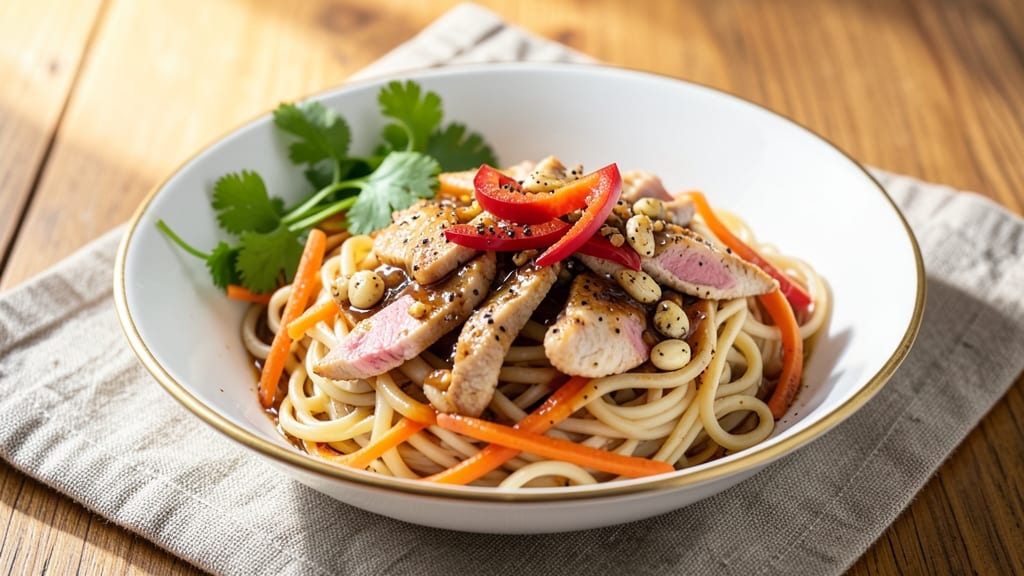
This Thai dry egg noodle recipe delivers restaurant-quality wok-seared crunch and umami in just 20 minutes. The secret lies in high-heat stir-frying that creates crispy noodles while keeping the protein tender, all balanced by a tangy-sweet tamarind sauce.
I've perfected this version after years of testing—it's the kind of dish that transforms a simple breakfast into a flavor-packed meal.
What sets this recipe apart is the perfect harmony of textures and flavors: crispy egg noodles, tender protein (chicken, pork, or tofu), and fresh vegetables all coated in a sauce that's both sweet and savory.
The wok hei—smoky aroma from high-heat cooking—elevates every bite, while fish sauce and palm sugar create that signature Thai balance. It's the dish I make when I want something quick but still deeply satisfying.
The process is straightforward but requires attention to timing and heat control. You'll start with pre-cooked egg noodles that get seared in a hot wok until golden, then toss everything together with the sauce at the last moment to maintain that perfect crunch.
The result is a plate that's visually stunning with its vibrant colors and aromas that fill your kitchen.
This recipe works equally well for breakfast or dinner, and the leftovers reheat beautifully. Whether you're feeding a crowd or treating yourself to a solo meal, these Thai dry egg noodles will become a regular in your rotation. Let's get cooking!
Ingredients for thai dry egg noodle
Pantry staples and fresh veggies transform into crispy, smoky Thai noodles in minutes.
| Ingredient | Amount | Notes |
|---|---|---|
| Egg Noodles 🍜 | 8 oz | Dried, medium-width preferred |
| Ground Chicken 🍗 | 1 lb | Boneless, skinless, finely ground |
| Carrots 🥕 | 2 medium | Julienned into thin matchsticks |
| Red Bell Pepper 🌶️ | 1 whole | Thinly sliced, seeds removed |
| Garlic Cloves 🧄 | 6 cloves | Minced, or 1 tbsp pre-minced |
| Fish Sauce 💧 | 2 tbsp | Red Boat brand preferred |
| Palm Sugar 🍯 | 2 tbsp | Or substitute brown sugar |
| Lime Juice 🍋 | 2 tbsp | Freshly squeezed |
| Vegetable Oil 🫒 | 3 tbsp | High smoke point preferred |
| Soy Sauce 🍶 | 1 tbsp | Light or dark preferred |
| Fresh Thai Basil 🌿 | ¼ cup | Or regular basil in pinch |
| Salt 🧂 | ½ tsp | Kosher or sea salt |
| Black Pepper 🌶️ | ¼ tsp | Freshly ground preferred |
The egg noodles are the star—look for medium-width dried noodles at Asian markets or the international aisle. Thai Kitchen or Lotus Foods carry great options, but any dried egg noodles work. Ground chicken gives the best texture, but pork or tofu works too if you're avoiding poultry. The carrots and bell pepper should be bright and crisp—no wilted veggies here. For the fish sauce, Red Boat is my go-to, but any good-quality brand will do. And that Thai basil? Don't substitute regular basil—it's a game-changer, but if you're desperate, regular basil works in a pinch.
No fish sauce? Soy sauce plus a dash of sugar mimics the umami, though it won't be identical. Palm sugar unavailable? Brown sugar works perfectly. Fresh Thai basil missing? Cilantro or regular basil can stand in, but you'll lose that distinct licorice note. The garlic can be pre-minced—just make sure it's fresh. For extra crunch, add sliced green onions at the end. And if you're cooking for a crowd, double the noodles and protein—this dish scales beautifully.
Noodles keep 3-4 days in an airtight container, but they're best fresh. The sauce components (fish sauce, sugar, lime) last months in the pantry. For meal prep, cook the noodles and protein ahead, then reheat with fresh veggies and sauce. Pro tip: Store basil wrapped in damp paper towels—it stays fresh for days. Leftovers reheat best in a wok or skillet with a splash of water to restore that crispy texture.
Why You'll Love This Recipe
- No-Fuss Pantry Staples: I swear by this recipe when I’ve got nothing but basics—just egg noodles, ground chicken, and a few veggies. The beauty? No specialty ingredients, no last-minute grocery runs. Honestly, I’ve made it with whatever was in my fridge, and it still hits the spot.
- Garlic-Glazed Magic: That moment when the garlic cloves caramelize just enough to coat the noodles? Pure satisfaction. The ground chicken soaks it up, and the red bell pepper adds this bright, almost sweet contrast that makes every bite feel like a little vacation.
- Lunchbox Hero: Between us, this is my go-to for meal prep. Toss the cooled noodles into containers, and they reheat like a dream—no soggy mess. My kids grab them for school lunches, and I sneak leftovers for my own lazy evenings. (Yes, even on a Tuesday night.)
- Budget-Friendly Flex: A pound of ground chicken and a bag of egg noodles stretch across three meals for my family. The carrots and bell pepper bulk it up without breaking the bank, and the leftovers? They taste just as good the second day—if they last that long.
Step-by-step instructions for Thai dry egg noodles
Here's how to create a perfect balance of wok-seared chicken, crisp-tender veggies, and aromatic basil.
Cook the Egg Noodles Al Dente
Bring a pot of water to a rolling boil and add the 8 oz egg noodles. Cook for 1 minute less than the package instructions—this ensures they stay slightly firm and can absorb the sauce later. I like to test one noodle by biting into it; it should have a slight bite but not be rock-hard.
Drain the noodles and immediately rinse them under cold water for 10 seconds. This stops the cooking process and prevents them from turning mushy. Toss them gently with a bit of vegetable oil to prevent sticking while you prepare the rest of the components. The noodles should be warm but not hot when you add them to the wok later.
Wok-Sear the Ground Chicken
Heat 2 tablespoons of the vegetable oil in a wok or large skillet over high heat until shimmering. Add the 1 lb ground chicken and break it up with a spatula, cooking for 3-4 minutes until it loses its raw color and becomes golden brown. The chicken should be fully cooked and slightly crispy around the edges.
Remove the chicken from the wok and set it aside on a plate. Don't drain the wok—those flavorful browned bits (fond) are essential for building the sauce. If the chicken seems too dry, you can add a splash of water to deglaze, but it should be mostly cooked through by now.
Stir-Fry the Vegetables
Add the remaining 1 tablespoon of vegetable oil to the wok and return it to high heat. Add the 2 medium carrots and 1 whole red bell pepper, stir-frying for 2-3 minutes until they begin to soften but still retain a slight crunch. The vegetables should be bright and vibrant, not limp.
Add the 6 cloves minced garlic and stir for 30 seconds until fragrant. Then add the cooked egg noodles, tossing everything together for 1-2 minutes to coat the noodles in the oil and vegetables. This step ensures every bite has that perfect mix of textures and flavors.
Build the Umami Sauce
Lower the heat to medium and add the 2 tablespoons fish sauce, 2 tablespoons palm sugar, 1 tablespoon soy sauce, and 2 tablespoons lime juice. Stir everything together for 1-2 minutes until the sauce glistens and coats the noodles evenly. The mixture should look glossy and slightly sticky, with the sugar dissolving completely.
Return the wok-seared chicken to the wok and toss everything together for another 1-2 minutes. The chicken should absorb the sauce while the noodles and vegetables soak up the remaining flavors. Taste and adjust the seasoning with the 0.5 teaspoon salt and 0.25 teaspoon black pepper if needed.
Finish with Fresh Thai Basil
Remove the wok from heat and stir in the 0.25 cup fresh Thai basil. The basil should wilt slightly but still retain its bright green color. Toss everything together gently to distribute the basil evenly throughout the dish. The basil adds a fresh, slightly peppery note that balances the rich umami flavors.
Serve the Thai dry egg noodles immediately while hot. The noodles should be coated in a glossy sauce with crisp-tender vegetables, perfectly cooked chicken, and fragrant basil. Each bite should deliver a harmonious mix of textures and flavors, with the umami from the fish sauce and soy sauce complemented by the sweetness of the palm sugar and the brightness of the lime juice.
Pro Tips For Making Thai Dry Egg Noodle
- CRISP THE NOODLES FIRST: Toss the egg noodles in a dry, screaming-hot pan for 30 seconds before adding anything else—just until they lose their shine and start sizzling. I used to add oil first, but this method gives you that perfect chewy texture without turning them greasy. (Yes, even if you're impatient like me.)
- GRATE THE CARROTS: Skip the dice—grate the carrots instead. You’ll get more surface area for faster cooking and a sweeter, more integrated flavor in the stir-fry. I learned this the hard way when my diced carrots stayed stubbornly crunchy while everything else turned mushy.
- DON’T OVERWORK THE CHICKEN: Once the ground chicken turns opaque and loses its pink, stop stirring immediately. Keep cooking it for another 30 seconds to kill any bacteria, but resist the urge to break it apart further—it’ll turn rubbery. (Your future self will thank you.)
- SALT THE NOODLES AFTER COOKING: Toss the cooked noodles with a pinch of salt right after draining them, then rinse briefly in cold water. This prevents them from sticking together and keeps them from absorbing too much sauce later. I skip this when I’m lazy, but the dish is noticeably better when I don’t.
Troubleshooting your thai dry egg noodle
Noodles Too Soft
If your egg noodles turn mushy, you likely overcooked them or didn't rinse properly. Always cook noodles 1 minute less than package instructions and rinse in cold water for 10 seconds to stop cooking.
I also recommend tossing them with 1 teaspoon oil right after draining to prevent sticking and maintain texture. 🍜
Sauce Too Salty
Fish sauce is potent—start with 1 tablespoon and taste before adding the full 2 tablespoons. If needed, balance with 1 teaspoon lime juice or a pinch of sugar. For extra depth, add ½ teaspoon soy sauce instead of more fish sauce. Always taste as you go!
Protein Overcooked
Ground chicken should cook for 3-4 minutes max—any longer and it turns dry. Use high heat and break it up into small pieces for even cooking. If your chicken is still pink inside, it needs more time, but don't walk away! Keep the heat high and stir frequently. 🍗
Vegetables Too Crunchy
Carrots and bell peppers should soften but stay slightly crisp. Stir-fry for 2-3 minutes max on high heat. If they're still too firm, add ½ teaspoon sugar to the sauce to help tenderize. For extra flavor, blister the garlic for 30 seconds before adding veggies.
Basil Wilting Too Fast
Thai basil wilts quickly when exposed to heat. Add it only after removing the wok from heat and toss gently. If you're prepping ahead, store basil in a damp paper towel in the fridge and add it fresh right before serving.
Regular basil works in a pinch, but it lacks that signature licorice note. 🌿
Sauce Too Thin
A glossy sauce is key! If yours is watery, reduce it by simmering uncovered for 1-2 minutes on medium heat. For extra thickness, stir in 1 teaspoon cornstarch mixed with 1 tablespoon water. The sauce should coat the back of a spoon but still be pourable. 💧
Nutrition facts
Frequently asked questions
Can I use regular egg noodles instead of Thai egg noodles? Yes, you can! Regular dried egg noodles work perfectly—they'll give you that classic chewy texture. For extra authenticity, look for medium-width noodles at Asian markets. Just
How do I make this vegetarian?
Swap the ground chicken for 8 oz firm tofu (pressed and cubed) or 1 lb mushrooms (shiitake or oyster work best). For extra protein, add ½ cup edamame or 1 cup bean sprouts at the end. The sauce ratio stays the same—just adjust the cooking time for tofu (about 4-5 minutes on high heat).
Why does my sauce taste too salty?
Fish sauce is potent—start with just 1 tablespoon and taste before adding the full amount. If needed, balance with ½ teaspoon sugar or 1 teaspoon lime juice. For depth without salt, add ½ teaspoon soy sauce instead. Always taste as you go—this sauce is highly customizable!
Can I make this ahead of time?
Cook the noodles and protein separately, then store them in an airtight container for up to 2 days. Reheat everything in a wok or skillet with 1 teaspoon oil over high heat, then add fresh veggies and sauce. For best texture, add Thai basil fresh right before serving—it wilts quickly when reheated.
What's the secret to crispy noodles?
The key is high heat and proper timing! Use a wok or large skillet on high heat and stir-fry the noodles for just 1-2 minutes after adding them. The residual heat will crisp them up while keeping the center tender. Toss with a little oil right after draining to prevent sticking too.