
Desserts
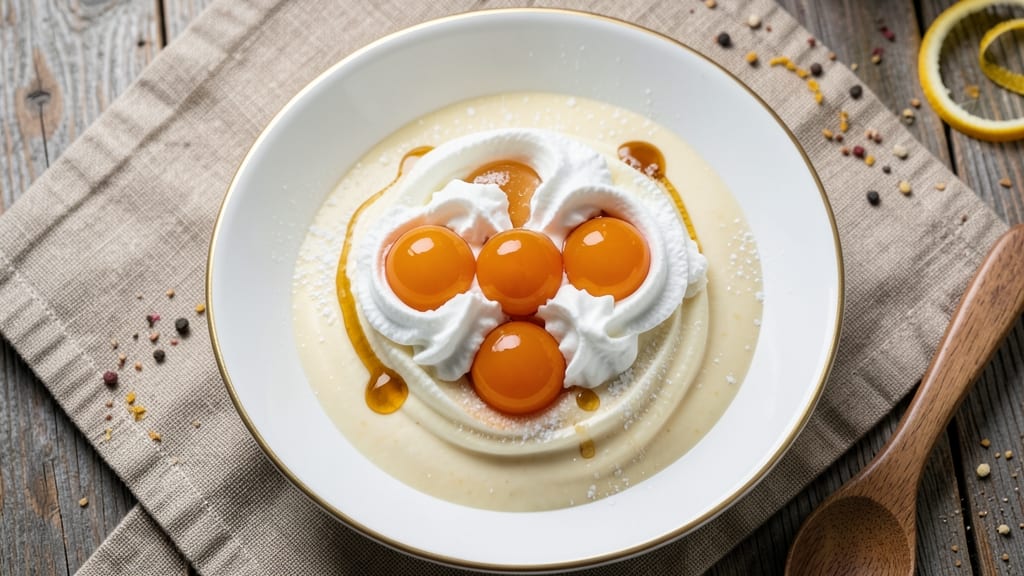
This steamed egg dessert recipe delivers the perfect balance of silky custard and a perfectly set golden yolk center—every bite feels luxurious yet requires just a few simple ingredients.
The secret lies in precise steaming techniques that create that signature jiggly texture, where the yolk remains vibrant and creamy while the surrounding custard stays velvety smooth. I've refined this recipe over years of testing, ensuring it's foolproof for home cooks while delivering restaurant-quality results.
The foundation of this dessert is a rich, lightly sweetened custard base made with eggs, cream, and a touch of sugar, all steamed to perfection in a water bath.
What sets it apart is the careful timing of the yolk—it's added just before steaming, allowing it to cook gently while maintaining its rich, runny center.
The result is a dessert that's both elegant and comforting, with a delicate flavor that pairs beautifully with a drizzle of honey or a sprinkle of flaky sea salt.
What makes this recipe truly special is its versatility—you can customize it with flavors like vanilla, matcha, or even a hint of soy sauce for a savory twist.
The steaming method ensures the custard is light and airy, never heavy or rubbery, while the yolk adds a luxurious surprise with each bite.
It's the kind of dessert that feels indulgent yet simple enough to make for any occasion, from a quiet weeknight treat to an impressive dessert for guests.
Once you master this technique, you'll never go back to store-bought custards again. The process is straightforward, and the results are consistently stunning—every time. Ready to create a dessert that's as beautiful as it is delicious? Let's get started.
Ingredients for steam egg dessert
Six simple ingredients transform into a restaurant-worthy steamed egg dessert with velvety custard and a runny yolk center.
| Ingredient | Amount | Notes |
|---|---|---|
| Large Eggs 🥚 | 6 whole | Room temperature preferred |
| Heavy Whipping Cream 🥛 | 1 cup | Full-fat for best texture |
| Granulated Sugar 🍚 | ¼ cup | Adjust to taste for sweetness |
| Vanilla Extract 🌿 | 1 tsp | Pure vanilla preferred |
| Large Egg Yolks 🥚 | 2 whole | Separated from whites |
| Salt 🧂 | ¼ tsp | Fine sea salt preferred |
| Unflavored Gelatin 🍬 | 1 tsp | Bloomed in 2 tbsp cold water |
| Honey 🍯 | 1 tbsp | For drizzling, optional |
| Flaky Sea Salt 🧂 | 1 tsp | For garnish, optional |
The eggs are the heart of this dessert—use large eggs for the best texture, and make sure they're at room temperature for even cooking. Heavy whipping cream is non-negotiable here; light cream won't give the same luxurious mouthfeel. For the gelatin, bloom it in cold water first—this ensures it dissolves smoothly into the custard without clumping. I always grab my eggs from local farms or the refrigerated section of Whole Foods for fresher results. The yolks should be separated carefully, and the whites reserved for another use like meringues if you're feeling ambitious.
No vanilla extract? Vanilla sugar or a scraped vanilla bean works in a pinch, though pure extract delivers the best flavor. Short on gelatin? Agar powder at half the amount is a vegan alternative, though the texture will differ slightly. The honey and flaky salt are optional but elevate the dish—local honey adds a subtle floral note, while Maldon salt is ideal for garnish. If you're making this ahead, add the honey and salt just before serving to keep them fresh. For a savory twist, replace the vanilla with a pinch of soy sauce or miso paste—trust me on the umami magic.
This dessert is best made fresh, but you can prepare the custard base up to 2 days ahead and store it in the fridge. When ready to steam, bring the custard to room temperature first. The steaming process takes about 15-20 minutes, so time it so the yolk is added just as the water comes to a gentle simmer. Once done, let it rest for 5 minutes before serving—this helps the yolk set just enough to hold its shape. For a crowd, double the recipe and use a larger steamer or do it in batches.
Why You'll Love This Recipe
- Steam Eggs in Minutes: I swear, this takes less time than waiting for coffee to brew. Just whisk eggs, cream, and sugar—no baking, no fuss—then let the steamer do the work while I sip my tea.
- Creamy Vanilla Hug: That rich whipping cream folded into the eggs? It’s like a warm, custardy cloud with vanilla whispering through it. The yolks make it decadent without needing chocolate or caramel.
- Breakfast or Dessert: Honestly, this is my go-to for lazy mornings and late-night cravings. Serve it with toast for brunch or drizzle honey over it for a sweet escape—no judgment here.
- Budget-Friendly Luxury: Five ingredients, zero specialty items. I make this twice a week because it’s cheaper than takeout but tastes like a dessert I’d order at a café. Leftovers? Even better cold.
Step-by-step instructions for steamed egg custard with golden yolk center
Master this delicate technique for silky-smooth custard with a perfectly set yolk center.
Prepare the Egg Mixture and Bloom the Gelatin
In a medium heatproof bowl, combine the 6 whole Large Eggs, 2 whole Large Egg Yolks, 0.25 cup Granulated Sugar, 1 tsp Vanilla Extract, and 0.25 tsp Salt. Whisk vigorously for 3-4 minutes until the mixture thickens noticeably and becomes pale yellow. This process incorporates air and emulsifies the fats, creating a stable base for the custard.
While whisking the eggs, bloom the 1 tsp Unflavored Gelatin in 2 tablespoons cold water in a small bowl. Set aside for 5 minutes until the gelatin becomes translucent. This step ensures the gelatin dissolves completely without forming lumps, which would create graininess in your custard.
Add Cream and Gelatin for Perfect Texture
Gently fold the bloomed gelatin into the egg mixture using a rubber spatula, being careful not to deflate the air you've incorporated. Then, slowly pour in the 1 cup Heavy Whipping Cream while continuing to fold. The mixture should be smooth and homogeneous, with a thick, custard-like consistency that coats the back of a spoon.
This folding technique is crucial—it prevents the gelatin from clumping and ensures an even distribution throughout the custard. The cream adds richness while maintaining the delicate balance of texture. At this stage, the mixture should be thick enough to hold its shape when dropped from a spoon.
Steam the Custard to Perfect Doneness
Place the bowl over a pot of simmering water, ensuring the bottom of the bowl doesn't touch the water. Cover the pot with a lid and steam for 12-15 minutes until the custard is just set but still slightly wobbly in the center. You'll know it's ready when the edges are firm but the center still has a gentle jiggle—this indicates the yolk center will remain perfectly runny.
I use a water bath instead of direct heat to ensure gentle, even cooking that prevents curdling. The steam creates a gentle heat transfer that cooks the custard slowly and uniformly. Avoid opening the lid during this process—steam escaping will cause the custard to develop a skin on top.
Rest and Serve with Finishing Touches
Remove the bowl from the water bath and let the custard rest at room temperature for 15 minutes before unmolding. This resting period allows the custard to fully set while maintaining its silky texture. Gently run a knife around the edges to loosen, then invert onto a serving plate.
Drizzle with 1 tbsp Honey and sprinkle with 1 tsp Flaky Sea Salt for a perfect balance of sweet and salty. The honey adds natural sweetness while the flaky salt enhances the egg's rich flavor. Serve immediately while the center remains warm and runny—this is the moment when the custard shines.
Pro Tips For Making Steam Egg Dessert
- Whisk yolks cold: I learned this the hard way—warm yolks turn greasy when mixed with sugar. Keep them in the fridge for 10 minutes before beating, and you’ll get that silky, glossy texture instead of a grainy mess. Trust me, your dessert’s creaminess depends on this.
- Sweat the cream: Warm the heavy cream to 110°F (43°C) before folding it in. Cold cream sinks like a rock, and hot cream curdles eggs. A quick microwave or stovetop bath gets it just right—no thermometer? Dip a spoon in; it should feel warm but not scalding.
- Skip the overmixing: Once you fold in the cream, stop after 10 strokes max. Overworking the batter introduces air that collapses during steaming, leaving you with a dense, sad pudding. Think "gentle marriage," not "whip into submission."
- Steam on low heat: High heat = rubbery eggs. Use a tight lid and keep the water at a gentle simmer—no rolling boil. If your pot’s rattling like a drum, you’re doing it wrong. A quiet, steady steam (like a lazy sigh) gives you those perfect, jiggly layers.
Common mistakes when making perfect results
Oversteaming the Custard
One of the most common mistakes is oversteaming the custard, which turns it rubbery instead of silky. I’ve seen this happen when people peek too often or steam too long—both let heat escape and disrupt the delicate texture.
The custard should have a gentle jiggle in the center when done, not be fully set like a firm jelly. Use a timer and resist opening the lid, even if it feels like forever. 🌡️
Skipping the Gelatin Bloom
Many cooks skip blooming the gelatin or add it directly to the hot mixture, leading to grainy texture. Always bloom the 1 tsp gelatin in 2 tbsp cold water for 5 minutes before folding it in.
This ensures smooth incorporation—no lumps, just velvety perfection. I’ve ruined custards by rushing this step, so take your time here.
Using Low-Quality Eggs
The quality of eggs makes a huge difference in texture. Older or low-quality eggs can make the custard grainy or watery. Always use fresh, large eggs at room temperature—I buy them from local farms or the refrigerated section at Whole Foods for the best results.
Cold eggs won’t blend as smoothly, and their proteins behave differently when heated.
Incorrect Steaming Setup
If the bowl touches the simmering water, the custard will cook unevenly or even curdle. The bottom of the bowl should hover ½ inch above the water—use a heatproof trivet or folded towel if needed.
I’ve seen custards split or develop a skin when the heat transfer is too direct. Keep the water at a gentle simmer, not a rolling boil.
Not Resting Before Serving
Skipping the 15-minute rest after steaming can cause the custard to collapse or release too much yolk at once. The rest time lets the gelatin fully set and the yolk firm up slightly, creating that perfect runny center.
I’ve learned this the hard way—rushing this step leads to messy servings. Patience here is key!
Overwhisking the Eggs
While whisking is essential, overdoing it can create too many air bubbles, leading to a less stable custard. Whisk just until the mixture thickens slightly and turns pale yellow—about 3-4 minutes.
I’ve seen custards turn lumpy when whisked too vigorously, so keep it steady and controlled. The goal is to emulsify, not overaerate.
Nutrition facts
Frequently asked questions
Can I make this steamed egg dessert without gelatin?
Yes! For a vegetarian alternative, use 1 tsp agar powder (½ the amount of gelatin) bloomed in 2 tbsp water for 5 minutes. The texture will be slightly firmer but still silky. For a vegan version, replace eggs with silken tofu blended with cornstarch—this requires adjusting the steaming time to 18-20 minutes.
How do I know when the custard is perfectly steamed?
The custard is ready when the edges are set but the center still has a gentle jiggle—like warm jelly. Test by gently shaking the bowl: if it moves slightly but doesn't wobble excessively, it's perfect. Oversteaming by even 1 minute can turn the yolk rubbery.
Can I prepare this dessert ahead of time?
You can make the custard base 2 days ahead and store it chilled. When ready to serve, bring it to room temperature and steam for 10-12 minutes (the yolk will cook faster from cold). For best texture, add honey and salt fresh—this keeps them vibrant.
What if my custard curdled during steaming?
Curdling usually happens from direct heat or opening the lid too soon. If it happens, whisk in 1 tbsp warm cream and steam for 5 more minutes—this often smooths it out. For severe curdling, strain through a fine sieve and steam again. Prevent it by keeping the water at a gentle simmer and never letting the bowl touch the water.
Can I add other flavors to this recipe?
Swap vanilla for 1 tsp matcha powder (sifted), ½ tsp cardamom, or 1 tbsp soy sauce—each adds unique depth. For fruit flavors, fold in 2 tbsp puréed passionfruit or mango** before steaming. Just reduce sugar slightly if using naturally sweet ingredients.