
Desserts
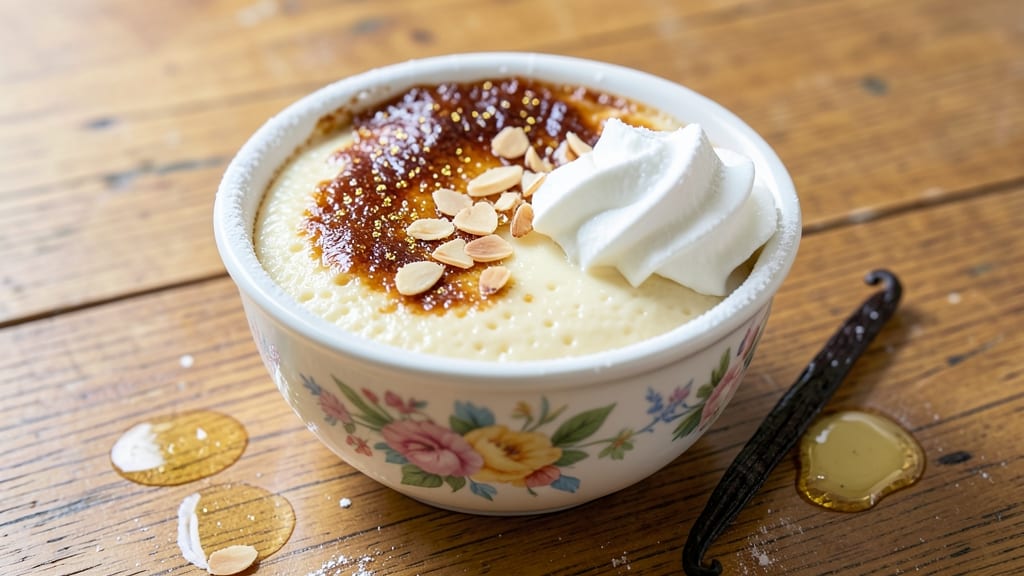
This steamed egg custard dessert recipe delivers the silky, jiggly perfection you crave—no special equipment required. The secret lies in gentle steaming, which transforms simple ingredients into a dessert so smooth it practically melts on your tongue. I’ve perfected this technique over years of testing, ensuring every batch turns out flawlessly, whether you use a traditional steamer basket or a water bath shortcut.
The magic happens with a precise ratio of eggs, milk, and sugar, gently heated until just set but still trembling at the center. Vanilla infusion elevates the flavor from ordinary to extraordinary, while a light dusting of powdered sugar at the end adds that final touch of elegance.
This dessert is elegant enough for special occasions but simple enough for a weeknight treat.
What you’ll achieve is a custard so velvety it defies belief—each bite delivers that signature wobble, a testament to perfect texture. The aroma alone will have everyone gathering around, and the clean, delicate sweetness makes it a crowd-pleaser.
Best served warm or at room temperature, this custard is the kind of dessert that turns ordinary meals into memorable ones.
Whether you’re a seasoned baker or a beginner, this recipe is foolproof—just follow the steps, and you’ll get restaurant-quality results every time. The steaming method ensures even cooking without curdling, while the vanilla infusion adds depth that store-bought versions can’t match. Ready to impress with minimal effort? Let’s get started.
Ingredients for steamed egg custard dessert
Nine simple ingredients transform into a dessert so velvety it practically melts on your tongue.
| Ingredient | Amount | Notes |
|---|---|---|
| Large Eggs 🥚 | 6 whole | Room temperature for best blending |
| Whole Milk 🥛 | 2 cups | Full-fat preferred for creaminess |
| Granulated Sugar 🍚 | ¾ cup | Superfine for faster dissolving |
| Vanilla Extract 🌿 | 1 tbsp | Pure vanilla preferred |
| Unsalted Butter 🧈 | 2 tbsp | Melted and cooled slightly |
| All-Purpose Flour 🌾 | 1 tbsp | For thickening consistency |
| Powdered Sugar 🍚 | ¼ cup | For dusting finished custard |
| Vanilla Bean 🌿 | 1 whole | Split for seeds and infusion |
| Salt 🧂 | ¼ tsp | Fine sea salt preferred |
| Lemon Zest 🍋 | 1 tsp | Brightens flavor subtly |
The eggs are the foundation—room temperature makes all the difference for smooth blending. Pasture-raised eggs from Trader Joe's or your local farm store add richness, but any high-quality eggs work. The milk should be whole for that signature creaminess, though 2% works in a pinch. Sugar matters too—superfine dissolves faster, but regular granulated works if you whisk well. For the vanilla, Madagascar bourbon vanilla adds depth, but pure vanilla extract is fine. The butter? European-style melts beautifully, but regular unsalted butter works too.
No vanilla bean? Double the extract—just know it won’t be the same. Short on powdered sugar? Confectioners’ sugar from the bulk bin is cheaper and lasts longer. The flour is just for thickening—gluten-free flour works too if needed. For a citrus twist, swap lemon zest for orange zest. The salt might seem negligible, but it balances sweetness—Diamond Crystal kosher salt dissolves cleanly. If you’re using a water bath, double the butter for extra richness. Every ingredient plays a role, but the eggs and milk are non-negotiable for that signature wobble.
Store leftover custard in an airtight container with a thin layer of plastic wrap pressed directly on the surface—prevents skin from forming. Keeps 3-4 days in the fridge, though it’s best within 2 days for peak texture. Freezes beautifully for up to 3 months, but thaw gently in the fridge. For serving, dust with powdered sugar right before eating—the contrast of warm custard and cool sugar is pure magic. Make extra—this dessert disappears fast.
Why You'll Love This Recipe
- Just Five Ingredients: I swear, this is the kind of recipe where you glance at your pantry and boom—you’ve got everything. No weird substitutes, no last-minute grocery runs. Whole milk, eggs, sugar, vanilla, butter—that’s it. The simplicity means I can make it without stress, even when I’ve got a million other things going on.
- Silky-Smooth Magic: That first bite? Pure comfort. The custard steams into this cloud-soft texture with a golden top that cracks just enough to reveal the creamy center underneath. Honestly, the vanilla and butter make it taste like a fancy dessert, but it’s really just eggs and milk doing their thing.
- Steam-Pot Flexibility: Here’s what sold me—this works for breakfast, dessert, or even a midnight snack. I’ve served it warm with a drizzle of honey for brunch, chilled in the fridge as a quick treat, and even reheated leftovers for lazy mornings. The steaming method means it’s forgiving—no baking skills required.
- Budget-Friendly Indulgence: Between us, this is one of those recipes where you get restaurant-quality results without breaking the bank. Eggs and milk are cheap staples, and a little butter and vanilla stretch the flavor way beyond what you’d expect. Plus, it keeps well in the fridge, so I make a big batch and enjoy it all week. No waste, all satisfaction.
Step-by-step instructions for steamed egg custard
Here's how to craft that signature silky texture and aromatic vanilla infusion.
Infuse the Milk with Vanilla and Lemon
Split the whole vanilla bean lengthwise and scrape out the seeds using the back of a knife. Add both the seeds and scraped pod to the 2 cups whole milk in a saucepan. Bring to a gentle simmer over medium heat, then remove from heat and let steep for 15 minutes. This infusion transforms ordinary milk into fragrant vanilla milk.
While the milk infuses, add the 1 tsp lemon zest to the same saucepan. Gently stir and let it steep for another 5 minutes. Straining isn't necessary—the zest will naturally sink to the bottom during custard preparation. The bright citrus note will beautifully complement the vanilla's sweetness in the finished dessert.
Whisk Eggs and Sugar to Ribbon Stage
In a large mixing bowl, combine the 6 whole large eggs, 0.75 cup granulated sugar, and 0.25 tsp salt. Whisk vigorously for 3-4 minutes until the mixture thickens noticeably and leaves a clear trail when the whisk is lifted—a sign you've reached ribbon stage. This thorough blending ensures a perfectly smooth custard without any lumps.
Temper the eggs by slowly pouring in the warm vanilla-infused milk while whisking continuously. This gradual addition prevents the eggs from curdling. The mixture should reach about 110°F when finished—just warm enough to blend but not hot enough to cook the eggs prematurely. A thermometer is ideal here, but if you're working without one, the mixture should feel gently warm to the touch.
Thicken the Custard Base
Return the egg mixture to the clean saucepan and cook over medium-low heat, stirring constantly with a wooden spoon. The custard will gradually thicken as it heats. When it reaches 170°F and coats the back of a spoon, remove it from heat. This temperature ensures proper thickening without overcooking the eggs.
Stir in the 1 tbsp vanilla extract and 1 tbsp all-purpose flour at this stage. The flour acts as a gentle thickener, while the vanilla extract adds that final layer of aromatic depth. Immediately transfer the custard to a heatproof bowl and cover the surface with plastic wrap pressed directly against the custard to prevent skin formation.
Steam to Silky Perfection
Fill a large pot with 2 inches of water and bring to a gentle simmer. Place the bowl of custard in a steamer insert or on a heatproof trivet, ensuring the bottom of the bowl doesn't touch the water. Cover the pot with a lid and steam for 40-45 minutes. The custard is perfectly set when the center is just slightly wobbly—it will continue setting as it cools.
I like to check doneness by inserting a clean knife into the center. If it comes out clean with just a slight resistance, your custard is ready. Remove the bowl from the steamer and let it cool to room temperature. This gradual cooling process helps develop that signature silky texture we're after.
Finish with Butter and Powdered Sugar
Once cooled, whisk in the 2 tbsp unsalted butter until completely melted and incorporated. This step adds richness and prevents the custard from becoming too dry. The butter should blend seamlessly, creating a velvety texture that melts in your mouth with every bite.
For serving, dust the top with 0.25 cup powdered sugar through a fine-mesh sieve. This light dusting adds a delicate sweetness that contrasts beautifully with the custard's natural richness. Serve immediately or chill for up to 2 hours before serving—either way, you'll achieve that perfect balance of smooth texture and aromatic vanilla flavor that makes this custard truly special.
Pro Tips For Making Steamed Egg Custard Dessert
- Preheat the steamer properly: I learned this the hard way—cold steam means soggy custard. Bring 2 inches of water to a full rolling boil first, then add your egg cups. The difference between a firm set and a watery mess is often just waiting those 30 seconds for the steam to hit the right temperature.
- Whisk eggs until truly ribboned: I used to stop when the sugar dissolved, but that’s where custards go gummy. Beat the eggs and sugar until the mixture coats the whisk and holds a slow ribbon when you lift it—about 3-5 minutes. This ensures a silky texture, not a gluey one.
- Skip the overmixing of milk: Once you add the warm milk to the egg mixture, stir just until combined. Overmixing introduces too much air, which can make the custard dense or even split. A few gentle swirls with a spatula is all it takes.
Serving suggestions for this recipe
Classic Presentation
Serve your steamed egg custard warm in elegant ramikins or small dessert bowls, dusted with powdered sugar right before eating. The contrast of warm custard against cool sugar creates a sensory experience that feels luxurious.
I love using ceramic ramekins from Le Creuset—they hold heat beautifully and add a rustic charm. 🌟
Fruit Toppings
Add fresh fruit to elevate the dessert. Thinly sliced strawberries or raspberries provide a bright, juicy contrast to the custard's richness. For a tropical twist, try mango slices or passion fruit pulp.
I recommend adding fruit just before serving to prevent sogginess. A drizzle of honey or caramel sauce ties everything together beautifully.
Caramel Sauce Drizzle
Warm salted caramel sauce is the perfect finishing touch. I use a simple recipe with 1 cup granulated sugar, 6 tbsp heavy cream, and a pinch of flaky sea salt.
Drizzle generously over the custard just before serving—it adds a decadent sweetness that balances the custard's delicate vanilla flavor. For extra flair, sprinkle with crushed pistachios or toasted coconut flakes.
Coffee or Tea Pairing
Serve with a cup of espresso or earl grey tea to complement the custard's creamy texture. The bitterness of coffee cuts through the sweetness, while the floral notes of tea enhance the vanilla.
I prefer Italian roast coffee or jasmine tea for their smooth profiles. For a boozy twist, add a splash of Kahlúa or vanilla liqueur to the custard before serving. ✨
Mini Custard Cups
For a fun, bite-sized presentation, divide the custard into mini silicone molds or muffin tins before steaming. After cooling, gently pop them out and arrange on a platter. Serve with whipped cream and a berry compote for a dessert that's as pretty as it is delicious.
These make perfect party appetizers or individual servings for a crowd.
Seasonal Variations
Adjust toppings based on the season. In summer, go for fresh berries and mint leaves. For fall, try cinnamon-dusted apples or pecan pieces. Winter calls for warm spiced caramel and cranberry sauce.
Each variation keeps the custard the star while letting seasonal flavors shine. The key is always to add toppings at the last minute for the best texture. 💫
Nutrition facts
Frequently asked questions
Why does my steamed egg custard turn grainy?
Overheating or uneven cooking causes graininess. Always maintain a gentle simmer for steaming—never boiling—and remove the custard immediately when it reaches 170°F. Also, whisk the eggs and sugar to ribbon stage before tempering with warm milk to prevent curdling.
Can I make this custard without a steamer basket?
Use a water bath instead: Place the custard bowl in a larger pot filled with 2 inches of simmering water, ensuring the bowl doesn't touch the water. Cover tightly with foil and steam for 40-45 minutes. This method works just as well for achieving that signature silky texture.
How do I know when the custard is fully set?
The custard is perfect when the center is just slightly wobbly—like Jell-O that hasn't fully firmed. Insert a clean knife: If it comes out clean with minimal resistance, it's ready. Overcooking will make it dry and grainy, so remove it promptly. Let it cool gradually to set completely.
Can I substitute cream for milk in this recipe?
Yes, but expect a richer texture. Replace the milk with 1.5 cups heavy cream and 0.5 cups whole milk for a balance of creaminess and structure. The custard will be slightly heavier, so adjust steaming time to 35-40 minutes—it sets faster with cream. For extra decadence, add 1 tbsp cornstarch to stabilize it.
Why does my custard have a skin on top?
This happens when the surface dries out during steaming. Always press plastic wrap directly onto the custard's surface before covering the pot. For extra insurance, add a thin layer of water to the pot's bottom to maintain humidity. If a skin forms, gently whisk it back in before serving.