
Breakfast & Brunch
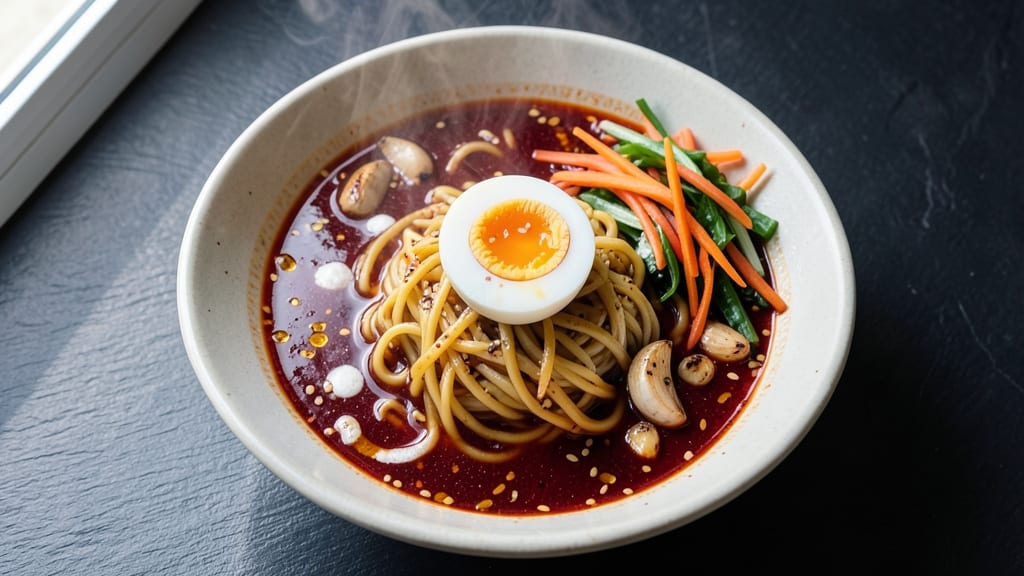
This spicy ramen with egg recipe delivers the perfect balance of bold heat, rich umami, and velvety egg yolks that transform a simple bowl into a restaurant-worthy experience.
The secret lies in building complex flavor through a layered broth—simmered with chili oil, miso, and aromatic spices—that coats every strand of noodle while keeping the texture perfectly chewy.
I've perfected this technique over years of testing, ensuring the egg remains silky and marbled rather than overcooked, so every bite is a harmonious blend of spice and richness.
What sets this recipe apart is the umami-packed broth, where chili oil and miso work together to create depth without overpowering the delicate egg.
The key technique is cooking the eggs just until the whites set but the yolks stay runny—adding them to the hot broth at the very end ensures they stay perfectly soft.
For extra authenticity, I recommend finishing with quick-pickled vegetables and scallions, which cut through the heat and add a refreshing crunch.
The result is a bowl that's visually stunning and packed with flavor—deep red broth swirling around chewy noodles, topped with a perfectly marbled egg and vibrant garnishes.
This version stays true to traditional ramen while offering a modern twist with the miso-spicy fusion, making it approachable for home cooks but impressive enough for guests. The best part? It comes together in under 30 minutes, with most of that time spent simmering the broth.
Whether you're craving a quick weeknight dinner or a weekend brunch centerpiece, this recipe delivers restaurant-quality results without the fuss. The balance of spice, umami, and silkiness makes it versatile enough to customize—add extra chili oil for heat lovers or a drizzle of sesame oil for nutty depth.
Let's get cooking!
Ingredients for spicy ramen with egg
Four servings of restaurant-quality ramen start with these umami-rich, heat-balanced ingredients.
| Ingredient | Amount | Notes |
|---|---|---|
| Dried Ramen Noodles 🍜 | 2 packages | Discard seasoning packets, use only noodles |
| Chicken Broth 💧 | 4 cups | Low-sodium preferred, homemade or quality store-bought |
| White Miso Paste 🍶 | 1 tbsp | High-quality, preferably organic |
| Chili Oil 🌶️ | 1 tbsp | High-quality, preferably homemade |
| Sesame Oil 🫒 | 1 tsp | Toasted, for finishing |
| Garlic Cloves 🧄 | 4 cloves | Minced, for aromatic depth |
| Fresh Ginger 🌿 | 1 tbsp | Grated, for zesty brightness |
| Large Eggs 🥚 | 4 whole | Fresh, cold for silky yolks |
| Green Onions 🧅 | 3 whole | Thinly sliced, for garnish |
| Carrots 🥕 | 1 medium | Julienned, for quick-pickled garnish |
| White Rice Vinegar 🍶 | 1 tbsp | For pickling vegetables |
| Soy Sauce 🍶 | 1 tbsp | For pickling vegetables |
| Salt 🧂 | 1 tsp | Kosher or sea salt |
| Black Pepper 🌶️ | ½ tsp | Freshly ground for heat |
| Red Chili Flakes 🔥 | ½ tsp | Adjust for desired spice level |
The miso and chili oil are non-negotiable for that signature umami-spice balance. Look for high-quality white miso at specialty stores like Whole Foods or Trader Joe's—the paste should be smooth and free of graininess. For chili oil, homemade versions with Sichuan peppercorns elevate the dish, but quality store-bought options like La Choy work in a pinch. The chicken broth should be rich but not salty—homemade or low-sodium store-bought is ideal. Fresh ginger and garlic are essential for depth, so don't substitute with powdered versions. The carrots for pickling should be firm and vibrant, not soft or wilted.
No miso? Substitute with an extra tablespoon of soy sauce, though the flavor won't be identical. Short on chili oil? Mix 1/2 teaspoon gochujang with 1 teaspoon sesame oil for a similar kick. The eggs must be fresh and cold—room temperature eggs will overcook in the hot broth. For the pickled vegetables, use any crunchy veggie you like—daikon radish or cucumber work beautifully. The ramen noodles should be fresh and chewy—discard the seasoning packets, as they're far too salty for this balanced broth.
Store the miso paste in the fridge after opening—it keeps for 6-12 months this way. Chili oil can be refrigerated for 3 months, though it'll thicken slightly. The pickled vegetables stay crisp for 3 days in the fridge, so make them fresh before serving. For egg prep, use a separate bowl of ice water—this keeps them perfectly cold until cooking. The broth can be made ahead and reheated gently; just add fresh noodles and garnishes when serving.
Why You'll Love This Recipe
- Pantry Magic: I swear by this one—open the fridge, grab what’s there, and boom. The miso and chili oil transform basic broth into something rich and fiery without a single fresh herb. My lazy nights thank me every time.
- Umami Bomb: That white miso paste? It’s the MVP. One spoonful turns bland broth into a deep, savory base that pairs perfectly with the chili oil’s heat and the egg’s silky center. Honestly, I’ve made it three ways, and this combo always wins.
- Weeknight Workhorse: Double the broth, halve the effort. Cook a big batch on Sunday, and you’ve got lunch or dinner covered all week—just reheat and crack an egg on top. (Yes, even on a Tuesday night when takeout feels like work.)
- Budget Spice: Chili oil and sesame oil stretch a dollar further than you’d think. A few drops of each elevate the whole dish, and the ramen noodles? They’re cheaper than takeout but way more satisfying. My wallet and taste buds agree.
Step-by-step instructions for spicy ramen with egg
Transform simple ingredients into restaurant-quality ramen with deep umami flavor and silky egg yolks.
Prepare the Quick-Pickled Vegetables
In a small bowl, combine the julienned medium carrot, sliced green onions, 1 tablespoon white rice vinegar, 1 tablespoon soy sauce, ½ teaspoon red chili flakes, and ½ teaspoon black pepper. Let this mixture marinate at room temperature for at least 10 minutes while you prepare the broth. The acid from the vinegar will brighten the vegetables, while the chili flakes and soy sauce add layers of complexity.
Stir occasionally during the marinating time to ensure even distribution of flavors. The vegetables should develop a slight sheen and become more vibrant in color. This preparation step might seem minor, but it elevates the dish by adding freshness and contrast to the rich ramen broth.
Build the Umami-Packed Broth
In a large pot, combine the 4 cups chicken broth, 1 tablespoon white miso paste, and 1 tablespoon chili oil. Bring to a gentle simmer over medium heat. Add the minced 4 cloves garlic and 1 tablespoon grated fresh ginger, stirring to incorporate. Let the broth simmer uncovered for 5 minutes to allow the aromatics to infuse and develop flavor.
I like to taste the broth at this stage to assess the seasoning. The miso paste should add a deep, savory note while the chili oil introduces heat. If needed, adjust with additional salt or red chili flakes, but the miso typically provides enough umami on its own. Keep the broth at a gentle simmer - too vigorous a boil will dissipate the delicate aromatics.
Cook the Ramen Noodles
While the broth simmers, prepare the 2 packages dried ramen noodles according to package instructions but use the prepared broth instead of water. Cook until the noodles are al dente - about 2 minutes less than package instructions suggest. Drain the noodles, reserving 1 cup of the cooking liquid for later use.
The key here is not to overcook the noodles. They should have a slight bite to them when you test them. The reserved cooking liquid contains valuable starch that will help create a silky sauce when combined with the egg later. Don't rinse the noodles - the starch coating helps the sauce cling beautifully.
Prepare the Silky Eggs
Fill a deep skillet or wok with about 2 inches of water and bring to a gentle simmer over medium-low heat. Crack the 4 whole large eggs into small bowls or ramekins. The water should be hot but not boiling vigorously - you want to poach the eggs gently to maintain their silky texture.
Once the water reaches a gentle simmer, carefully lower the eggs into the water using a slotted spoon. Poach for exactly 3 minutes for runny yolks or 4 minutes for slightly firmer yolks. The eggs should float to the surface as they cook. Remove them with a slotted spoon and drain on paper towels, keeping them warm until ready to serve.
Assemble and Finish the Ramen
Divide the cooked noodles among 4 bowls. Ladle the hot broth over the noodles, reserving some to create a sauce. Add the quick-pickled vegetables to each bowl. In a small saucepan, combine ½ cup of the reserved broth with 1 teaspoon sesame oil over low heat. Whisk in 1 tablespoon of the reserved noodle cooking liquid to create a silky sauce.
Drizzle this sauce over each serving, then place a poached egg on top of each bowl. The contrast between the silky egg yolk, the umami-rich broth, and the bright pickled vegetables creates a perfect balance of flavors. Serve immediately while the egg is still warm and the noodles are fresh from the pot.
Pro Tips For Making Spicy Ramen With Egg
- Bloom the Miso: Whisk that white miso paste into warm broth first—never straight into cold liquid. I learned this the hard way when my ramen turned clumpy and bitter; 30 seconds of gentle whisking in simmering broth dissolves it smoothly. Trust me, your bowl will taste richer for it.
- Egg First, Then Noodles: Drop the raw egg into the broth before adding the cooked noodles—it’ll poach perfectly in the heat. I used to scramble it on top afterward, but this method gives you that silky, runny center every time, like a proper ramen egg.
- Simmer, Don’t Boil: Keep the broth at a gentle simmer (tiny bubbles, not a rolling boil) once the miso and chili oil are added. Boiling burns the miso’s depth and scatters the chili oil’s heat unevenly. Lower the heat and let it marry for 2 minutes—your taste buds will notice the difference.
- Toast the Noodles Dry: Drain the ramen, then spread the noodles on a dry pan over medium heat for 30 seconds—just until they’re fragrant and slightly crisp. This cuts the soggy texture and makes them absorb the spicy broth like a dream. (Yes, even if you’re impatient like me.)
Regional styles of this dish
Japanese Tonkotsu Style
For a creamy, pork-broth twist, replace the chicken broth with 4 cups tonkotsu ramen broth (simmered pork bones for 12-16 hours). Add 1 tablespoon doubanjiang (spicy fermented bean paste) instead of miso for a Sichuan-Japanese fusion flavor.
Use 2 tbsp chili crisp (not chili oil) for a crispier heat. Garnish with thinly sliced scallions and a sprinkle of toasted sesame seeds for texture. 🌶️
Korean Spicy Ramen
Transform this into spicy Korean ramen by swapping miso for 2 tbsp gochujang (Korean chili paste) and adding 1 tbsp soy sauce for depth. Stir in 1 tbsp honey or 1 tsp sugar to balance the heat.
Top with quick-pickled radish (replace carrots) and kimchi for tangy crunch. Serve with a side of ssamjang (Korean dipping sauce) for extra richness.
Taiwanese Chili Oil Ramen
Taiwanese-style ramen relies on homemade chili oil with Sichuan peppercorns for a tingling, numbing heat. Use 1 tbsp of this chili oil in the broth and add 1 tsp of white pepper for depth.
Garnish with crispy garlic bits (fry 4 minced garlic cloves in oil until golden) and cilantro. The egg should be marbled (swirl yolks with a spoon before serving) for authenticity. ✨
Thai-Inspired Tom Yum Ramen
Infuse the broth with Thai flavors by adding 1 stalk lemongrass (bruised), 2 slices galangal, and 1 tbsp fish sauce alongside the miso. Use 1 tbsp shrimp paste (kapi) for umami. Garnish with lime wedges, Thai basil, and crushed peanuts for texture.
Serve with a spicy chili-lime dip (mix 1 tbsp lime juice, 1 tsp chili flakes, and 1 tsp fish sauce).
American BBQ Ramen
For a smoky, sweet-spicy twist, replace miso with 2 tbsp BBQ sauce (like Sweet Baby Ray's) and add 1 tbsp smoked paprika to the broth. Top with pulled pork (shred ½ lb cooked pork shoulder) and pickled jalapeños.
Finish with a drizzle of honey and crushed peanuts for crunch. This version works great as a weeknight dinner with minimal prep.
Vegetarian Miso Ramen
Skip the chicken broth and use 4 cups kombu dashi (seaweed broth) or vegetable broth instead. Replace the egg with soft tofu (silken tofu poached in the broth for 3 minutes).
Add shiitake mushrooms (sautéed) and bok choy for depth. Use 1 tbsp nutritional yeast to boost umami. Garnish with sesame seeds and green onions for freshness. 🌱
Nutrition facts
Frequently asked questions
How do I get the perfect silky egg yolk in my ramen?
Use fresh, cold eggs and poach them in gently simmering water for exactly 3 minutes for runny yolks. The key is keeping the water hot but not boiling vigorously—this prevents the eggs from overcooking. Add them to the hot broth just before serving so the heat keeps them warm but doesn't turn the yolks rubbery.
Can I make this ramen vegetarian?
Replace the chicken broth with kombu dashi or vegetable broth and swap the egg for soft tofu (poached for 3 minutes). Add umami with shiitake mushrooms and nutritional yeast, and garnish with sesame seeds and green onions. The flavor will still be rich and satisfying.
What if my ramen turns out too salty?
If the broth tastes too salty, dilute it by adding ½ cup hot water per bowl before serving. For noodles that absorbed too much salt, rinse them briefly in cold water (just 10 seconds) to remove excess seasoning, then drain well. The reserved cooking liquid helps balance flavors, so use it generously when creating the silky sauce.
How can I adjust the spice level?
Start with the ½ teaspoon red chili flakes in the recipe, then adjust to taste. For more heat, add an extra ½ teaspoon chili oil or a dash of gochujang. If it's too spicy, balance it with a drizzle of sesame oil or a spoonful of pickled vegetables—the acidity helps cool the heat. Taste as you go!
Can I make the broth ahead of time?
Yes! The broth keeps well for 3 days refrigerated or 3 months frozen. Reheat gently on the stove, then add fresh noodles and garnishes when serving. For the best texture, avoid reheating the noodles—they'll turn mushy. Instead, cook fresh noodles in the reheated broth.