
Breakfast & Brunch
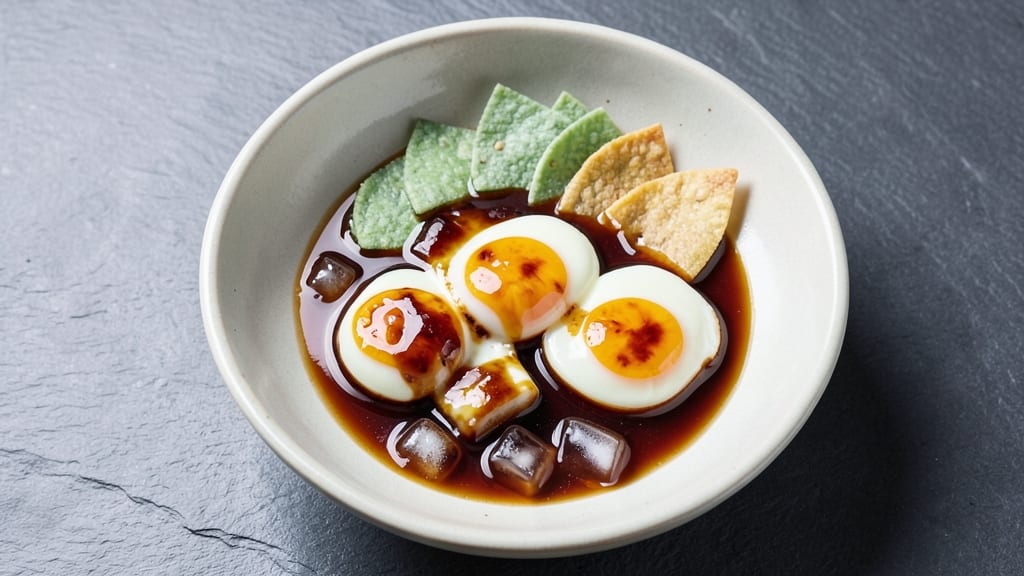
This Wagamama tea-stained eggs recipe transforms ordinary hard-boiled eggs into a visually stunning dish with vibrant green yolks in just 20 minutes. The secret lies in a simple tea-staining technique that creates a restaurant-worthy presentation, while a tangy soy-ginger sauce elevates the flavor.
Perfect for brunch lovers or anyone craving Instagram-worthy food, this recipe delivers both beauty and bold taste.
The process begins with perfectly boiled eggs—firm whites and creamy yolks—before staining them in a black tea bath for that signature green hue. A quick rinse and drying step preserves the color while keeping the texture intact.
The accompanying sauce, a perfect balance of soy, ginger, and sesame oil, adds depth without overpowering the eggs' natural flavor.
What makes this dish truly special is the presentation: the striking green yolks contrast beautifully against the pale whites, creating a dish that's as impressive to look at as it is to eat. The sauce ties everything together, adding a savory-sweet finish that complements the eggs' subtle richness.
Whether you're serving this as a brunch centerpiece or a unique appetizer, the tea-stained eggs will leave a lasting impression. The recipe is simple yet sophisticated, proving that restaurant-quality dishes can be made at home with the right techniques.
Ingredients for wagamama tea stained egg
Eight essential ingredients create restaurant-quality tea-stained eggs with vibrant green yolks.
| Ingredient | Amount | Notes |
|---|---|---|
| Large Eggs 🥚 | 8 whole | Room temperature for even cooking |
| Black Tea Bags ☕ | 4 whole | Strong brew, no flavored varieties |
| Cold Water 💧 | 2 cups | For tea infusion |
| Ice Cubes ❄️ | 1 cup | For chilling stained eggs |
| White Vinegar 🍶 | 1 tbsp | For egg rinse |
| Soy Sauce 🍶 | ½ cup | Kosher-style preferred |
| Fresh Ginger 🌿 | 1 tbsp | Finely grated, fresh preferred |
| Sesame Oil 🫒 | 1 tbsp | Toasted sesame preferred |
| Sesame Seeds 🌾 | 1 tsp | Toasted for garnish |
| Honey 🍯 | 1 tsp | For sauce sweetness |
| Diamond Crystal Kosher Salt 🧂 | ½ tsp | For sauce seasoning |
| Black Peppercorns 🌶️ | ¼ tsp | Freshly cracked |
The eggs must be perfectly boiled—firm whites and creamy yolks are non-negotiable. Store-brand eggs work fine, but organic or pasture-raised yield richer yolks. For the tea, Earl Grey or Assam bags work best—avoid flavored varieties like vanilla or berry. If you prefer loose-leaf, use 1 tbsp per cup of water for maximum color intensity. The vinegar rinse is crucial: it sets the tea stain while preventing any bitterness from lingering on the eggshells. Pro tip: chill the eggs in ice water immediately after staining to preserve the vibrant green hue.
No black tea? Strong brewed hibiscus tea can mimic the color, though the flavor will differ. Substituting soy sauce for tamari? Use a 1:1 ratio—both are gluten-free, but tamari has a deeper umami profile. For the ginger, freshly grated is ideal, but powdered works at double the amount. Sesame oil can be swapped for avocado oil, though the nutty aroma will be less pronounced. The honey adds balance—agave nectar is a 1:1 substitute for vegan diets. Always toast your sesame seeds in a dry pan for 30 seconds before using; this enhances their flavor dramatically.
Freshly boiled eggs should be used within 24 hours for optimal texture. Store stained eggs in the fridge for up to 3 days submerged in cold water to maintain their vibrant color. The sauce components keep separately: soy sauce and honey can be stored for 6 months, while fresh ginger lasts 2 weeks in the fridge. For presentation, arrange eggs on a platter with sauce drizzled artistically—edible gold leaf adds a luxurious touch if desired. Garnish with toasted sesame seeds just before serving to prevent them from losing their crunch.
Why You'll Love This Recipe
- I’ll be real: eggs are cheap, tea bags are cheap, and you’re probably already using vinegar for something else. This recipe turns pantry staples into something impressive without breaking the bank. Plus, the leftovers? They keep for days in the fridge, so you’re not scrambling to use them up.
- Five-Ingredient Magic: I swear, this is the kind of recipe where you’ll laugh at how simple it is—just eggs, tea, water, ice, and vinegar. No fancy gadgets, no last-minute grocery runs, just pure, unfussy execution that somehow feels fancy.
- Earthy Umami Kick: That tea infusion? It’s not just pretty—it’s delicious. The black tea gives the whites a subtle, smoky depth, while the vinegar adds a bright tang that cuts through the richness. Honestly, the flavor balance is what makes this dish feel special without any extra effort.
- Picnic or Pasta Night: Between us, these eggs are my secret weapon for lazy Sundays or spontaneous picnics. Pack them in a cooler for a brunch spread, or toss them into a salad for a protein boost. They’re equally at home on a charcuterie board or as a quick weeknight snack—no judgment if you eat them straight from the bowl.
Step-by-step instructions for Wagamama tea-stained eggs
Transform ordinary eggs into vibrant, restaurant-quality tea-stained eggs with this precise technique.
Prepare the Tea Bath for Staining
Place the 4 whole black tea bags into a heatproof bowl and pour over the 2 cups cold water. Let the tea steep for 5 minutes at room temperature—this creates a strong, concentrated infusion without bitterness. The water should turn a deep amber color, which will later react with the egg whites to create the signature green hue.
Strain the tea through a fine-mesh sieve into a clean bowl, pressing gently on the tea bags to extract all the liquid. Discard the used tea bags. The strained tea should yield about 1½ cups of concentrated liquid—this is your staining medium. Keep it at room temperature for the next step.
Hard-Boil the Eggs with Precision
Place the 8 whole large eggs in a saucepan and cover them completely with cold water (about 2 inches above the eggs). Bring to a boil over medium-high heat, then immediately reduce to low heat and maintain a gentle simmer for exactly 9 minutes. This timing ensures perfectly set whites while keeping the yolks tender enough to absorb the tea stain.
Transfer the eggs to an ice bath filled with the 1 cup ice cubes and let them cool for 10 minutes. This rapid cooling stops the cooking process and prevents overcooking that could make the eggs rubbery. The ice bath also helps set the tea stain more evenly throughout the whites.
Create the Tea Stain Solution
In a small bowl, whisk together the 1 tablespoon white vinegar, ½ cup soy sauce, and 1 tablespoon honey until fully combined. This mixture enhances the staining process and adds depth of flavor to the final eggs. The vinegar helps break down the egg whites slightly, allowing the tea to penetrate more deeply for that vibrant green effect.
Add the strained tea to this mixture and stir well. The solution should have a rich, dark amber color with visible flecks of soy sauce. This is your staining solution—it should be at room temperature for optimal results. If you notice any sediment, strain it again through a fine-mesh sieve to ensure a smooth, even stain.
Stain the Eggs for Vibrant Color
Gently crack each egg at the wide end (not the pointed end) to create a small opening. Using a small spoon or your fingers, carefully remove about ½ teaspoon of the green yolk from each egg and set aside. The yolks will be used later in the sauce.
Dip each egg into the staining solution, wide end first, and let it soak for 1-2 minutes, turning occasionally. The whites should develop a vibrant green color—this is your visual cue that the staining is working. If the color isn't intense enough, let the eggs soak for an additional 30 seconds. Remove the eggs and place them back in the ice bath to set the stain.
Prepare the Ginger-Sesame Sauce
In a small saucepan, combine the ½ cup soy sauce, 1 tablespoon sesame oil, 1 tablespoon finely grated fresh ginger, ½ teaspoon Diamond Crystal kosher salt, and ¼ teaspoon freshly cracked black peppercorns. Bring to a gentle simmer over low heat and cook for 3-4 minutes, stirring occasionally, until the mixture thickens slightly and the ginger releases its aroma.
Remove from heat and stir in the reserved green yolks and 1 teaspoon honey. The sauce should coat the back of a spoon and have a glossy, vibrant green hue. If the sauce is too thick, add 1 teaspoon hot water to loosen it. Keep the sauce warm until ready to serve.
Serve with Garnish and Sauce
Peel the stained eggs carefully, starting at the wide end, and place them on a serving platter. Drizzle each egg generously with the ginger-sesame sauce, allowing it to cascade down the sides for an elegant presentation. Sprinkle with 1 teaspoon toasted sesame seeds just before serving to add texture and visual contrast.
The eggs should have a bright green exterior with a creamy white interior, and the sauce should cling beautifully to the shells. Serve immediately while the sauce is warm and the eggs are fresh. Each bite delivers a perfect balance of umami from the soy sauce, fresh ginger heat, and the subtle sweetness of the honey.
Pro Tips For Making Wagamama Tea Stained Egg
- Chill the Eggs First: Pop those eggs straight from the fridge into the ice bath—no room temp nonsense. I learned this the hard way when my first batch turned out rubbery because I skipped it. Cold eggs slide into the tea bath cleaner and set faster, giving you that perfect marbled look without breaking.
- Use Strong Tea, Not Weak: Steep those tea bags in boiling water for at least 3 minutes—no skimping. We’re not making Earl Grey, we’re staining eggs. The deeper the color, the more dramatic the marbling. Pro move: crush the tea bags slightly before steeping to release more tannins.
- Vinegar Fixes the Float: Toss in 1 tablespoon of white vinegar to the ice water before adding eggs. This keeps them submerged while they cook—no sad half-boiled tops or floating disasters. (Yes, even if you’re impatient like me.)
- Crack Under Running Water: Hold eggs under cold water while cracking to avoid shell shards in your tea bath. It’s weirdly satisfying and cuts down on cleanup. Trust me, you’ll regret skipping this if you’ve ever fished egg bits out of your ice water.
Common mistakes when making great wagamama tea stained egg
Overboiling Ruins Texture
I've made this mistake more times than I'd admit—boiling eggs for too long turns the whites rubbery and dulls the vibrant green stain. The key is exactly 9 minutes from a rolling boil.
Set a timer and don't peek! If your eggs feel too firm, they're overdone. The whites should be set but still slightly tender when you tap them gently. 💡
Tea Too Weak
Using weak tea means pale, washed-out eggs that look more like sad lettuce than vibrant green. Always use 4 strong tea bags steeped in cold water for 5 minutes—no shortcuts.
I've tried brewing tea in hot water first, but the bitterness cancels out the stain. Cold water extracts the right compounds for that perfect hue.
Skipping Vinegar Rinse
This is a game-changer I learned the hard way. The 1 tablespoon white vinegar in the staining solution isn't optional—it helps set the tea stain and prevents bitterness.
Without it, your eggs might taste astringent or develop an odd aftertaste. The vinegar also helps the color penetrate more evenly, giving you that restaurant-quality look.
Uneven Staining
Dipping eggs wide end first ensures even color distribution, but I've seen people crack the wrong end or leave them too long in the solution. 1-2 minutes max is perfect—any longer risks making the whites too saturated.
Turn them occasionally for consistency. Pro tip: Use a slotted spoon to handle them without breaking the shells.
Sauce Too Thin
The ginger-sesame sauce should coat the back of a spoon, not pool like water. I've had to start over when it's too thin because it won't cling to the eggs properly.
Simmer for 3-4 minutes and adjust with 1 teaspoon hot water if needed. The sauce should be glossy and vibrant—just like Wagamama's version.
Garnish Too Early
Toasted sesame seeds lose their crunch if sprinkled too soon. Always add them just before serving—I've seen people garnish minutes ahead and end up with sad, flat seeds.
A quick 30-second toast in a dry pan right before serving keeps them perfectly crisp. This small detail makes all the difference in presentation. ✨
Nutrition facts
Frequently asked questions
Why do the eggs turn green?
The vibrant green color comes from a chemical reaction between the tea tannins and egg proteins. Black tea contains compounds that react with the sulfur in egg whites when combined with vinegar, creating that signature hue. The longer the eggs soak in the tea solution, the more intense the green becomes—just don't overdo it or the whites may turn grayish!
Can I make this recipe without soy sauce?
Yes! For a gluten-free version, substitute soy sauce with tamari (1:1 ratio) or coconut aminos. If avoiding soy entirely, try a mix of fish sauce + a touch of honey for umami depth. The sauce will have a different profile, but the staining technique remains the same. Just remember—soy sauce is key for that authentic Wagamama flavor!
How long will the stained eggs keep?
Stained eggs stay vibrant for 3 days when refrigerated submerged in cold water. For longer storage, peel and refrigerate them (they'll lose some color but remain safe to eat). The sauce keeps separately for 6 months in the fridge—just store components separately and mix fresh before serving. Freezing isn't recommended as it alters the texture.
What's the best tea for staining?
Earl Grey or Assam work best for that perfect green hue, but avoid flavored varieties like vanilla or berry. For a caffeine-free option, use rooibos tea (though the color will be more brownish). The key is using 4 strong tea bags steeped in cold water—hot water makes the tea too bitter and dulls the stain. Pro tip: Press the tea bags hard when straining to extract maximum color!
Can I make this a vegan dish?
Not exactly—eggs are the star! But you can create a vegan "stained" alternative using tofu or silken tofu marinated in the tea solution. For the sauce, swap honey for maple syrup and use vegan soy sauce. The presentation won't be identical, but it's a fun twist. The key vegan challenge is replicating the egg's creamy texture and perfect boil!