
Main Courses
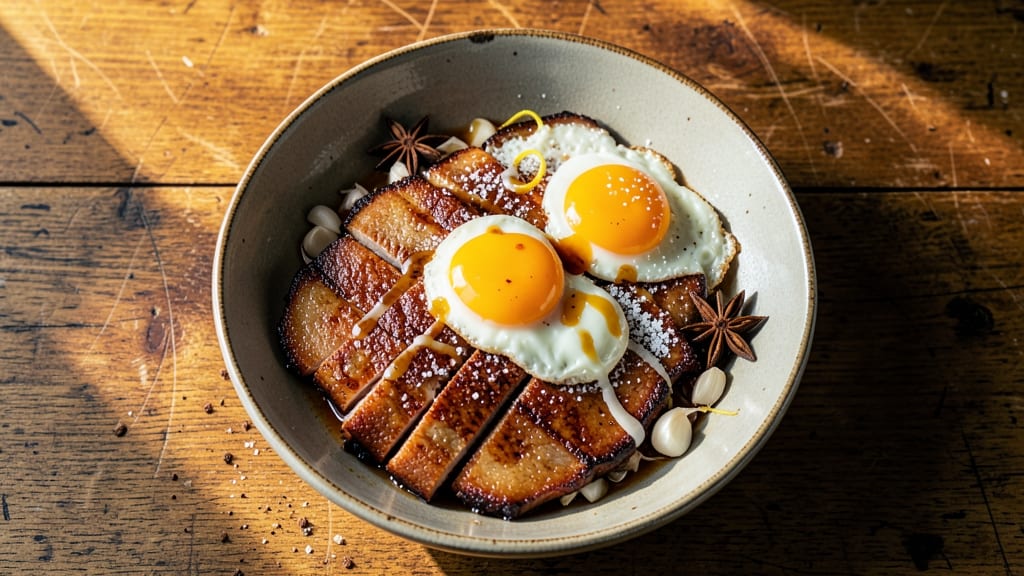
This Vietnamese pork belly and egg recipe delivers the perfect balance of crispy edges and silky yolk ribbons, inspired by my time studying Southeast Asian cuisine. The secret lies in slow-braising the pork belly until tender, then finishing it with a quick sear for that coveted crackling crust.
I first encountered this technique during a culinary exchange in Hanoi, where I learned how the right balance of sugar and fish sauce transforms simple ingredients into something extraordinary.
What sets this dish apart is the harmony between textures and flavors—meltingly tender pork belly, perfectly poached eggs with runny yolks, and a glossy caramelized glaze that ties everything together.
The recipe calls for just a few key ingredients: thick-cut pork belly, eggs, fish sauce, sugar, and aromatics like garlic and star anise. I’ve simplified the process without sacrificing authenticity, so you can achieve restaurant-quality results in your own kitchen.
By the time you serve this dish, your table will be filled with the aroma of caramelized pork and fragrant fish sauce, while the crispy edges of the belly contrast beautifully with the silky yolk ribbons.
This is the kind of meal that feels special—whether you’re hosting a dinner party or treating yourself to a weeknight indulgence. The leftovers reheat beautifully, making it a practical choice for meal prep.
Serve it with steamed jasmine rice and a side of quick-pickled vegetables to balance the richness. The combination of textures and flavors will transport you straight to a bustling Hanoi street market. Let’s get cooking—this dish is a game-changer for pork lovers.
Ingredients for vietnamese pork belly and egg
Thick pork belly, silky eggs, and fragrant aromatics create this Hanoi-inspired masterpiece.
| Ingredient | Amount | Notes |
|---|---|---|
| Thick-Cut Pork Belly 🥓 | 1 ½ lb | Skin-on, cut into 1-inch slices |
| Large Eggs 🥚 | 4 whole | Fresh, room temperature |
| Reduced Fish Sauce 🍶 | ½ cup | High-quality, like Red Boat |
| Granulated White Sugar 🍚 | ¼ cup | For caramelizing glaze |
| Garlic Cloves 🧄 | 6 cloves | Minced, peeled |
| Star Anise Pods 🌿 | 2 whole | Lightly crushed |
| Fresh Ginger 🧅 | 1 ½ oz | Peeled, julienned |
| Coconut Oil 🫒 | ¼ cup | For searing |
| Neutral Oil 🫒 | ½ cup | Like vegetable or canola |
| Jasmine Rice 🌾 | 2 cups | Uncooked, for serving |
| Diamond Crystal Kosher Salt 🧂 | 1 ½ tsp | For seasoning |
| Black Peppercorns 🌶️ | ½ tsp | Freshly cracked |
| Lime Wedges 🍋 | 2 whole | For serving |
| Fresh Cilantro 🌿 | ¼ cup | Chopped, for garnish |
The pork belly is non-negotiable here—look for thick cuts with good marbling at Whole Foods or your local Asian market. Red Boat fish sauce is worth the splurge for that authentic umami punch, but Three Crabs works too. Fresh ginger and star anise are key for the aromatic base; if your market has dried star anise pods, grind them lightly for extra depth. I always grab extra lime wedges—they brighten up every bite and keep for weeks in the fridge. For the eggs, room temperature is crucial for perfect poaching.
No Red Boat fish sauce? Three Crabs or Squid Brand are solid alternatives. Subbing out the star anise? 1 tsp ground cinnamon gives a similar warmth. The sugar can be swapped for brown sugar if you prefer a deeper caramel flavor. If you can't find thick-cut pork belly, ask the butcher to slice a regular cut into 1-inch pieces. The coconut oil is for searing—use unrefined for best flavor. For the rice, jasmine is traditional, but basmati works too if that's what you've got.
Pork belly keeps 3-4 days in the fridge, wrapped tightly in parchment. The fish sauce and sugar glaze can be made ahead—store in a sealed jar for up to 2 weeks. Eggs should be used within 2 days for best poaching. Garnishes like cilantro and lime stay fresh for 5 days if wrapped in damp paper towels. This dish reheats beautifully—just warm gently in a pan with a splash of water to restore crispiness.
Why You'll Love This Recipe
- One-Pan Magic: I swear by this trick—just sear the pork belly until it’s golden, crack eggs right over the top, and let the residual heat cook them. No flipping, no fuss, no extra dishes. That crispy skin stays intact while the eggs poach perfectly in the rendered fat.
- Umami Bomb: The fish sauce and sugar combo is chef’s kiss—sweet, salty, funky all at once. The pork belly soaks up that glaze like a sponge, and when you top it with a runny yolk, it’s like liquid gold. Honestly, I’ve made this for people who “don’t like fish sauce,” and they’re hooked.
- Leftover Hero: This dish actually improves the next day. The pork belly gets even more tender, and the eggs? Reheat them gently, and they’re like little custardy clouds. I pack it for lunch—no sad soggy sandwiches here.
- Budget Power Move: Pork belly is rich but not pricey if you buy in bulk, and eggs? Versatile as hell. A single pan of this feeds four for under $15, and the leftovers stretch into stir-fries or rice bowls. My wallet and my family thank me every time.
Step-by-step instructions for Vietnamese pork belly and egg
Let's create a dish where crispy pork belly meets silky egg ribbons—every bite delivers perfect texture contrast.
Prepare the Pork Belly for Maximum Crisp
Pat the 1.5 lb thick-cut pork belly completely dry with paper towels, pressing firmly to remove all moisture. This is critical for that signature crackling crust. Cut the belly into 1-inch thick slices and set them aside on a plate. In a small bowl, whisk together 0.5 cup reduced fish sauce, 0.25 cup granulated white sugar, 6 cloves minced garlic, 2 lightly crushed star anise pods, and 1.5 oz julienned fresh ginger. This marinade will tenderize the meat while adding depth of flavor.
Pour the marinade over the pork slices and let them soak for at least 30 minutes at room temperature. I like to turn the slices occasionally so the marinade penetrates evenly. This step ensures the pork develops that irresistible caramelized crust while staying juicy inside.
Render Fat and Sear the Pork to Golden Perfection
Heat a heavy skillet (cast iron works best) over medium heat and add 0.25 cup coconut oil and 0.5 cup neutral oil. Let the oil heat until it shimmers but doesn't smoke—around 350°F. Working in batches if needed, add the marinated pork slices and let them sear undisturbed for 4-5 minutes per side until the skin becomes deep golden brown and crispy.
Here's the thing—don't rush this step. You'll know it's ready when the pork releases easily from the pan with a gentle shake. Transfer the cooked pork to a plate lined with paper towels to drain excess oil, but leave it in the same skillet for now. The rendered fat will become the foundation of our glaze.
Create the Glazing Sauce and Cook the Eggs
Return the skillet to medium heat and add the pork marinade along with any accumulated juices. Let it simmer for 3-4 minutes until it reduces by half and becomes slightly syrupy. This creates our glaze—it should coat the back of a spoon with a glossy sheen. Remove from heat and set aside.
While the sauce reduces, prepare the eggs. Crack 4 whole large eggs into a bowl and whisk them lightly—just until the yolks and whites are combined. The eggs should be at room temperature for even cooking. This is where the magic happens: the silky yolk ribbons will contrast perfectly with the crispy pork.
Assemble and Serve with Jasmine Rice
Cook the 2 cups jasmine rice according to package instructions until just tender—it should have a slight bite. While the rice cooks, heat a clean skillet over low heat. Add a thin layer of neutral oil and carefully pour in the whisked eggs, tilting the pan to create a thin, even layer. Cook for 2-3 minutes until the edges just begin to set but the center remains runny.
Remove the skillet from heat and immediately place a seared pork slice on top of the egg layer. Spoon the glaze evenly over the pork and egg, then quickly fold the egg into ribbons around the pork. Serve immediately over the jasmine rice, garnished with 0.25 cup chopped fresh cilantro and a squeeze of lime wedges. The contrast of crispy pork, silky eggs, and fragrant rice makes every bite unforgettable.
Pro Tips For Making Vietnamese Pork Belly And Egg
- CRACK THE BELLY FIRST: Skip the knife—use a meat mallet to pound the pork belly to an even ½-inch thickness. This ensures crispy edges without burning the center, and saves you from fighting uneven cooking later. (Yes, it’s messy, but worth it.)
- SALT THE BELLY OVERNIGHT: Don’t rush this. Lay the pork belly on a rack, pat it dry, and coat it with 1 tablespoon of salt per pound. Let it sit uncovered in the fridge for 12–24 hours—this breaks down the fat and keeps it from shrinking into a greasy block when fried.
- STOP WHEN EGGS ARE JUST SET: The moment the egg whites go from runny to firm but still slightly wobbly, pull them out. Overcooking turns them rubbery, and you’ll end up with a sad, dry bite. Test with a toothpick—it should come out clean but with a little resistance.
- USE COLD FISH SAUCE: Chill the reduced fish sauce in the fridge for 30 minutes before drizzling it over the hot pork belly. The cold sauce cuts through the richness and prevents the dish from tasting flat or overly salty. (Trust me, your taste buds will notice the difference.)
Perfect pairings for this dish
Rice Pairings
Jasmine rice is the traditional choice here—its delicate floral aroma complements the rich pork and silky eggs beautifully. Cook 2 cups with 3 cups water for perfectly tender grains.
For extra fluffiness, rinse the rice 2-3 times before cooking to remove excess starch. I often add a pinch of salt to the cooking water for subtle seasoning. 🌾
Pickled Vegetables
Quick-pickled carrots and daikon radish add a bright, tangy contrast to the rich pork. Thinly slice 1 cup carrots and ½ cup daikon, then pack into a jar with ½ cup rice vinegar, 1 tbsp sugar, and ½ tsp salt.
Let sit for at least 30 minutes before serving. The acidity cuts through the fat beautifully.
Herb Garnishes
Fresh cilantro and Thai basil elevate this dish with their bright, aromatic notes. Chop ¼ cup cilantro and 2 tbsp Thai basil for garnish. For extra depth, add a few mint leaves—just a handful goes a long way.
I like to sprinkle these herbs right before serving to preserve their freshness. 🌿
Dipping Sauces
For extra indulgence, serve with a side of hoisin sauce or a homemade fish sauce dip. Mix 2 tbsp hoisin with 1 tsp lime juice and ½ tsp chili flakes for a sweet-spicy contrast. The umami richness of the pork pairs perfectly with these dipping options.
Drink Pairings
Light Vietnamese iced coffee or a crisp lychee soda balances the richness of the dish. For beer lovers, a Sapporo or Asahi lager provides a clean, refreshing contrast. Avoid heavy beers—they’ll overpower the delicate flavors. 🍶
Side Salads
A simple green papaya salad adds crunch and acidity. Shred 1 cup green papaya, toss with 1 tbsp lime juice, ½ tsp sugar, and ¼ tsp salt. The fresh, slightly spicy notes complement the pork beautifully while cutting through the richness. 🥗
Nutrition facts
Frequently asked questions
Can I substitute pork belly with another cut of pork?
The beauty of this recipe lies in the pork belly's fat content, which creates that signature crispy skin. For best results, stick with thick-cut belly. In a pinch, you could use pork shoulder (cut into 1-inch slices), but it won't achieve the same crackling texture. If you must substitute, trim excess fat and increase marinating time to 1 hour for better flavor penetration.
How do I get the perfect crispy skin on the pork belly?
Dry the pork thoroughly with paper towels—this is non-negotiable! Pat it until it's completely bone dry, then let it sit at room temperature for 30 minutes before cooking. Use a heavy skillet (cast iron is ideal) and heat the oil to 350°F—if it smokes, it's too hot. Sear undisturbed for 4-5 minutes per side until deep golden brown. The secret? Don't move it until it releases easily with a gentle shake.
Can I make this dish ahead of time?
Cook the pork belly and glaze up to 2 days ahead and store in an airtight container. Reheat gently in a pan with a splash of water to restore crispiness. For the eggs, poach them fresh—they won't hold their silky texture when reheated. Assemble the dish just before serving for the best results. The leftovers reheat beautifully with jasmine rice and pickled vegetables.
What's the best way to poach the eggs for silky yolk ribbons?
Use room-temperature eggs for even cooking. Bring a pot of water to a gentle simmer (not a rolling boil) and add 1 tbsp vinegar per quart of water. Crack eggs into a bowl first, then slide them into the water. Poach for 3-4 minutes for runny yolks. Remove with a slotted spoon and drain on paper towels. The key is low heat—if the water boils, the whites will toughen and the yolks may break.
Is there a vegetarian version of this dish?
While this dish is rooted in pork belly, you can create a vegetarian adaptation using extra-firm tofu or mushroom duxelles. Press tofu to remove moisture, then marinate in the fish sauce-sugar mixture and sear until crispy. For the "egg" element, use silken tofu ribbons or chickpea flour omelets. The glaze and aromatics remain the same, delivering that same umami-rich experience without meat.