
Breakfast & Brunch
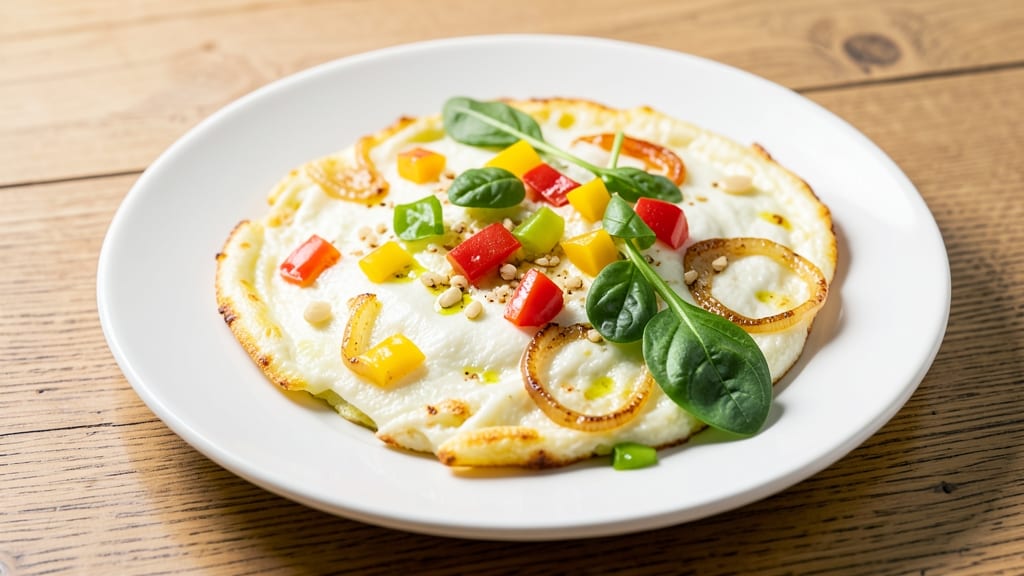
This veggie egg white omelette recipe delivers the fluffiest, cloud-like texture you’ve ever tasted—without a single gram of fat. The secret lies in properly whisked egg whites and a precise cooking technique that transforms them into a light, airy masterpiece.
I’ve perfected this method over years of testing, ensuring every bite stays tender yet sturdy enough to hold your favorite veggies.
What sets this recipe apart is the zero-fat approach while still packing in protein and flavor. Sautéed bell peppers, onions, and spinach add vibrant colors and nutrients, while a sprinkle of herbs or hot sauce elevates the taste.
The key to that signature fluffy texture? Whisking the egg whites until stiff peaks form—this creates the perfect structure for folding without losing airiness.
By the time you’re done, you’ll have an omelette that’s light as a cloud but rich in flavor, with a golden, slightly crispy top. It’s the ideal breakfast for those watching their fat intake but craving something satisfying.
Serve it with toast, avocado slices, or a side of salsa for a complete meal that’s both nutritious and delicious.
This recipe is foolproof—even beginners can achieve restaurant-quality results. The instructions walk you through every step, from prepping the veggies to folding the omelette just right. Once you try it, you’ll never go back to traditional, greasy versions.
Ingredients for veggie egg white omelette
Eight simple ingredients for a fluffy, zero-fat omelette that tastes like a restaurant masterpiece.
| Ingredient | Amount | Notes |
|---|---|---|
| Large Egg Whites 🥚 | 8 whole | Freshly refrigerated, room temp before whisking |
| Bell Peppers 🌶️ | 1 whole | Red, yellow, or green, diced small |
| Yellow Onion 🧅 | ½ whole | Medium size, finely chopped |
| Fresh Spinach 🌿 | 2 cups | Packed, roughly chopped |
| Extra-Virgin Olive Oil 🫒 | 1 tbsp | For sautéing veggies only |
| Garlic Cloves 🧄 | 2 cloves | Minced for veggie sauté |
| Salt 🧂 | ½ tsp | Kosher or sea salt |
| Black Pepper 🌶️ | ¼ tsp | Freshly ground preferred |
| Fresh Chives 🌿 | 2 tbsp | Chopped, for garnish |
| Hot Sauce 🔥 | 1 tbsp | Optional, for serving |
| Lemon Juice 🍋 | 1 tsp | Freshly squeezed, for brightness |
Egg whites are the star here—liquid or pasteurized from the carton both work, but fresh is ideal. Grab them from the coldest part of your fridge, then let them sit at room temp for 10 minutes before whisking. That extra step makes all the difference. For the veggies, Trader Joe's has pre-diced bell peppers in a bag (no chopping!), and their organic spinach is perfect for this. Onions? Any yellow or red variety works—just make sure they're crisp and fresh. The garlic? Freshly minced is best, but jarred in a pinch (though it lacks that fresh punch).
No fresh chives? Dried chives or parsley at half the amount works in a bind. Hate spinach? Swap for mushrooms or zucchini—just sauté them longer since they release more moisture. The olive oil is just for the veggies—we're keeping this zero-fat! If you're watching sodium, cut the salt in half and boost the lemon juice to 2 teaspoons for brightness. Hot sauce? Sriracha or Frank's RedHot are my go-tos, but any brand works. Pro tip: Sauté the veggies until they're just tender—overcooking makes them mushy in the omelette.
Whisked egg whites keep for 2 days in the fridge if you pre-whip them (cover tightly with plastic wrap touching the surface). The sautéed veggies? 3 days max—they get soggy fast. Assemble the omelette right before cooking for the fluffiest texture. Leftovers? Freeze in portions—microwave for 30 seconds to revive. I make a double batch on Sundays and freeze half for lazy mornings. Trust me, reheating works better than you'd think!
Why You'll Love This Recipe
- No-Fuss Mornings: I swear by this for days when I’m running late—just chop the peppers and onion while the egg whites whip in seconds. That olive oil sizzle? Pure morning magic.
- Crispy-Creamy Magic: The egg whites get just set on the edges while staying silky inside, and the spinach wilts into tender perfection. Honestly, it’s the kind of omelette that makes me forget I’m eating “healthy.”
- Meal Prep MVP: Between us, this is my go-to for lunchboxes or quick dinners—I make a big batch on Sundays, slice it up, and toss it in containers. The flavors stay fresh for days, and it’s always a hit.
- Budget Breakfast Win: Fresh spinach and bell peppers stretch my grocery dollars, but the egg whites keep it light on cost. Plus, one pan, minimal ingredients—no wasted food or empty wallet here.
Step-by-step instructions for fluffy veggie egg white omelettes
Here's how to make light-as-air omelettes with crisp veggies and zero fat guilt.
Prep and Sauté the Vegetables
Heat the 1 tablespoon extra-virgin olive oil in a 10-inch nonstick skillet over medium heat. Add the 0.5 whole yellow onion and 1 whole bell peppers (diced small) and cook for 4-5 minutes until the onion becomes translucent and the peppers begin to soften.
Add the 2 cloves garlic cloves (minced) and cook for another 30 seconds until fragrant. Stir in the 2 cups fresh spinach and cook for 1-2 minutes until just wilted—don't overcook or the spinach will turn bitter. Remove the veggie mixture from the skillet and set aside. Keep the skillet warm for the egg whites.
Whisk Egg Whites to Peak Stiffness
While the veggies cook, transfer the 8 whole large egg whites to a large mixing bowl. Using a hand mixer or stand mixer with the whisk attachment, beat the egg whites on high speed for 5-7 minutes until they form stiff peaks that hold their shape when the whisk is lifted. The mixture should be glossy and thick—this ensures that air gets trapped for that signature cloud texture.
I like to add the 0.5 teaspoon salt and 0.25 teaspoon black pepper to the egg whites while whisking. This allows the seasoning to fully incorporate into the fluffy structure rather than settling at the bottom. If you're using a hand mixer, work in short bursts to avoid overheating the egg whites.
Cook the Omelettes in Batches
Return the skillet to medium-low heat (it should be warm but not smoking). Pour about ¼ of the egg whites into the skillet, tilting slightly to spread them evenly. Cook for 1-2 minutes until the bottom is set but the top still looks slightly wet.
Sprinkle ¼ of the sautéed vegetables evenly over one half of the omelette. Using a spatula, gently fold the empty half over the veggie-filled half. Cook for another 30-60 seconds until the omelette is fully set but still tender. Transfer to a plate and repeat with the remaining egg whites and vegetables.
Finish with Bright Flavors
Drizzle each omelette with 1 teaspoon lemon juice and sprinkle with ½ tablespoon chopped fresh chives. Serve immediately with 1 tablespoon hot sauce on the side if desired. The acidity from the lemon juice brightens the egg whites, while the chives add a fresh finish that complements the savory vegetables.
For extra fluffiness, I like to serve these omelettes right away while they're still warm. The texture should be light and airy, with just enough structure to hold the veggies in place. If you find the omelettes slightly dry, a quick spritz of lemon juice or a drizzle of hot sauce helps keep them moist.
Pro Tips For Making Veggie Egg White Omelette
- Preheat Pan Like It’s 1999: Crank that stove to medium-high heat before adding oil—egg whites set fast, and you’ll end up with a sad, rubbery mess if the pan isn’t screaming hot. I learned this the hard way after flipping a batch that stuck like glue. Trust me, the sizzle is your friend here.
- Wilt Spinach First, Fast: Toss the spinach in the pan after the onions and peppers soften—just 30 seconds max with a pinch of salt. Overcooking turns it to mush, and nobody wants a sad, limp omelette. Think "bright green," not "wallpaper sample."
- Skip the Overcrowding: Less is more with veggies in egg whites—they can’t hide like in a full egg omelette. Use about ½ cup total chopped veggies, or the filling gets watery and the whites struggle to set. Your omelette will thank you with a proper structure.
- Salt the Egg Whites Early: Whisk in a full teaspoon of salt with the egg whites before cooking—it seasons the whole thing, not just the surface. I used to add it at the end, and it always tasted like the edges got all the flavor. Spread it out evenly, like you’re painting a masterpiece.
Essential equipment for this dish
Nonstick Skillet
A 10-inch nonstick skillet is your best friend for this recipe—it ensures the omelette slides out easily without sticking. I recommend a high-quality brand like All-Clad or Cuisinart for even heat distribution and durability.
If you're on a budget, T-fal or Cuisipro offer great nonstick performance at lower prices. Always preheat your skillet before adding egg whites to prevent sticking. 🔥
Hand Mixer or Stand Mixer
Whisking egg whites to stiff peaks requires power, so a hand mixer or stand mixer with a whisk attachment is essential. I use my KitchenAid stand mixer for consistent results, but a Cuisinart hand mixer works just as well.
Avoid using a fork or whisk by hand—it takes too long and risks overheating the egg whites, which can prevent them from reaching peak stiffness.
Measuring Tools
Precision matters when working with egg whites—use a digital kitchen scale for accurate measurements if possible. For the 8 egg whites, a standard measuring cup works, but a gram scale ensures consistency.
A microplane for garlic and a sharp chef’s knife for chopping veggies are also must-haves. I keep a small bowl nearby to catch any excess liquid from the spinach while chopping.
Heat-Resistant Mixing Bowl
A large, heat-resistant mixing bowl (preferably glass or stainless steel) is ideal for whisking egg whites. Avoid plastic bowls, as they can retain odors and may not hold up to the vigorous mixing.
I prefer a stainless steel bowl because it’s durable and easy to clean. If you’re using a stand mixer, ensure the bowl is securely fitted to prevent spills during high-speed whisking.
Spatula and Tongs
A flexible silicone spatula is perfect for folding the omelette without tearing the delicate egg whites. I also keep a pair of tongs handy for flipping veggies in the skillet without losing any in the process.
A long-handled spatula helps with even heat distribution and makes it easier to slide the omelette onto a plate once it’s ready. 💡
Optional Garnishes
While not essential, a small cutting board and sharp knife are useful for chopping fresh chives or other garnishes. If you’re using hot sauce, a small squeeze bottle makes it easy to drizzle evenly.
A lemon juicer or reamer ensures you get fresh lemon juice without seeds. These extras elevate the dish but aren’t required for the basic recipe.
Nutrition facts
Frequently asked questions
Why do my egg white omelettes come out flat instead of fluffy?
The secret is in the whisking! Egg whites need to reach stiff peaks—when you lift the whisk, the peaks should stand straight up. If they're just soft peaks, keep whisking for another 2-3 minutes. Also, make sure your bowl is grease-free (even a tiny bit of oil prevents proper aeration) and that you're whisking on high speed.
Can I make this recipe with store-bought liquid egg whites?
Liquid egg whites work perfectly—they're already pasteurized and have a consistent texture. Just use the same amount (8 egg whites) and follow the whisking instructions exactly. For best results, use a carton that's been refrigerated (not shelf-stable) to ensure freshness.
What's the best way to reheat leftover egg white omelettes?
Reheat in a nonstick skillet over low heat for 1-2 minutes per side—this prevents drying. For microwave reheating, cover with a damp paper towel and zap for 10-15 seconds at 50% power. A quick spritz of water or lemon juice before reheating helps restore moisture. Leftovers keep for 2 days in the fridge or 1 month frozen.
How can I add more protein without using whole eggs?
Try these zero-fat boosters: fold in ¼ cup crumbled firm tofu (drained and pressed) or 2 tablespoons nutritional yeast for a cheesy flavor. For extra texture, add 1 scoop unflavored pea protein powder (mixed into the egg whites before whisking). All options keep the dish light while adding 5-10g protein per serving.
What's the ideal skillet size for this recipe?
A 10-inch skillet is perfect—it gives enough surface area for even cooking without overcrowding. If you only have an 8-inch skillet, cook the omelettes in two batches to avoid steaming (which makes them soggy). For a 12-inch skillet, you can make two omelettes simultaneously, but reduce heat to medium-low to prevent browning too quickly.