
Breakfast & Brunch
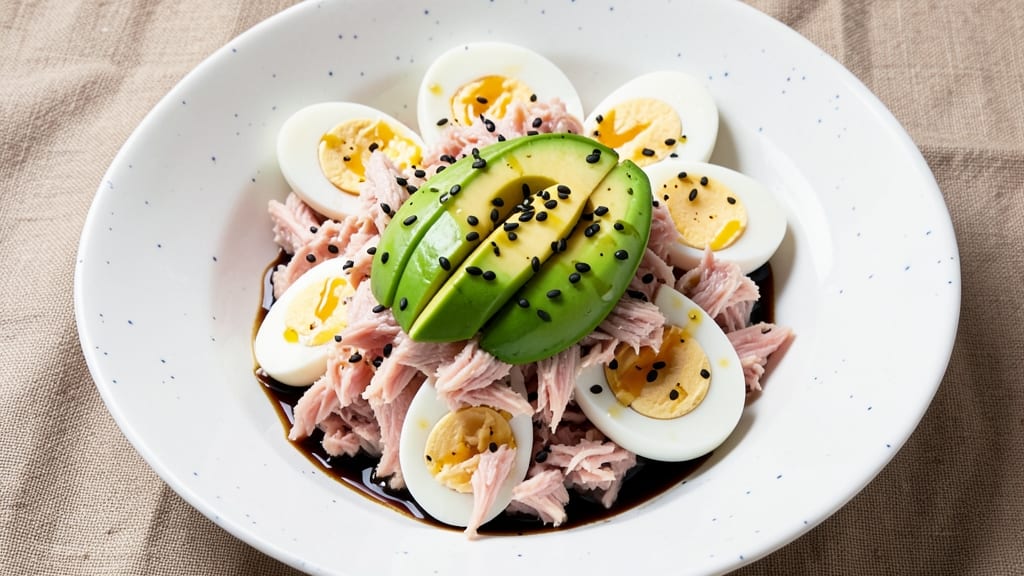
This tuna and hard-boiled egg recipe delivers a protein-packed, crunchy-textured dish that skips mayo entirely while still packing bold flavor. The secret lies in perfectly cooked eggs with crispy whites and jammy yolks, paired with flaked tuna that stays tender yet distinct.
I developed this after years of experimenting with Japanese-inspired salads—where texture and balance matter most—and it’s become my go-to for quick, satisfying lunches that feel restaurant-worthy.
The magic happens in the preparation: hard-boiling eggs just right (not rubbery, not runny) and flaking tuna with a fork to maintain its delicate texture. A light dressing of sesame oil, rice vinegar, and a touch of soy sauce ties everything together without overpowering the clean, fresh flavors.
This isn’t just a salad—it’s a complete meal with staying power, thanks to the high-protein combination that keeps you full for hours.
What you’ll end up with is a dish that’s crisp, creamy, and satisfying in every bite—no soggy lettuce or heavy dressings here. The eggs add a satisfying crunch and richness, while the tuna provides lean protein and a subtle oceanic depth.
Serve it over a bed of greens, wrapped in a toasted rice paper roll, or piled onto a slice of crusty bread for a hearty open-faced sandwich.
Perfect for meal prep, office lunches, or a quick weeknight dinner, this recipe scales easily and stays fresh in the fridge for up to three days. The best part?
It’s versatile enough to adapt to your taste—add avocado for creaminess, pickled ginger for tang, or a sprinkle of furikake for umami. Let’s get started on a dish that’s as nutritious as it is delicious.
Ingredients for tuna and hard boiled egg
Crispy eggs, flaky tuna, and a zesty dressing make this protein-packed dish restaurant-worthy without mayo.
| Ingredient | Amount | Notes |
|---|---|---|
| Canned Tuna in Water 🐟 | 1 ½ cups | Drained, flaked with fork |
| Large Eggs 🥚 | 4 whole | Hard-boiled, peeled, halved |
| Sesame Oil 🫒 | 1 tbsp | Toasted for aroma |
| Rice Vinegar 💧 | 2 tbsp | Seasoned variety preferred |
| Soy Sauce 🍶 | 1 tbsp | Low-sodium preferred |
| Avocado 🥑 | 1 whole | Medium, ripe, pitted |
| Pickled Ginger 🍠 | 2 tbsp | Chopped, optional |
| Furikake Seasoning 🌶️ | 1 tbsp | For umami finish |
| Green Onions 🧅 | 3 whole | Thinly sliced |
| Lettuce 🥬 | 4 cups | Butter or romaine, chopped |
| Toasted Sesame Seeds 🌱 | 1 tsp | For garnish |
| Salt 🧂 | ½ tsp | Kosher or sea salt |
| Black Pepper 🌶️ | ¼ tsp | Freshly ground |
The eggs are everything here. Use room-temperature eggs for even cooking, and shock them in ice water immediately after boiling to stop the cooking process. Trader Joe's sells pre-peeled hard-boiled eggs, which is a total game-changer for weeknights. For the tuna, wild-caught, high-quality brands like Wild Planet or Ocean's make a noticeable difference in texture and flavor. Flake it gently with a fork—don’t mash it or it’ll turn mushy. The avocado should be ripe but firm—press it gently, it should yield slightly but not feel mushy. Grab one from the store’s refrigerated section if it’s not already on your counter.
No sesame oil? Toasted peanut oil works in a pinch, though it’ll have a different flavor profile. Short on rice vinegar? Apple cider vinegar at half the amount gets you close. The furikake is optional (trust me, it’s worth it), but if you skip it, add an extra pinch of Diamond Crystal kosher salt and a dash of toasted nori flakes for umami. The pickled ginger adds a bright pop of color and tang—if you’ve got any from a jar of sushi, use that. No pickled ginger? Fresh ginger marinated in rice vinegar for 10 minutes does the trick. For the greens, butter lettuce or romaine stays crisp longer than iceberg, which can get soggy fast.
This keeps beautifully for 3 days in the fridge, though the avocado will brown—cover it with plastic wrap pressed directly on the surface to slow oxidation. The eggs and tuna can be prepped ahead and stored separately in airtight containers. When you’re ready to assemble, just toss everything together. Freeze the dressing separately if you want to prep ahead—it’ll keep for up to 2 weeks. For meal prep, I portion the tuna and eggs into containers with the dressing on the side, then add fresh greens and avocado when I’m ready to eat—keeps everything crisp and fresh.
Why You'll Love This Recipe
- Pantry-to-Plate Speed: I swear by this one when I’m staring at an empty fridge at 7:30 PM. Two eggs, a can of tuna, and a splash of vinegar—no chopping, no waiting for meat to thaw. That sesame oil finish? Takes it from "dinner" to "dinner I’ll actually eat" in under 15 minutes.
- Umami-Packed Punch: The combo of soy sauce and rice vinegar cuts through the tuna’s fishiness while the sesame oil adds this nutty, toasty depth. Honestly, the first time I made it, I thought, "Why haven’t I done this sooner?"—especially when I crack open a hard-boiled egg and mix in that yolk for creaminess.
- Lunchbox Legend: Between us, this is my go-to for meal prep. Pack it in rice bowls for work or stuff it into wraps—it’s hearty enough to satisfy but light enough to not weigh you down. (Yes, even on a Tuesday night when you’re running late.)
- Budget Meal Magic: A can of tuna and a dozen eggs last me weeks, and this recipe stretches them further than any other. I’ll be real: it’s not the prettiest dish, but the taste makes up for it—and my wallet thanks me every time I skip the takeout menu.
Step-by-step instructions for tuna and hard-boiled egg salad
Here's how to assemble this vibrant, crunchy salad with perfect texture every time.
Prepare the Base Ingredients
Start by draining the 1.5 cups canned tuna in water thoroughly and flaking it with a fork into a medium bowl. The flakes should be about ¼-inch thick—this creates the perfect bite texture. Add the 4 whole hard-boiled eggs, peeled and halved, to the bowl along with the 1 whole avocado, pitted and diced into ¼-inch cubes. I like to work quickly here to prevent the avocado from browning.
Next, fold in the 2 tbsp chopped pickled ginger and 3 whole green onions, sliced thinly. The ginger adds a bright, tangy contrast that cuts through the richness of the tuna and avocado. If you're using the optional pickled ginger, give it a quick rinse first to remove excess saltiness—this ensures the flavors balance perfectly without overpowering.
Season and Bind the Mixture
In a small bowl, whisk together the 1 tbsp sesame oil, 2 tbsp rice vinegar, 1 tbsp soy sauce, 0.5 tsp salt, and 0.25 tsp black pepper. Pour this dressing over the tuna mixture and gently fold everything together with a silicone spatula. You'll want to mix just until combined—overmixing can break down the avocado and make the salad mushy.
Here's the thing—this dressing is the secret to the perfect texture. The sesame oil adds richness, the rice vinegar provides acidity to brighten the flavors, and the soy sauce ties everything together with umami. Taste as you go and adjust seasoning if needed, but start with the full amounts since the tuna and eggs already carry a lot of natural saltiness.
Add the Crunch and Umami Finish
Sprinkle the 1 tbsp furikake seasoning over the tuna mixture and gently fold it in. Furikake adds a nutty, savory depth that elevates the dish from simple to restaurant-quality. If you don't have furikake, a pinch of dried bonito flakes or even extra sesame seeds work in a pinch, but furikake is the authentic touch that makes this salad special.
Finally, stir in the 1 tsp toasted sesame seeds and 4 cups chopped lettuce. The sesame seeds add another layer of crunch and visual appeal, while the lettuce provides a crisp, fresh base that keeps the salad light and refreshing. Don't skip the lettuce—it's what transforms this into a full salad rather than just a tuna mix.
Assemble and Serve Immediately
Divide the tuna salad evenly among 4 servings and serve immediately over the bed of lettuce. The key to this dish is freshness—the avocado and eggs should be at their peak, and the flavors are best enjoyed right after assembly. If you need to prepare ahead, keep the tuna mixture and lettuce separate until serving to maintain the perfect crunch.
Garnish each serving with an extra sprinkle of toasted sesame seeds and a few green onion slices for color and freshness. The contrast of textures—creamy avocado, flaky tuna, crunchy seeds, and crisp lettuce—makes every bite exciting. Serve with steamed rice or crusty bread to soak up any extra dressing, and enjoy this vibrant, no-mayo-needed salad that's packed with flavor and texture.
Pro Tips For Making Tuna And Hard Boiled Egg
- Drain & Pat Tuna Dry: Canned tuna’s moisture makes the mix soggy—skip the rinse, but press it through a fine-mesh strainer or paper towels to remove all liquid. I learned this after my first batch turned into a tuna puddle, and now the texture stays firm.
- Boil Eggs 9 Minutes: Nine minutes from cold water gives you perfectly set yolks without graying. Use room-temperature eggs (yes, even if you’re impatient) and shock them in ice water immediately—they’ll peel like magic, and the yolks stay bright.
- Toast Sesame Seeds First: Sprinkle whole sesame seeds in a dry pan over medium heat for 30 seconds until they sizzle and darken slightly. Toss them into the tuna mix last—this adds nutty depth without overpowering the dish, and it’s way easier than picking burned bits out later.
- Balance Vinegar & Soy: Start with 1 teaspoon rice vinegar and 1 tablespoon soy sauce, then taste. If it’s too sharp, add a pinch of sugar; if flat, splash in another ½ teaspoon vinegar. I used to eyeball it and ended up with either pucker juice or bland mush—now I adjust in stages.
Pro cooking tips for great tuna and hard boiled egg
Egg Perfection
Hard-boiling eggs is an art—get it wrong, and you’ll end up with rubbery whites or runny yolks. I swear by the ice bath trick: Once your eggs hit 212°F (about 9-12 minutes from a rolling boil), plunge them into a bowl of ice water for 10 minutes.
This stops the cooking process instantly and keeps the yolks creamy and jammy. Pro tip: Use room-temperature eggs—they cook more evenly than cold ones straight from the fridge. 🥚
For extra crunch, peel the eggs right before serving and let them sit at room temperature for 5 minutes. The contrast between the crispy whites and smooth yolks is what makes this dish sing.
If you’re short on time, Trader Joe’s pre-peeled eggs are a lifesaver—they’re pre-cooked to perfection and ready to slice.
Tuna Texture Secrets
Flaking tuna properly is non-negotiable—mashing it turns it into a sad, mushy blob. Use a fork (not a spoon or your hands) to gently break up the flakes into ¼-inch pieces.
For the best texture, drain the tuna thoroughly and pat it dry with a paper towel to remove excess water. This keeps the salad light and airy instead of soggy. 🐟
I always opt for wild-caught tuna (brands like Wild Planet or Ocean’s)—it’s leaner and holds its shape better than cheaper, oil-packed varieties. If you’re using oil-packed tuna, drain it extra well and blot it dry to avoid a greasy salad.
Add the tuna to the bowl last so it doesn’t get overmixed and turn mushy.
Dressing Balance
The dressing is where the magic happens—too much, and it’s overwhelming; too little, and the flavors fall flat. Start with 1 tbsp sesame oil, 2 tbsp rice vinegar, and 1 tbsp soy sauce for every 1.5 cups of tuna.
Whisk it in just before serving so the avocado doesn’t get soggy. Taste and adjust: need more brightness? Add ½ tsp extra rice vinegar. Need depth? A splash of low-sodium soy sauce does the trick. 💧
For a nutty kick, toast 1 tsp sesame seeds in a dry pan over medium heat for 1-2 minutes until fragrant, then sprinkle them over the salad.
This adds crunch and aroma without overpowering. If you’re feeling adventurous, swap the sesame oil for toasted peanut oil—it gives a completely different (but delicious) flavor profile.
Avocado Hack
Avocado is the star of this dish, but it browns fast—and nobody wants a sad, oxidized salad. Cut it just before assembling, toss the halves in lemon or lime juice, and keep the pit in one half to slow browning.
For extra creaminess, mash ½ the avocado with a fork before dicing the rest—this blends seamlessly into the tuna mixture. 🥑
If your avocado is too firm, let it sit at room temperature for 15-20 minutes before cutting. A ripe avocado should yield slightly to gentle pressure but not feel mushy. Pro move: Store avocado slices in ice water for up to 1 hour to keep them crisp and green.
Make-Ahead Tips
This salad is meal-prep friendly, but timing is key. Prep the tuna, eggs, and dressing separately in airtight containers—store the dressing separately to keep everything fresh.
When you’re ready to eat, toss everything together right before serving to avoid sogginess. The lettuce and avocado should always be added last. ⏰
For longer storage, freeze the dressing in an ice cube tray—thaw and use as needed. The tuna and eggs can be prepped 2 days ahead and stored in the fridge, but add fresh avocado and greens within 4 hours of serving.
If you’re prepping for a crowd, assemble the salad 1 hour ahead and keep it chilled—just give it a quick toss before serving to revive the textures.
Nutrition facts
Frequently asked questions
Can I substitute oil-packed tuna for water-packed?
Yes, but you’ll need to drain it extra thoroughly and blot it dry with paper towels to remove excess oil. Oil-packed tuna adds richness, so you might want to reduce the sesame oil in the dressing by ½ teaspoon to balance the flavors.
How do I keep the hard-boiled eggs from getting rubbery?
Use the ice bath method: After boiling for 9-12 minutes, transfer eggs to an ice water bath for 10 minutes. Start with room-temperature eggs (not straight from the fridge) for even cooking. The ice stops the cooking process instantly and keeps yolks creamy.
What if I don’t have furikake seasoning?
No problem! Mix 1 tsp toasted sesame seeds with ½ tsp dried bonito flakes (or nori flakes) for a DIY umami boost. For a simpler option, just add an extra pinch of kosher salt and a dash of toasted nori. The key is balancing saltiness and nutty depth.
Can I make this ahead of time?
Prep the tuna, eggs, and dressing separately in airtight containers (store dressing separately). Keep lettuce and avocado fresh by adding them right before serving. The salad keeps well for 3 days in the fridge, but textures are best when assembled fresh.
What’s the best way to serve this dish?
Try it over butter lettuce, wrapped in toasted rice paper rolls, or piled onto crusty bread for an open-faced sandwich. For extra heartiness, serve with steamed jasmine rice or cucumber slices. The contrast of textures makes it perfect for any meal!