
Breakfast & Brunch
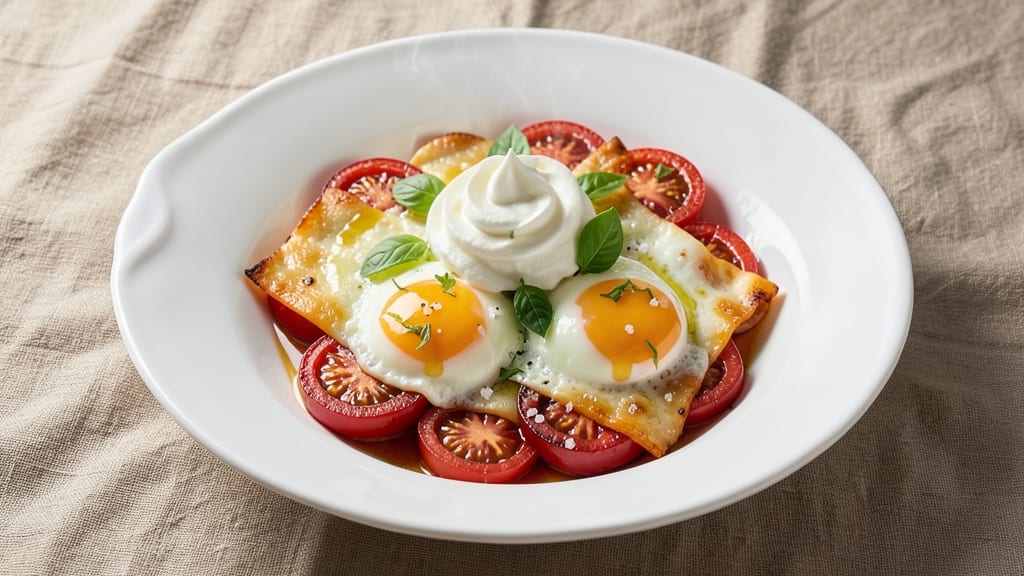
This tomato cheese egg recipe transforms simple ingredients into a restaurant-worthy dish that’s ready in under 20 minutes. The secret lies in balancing creamy eggs, vibrant tomatoes, and melted cheese for a dish that’s equally at home at breakfast or brunch.
I developed this recipe after years of testing one-skillet meals—it’s foolproof, flexible, and packed with flavor without requiring advanced techniques.
The magic happens when you layer fresh tomatoes, melted cheese, and fluffy eggs in a single skillet, creating a harmonious blend of textures and tastes.
The tomatoes add a bright acidity that cuts through the richness of the eggs and cheese, while the cheese binds everything together into a cohesive, satisfying bite. This isn’t just another scrambled egg dish—it’s a complete meal with depth and character.
What you’ll end up with is a golden, bubbling skillet of tender eggs, caramelized tomatoes, and gooey cheese that’s crispy at the edges and creamy inside. The dish holds together beautifully, making it easy to serve straight from the pan or transfer to plates for a more polished presentation.
It’s the kind of recipe that feels indulgent but is simple enough for any day of the week.
Serve it as a hearty breakfast, a light lunch, or even a side dish for dinner—this recipe adapts to your needs. The best part? It’s ready in one skillet, so cleanup is minimal. Here’s how to make it perfectly every time.
Ingredients for tomato cheese egg
Nine simple ingredients create a restaurant-worthy tomato cheese egg dish in one skillet.
| Ingredient | Amount | Notes |
|---|---|---|
| Large Eggs 🥚 | 6 whole | Room temperature for even cooking |
| Fresh Roma Tomatoes 🍅 | 2 whole | Medium-sized, diced into 1/2-inch pieces |
| Sharp Cheddar Cheese 🧀 | 1 cup | Shredded, aged for best flavor |
| Heavy Whipping Cream 🥛 | ¼ cup | Full-fat for creamy texture |
| Unsalted Butter 🧈 | 2 tbsp | Cold, cut into small cubes |
| Fresh Basil Leaves 🌿 | ¼ cup | Chopped, for garnish |
| Garlic Cloves 🧄 | 2 cloves | Minced, for depth of flavor |
| Kosher Salt 🧂 | ½ tsp | Diamond Crystal preferred |
| Ground Black Pepper 🌶️ | ¼ tsp | Freshly cracked |
| Extra-Virgin Olive Oil 🫒 | 1 tbsp | For skillet coating |
| Freshly Ground Nutmeg 🌿 | ⅛ tsp | Pinch for warmth |
The tomatoes are the backbone of this dish—Roma are ideal for their meaty texture, but any firm variety works. Whole Foods or Trader Joe's carry them year-round, though summer farmers' markets have the freshest. Look for tomatoes that are firm but yield slightly to pressure—none of that mushy, overripe stuff. The cheese should be sharp cheddar with visible crystal formation; Cabot or Tillamook are reliable brands. For the eggs, I always grab organic, free-range from the grocery store's refrigerated section—they cook more evenly and taste richer. Fresh basil is a must here, but dried oregano at half the amount works in a pinch.
No sharp cheddar? Parmesan or Gruyère add different but equally delicious depth. Swap heavy cream for half-and-half or whole milk—it won't be as rich, but still works. Running short on butter? Olive oil or ghee will keep the dish from drying out. The garlic can be pre-minced from a jar if you're in a rush, but fresh is always better. For a vegetarian twist, skip the nutmeg entirely—it's optional but adds warmth that complements the tomatoes beautifully. If you're making this ahead, store the cheese and tomatoes separately until ready to cook to prevent sogginess.
This dish is best served immediately for that perfect skillet texture, but leftovers reheat beautifully. Store any uneaten portions in an airtight container in the fridge for up to 3 days. The eggs and cheese will separate slightly when reheated, but a quick scramble in a nonstick pan brings everything back together. For meal prep, I recommend making a double batch and freezing portions in single-serving containers—just add fresh tomatoes and cheese when reheating. The basil should be added fresh at the end, as it wilts quickly when exposed to heat.
Why You'll Love This Recipe
- Five-Ingredient Magic: I swear by this recipe when I’m too tired to chop much—just halve those Roma tomatoes, grate the cheddar, and crack the eggs. No fancy techniques, just a buttery pan and a few minutes of hands-off simmering.
- Creamy Cheese Tomato Bliss: That sharp cheddar melts into the tomatoes like a dream, while the heavy cream ties it all together with a velvety finish. Honestly, the first bite makes me forget about sad desk lunches forever.
- Lunch or Dinner Fix: Between us, this is my go-to for both—pack it in a jar for a grab-and-go lunch or serve it warm with crusty bread for a cozy dinner. The eggs hold up perfectly either way.
- Budget Breakfast for Days: Three eggs, a couple tomatoes, and a block of cheddar stretch to feed my family for days. Leftovers reheat beautifully, and the cost? A fraction of what I’d spend on takeout. (Yes, even on a Tuesday night.)
Step-by-step instructions for tomato cheese egg dish
Here's how to create a rich, creamy tomato and cheese egg skillet with perfect texture every time.
Sauté Tomatoes and Garlic
Heat the 1 tablespoon extra-virgin olive oil in a large skillet over medium heat. Add the 2 whole fresh Roma tomatoes (diced) and cook for 5-6 minutes until they begin to soften and release their juices. The tomatoes should break down slightly but still retain their shape.
Add the 2 cloves minced garlic and cook for 30 seconds until fragrant. This step builds the flavor foundation—don't rush it. The garlic should sizzle gently without burning. Remove the skillet from heat and set aside for now. This prevents overcooking while you prepare the eggs.
Prepare the Egg and Cheese Mixture
In a medium bowl, whisk together the 6 whole large eggs until the yolks and whites are fully combined. Add the 1 cup shredded sharp cheddar cheese, 0.25 cup heavy whipping cream, 0.5 teaspoon kosher salt, 0.25 teaspoon ground black pepper, and 0.125 teaspoon freshly ground nutmeg. Whisk until smooth and well incorporated.
The nutmeg adds subtle warmth that complements the tomatoes beautifully. Here's the thing—don't overmix after adding the cheese, or you'll end up with scrambled eggs instead of a creamy custard. The mixture should be thick but pourable.
Cook the Egg Mixture
Return the skillet with tomatoes and garlic to medium-low heat. Add the 2 tablespoons cold unsalted butter (cut into small cubes) and let it melt completely, coating the bottom of the pan. Pour the egg mixture evenly over the tomatoes, stirring gently with a silicone spatula.
Let the mixture cook undisturbed for 2-3 minutes until it begins to set at the edges. This creates a perfect balance between runny centers and slightly set edges. The cheese should start to melt completely, creating a creamy sauce that coats the tomatoes.
Finish and Garnish
Once the eggs are mostly set but still slightly runny in the center (about 3-4 minutes total cooking time), remove the skillet from heat. Sprinkle the 0.25 cup chopped fresh basil leaves evenly over the top. The basil adds freshness that cuts through the richness of the cheese and eggs.
Let the dish rest for 1-2 minutes before serving. This allows the basil to soften slightly and the flavors to meld together. Serve immediately while the eggs are still warm and creamy. The tomatoes should be tender but still hold their shape, creating pockets of juicy flavor in every bite.
Pro Tips For Making Tomato Cheese Egg
- Sear the Tomatoes First: Cut the Roma tomatoes in half and blister them in a dry skillet over medium-high heat for 2-3 minutes—skin side down—before adding anything else. This concentrates their sweetness and prevents them from turning to mush later. (Yes, even if they look sad and charred at first, they’ll taste better.)
- Shred Cheese Coarse: Skip the food processor for sharp cheddar—use a box grater or your hands to tear it into uneven chunks. Smaller, jaggy pieces melt faster and create pockets of gooey cheese instead of a sad, clumpy blanket. (I learned this after three batches where the cheese just… disappeared.)
- Whisk Eggs Cold: Crack the eggs into a chilled bowl and whisk them with the heavy cream while they’re still icy from the fridge. Cold eggs temper better and won’t scramble into a rubbery mess when they hit the hot pan. (Trust me, your future self will notice the difference.)
- Butter in Stages: Don’t dump all the butter in at once—melt half first to coat the pan, then add the tomatoes and sear them. Once they’re tender, toss in the rest of the butter with the cheese. This keeps the cheese from turning into a greasy sludge and ensures every bite has that rich, buttery finish. (It’s the thing that makes this dish feel restaurant-worthy.)
Troubleshooting perfect results
Eggs Too Dry?
If your eggs turn out dry or rubbery, you likely cooked them too long or used too much heat. The key is medium-low heat throughout—never let the skillet get hot enough to sizzle aggressively.
I've found that adding an extra 1 tablespoon of heavy cream or whole milk to the egg mixture helps maintain moisture. Also, make sure your butter is cold when adding it to the skillet—this creates steam that keeps the eggs tender. 💫
Cheese Not Melting?
Cheese clumping or not melting completely usually means the heat isn't even or the pan isn't hot enough. First, ensure your skillet is on medium-low heat and preheated properly. For stubborn cheeses like sharp cheddar, try grating it yourself instead of using pre-shredded (which contains anti-caking agents).
I also recommend stirring gently with a silicone spatula to distribute heat evenly. If it's still not melting, remove the skillet from heat for 30 seconds to let the cheese soften before continuing.
Tomatoes Too Watery?
Excess moisture from tomatoes can make your dish soggy. To prevent this, pat the diced tomatoes dry with a paper towel before cooking. Also, cook them for 5-6 minutes over medium heat until they begin to break down and release juices—don't let them simmer too long.
If your skillet isn't deep enough, consider using a nonstick pan to help absorb excess liquid. I've had great results with a 10-inch cast iron skillet for even heat distribution.
Uneven Cooking?
Uneven cooking often happens when the heat isn't distributed properly. For a more consistent result, use a skillet that's slightly larger than your serving needs—this gives the eggs room to cook evenly without crowding.
Also, avoid stirring too frequently, as this can break up the eggs and create a scrambled texture. Let the eggs set for 2-3 minutes undisturbed before gently folding them with a spatula. If you're using a gas stove, make sure the flame is evenly distributed under the pan.
Basil Wilting Too Fast?
Fresh basil wilts quickly when exposed to heat, but there are ways to preserve its brightness. Add the basil in the final 1-2 minutes of cooking, right before removing the skillet from heat. For extra freshness, I sometimes sprinkle the basil on top just before serving.
If you're making this ahead, store the basil separately and add it fresh at the table. A quick tip: Use baby basil leaves instead of large ones—they're more delicate and hold up better to heat.
Skillet Sticking?
Sticking is usually a sign of insufficient fat or uneven heat. Always use 1 tablespoon of olive oil or 2 tablespoons of butter to coat the pan before adding the tomatoes. If your skillet isn't nonstick, a 10-inch cast iron pan or ceramic-coated skillet works best.
For stubborn sticking, avoid scraping the bottom—instead, let the dish rest for 1-2 minutes off the heat, then gently slide it onto a plate. If needed, add a splash of warm water to the skillet and let it soak for 5 minutes to loosen any residue.
Nutrition facts
Frequently asked questions
Can I make this tomato cheese egg dish ahead of time?
Yes, but with a few adjustments. Store the cooked eggs and cheese mixture (without basil) in an airtight container in the fridge for up to 3 days. Reheat gently in a skillet with a splash of water or milk to restore creaminess. For best texture, add fresh tomatoes and cheese when reheating, and garnish with basil just before serving.
What if I don't have fresh basil?
No problem! Swap it for 1 tablespoon dried oregano or 1 teaspoon dried thyme—they add earthy notes that complement the tomatoes and cheese. For extra flavor, try a pinch of red pepper flakes or a sprinkle of grated Parmesan. The key is balancing freshness with depth—don't skip the herb entirely!
Is this recipe suitable for a larger group?
Double the ingredients and use a 12-inch skillet—just ensure your stove can handle the larger pan. For even better results, cook in batches if needed. This dish also reheats well, so you can prep it ahead and serve family-style. Pro tip: Use 8-10 eggs for a crowd, adjusting cheese and cream proportionally.
Can I substitute other cheeses?
Yes! Try Gruyère, feta, or goat cheese for tangy depth, or mozzarella for extra meltiness. For a sharper flavor, mix Parmesan with the cheddar. Avoid pre-shredded cheese—it contains anti-caking agents that prevent smooth melting. Freshly grated always delivers the best texture and flavor.
Why does my dish look dry or grainy?
This usually happens from overcooking or insufficient fat. Keep the heat at medium-low and avoid stirring too much. For extra creaminess, whisk in 1 extra tablespoon of heavy cream or add a pat of cold butter at the end. Also, ensure your eggs are at room temperature before cooking for even texture.