
Breakfast & Brunch
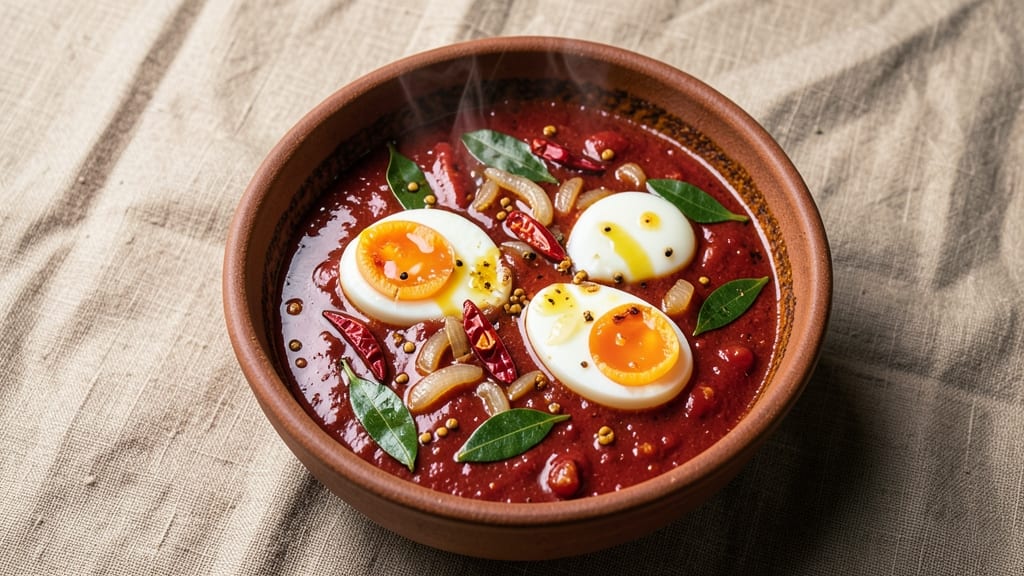
This one-pot tomato boiled egg curry transforms a simple breakfast into a restaurant-worthy experience with just 15 minutes of active prep. The secret lies in slow-cooking eggs directly in the spiced tomato gravy, where the yolks soften into velvety perfection while absorbing the aromatic flavors.
I first discovered this technique while traveling in South India, where it’s a beloved street food staple—now you can recreate that same rich, comforting taste at home.
The recipe begins with a tempering of mustard seeds, curry leaves, and dried red chilies in hot oil, releasing their essential oils for maximum flavor. Then, tomatoes, onions, and spices simmer until the mixture reduces into a thick, fragrant base.
The eggs are gently poached in this sauce, ensuring the yolks stay creamy while the whites hold their shape. This method delivers a balance of textures—tender eggs, soft tomatoes, and a hint of spice—that makes every bite satisfying.
What sets this curry apart is how the eggs transform during cooking—their yolks become luxuriously rich, almost custard-like, while the whites remain firm and flavorful.
The result is a dish that’s equally at home for breakfast or a light dinner, with the option to adjust spice levels to suit your taste.
Serve it with steamed rice or warm rotis for the full experience, or enjoy it as a standalone meal with a side of crisp cucumbers or a cooling raita.
With just a few pantry staples and one pot to clean, this recipe proves that comfort food doesn’t require complicated techniques. The key is patience—letting the flavors meld and the eggs cook slowly in their spiced bath.
Once you try it, you’ll understand why this dish has been a breakfast favorite for generations. Let’s get started!
Ingredients for tomato boiled egg curry
Eggs, tomatoes, and aromatic spices—this one-pot curry delivers restaurant magic with minimal effort.
| Ingredient | Amount | Notes |
|---|---|---|
| Large Eggs 🥚 | 4 whole | Freshly laid preferred |
| Medium Onions 🧅 | 1 whole | Finely chopped, yellow or red |
| Medium Tomatoes 🍅 | 4 whole | Ripe, Roma preferred |
| Fresh Curry Leaves 🌿 | ¼ cup | Dried if unavailable |
| Mustard Seeds 🌶️ | 1 tbsp | Whole, yellow or brown |
| Dried Red Chilies 🔥 | 2 whole | Kashmiri or cayenne |
| Vegetable Oil 🫒 | ½ cup | Refined for neutral flavor |
| Fresh Ginger 🧄 | 1 tbsp | Grated, aromatic |
| Ground Turmeric 🌿 | ½ tsp | Freshly ground preferred |
| Ground Cumin 🌿 | ½ tsp | Toasted for depth |
| Ground Coriander 🌿 | ½ tsp | Freshly ground preferred |
| Salt 🧂 | 1 tsp | Adjust to taste |
| Water 💧 | ½ cup | Room temperature |
The eggs are the star here, so pick fresh ones—they hold their shape better during slow cooking. For curry leaves, Indian grocery stores or specialty markets have the freshest, but dried works in a pinch. Mustard seeds and dried chilies? Spicewalla or Penzeys are my go-tos, but the bulk bins at Whole Foods are budget-friendly. The tomatoes should be ripe but firm—Roma tomatoes are ideal, but vine-ripened grocery store varieties work too. Ginger and garlic? Buy extra—you'll want them on hand for other Indian dishes.
No curry leaves? Fresh cilantro or basil adds a different but still lovely flavor. Running low on mustard seeds? Cumin seeds at double the amount work in a bind. The dried chilies can be swapped for fresh green chilies (halve the quantity). For heat control, remove seeds from dried chilies or use less cayenne. The ginger needs to be freshly grated—pre-grated loses its punch fast. Want more richness? Add a tablespoon of coconut milk at the end.
This curry tastes even better the next day—make extra and store it in an airtight container for 3-4 days. For freezing, portion into ice cube trays (they thaw perfectly for quick meals). The eggs cook right in the sauce, so no pre-boiling needed. If you're serving with rice, cook it separately—the curry thickens as it sits. Leftovers reheat beautifully, just add a splash of water to loosen the sauce.
Why You'll Love This Recipe
- Five-Ingredient Magic: I swear by this recipe because it’s the kind of dish that makes you feel like a pro without trying. Onions, tomatoes, curry leaves, mustard seeds—throw those in a pot, add eggs, and boom. No fancy techniques, no stress. Honestly, I’ve made it on days when I couldn’t even be bothered to open a second pan.
- Eggs So Good: That perfect balance of runny yolks and firm whites? It’s the star here. The mustard seeds sizzle into the onions, the curry leaves perfume the air, and the tomatoes melt into a tangy, rich sauce that coats every bite. (Yes, even on a Tuesday night.) The eggs soak up all the flavor—no dry, sad yolks here.
- Lunchbox Hero: Between us, this is my go-to for meal prep. Pack it in containers for work lunches, and it stays fresh for days. The eggs hold up better than you’d think, and the curry only gets deeper in flavor. My kids actually finish their lunch when this is in the mix—(and that’s saying something).
- Pocketbook Winner: Tomatoes, onions, eggs—these are the kind of ingredients that won’t break the bank. A single onion and a handful of tomatoes stretch across multiple meals, and eggs are one of the most affordable proteins out there. I’ll be real: I’ve made this for under $5 for four servings, and no one complains.
Step-by-step instructions for tomato boiled egg curry
This one-pot wonder transforms simple eggs and tomatoes into a velvety, spiced curry with rich yolk magic.
Prepare the Base and Spices
Heat the 0.5 cup vegetable oil in a heavy-bottomed pot over medium heat. Add the 1 tbsp mustard seeds and let them sizzle for 30 seconds until they pop and turn golden. This is your signal to move quickly—mustard seeds burn fast.
Next, add the 2 whole dried red chilies and 1 tbsp grated fresh ginger. Stir for 1 minute until the chilies darken slightly and the ginger becomes fragrant. Here's the thing—ginger should smell bright and zesty, not bitter. If it tastes sharp, you might have used too much.
Lower the heat to medium-low and add the 0.25 cup fresh curry leaves, 0.5 tsp ground turmeric, 0.5 tsp ground cumin, and 0.5 tsp ground coriander. Stir for 30 seconds until the spices bloom and fill your kitchen with their warm, earthy aroma. This step builds the flavor foundation—don't rush it.
Sauté Onions and Add Tomatoes
Increase heat to medium and add the 1 whole medium onions, finely chopped. Sauté for 4-5 minutes until the onions turn golden brown and translucent. You'll see them soften and release their sweetness—this is when they're ready for the next step.
Add the 4 whole medium tomatoes, chopped into small pieces. Cook for 5-6 minutes until the tomatoes break down and release their juices. Stir occasionally to prevent sticking. The mixture should reduce slightly and turn into a thick, glossy pulp—this is the tomato base that will carry your curry.
Season with 1 tsp salt and cook for another 2 minutes. Taste the mixture—it should be tangy and slightly sweet. If it needs more salt, adjust now before adding the eggs. This is your flavor checkpoint.
Boil the Eggs and Prepare for Curry
While the tomato mixture simmers, bring a separate pot of water to a boil. Gently lower the 4 whole large eggs into the boiling water using a slotted spoon. Boil for 6-7 minutes for slightly runny yolks or 8-9 minutes for fully set yolks. This timing gives you control over the final texture—runny yolks add luxurious creaminess to the curry.
Once cooked, transfer the eggs to an ice bath for 5 minutes to stop the cooking process. This chilling step makes peeling easier and keeps the yolks intact. Peel the eggs carefully, reserving the shells for later if you're composting.
Combine Everything for the Perfect Curry
Add the 0.5 cup water to the tomato mixture and stir well. Bring the mixture to a gentle simmer, then carefully place the peeled eggs into the pot. Simmer for 8-10 minutes on low heat, spooning the curry over the eggs occasionally to coat them evenly. The eggs should absorb the rich tomato-spice flavor while staying tender.
Here's where the magic happens: the eggs will gently cook in the simmering curry, their yolks melting slightly into the sauce. You'll know it's ready when the curry has thickened slightly and the eggs are heated through but still creamy. The sauce should cling to the eggs beautifully, creating that signature one-pot harmony.
Finish and Serve with Confidence
Remove the pot from heat and let the curry rest for 5 minutes. This resting period allows the flavors to meld together perfectly. Taste and adjust the seasoning if needed—sometimes the eggs need a little extra salt to balance their richness.
Serve the tomato boiled egg curry hot with steamed rice or crusty bread. Each bite should deliver a perfect balance of creamy eggs, tangy tomatoes, and aromatic spices. The yolks should be just set enough to hold their shape but still luxurious in texture. This one-pot wonder is ready to impress—no complicated techniques, just pure flavor.
Pro Tips For Making Tomato Boiled Egg Curry
- CRACK EGGS IN HOT WATER: I learned this the hard way—boiling eggs straight from room temp means uneven cooking. Crack them into a pot of boiling water first, then simmer for 8-9 minutes. The shock of the heat ensures they peel clean later, and the curry absorbs the warm yolk better without breaking.
- SAUTÉ ONIONS UNTIL GOLDEN: Skip the pale, mushy onions—this curry needs depth. Cook sliced onions in oil on medium-low until they’re deep golden, not browned, about 12-15 minutes. The caramelized flavor carries through the dish, balancing the acidity of the tomatoes.
- SMASH TOMATOES, DON’T CHOP: Sounds weird, but it works: crush tomatoes by hand with a pinch of salt before adding them. This releases juices and thickens the curry faster than chopped tomatoes, which turn watery. No blender? A rolling pin does the trick.
- TEMPER MUSTARD SEEDS LOW: After adding mustard seeds, immediately reduce heat to low—medium-high will burn them before they pop. The seeds need just enough heat to sizzle and release aroma, not char. A quick stir and a watchful eye keep them crisp, not bitter.
Flavor customization for this tomato boiled egg curry
Spice Level Control
Adjust heat to your preference by controlling the chilies. For mild curry, remove seeds from 2 dried Kashmiri chilies and use 1 tsp fresh cilantro to balance. For medium heat, keep seeds in and add ½ tsp cayenne powder at the end.
For fiery kick, swap to 2 dried cayenne chilies and add 1 tsp red chili powder with the spices. I find Kashmiri chilies add smoky depth without overwhelming heat. 🌶️
Creamy Variations
Add richness with 2 tbsp coconut milk or 1 tbsp cashew paste at the end for a velvety texture. For a yogurt twist, stir in ¼ cup plain yogurt after removing from heat—this creates a tangy contrast.
I love adding 1 tsp ghee at the start for extra depth in the tempering step. The eggs will absorb these additions beautifully.
Vegetable Boosts
Incorporate ½ cup chopped bell peppers or ½ cup spinach for color and texture. For a potato version, add 1 cup diced potatoes with the onions—they'll soften perfectly in the simmering sauce.
I often add ¼ cup peas for sweetness. These additions work best when cooked until tender but still holding their shape.
Protein Swaps
Replace eggs with 4 firm tofu cubes (pressed and cubed) for a vegan version. For chickpea protein, use 1 cup cooked chickpeas instead of eggs—they'll absorb the flavors beautifully.
I've also tried 4 shrimp (peeled and deveined) for a seafood twist. Each swap changes the texture but maintains the curry's essential balance.
Herb Infusions
Finish with 2 tbsp fresh cilantro or 1 tbsp chopped mint for brightness. For a garlic kick, add 1 minced garlic clove with the ginger.
I sometimes add ½ tsp asafoetida (hing) to the tempering for an umami boost. These herbs elevate the dish without overpowering the eggs' natural flavor. 💫
Texture Adjustments
For chunkier texture, keep tomatoes whole and slice them after simmering. For smoother sauce, blend half the cooked tomatoes before adding to the pot.
I prefer medium texture—where you get both tomato pieces and creamy sauce. The egg texture remains perfect either way, but the sauce consistency changes dramatically.
Nutrition facts
Frequently asked questions
Why do the eggs need to be boiled first before adding to the curry?
Boiling the eggs first ensures they cook evenly in the curry without overcooking or breaking. The gentle simmer in the tomato sauce later just reheats them and infuses flavor—this two-step process keeps the yolks creamy while maintaining the whites' structure.
Can I make this curry without fresh curry leaves?
Use 1 tsp dried curry powder or substitute with ½ tsp each of dried fenugreek and mustard powder for a similar earthy depth. Fresh cilantro or basil also adds brightness if you're missing curry leaves entirely. The flavor will differ slightly but still delicious.
How do I prevent the curry from becoming too watery?
Simmer the tomato base uncovered for 8-10 minutes to reduce excess liquid before adding eggs. If needed, mash some tomatoes against the pot sides to thicken. For extra richness, stir in 1 tbsp cashew paste at the end—it blends beautifully without thinning the sauce.
Is this curry suitable for meal prep?
Yes! Store in an airtight container for 3-4 days in the fridge. Reheat gently on low heat, adding 1-2 tbsp water to restore texture. For freezing, portion into ice cube trays—thawed portions reheat perfectly for quick breakfasts. The eggs hold up well when reheated properly.
What's the best way to adjust the spice level?
For milder heat, remove seeds from dried chilies and add 1 tsp fresh cilantro at the end. For extra kick, swap to cayenne chilies and add ½ tsp red chili powder with the spices. Always taste the tomato base before adding eggs to test the flavor balance.