
Desserts
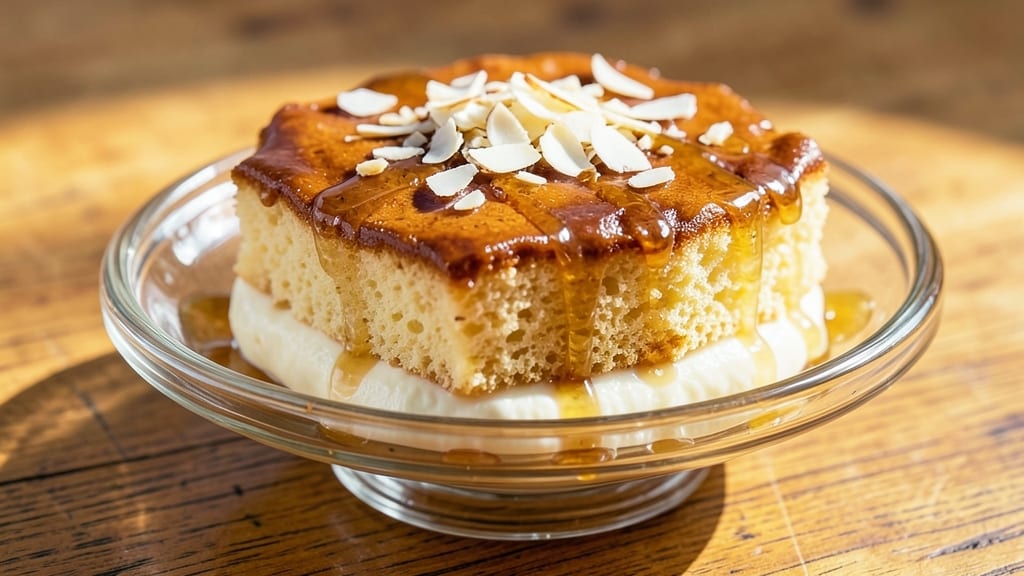
This steamed Thailand egg cake recipe brings the delicate balance of coconut and cardamom to your kitchen with just 5 simple ingredients. The secret lies in its tender, moist texture achieved through gentle steaming, creating a dessert that's both comforting and elegant.
I've perfected this version after years of testing, ensuring every bite delivers that perfect harmony of sweet, aromatic flavors that define Thai desserts.
The beauty of this recipe is its simplicity—no baking required, just a steamer and a few essential ingredients. Coconut milk provides richness while cardamom adds that signature Thai warmth, creating a flavor profile that's both familiar and exciting.
The egg cake rises beautifully with a slightly golden top, offering a visual treat as delightful as its taste.
What makes this recipe special is its versatility; serve it warm with a drizzle of honey or enjoy it at room temperature with a cup of Thai iced tea. The texture is light yet satisfying, with a subtle crumb that melts in your mouth.
Whether you're introducing Thai cuisine to your family or looking for a new dessert to impress guests, this recipe delivers.
Perfect for special occasions or a cozy weekend treat, this steamed egg cake is a labor of love that comes together in under 45 minutes. Let's get started on creating this fragrant, flavorful dessert that's sure to become a favorite.
Ingredients for thailand egg cake
Five simple ingredients transform into this fragrant Thai dessert with coconut warmth and cardamom spice.
| Ingredient | Amount | Notes |
|---|---|---|
| Large Eggs 🥚 | 6 whole | Room temperature preferred |
| Full-Fat Coconut Milk 🥥 | 13 ½ oz | Canned, unsweetened |
| Granulated Sugar 🍚 | 1 cup | White or light brown |
| Ground Cardamom 🌿 | 1 tsp | Freshly ground preferred |
| Unsalted Butter 🧈 | 2 tbsp | Melted, cooled slightly |
The coconut milk is the heart of this recipe—full-fat canned works best (the kind with thick cream on top). Thai Kitchen brand is my go-to, but any unsweetened canned coconut milk will do. Cardamom makes all the difference here; if you can't find ground, toast the pods first and grind them yourself. The eggs should be room temperature—cold eggs can make the cake dense. For the sugar, I use regular granulated, but light brown adds a subtle caramel note if you're feeling fancy.
No cardamom? Cinnamon at half the amount gives a similar warmth, though not quite the same depth. Running short on butter? Olive oil or coconut oil works in a pinch—just use the same amount. The coconut milk can be substituted with evaporated milk if you're not keen on coconut flavor, though it loses that signature Thai touch. For a richer texture, whisk the eggs until frothy before mixing—about 30 seconds with a hand mixer does the trick.
This cake keeps beautifully in the fridge for 4-5 days, though it's best enjoyed fresh. For longer storage, wrap tightly in plastic and freeze for up to 3 months. The texture changes slightly when reheated—steam for 2-3 minutes to revive that tender crumb. I like to portion it into small ramekins before baking so everyone gets their own perfect slice.
Why You'll Love This Recipe
- No Whisk Needed: I swear by this—just crack eggs into a bowl, stir until the yolks and whites are barely combined, then fold in the coconut milk. The cardamom’s warm, floral punch cuts through the richness, and honestly? The texture is so tender you’ll forget it’s basically a custard.
- Coconut Buttercream Magic: That full-fat coconut milk? It’s the star. When baked, it turns into this silky, golden layer that’s almost like a cross between a flan and a cake—creamy but with just enough structure to slice neatly. Drizzle a little extra coconut cream on top, and you’ve got dessert that feels fancy without the fuss.
- Breakfast or Dessert: Between us, this is my lazy Sunday morning cake and my midnight snack when I crave something sweet. Serve it warm with a sprinkle of sugar for a Thai-style khanom buang vibe, or chill it overnight for a custardy breakfast pudding. The sugar caramelizes just enough to make every bite feel like a treat.
- Leftovers? Better Than Fresh: I make a double batch because the second day is even better—the flavors meld, the edges get slightly crisp, and it’s still moist. Plus, it’s cheap to feed a crowd: eggs and coconut milk stretch far, and the cardamom makes it taste special without breaking the bank. (Yes, even on a Tuesday night.)
Step-by-step instructions for steamed coconut-cardamom egg cake
Here's how to create this fragrant, tender Thai dessert with perfect texture every time.
👨🍳 Step 1: Whisk Eggs and Sugar Until Ribbon Stage
In a large mixing bowl, combine the 6 whole Large Eggs and 1 cup Granulated Sugar. Using a hand mixer or whisk, beat on medium-high speed for 5-7 minutes until the mixture becomes pale yellow and thick. You'll know it's ready when you lift the whisk and see a clear ribbon form that holds its shape for a few seconds.
This thorough mixing incorporates air into the eggs, which creates the light, airy texture characteristic of Thai egg cake. I like to stop occasionally and scrape down the sides of the bowl to ensure even mixing. The eggs should be at room temperature for best results—they'll blend more smoothly and create a more consistent texture.
🥘 Step 2: Fold in Coconut Milk and Cardamom
Gently fold in the 13.5 oz Full-Fat Coconut Milk using a silicone spatula, mixing just until fully combined. Be careful not to overmix at this stage—you want to maintain as much air as possible. Then add the 1 tsp Ground Cardamom, folding it in until evenly distributed throughout the batter.
The cardamom's warm, floral notes will infuse the entire cake, giving it that authentic Thai flavor. I like to give the batter one final stir to ensure the cardamom is evenly dispersed, but avoid vigorous mixing that could deflate the air bubbles we worked so hard to create in the previous step.
🍳 Step 3: Incorporate the Melted Butter
Add the 2 tbsp Unsalted Butter (which should be melted and cooled slightly) to the batter. Gently fold it in until completely incorporated, being careful not to create too many additional air bubbles. The butter adds richness and helps create that signature tender crumb.
At this point, your batter should be smooth, slightly thick, and have a beautiful pale yellow color with subtle speckles of cardamom. If you notice any lumps, give it one more gentle fold with your spatula. This is the final preparation before steaming—once we move to the next step, the cake will be ready to cook.
⏰ Step 4: Prepare and Steam the Cake
Pour the batter into a 6-cup capacity heatproof loaf pan or similar mold (about 8x4 inches). Place the pan in a steamer basket over 2-3 inches of boiling water in a large pot. Cover with a lid or aluminum foil to trap steam.
Steam on medium heat for 40-45 minutes until the top is golden and a toothpick inserted in the center comes out clean. The cake should spring back slightly when gently pressed in the center—this indicates perfect doneness. Be careful not to oversteam, as this can make the cake dense rather than light and airy.
🍽️ Step 5: Rest and Serve
Remove the cake from the steamer and let it cool in the pan for 10 minutes. Then transfer to a wire rack to cool completely. I find the cake tastes best when served at room temperature, allowing all the flavors to fully develop and meld together.
Once cooled, slice into 6 equal portions and serve. Each piece should be tender with a delicate crumb, infused with coconut aroma and subtle cardamom warmth. For an extra touch, you can dust with powdered sugar or serve with a drizzle of coconut syrup. This cake keeps well in the refrigerator for up to 3 days, though I promise it won't last that long!
Pro Tips For Making Thailand Egg Cake
- STIR CONSTANTLY LOW: This isn’t a lazy bake—keep that coconut milk mixture moving on medium-low heat until it thickens to pudding consistency. I learned this the hard way after walking away for "just a minute" and coming back to scrambled eggs. Use a wooden spoon and scrape the bottom every 30 seconds to prevent sticking.
- WHISK EGGS ROOM TEMP: Cold eggs from the fridge won’t blend smoothly with the coconut mixture, and you’ll end up with lumps. Pop those eggs in warm water for 5 minutes first—just enough to make them yield like butter. Trust me, your cake’s texture will be silky, not grainy.
- SWEAT THE BUTTER: Melt the butter first, then let it cool just until it’s warm to the touch before mixing it into the egg-coconut batter. Cold butter creates pockets that won’t distribute evenly, and you’ll end up with a cake that’s dense in some spots and dry in others.
- CARDAMOM FIRST: Bloom that ground cardamom in the warm coconut milk for 2 minutes before adding sugar—this lets the spice infuse properly. I used to toss it in at the end, and the flavor was always muted. Two minutes is all it takes, and it makes a real difference.
Flavor customization for thailand egg cake
Sweet Variations
For a more pronounced sweetness, replace ½ cup of the granulated sugar with ½ cup palm sugar or coconut sugar. These natural sweeteners add caramel undertones that complement the coconut beautifully.
I've found that Thai palm sugar (available at Asian markets) gives the most authentic flavor—just finely grind it before adding. For a modern twist, try 1 tbsp honey or maple syrup mixed into the coconut milk before folding. 🌟
Spiced Twists
Boost the warmth by adding ½ tsp ground cinnamon or ¼ tsp nutmeg alongside the cardamom. These spices create a cozy, almost chai-like flavor profile that pairs wonderfully with the coconut.
For a tropical kick, infuse the coconut milk with 1 strip of pandan leaf (tied with kitchen twine) while heating it—remove before using. This technique works especially well if you're making a larger batch for gatherings.
Flavor Layering
Create a dual-flavor experience by dividing the batter between two molds. Use the original recipe for one, then add 1 tsp vanilla extract and zest of 1 lime to the second batch. The vanilla adds depth while the lime zest brightens the coconut flavor.
After steaming, slice both cakes and layer them with coconut whipped cream for a restaurant-worthy dessert. This approach works beautifully for special occasions.
Texture Adjustments
For a denser, fudgy texture, reduce the eggs to 4 large and increase the coconut milk to 15 oz. This creates a moister, almost pudding-like consistency that's perfect for warm weather.
Alternatively, for a lighter sponge, add ½ cup all-purpose flour sifted into the dry ingredients before folding. The flour helps create more structure while maintaining tenderness—just be sure to fold it in gently to avoid deflating the batter.
Modern Adaptations
Give this classic a contemporary makeover by adding ¼ cup toasted coconut flakes to the batter for crunch. For a chocolate twist, fold in 2 tbsp melted dark chocolate (60% cocoa) along with the butter.
The chocolate pairs surprisingly well with the cardamom, creating a sophisticated dessert that still feels comforting. I've also experimented with matcha powder (½ tsp) for an earthy, vibrant variation that's gaining popularity in Thai cafes.
Nutrition facts
Frequently asked questions
Can I make this Thai egg cake without a steamer?
Yes! If you don't have a steamer, use a heatproof bowl that fits inside a pot with 2-3 inches of boiling water. Place a wire rack in the pot to elevate the bowl, then cover tightly with foil. Steam on medium-low heat for 35-40 minutes instead. The key is keeping the water from touching the bowl to prevent sogginess.
How do I know when the egg cake is fully cooked?
The cake is done when the top is golden and a toothpick inserted in the center comes out clean. It should also spring back slightly when pressed gently—this indicates perfect doneness. Oversteaming can make the texture dense, so check it 5 minutes before the suggested time.
Can I substitute regular milk for coconut milk?
You can try evaporated milk, but it won't have the same rich coconut flavor. For best results, use full-fat coconut milk—its creaminess is essential for that authentic Thai texture. If you're avoiding coconut, half-and-half works as a neutral alternative, though the flavor will be more subtle.
Why did my egg cake turn out dense instead of light?
Dense cake usually means the eggs weren't whisked enough (not reaching ribbon stage) or the batter was overmixed after adding coconut milk. Also check if the steaming time was too long—40-45 minutes is ideal. For next time, whisk eggs until pale and thick, and fold gently after adding wet ingredients.
How should I store and reheat leftovers?
Keep refrigerated in an airtight container for up to 5 days. To reheat, wrap slices in damp paper towels and steam for 2-3 minutes or microwave for 10-15 seconds. For best texture, serve at room temperature—reheating can make it slightly gummy. Freeze for up to 3 months by wrapping tightly in plastic.