
Breakfast & Brunch
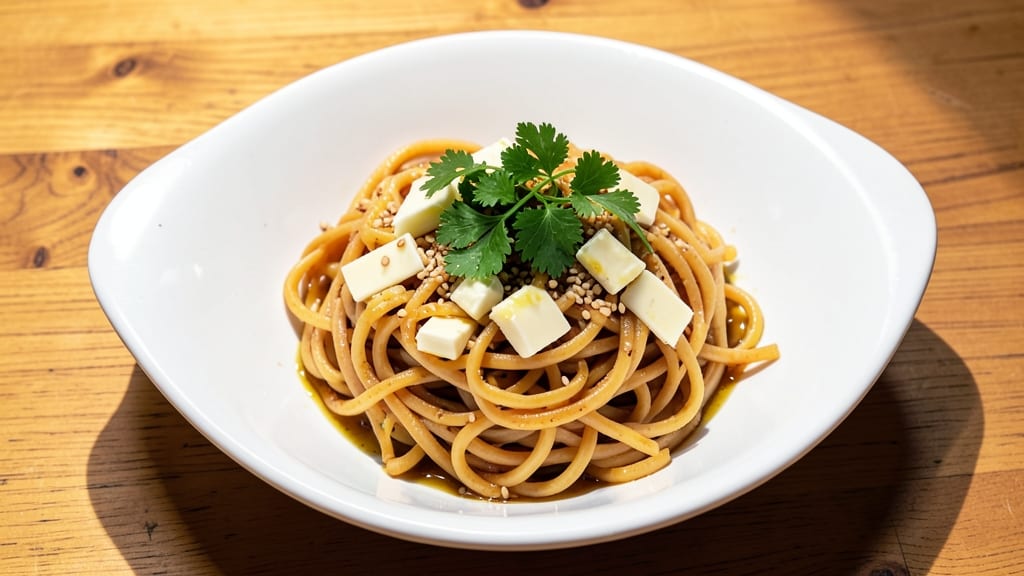
This tasty egg noodles recipe delivers silky, buttery ribbons that transform any meal into something special in just 20 minutes. The secret lies in the perfect balance of high-quality eggs, fresh pasta, and a simple technique that ensures tender, flavorful noodles every time.
Whether you're serving breakfast for dinner or a quick weeknight supper, these noodles form the foundation of countless delicious dishes.
What sets these egg noodles apart is their versatility—pair them with crispy bacon and a fried egg for a hearty brunch, stir-fry with fresh vegetables for a light lunch, or toss them in a rich cream sauce for an elegant dinner.
The key to achieving that signature buttery, silky texture is using the right ratio of eggs to flour and cooking them al dente before finishing with a touch of butter and salt.
By the time you're done, you'll have perfectly tender noodles that cling to every bite, absorbing flavors beautifully. The result is a dish that's comforting yet refined, simple yet impressive—a testament to how a few basic ingredients can create something extraordinary. Ready to elevate your noodle game?
This recipe works equally well as a standalone dish or as the base for more elaborate meals. The possibilities are endless, from classic butter-and-parsley finishes to bold stir-fry combinations. Let's get cooking!
Ingredients for tasty egg noodles
High-quality eggs, flour, and butter transform simple ingredients into buttery, silky egg noodles everyone will love.
| Ingredient | Amount | Notes |
|---|---|---|
| Large Eggs 🥚 | 4 whole | Room temperature for even mixing |
| All-Purpose Flour 🌾 | 2 cups | High protein for chewiness |
| Unsalted Butter 🧈 | ¼ cup | Cold, cubed for perfect texture |
| Fine Sea Salt 🧂 | 1 ½ tsp | Diamond Crystal preferred |
| Fresh Parsley 🌿 | ¼ cup | Finely chopped for garnish |
| Vegetable Oil 🫒 | ½ cup | For cooking pasta |
| Garlic Cloves 🧄 | 2 cloves | Minced for flavor boost |
| Lemon Zest 🍋 | 1 tsp | Brightens the final dish |
| Heavy Cream 🥛 | ¼ cup | Optional for richer finish |
| Black Pepper 🌶️ | ½ tsp | Freshly cracked for heat |
| White Wine Vinegar 🍷 | 1 tbsp | Balances richness |
| Granulated Sugar 🍚 | ½ tsp | Enhances flavor complexity |
The eggs are non-negotiable here—pasture-raised makes a noticeable difference in richness. Trader Joe's and Costco carry excellent options, but any large eggs work. For flour, King Arthur or Bread Flour gives that perfect chew, but all-purpose is fine if that's what you've got. The butter should be cold and cubed when you mix it in—this keeps the dough from getting too soft. I always double-check my salt is Diamond Crystal (it's less dense than other brands, so measure carefully).
No fresh parsley? Dried works at one-third the amount, but honestly, fresh is worth the extra minute. Short on butter? Olive oil in the dough keeps things tender, though you'll lose that signature richness. The garlic can be pre-minced from a jar (just drain it well), but fresh is always better. For the lemon zest, organic lemons have thicker zest—peel the outer layer only. No heavy cream? Skip it or use half-and-half for a lighter finish. The vinegar and sugar combo might seem odd, but trust me—they round out all the flavors beautifully.
Store the dough in an airtight container with plastic wrap for up to 2 days in the fridge. For longer storage, freeze the dough in portions wrapped tightly in plastic—it keeps for 3 months. Cooked noodles reheat best in a dry skillet over medium heat with a splash of water. I always make extra dough and freeze half—nothing beats fresh noodles for brunch or stir-fries. The parsley and lemon zest can be prepped ahead and stored in the fridge for 3 days.
Why You'll Love This Recipe
- Four-Ingredient Magic: I swear by this recipe when I’m too tired to measure more than four things. Just eggs, flour, butter, and salt—no fancy ratios, no stress. The dough comes together faster than I can put on a pot of water.
- Butter Kiss Richness: That melt-in-your-mouth texture? All thanks to the butter. A simple fold of cold butter into the dough gives these noodles a velvety finish, and the parsley at the end adds a bright pop that makes every bite feel special.
- Weeknight to Potluck: I make a double batch on Sundays—half for dinner, half to freeze. Whether it’s a quick weeknight supper or a dish to bring to a holiday gathering, these noodles hold up perfectly. (Yes, even on a Tuesday night.)
- Budget-Friendly Staple: Flour and eggs are pantry basics, and a little butter goes a long way. I stretch one batch into three meals: plain with butter, tossed with veggies, or simmered in a light sauce. No waste, all flavor.
Step-by-step instructions for buttery, silky egg noodles
Here's how to make restaurant-quality egg noodles at home—rich, elastic, and perfectly al dente.
Mix the Dough to Perfect Consistency
In a large mixing bowl, combine the 2 cups all-purpose flour and 1.5 teaspoons fine sea salt. Make a well in the center and add the 4 whole large eggs at room temperature. Let them sit for 30 seconds to start warming slightly—this ensures even mixing.
Gradually incorporate the flour into the eggs using a wooden spoon or your hands, working from the center outward. Once a shaggy dough forms, add the 0.25 cup cold unsalted butter, cubed. Press the butter into the dough until fully incorporated—you should have a rough, slightly sticky mass. Here's the thing—your dough should feel slightly tacky but not wet. If it's too dry, add 1 teaspoon water; if too sticky, sprinkle in 1 tablespoon more flour.
Knead Until Smooth and Elastic
Turn the dough onto a lightly floured surface and knead for 8-10 minutes by hand, or 5-6 minutes in a stand mixer with a dough hook attachment. You're looking for a smooth, elastic dough that springs back when pressed—this indicates proper gluten development. I press my thumb into the dough; if it leaves a clean indentation that slowly fills in, it's ready.
Real talk: Don't rush this step. Under-kneaded dough makes noodles that fall apart when cooked. Over-kneaded dough gets tough. Aim for that perfect balance where the dough feels like soft, supple velvet. Wrap the kneaded dough tightly in plastic wrap and rest at room temperature for 30 minutes. This relaxation period prevents the noodles from shrinking during rolling.
Roll the Dough to Even Thickness
Divide the rested dough into 4 equal pieces (about 8 ounces each) and work with one piece at a time. On a floured surface, roll the dough piece into a ¼-inch thick rectangle using a rolling pin. I like to roll from the center outward, rotating the dough 90 degrees after each pass to maintain even thickness. If the dough sticks, dust with more flour—but don't overdo it or your noodles will be dry.
For perfectly even noodles, use a pasta machine if available. Set it to the widest setting and feed the dough through once. Fold the sheet in thirds like a letter, then repeat the process 2-3 more times until you achieve that ¼-inch thickness. This folding technique creates beautifully layered noodles with a silky texture.
Cut and Cook to Al Dente Perfection
Use a sharp knife or pasta cutter to slice the rolled dough into ¼-inch wide ribbons. If using a pasta machine, set it to the ¼-inch thickness and cut directly from the machine. Immediately toss the cut noodles with 1 tablespoon vegetable oil to prevent sticking. Let them rest for 10 minutes while you prepare your cooking water.
Bring a large pot of water to a rolling boil and add 1 tablespoon fine sea salt. Cook the noodles for 2-3 minutes until they float to the surface and are al dente—they should have a slight bite in the center. Drain immediately and toss with 1 tablespoon white wine vinegar to preserve their vibrant color and prevent sticking. The acidity also brightens the flavor, balancing the richness of the egg yolks.
Finish with Flavorful Additions (Optional)
For extra richness, reserve ¼ cup pasta water before draining and toss the cooked noodles with 2 tablespoons vegetable oil, 2 minced garlic cloves, and 1 teaspoon lemon zest. The high heat of the pasta water helps emulsify the oil, creating a silky coating. For a creamy finish, stir in the ¼ cup heavy cream and ½ teaspoon black pepper, tossing gently to combine.
Garnish with ¼ cup finely chopped fresh parsley and a pinch of ½ teaspoon granulated sugar to enhance the overall flavor profile. The sugar might seem odd, but it rounds out the acidity and complements the egg richness. Serve immediately with your favorite sauce or enjoy as-is—they're delicious plain with just a sprinkle of salt and cracked pepper.
Pro Tips For Making Tasty Egg Noodles
- Rest the Dough: After mixing eggs and flour, let the dough sit covered for 20-30 minutes before rolling. I learned this the hard way—skipping it makes the noodles tougher and harder to cut cleanly. The gluten relaxes, and the texture becomes silky instead of chewy.
- Use Cold Butter: Chill the unsalted butter before cutting it into the dough. Cold butter creates flaky layers when the noodles cook, adding a rich, buttery depth. I was skeptical until I tried it—now it’s non-negotiable for that restaurant-quality finish.
- Salt the Water Hard: Boil the noodles in water with more salt than you think—about 1.5 tablespoons per quart. The noodles absorb flavor, and if you’re using unsalted butter later, this balances the dish. I used to play it safe, but the flavor difference is real.
- Cut Thick, Cook Thin: Roll the dough to ⅛-inch thickness, then cut into ¼-inch-wide strips. They’ll shrink slightly while cooking, but this ensures they finish al dente without turning mushy. I used to cut them too thin, and they’d turn to paste—now I adjust for the shrink.
Best sauces and condiments for these flavors
Classic Garlic Oil
Start with 2 tablespoons olive oil gently heated in a pan until shimmering. Add 3 minced garlic cloves and cook for 30 seconds until fragrant but not browned—this prevents bitterness. Toss your cooked egg noodles directly in the pan with ½ teaspoon red pepper flakes for a quick, aromatic finish.
The oil infuses perfectly with the egg's richness, creating a silky, garlicky coating. 🧄
Creamy Mushroom Sauce
Sauté 1 cup sliced mushrooms in 1 tablespoon butter until golden, then add ¼ cup heavy cream and 1 tablespoon fresh thyme. Simmer for 2 minutes until slightly thickened, then toss with drained noodles.
For extra depth, stir in 1 teaspoon Dijon mustard before combining. This sauce clings beautifully to the noodles, adding earthy umami without overpowering their delicate flavor.
Spicy Peanut Sauce
Blend ¼ cup smooth peanut butter, 2 tablespoons soy sauce, 1 tablespoon sriracha, 1 tablespoon honey, and 1 teaspoon grated ginger until smooth. Thin with 1-2 tablespoons hot water as needed.
Drizzle over noodles tossed with ½ cup shredded carrots and ¼ cup chopped peanuts for crunch. The nutty, spicy-sweet contrast makes these noodles irresistible for quick lunches or takeout-style meals.
Lemon-Herb Butter
Mix 2 tablespoons softened butter, 1 tablespoon lemon juice, 1 teaspoon lemon zest, 1 tablespoon chopped dill or parsley, and a pinch of salt. Fold this into the warm noodles right after draining for a bright, herbaceous finish.
The acidity cuts through the egg's richness, while the herbs add freshness. Perfect for spring or summer meals when you want something light yet indulgent. ✨
Brown Butter & Sage
Melt 3 tablespoons butter in a pan over medium heat until golden brown, then add 4 fresh sage leaves and let crisp for 30 seconds. Toss with noodles and finish with ½ teaspoon black pepper.
The nutty, caramelized butter elevates the dish to restaurant-quality, while the sage adds an earthy aroma. This pairing works beautifully with roasted chicken or as a standalone vegetarian dish.
Nutrition facts
Frequently asked questions
Can I make these egg noodles without a pasta machine?
While a pasta machine makes rolling even, you can achieve great results with a rolling pin. Roll the dough to ¼-inch thickness by pressing firmly and rotating the dough 90 degrees after each pass. For perfectly even ribbons, use a sharp knife to slice the dough after rolling. The key is patience—take your time to maintain consistent thickness for even cooking.
How do I prevent my egg noodles from sticking together?
Toss freshly cut noodles with 1 tablespoon vegetable oil immediately after slicing, then let them rest for 10 minutes before cooking. When draining, don't rinse—toss them with 1 tablespoon white wine vinegar to preserve color and prevent clumping. For extra insurance, use a well-salted pot of boiling water and stir gently while cooking to keep them separate.
What's the best way to reheat leftover egg noodles?
Reheat in a dry skillet over medium heat for 2-3 minutes, stirring occasionally, until warmed through. Add 1 teaspoon water if they seem dry. For extra richness, toss with a pat of butter or a splash of cream sauce. Avoid microwaving—they'll turn rubbery. The high heat in the skillet helps restore that silky texture.
Can I make these noodles gluten-free?
Yes, but with adjustments! Replace the all-purpose flour with a 1:1 gluten-free flour blend (like Bob's Red Mill) and add 1 extra egg to the dough. Use 1 teaspoon xanthan gum if your blend doesn't contain it. The dough will be stickier, so work quickly and keep extra flour nearby. Expect a slightly different texture—gluten-free noodles tend to be softer and more delicate.
Why did my egg noodles turn out tough instead of silky?
Over-kneading or under-rested dough are the most common culprits. Knead just until smooth (8-10 minutes by hand) and let the dough rest for 30 minutes before rolling. Also, check your flour-to-egg ratio—too much flour makes noodles dry. If the dough feels tough, it likely needs more hydration. For extra tenderness, finish with a pat of butter after cooking.