
Breakfast & Brunch
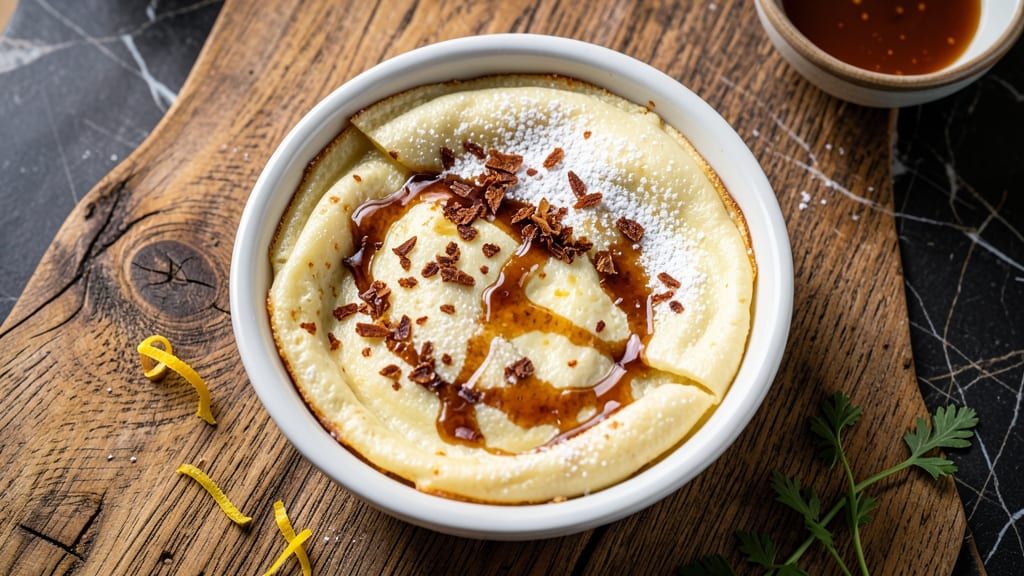
This sweet egg omelette recipe transforms breakfast into a delicate masterpiece with silky yolk centers and a caramelized sugar crunch that feels like dessert. The secret lies in precise heat control and a French-style fold that creates those signature pleats—no flipping required.
I developed this technique after years of perfecting the balance between tender egg and crispy sweetness, ensuring every bite delivers a harmonious blend of textures.
The foundation starts with room-temperature eggs whipped just until frothy, then cooked gently in a nonstick skillet until the edges set but the center remains luxuriously runny.
Here’s where the magic happens: a sprinkle of turbinado sugar caramelizes on the surface, creating a golden, crackly crust that contrasts perfectly with the custardy interior.
For fillings, I recommend a light dusting of powdered sugar or a drizzle of warm maple syrup—both enhance the sweetness without overpowering the eggs.
What makes this recipe truly special is the French-style pleating technique, which creates elegant folds that hold the filling securely while showcasing the omelette’s beauty. The result is a dish that’s restaurant-worthy yet simple enough for weeknight mornings, with a presentation that feels indulgent.
Whether served for brunch or a late-night treat, this omelette proves that sweet and savory can coexist in perfect harmony.
For variations, try adding a dollop of fruit compote (like berries or peaches) or a sprinkle of cinnamon for warmth. The key is keeping the fillings minimal—just enough to complement the eggs without weighing them down. Let’s get cooking!
Ingredients for sweet egg omelette
Six eggs and a sprinkle of turbinado sugar create this restaurant-worthy sweet omelette masterpiece.
| Ingredient | Amount | Notes |
|---|---|---|
| Large Eggs 🥚 | 6 whole | Room temperature for even cooking |
| Unsalted Butter 🧈 | 2 tbsp | European-style preferred for flavor |
| Turbinado Sugar 🍬 | 2 tbsp | Coarse crystals for caramelization |
| Powdered Sugar 🍚 | 1 tbsp | Fine texture for dusting |
| Pure Maple Syrup 🍁 | 1 tbsp | Grade A for delicate sweetness |
| Fresh Vanilla Extract 🌿 | ½ tsp | Bottled preferred for consistency |
| Ground Cinnamon 🌶️ | ¼ tsp | Freshly ground for aroma |
| Heavy Whipping Cream 🥛 | 1 tbsp | Optional for extra richness |
| Diamond Crystal Kosher Salt 🧂 | ¼ tsp | Fine grain for delicate seasoning |
| Fresh Lemon Juice 🍋 | ½ tsp | Brightens the sweetness |
| Nonstick Skillet 🍳 | 1 whole | 8-inch, well-seasoned |
| Parchment Paper 📄 | 1 sheet | For clean folding |
The eggs are the star—room-temperature ensures even cooking and silky texture. Pasture-raised eggs from Crowd Company or your local farm market deliver the richest yolks, but any high-quality eggs work. The butter choice matters too—European-style (like Plugrá) has higher fat content, preventing burning at low heat. Turbinado sugar is non-negotiable for that signature caramelized crunch; Wholesale Sugar brand is widely available and affordable. For the maple syrup, Grade A is essential—it has a lighter color and milder flavor that won't overpower the delicate egg custard. Preheat your skillet on medium-low heat before adding butter—this prevents temperature spikes that can cook the eggs too quickly.
No turbinado sugar? Brown sugar at half the amount works in a pinch, though the texture won't be as crisp. Substituting powdered sugar for turbinado is a no-go—it won't caramelize properly. For the maple syrup, if you're out, honey (same amount) adds depth but may slightly darken the omelette. The vanilla extract can be omitted if you prefer a more subtle sweetness, but the cinnamon is worth including—it adds warmth without overpowering. If you're feeling adventurous, swap the lemon juice for orange zest (same amount) for a citrusy twist. The heavy cream is optional but recommended for that luxurious finish; if skipping, add an extra tablespoon of maple syrup instead. Always use Diamond Crystal kosher salt—it dissolves more easily than Morton's and won't leave grainy residue.
Eggs should be whisked gently—just until the yolks and whites are combined, without creating too many bubbles. The skillet must be preheated for exactly 2 minutes on medium-low before adding butter—this creates the perfect temperature for even cooking. Store any unused butter in an airtight container in the fridge for up to 3 months, and keep powdered sugar in a sealed jar to prevent clumping. Leftover omelette pieces reheat beautifully in a dry skillet over low heat for 20-30 seconds per side. For presentation, serve immediately on a warmed plate with a dusting of powdered sugar—this prevents the caramelized sugar from absorbing moisture and becoming soggy. The entire process from start to finish takes about 15 minutes, making it perfect for a quick yet impressive breakfast.
Why You'll Love This Recipe
- Five-Minute Magic: I swear, this takes less time than waiting for coffee to brew. Whisk eggs, melt butter, fold in sugar—no flipping required, just a gentle swirl for that golden, custardy center. Honestly, it’s the kind of breakfast that makes me feel like I’ve won the morning.
- Caramel-Kissed Bliss: That crunch of turbinado sugar on top? Absolute perfection. The maple syrup drizzle ties it all together—creamy, buttery, with just enough sweetness to make your taste buds do a happy dance. Between us, it’s the kind of dessert-for-breakfast combo that’ll have you skipping the midday snack.
- Breakfast or Dessert: Serve it warm with a scoop of vanilla ice cream for a grown-up treat, or pack it in a thermos for a sweet, protein-packed lunch. My kids ask for it after school snacks—yes, even on a Tuesday night—and my husband sneaks seconds when he thinks I’m not looking.
- Budget Breakfast Win: Eggs and sugar are cheap, but this tastes like a fancy brunch. No specialty ingredients needed—just what’s already in your pantry. I’ve made this for a dozen people without breaking the bank, and the leftovers? Still delicious reheated the next day. Efficiency meets indulgence.
Step-by-step instructions for sweet egg omelette
Master this delicate balance of caramelized sugar and silky yolks with precise technique.
Whisk Eggs with Sweet Aromatics
In a large bowl, combine the 6 whole Large Eggs with the 0.5 tsp Fresh Vanilla Extract, 0.5 tsp Fresh Lemon Juice, and 0.25 tsp Diamond Crystal Kosher Salt. Whisk vigorously with a fork or wire whisk until the yolks and whites are fully integrated and the mixture is uniform in color. This step ensures even cooking and prevents any separation in the final omelette.
Next, add the 1 tbsp Pure Maple Syrup and 1 tbsp Heavy Whipping Cream (if using) to the egg mixture. Whisk again until fully incorporated. The syrup will add subtle depth while the cream contributes luxurious richness. Let the mixture sit at room temperature for 5 minutes to allow the flavors to meld before cooking.
Create the Sugar Caramel Base
Place the 8-inch Nonstick Skillet over medium heat until it's preheated. Add the 2 tbsp Unsalted Butter and let it melt completely, coating the bottom of the pan evenly. Once the butter has melted, sprinkle the 2 tbsp Turbinado Sugar evenly across the pan, tilting to ensure even distribution.
Watch the sugar closely as it begins to melt and caramelize. The sugar will first become glassy, then develop small bubbles before forming a golden-brown crust. This process takes about 3-4 minutes. The goal is to create a thin, crispy sugar layer that will form the textural foundation of your omelette. If the sugar begins to darken too quickly, reduce the heat slightly to prevent burning.
Cook the Omelette to Silky Perfection
Pour the egg mixture evenly over the caramelized sugar base, tilting the pan to distribute the eggs thinly and evenly. Cook over medium-low heat for 2-3 minutes, allowing the bottom to set while keeping the top slightly runny. The edges should begin to lift gently from the pan, and the bottom should appear set but still slightly translucent.
While the omelette cooks, sprinkle the 0.25 tsp Ground Cinnamon evenly over the top half of the omelette. This creates a visual contrast and adds warm spice notes that complement the sweetness. The cinnamon should be distributed lightly to avoid overwhelming the delicate flavors of the eggs and caramel.
Fold and Dust with Powdered Sugar
When the edges of the omelette are fully set but the center remains slightly soft (about 3-4 minutes total cooking time), it's time to fold. Using a heat-resistant spatula, gently lift one-third of the omelette from the side closest to you, then fold it over the center. Repeat with the opposite side, creating a neat triangle. This folding technique ensures all the caramelized sugar and egg mixture is contained within.
Remove the folded omelette from the skillet and place it seam-side down on a plate lined with the sheet Parchment Paper. Immediately dust the top with the 1 tbsp Powdered Sugar using a fine-mesh sieve. The powdered sugar adds a delicate sweetness and creates a beautiful visual finish. Serve immediately while the sugar is still slightly warm for the best texture contrast.
Pro Tips For Making Sweet Egg Omelette
- Whisk Eggs Until Ribbon-Thin: Don’t just stir—whisk those eggs until they hold a slow, clear ribbon when you lift the whisk. I used to rush this, and the omelette turned out gummy. A few extra seconds here means a silky texture that actually soaks up that maple syrup like a dream.
- Use Cold Butter: Scoop that unsalted butter straight from the fridge and let it sit just until it softens—no melting. Cold butter browns faster and gives the omelette a crisp, golden base instead of a greasy mess. (Yes, even if you’re impatient like me.)
- Sugar First, Syrup Last: Sprinkle the turbinado sugar before folding the omelette—it caramelizes slightly from the residual heat. Drizzle the maple syrup after folding and plating; otherwise, it’ll pool at the bottom like a sad syrup puddle. Trust me, the texture difference is worth the extra 10 seconds.
- Fold Fast, Serve Faster: The moment the eggs set, fold that omelette immediately—no waiting for "even cooking." Sweet omelettes are about contrast: warm, custardy center with that crisp sugar crust. Lingering on the heat turns it into a sad, rubbery pancake. (I’ve been there.)
Troubleshooting perfect results
Overcooked Eggs
If your omelette turns rubbery or dry, you’ve likely cooked it too long or at too high a heat. The key is medium-low heat—any hotter, and the eggs will set too quickly, losing their silky texture.
I’ve found that using a nonstick skillet (like Made In or All-Clad) helps distribute heat evenly, preventing hot spots that can overcook edges while the center stays runny. Also, whisk the eggs just until combined—over-whipping incorporates too much air, which can cause the omelette to dry out faster. 🔥
Sugar Not Caramelizing
Turbinado sugar needs direct, even heat to caramelize properly. If it’s melting but not browning, your pan isn’t hot enough. Preheat the skillet on medium heat for 2 minutes before adding butter and sugar—this jumpstarts the caramelization process.
For extra insurance, use a heavy-bottomed skillet (like Le Creuset) to maintain consistent heat. If the sugar burns before caramelizing, reduce the heat slightly and give it more time—patience is key here!
Omelette Sticking
Sticking usually means your skillet isn’t hot enough or isn’t properly nonstick. First, ensure your pan is preheated before adding butter—this creates a smooth, even surface for the eggs. If using an older skillet, a light coating of flour (just a pinch) can help, but avoid overdoing it.
I also recommend seasoning your pan regularly with a thin layer of oil and baking it in the oven to restore nonstick properties. A well-seasoned Lodge cast iron skillet works wonders for this recipe!
Uneven Cooking
Uneven cooking often happens when the heat isn’t distributed evenly. To fix this, use medium-low heat and avoid moving the pan too much while cooking. If your stove has hot spots, rotate the pan halfway through cooking to ensure even setting. Another trick?
Whisk the eggs thoroughly to create a uniform mixture—this helps the omelette cook evenly from edge to edge. For extra control, place the skillet on a stove burner with a diffuser (like the Weck Diffuser) to spread heat more evenly. 💡
Folding Failures
If your omelette falls apart when folding, it’s likely not cooked enough. The edges should be just set but still slightly translucent—this ensures they hold together when folded. Practice makes perfect here!
Start by lifting one-third of the omelette gently, then fold it over the center before repeating with the opposite side. A heat-resistant silicone spatula (like OXO Good Grips) gives you the flexibility to fold without tearing.
If it still resists, let it cook for another 30 seconds before attempting the fold.
Soggy Caramelized Sugar
Caramelized sugar loses its crunch when exposed to moisture, like steam from the eggs or condensation. To prevent this, serve the omelette immediately on a warm plate (not cold). Dusting with powdered sugar right after folding creates a protective barrier that locks in the crispiness.
Pro tip: Place a wire rack over a baking sheet before plating—this allows air to circulate underneath, keeping the sugar crisp even longer. 🌟
Nutrition facts
Frequently asked questions
Can I make this sweet omelette without butter?
Yes! For a dairy-free version, use avocado oil or coconut oil instead of butter. Melt 2 tbsp of oil in the skillet before adding the sugar—just watch the heat closely to avoid burning. Olive oil works too, but it has a stronger flavor that might compete with the delicate sweetness.
How do I store leftovers?
Sweet omelettes are best eaten fresh, but you can store leftovers in an airtight container in the fridge for up to 2 days. Reheat gently in a dry skillet over low heat for 10-15 seconds per side—just enough to warm through without drying out. For longer storage, freeze portions wrapped in parchment for up to 1 month. Thaw overnight in the fridge before reheating.
What’s the best way to add fruit to this recipe?
For a fruity twist, fold in ½ cup berries (like raspberries or blueberries) or ¼ cup diced peaches when cooking the omelette. Keep the fruit small and pat it dry first to prevent excess moisture. For a more elegant presentation, serve the omelette alongside a warm fruit compote (simmer ½ cup fruit with 1 tbsp sugar and 1 tsp lemon juice for 5 minutes).
Why does my omelette look different from the photos?
The French-style pleats create a signature look, but don’t stress if yours isn’t perfect! The key is folding the omelette while the edges are just set but the center is still soft. If it looks uneven, focus on the silky texture and caramelized sugar—those are what matter most. For a smoother finish, try using a smaller skillet (6-inch) to make a thinner omelette that folds more neatly.
Can I make this for a gluten-free diet?
This recipe is naturally gluten-free since it only uses eggs, sugar, and butter. Just double-check that your maple syrup and vanilla extract are certified gluten-free (some brands may process in facilities with gluten). For extra safety, use a dedicated gluten-free skillet if you’re highly sensitive. The texture and flavor remain exactly the same!