
Breakfast & Brunch
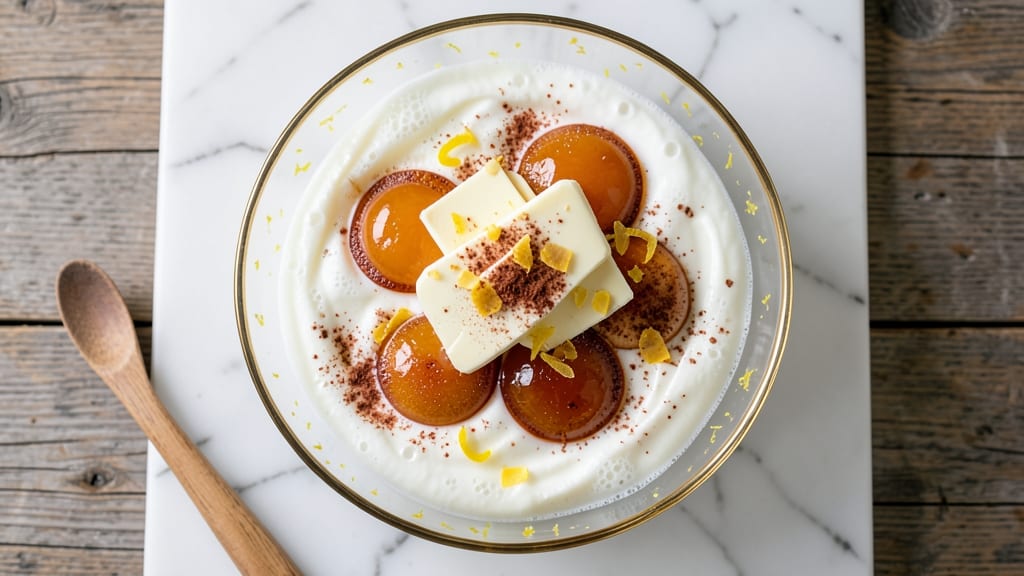
This sugared egg yolks recipe transforms simple ingredients into a luxurious dessert that's surprisingly easy to master. The secret lies in tempering the yolks just right—caramelized edges with a silky, runny center that melts on your tongue. I developed this version after struggling with overly thick or grainy textures, and now it's become my go-to for elegant desserts or ice cream toppings.
The process starts with separating yolks from whites (a step worth perfecting) and gently heating them with sugar and cream until they reach that perfect glossy caramelized finish. A touch of vanilla or citrus zest adds depth, while cinnamon brings warmth.
What makes this recipe special is how it balances precision with flexibility—you can adjust sweetness or add flavorings to suit any occasion.
By the end, you'll have golden, caramelized yolks with a delicate crunch that gives way to creamy centers. These aren't just garnishes—they're the star of the show, perfect for topping crème brûlée, pancakes, or even vanilla ice cream.
The technique might sound intimidating, but I promise it's foolproof once you get the hang of it.
Serve immediately for the best texture, or prepare ahead and reheat gently to maintain that perfect balance of crisp and creamy. Here's how to make them—no special equipment required beyond a saucepan and patience.
Ingredients for sugared egg yolks
Eight simple ingredients create golden, caramelized yolks with silky centers—luxurious enough for dessert, easy enough for weeknights.
| Ingredient | Amount | Notes |
|---|---|---|
| Large Egg Yolks 🥚 | 8 whole | Freshly separated, room temperature |
| Granulated Sugar 🍚 | ¾ cup | White or turbinado for caramelized finish |
| Heavy Cream 🥛 | ½ cup | Full-fat for rich texture |
| Unsalted Butter 🧈 | 2 tbsp | Cold, cubed for even melting |
| Pure Vanilla Extract 🌿 | 1 tsp | Or vanilla bean paste for specks |
| Ground Cinnamon 🌶️ | ¼ tsp | Warmth without overpowering |
| Lemon Zest 🍋 | 1 tsp | Brightens the caramelized flavor |
| Salt 🧂 | ⅛ tsp | Fine sea salt for balance |
| Granulated Sugar (extra) 🍚 | ¼ cup | For final coating before serving |
The yolks are the star here, so start with fresh, room-temperature eggs—they separate better and cook more evenly. I always use pasture-raised eggs from the grocery store's refrigerated section—they're richer and more flavorful. The sugar is where the magic happens: turbinado gives a deeper caramel color, but white sugar works perfectly fine if that's what you've got. For the cream, full-fat is non-negotiable—it's what gives those yolks that velvety texture. If you're feeling fancy, grab a vanilla bean and scrape out the seeds for extra depth (though extract is totally fine too).
No vanilla extract? Almond extract at half the amount works in a pinch, or skip it entirely if you're adding citrus zest. Short on butter? Coconut oil in the same quantity melts just as smoothly. The cinnamon is optional but adds warmth—if you've got cardamom or nutmeg, those would be divine too. For the lemon zest, organic lemons from the produce section are brightest, but any lemon will do. And if you're worried about the yolks curdling, whisk them with the sugar first—it's a game-changer for smooth results.
These are best served immediately, but if you need to prep ahead, cover and refrigerate for up to 2 hours. Reheat gently in a dry pan over medium heat for 30 seconds per side—just until the sugar coating melts. For extra drama, toss them in the extra sugar right before serving. Store any leftovers in the fridge for up to 2 days, though honestly, they disappear fast. Freezing isn't recommended—they lose that perfect texture.
Why You'll Love This Recipe
- Five-Ingredient Magic: I swear, that’s it—just yolks, sugar, cream, butter, and vanilla. No fancy gadgets, no stress, just a saucepan and a whisk. Honestly, if you can boil water, you can nail this.
- Caramelized Bliss: That moment when the sugar dissolves into the warm yolks? Pure liquid gold. The butter swirls in like silk, and the vanilla ties it all together—rich, buttery, and just sweet enough to make you sigh.
- Breakfast or Dessert: Serve it drizzled over pancakes for a brunch upgrade, or spoon it onto ice cream for a grown-up treat. Between us, I’ve even used it to glaze roasted carrots—yes, really. It’s that flexible.
- Leftovers That Last: Make a big batch and store it in the fridge for days. The flavors deepen overnight, and it’s perfect for quick desserts or a fancy touch on yogurt. No waste, all win.
Step-by-step instructions for caramelized egg yolks
Here's how to create luxurious, runny-center yolks with a perfect caramelized crust every time.
Whisk Egg Yolks and Sugar Until Ribbon Stage
In a heatproof bowl, whisk together the 8 whole Large Egg Yolks, 0.75 cup Granulated Sugar, 1 tsp Pure Vanilla Extract, 0.25 tsp Ground Cinnamon, 1 tsp Lemon Zest, and 0.125 tsp Salt until the mixture is pale, thick, and forms ribbons when the whisk is lifted. This should take about 3-4 minutes of vigorous whisking—you're essentially making a custard base.
The sugar should dissolve completely, and the mixture should coat the back of a spoon smoothly. If you see any undissolved sugar crystals, whisk a bit longer. This step is crucial because any undissolved sugar will cause grainy yolks instead of that silky texture we're after.
Temper the Mixture Over a Double Boiler
Place the bowl over a saucepan filled with about 2 inches of simmering water, ensuring the bottom of the bowl doesn't touch the water. Cook the mixture, stirring constantly with a silicone spatula, until it reaches 160°F on an instant-read thermometer. This should take about 8-10 minutes—the mixture will thicken noticeably as it heats.
Here's where it gets important: keep the heat gentle. If the mixture starts to bubble vigorously or smells cooked, reduce the heat immediately. You want to gently warm the eggs without scrambling them. The perfect temperature is when the mixture thickens to a pudding-like consistency but still has a slight sheen.
Incorporate Heavy Cream and Butter
Remove the bowl from heat and immediately stir in the 0.5 cup Heavy Cream and 2 tbsp Unsalted Butter, cubed. The butter should melt completely into the warm mixture, creating a velvety, rich texture. Return the bowl to the double boiler setup and cook for another 2-3 minutes, stirring constantly, until the mixture reaches 170°F—this ensures the yolks are fully cooked but still maintain their luxurious texture.
This is the moment that matters: the cream and butter add richness and help create those beautiful, glossy centers. If the mixture starts to curdle or separate, don't panic—just whisk vigorously for another 30 seconds to bring it back together. The final texture should be thick but still pourable, like a luxurious custard.
Plate and Caramelize the Topping
Divide the warm yolk mixture evenly among 4 ramekins or small heatproof bowls. Sprinkle each with 1 tablespoon of the 0.25 cup Granulated Sugar (extra)—this will create the caramelized crust. Place the ramekins on a baking sheet and set them in a 350°F oven for 12-15 minutes until the tops are golden brown and set.
Watch closely during the last 2 minutes—you want the tops to be golden brown but still slightly soft in the center. If they brown too quickly, tent them loosely with foil. The centers should remain runny when you serve them, so don't overbake. The caramelized sugar topping should crack slightly as it cools, adding texture and visual appeal.
Serve Immediately for Perfect Texture
Remove the ramekins from the oven and let them sit for 1-2 minutes before serving. The yolks should be set on the outside with a runny, custard-like center—this is what makes them so special. Serve them warm, straight from the ramekins, for the ultimate indulgence.
For an extra touch, garnish with a sprinkle of lemon zest or a pinch of ground cinnamon to enhance the flavors. These caramelized yolks pair beautifully with fresh berries, a drizzle of honey, or even a scoop of vanilla ice cream. Enjoy them immediately—they're at their best when served warm and gooey!
Pro Tips For Making Sugared Egg Yolks
- Whisk Yolks Cold: Pull those yolks straight from the fridge and whisk them with the sugar before heating anything. Warm yolks turn grainy when mixed with sugar—trust me, you’ll taste the difference. I used to skip this, and my custard always had that weird texture.
- Sugar First, Heat Slow: Dissolve the sugar in the cream before adding it to the yolks—no clumping, no stress. Then, heat the mixture over medium-low until it’s just simmering, not boiling. After burning three batches, I finally learned: patience here means silky yolks later.
- Butter in Last: Swirl in the butter and vanilla off the heat—the second the pan leaves the stove. Butter burns faster than you think, and you want it to melt smoothly into the custard, not turn nutty. I know, I know, but trust the process.
- Strain for Smoothness: If you’re serving these as a sauce or topping, strain the finished mixture through a fine-mesh sieve before plating. It’s not the prettiest method, but it’s the tastiest—no lumps, just pure, glossy perfection. Takes 30 seconds and makes a real difference.
Wine and beer pairings for this dish
Creamy Dessert Wines
For these rich, caramelized yolks, a sweet dessert wine with honeyed notes is ideal. I love Moscato d'Asti—its light effervescence and apricot flavors complement the caramelized sugar without overpowering the delicate egg flavor.
Another favorite is Sauternes, a luscious Bordeaux wine with citrus and honey undertones that mirror the lemon zest in the recipe. Serve slightly chilled (50-55°F) to enhance the creamy texture of the yolks. 🍷
Rich Red Pairings
If you prefer red wine, go for a light-bodied, fruit-forward option like Pinot Noir or Lambrusco. The cherry and berry notes in a 2019 Italian Lambrusco from Emilia-Romagna add a playful contrast to the caramelized sweetness.
Avoid heavy, tannic reds—they’ll clash with the creamy yolks. A 55-60°F temperature keeps the wine fresh and balanced. 🍇
Creamy Beer Options
For beer lovers, a Belgian witbier or German Hefeweizen works beautifully. The citrusy, spiced notes in a Hoegaarden or Weihenstephaner Hefeweissbier cut through the richness, while the light carbonation cleanses the palate.
Serve these beers well-chilled (40-45°F) to highlight their crispness. A honey-infused ale also pairs well, especially if you’ve added extra cinnamon to the yolks. 🍺
Coffee or Espresso
If you’re serving these as a dessert after a meal, a small cup of espresso or cold brew elevates the experience. The bitter notes in a dark roast contrast perfectly with the sweet, creamy yolks.
For a modern twist, try a vanilla latte—the vanilla aligns with the extract in the recipe, creating a cohesive flavor profile. Serve the coffee hot to enhance the caramelized sugar’s warmth. ☕
Tea Pairings
A lightly sweetened Earl Grey or jasmine tea adds an elegant touch. The bergamot or floral notes in Earl Grey complement the lemon zest, while the delicate sweetness balances the caramelized yolks.
Brew a small cup and serve it warm to let the flavors meld. For a bolder option, a chamomile tea with a dash of honey adds a soothing contrast. 🍵
Nutrition facts
Frequently asked questions
Why do my caramelized yolks turn out grainy instead of silky?
Undissolved sugar is the #1 culprit! Always whisk the yolks and sugar together until completely smooth—no gritty bits should remain. If you're in a hurry, try whisking over warm (not hot) water for 1-2 minutes to help dissolve the sugar faster. Also, avoid overheating the mixture after adding cream.
Can I make this recipe without a double boiler?
Use a heatproof bowl over a saucepan with just 1 inch of simmering water. The key is keeping the bottom of the bowl off the water—this gentle indirect heat prevents scrambling. Stir constantly and watch the temperature closely with an instant-read thermometer to avoid overheating.
How do I store leftovers without ruining the texture?
These are best eaten fresh, but you can refrigerate them for up to 2 hours in an airtight container. To reheat, place ramekins in a 300°F oven for 5-7 minutes until warm. For longer storage (up to 2 days), chill completely, then reheat gently in a dry skillet over low heat for 1 minute per side.
What's the best way to use these if I don't want to serve them as dessert?
They're perfect for topping pancakes, French toast, or waffles—just spoon a few warm yolks over the top. For savory dishes, try sprinkling them on grilled fish or roasted vegetables as a sweet-savory contrast. You can also fold them into custard or ice cream for extra richness.
Can I make this recipe with fewer yolks?
Yes! The ratio works for any quantity—just maintain the same proportions. For 4 yolks, use 0.375 cup sugar, 0.25 cup cream, and 1 tbsp butter. The cooking time will be slightly shorter (6-8 minutes total), so watch the temperature closely. These mini versions are perfect for individual servings.