
Beverages
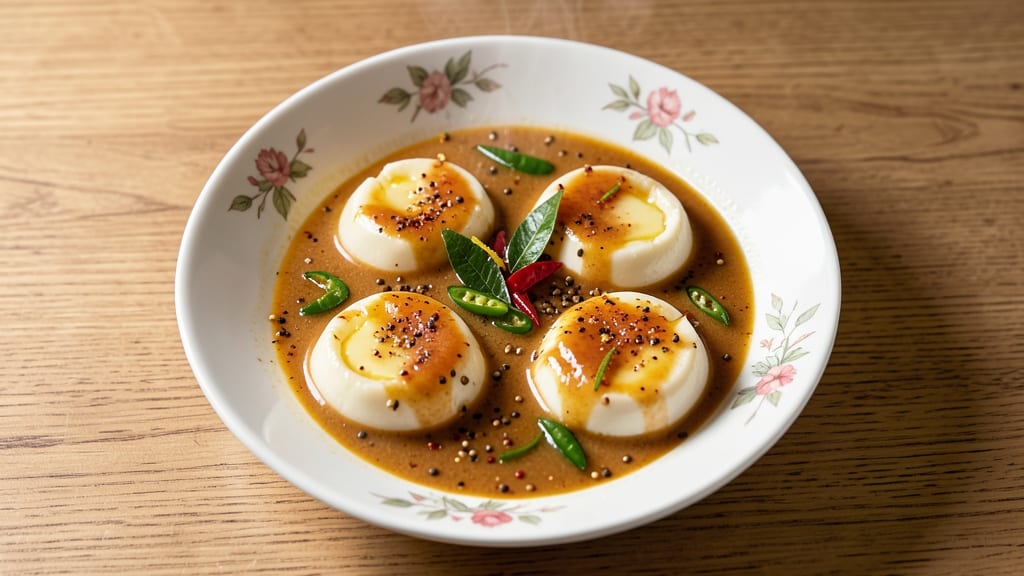
This steamed egg curry recipe delivers the comforting warmth of South Indian cuisine with its fragrant turmeric and coconut base. The gentle steaming method preserves the eggs' delicate texture while infusing them with aromatic spices and creamy coconut milk—a perfect balance of protein and flavor.
I developed this recipe after years of experimenting with traditional clay pot techniques and modern adaptations, ensuring it works in any kitchen.
The beauty of steamed egg curry lies in its simplicity and versatility. You'll start with a fragrant spice blend of turmeric, mustard seeds, and curry leaves, then gently cook the eggs in coconut milk until tender.
This method creates a dish that's both comforting and nutritious, with the added benefit of minimal oil usage. The result is a creamy, mildly spiced curry that pairs beautifully with steamed rice or fluffy naan.
What makes this recipe truly special is its adaptability. While the classic version features just eggs and coconut, you can easily customize it by adding vegetables like potatoes or spinach for extra heartiness.
The steaming process ensures the eggs remain moist and flavorful, while the coconut milk adds a velvety richness that makes every bite satisfying. Perfect for a cozy weeknight dinner or a special family meal.
Whether you're using a traditional clay pot or a modern Instant Pot, this recipe delivers restaurant-quality results with minimal effort. The fragrant spices and tender eggs create a dish that's both comforting and elegant, proving that simple ingredients can yield extraordinary flavors.
Let's get started on creating this fragrant turmeric and coconut comfort dish.
Ingredients for steamed egg curry
Simple aromatic ingredients create this comforting South Indian steamed egg curry.
| Ingredient | Amount | Notes |
|---|---|---|
| Large Eggs 🥚 | 8 whole | Fresh, room temperature preferred |
| Coconut Milk 🥥 | 1 ½ cups | Full-fat for creaminess, canned preferred |
| Turmeric Powder 🌿 | 1 tbsp | Freshly ground for vibrant color |
| Mustard Seeds 🌶️ | 1 tsp | Whole, for traditional texture |
| Curry Leaves 🌿 | 10 whole | Fresh, dried as substitute |
| Green Chilies 🌶️ | 2 whole | Slit lengthwise for mild heat |
| Fresh Cilantro 🌿 | ¼ cup | Chopped, stems removed |
| Ginger 🧄 | 1 tbsp | Freshly grated, aromatic |
| Garlic Cloves 🧄 | 3 cloves | Minced, for aromatic base |
| Vegetable Oil 🫒 | 1 tbsp | Light, for tempering |
| Salt 🧂 | ½ tsp | Adjust to taste |
| Water 💧 | ½ cup | For steaming method |
| Steamed Basmati Rice 🍚 | 2 cups | Cooked, for serving |
The curry leaves are non-negotiable for authentic flavor—Indian grocery stores carry them fresh year-round. Whole mustard seeds toast beautifully, releasing their nutty aroma, so don't skip the tempering step. For turmeric, organic brands like Frontier Co-op offer the most vibrant color. Fresh ginger and garlic should smell sharp and pungent; if they're musty, toss them. The coconut milk should be full-fat for that creamy texture—Thai Kitchen brand works well if you can't find fresh. Eggs should be at room temperature for even cooking, so take them out 30 minutes before starting.
No curry leaves? Dried thyme at half the amount gives a similar earthy note, though it won't be authentic. Substitute green chilies with red pepper flakes at one-third the amount for heat. For extra richness, add 1/4 cup cashew cream instead of some coconut milk. The cilantro can be swapped for parsley if you prefer, but it loses that bright South Indian flavor. If you're using dried curry leaves, toast them briefly in oil first to intensify their aroma. For a quicker version, pre-minced garlic and ginger from the jar works in a pinch, though fresh is ideal.
This curry reheats beautifully—simply add a splash of water and steam for 5 minutes. Keeps in the fridge for 4 days or freezes for 3 months in airtight containers. For meal prep, cook the rice separately and store the curry and rice in different containers to maintain texture. The flavors actually deepen overnight, so leftovers taste even better. If making ahead, add the cilantro fresh after reheating to preserve its vibrant color.
Why You'll Love This Recipe
- Steam-Perfect Eggs: Honestly, the eggs stay so tender—no rubbery mess here. Just crack them into the simmering coconut milk, and the steam works magic while you prep the spices.
- Turmeric Glow: That golden hue isn’t just for looks—it’s the turmeric working its magic. The eggs absorb the earthy warmth while the coconut milk keeps it rich without overpowering.
- Leftover Goldmine: Between us, this curry improves the next day. The flavors meld deeper, and reheating? Just a splash of water and a quick stir—no sad, dry eggs here.
- Weeknight Win: Mustard seeds and curry leaves sizzle in seconds—minimal chopping, no fuss. I’ve made this after work with takeout containers already packed before the eggs finish steaming.
Step-by-step instructions for steamed egg curry
Here's how to create a velvety, aromatic egg curry with perfect texture and depth of flavor.
Prepare the Egg Mixture
In a large bowl, whisk together the 8 whole large eggs until the yolks and whites are fully combined. Add the 1 tbsp turmeric powder, 0.5 tsp salt, and 1.5 cups coconut milk, whisking gently until smooth and evenly colored. The mixture should be pale yellow with no streaks of white remaining.
I like to add the turmeric first to ensure even distribution throughout the egg mixture. This step is crucial for that signature golden hue and mild earthy flavor that defines this dish. Let the mixture sit for 5 minutes at room temperature while you prepare the tempering spices—this helps the eggs cook more evenly when steamed.
Temper the Spices
Heat 1 tbsp vegetable oil in a small pan over medium-low heat. Add the 1 tsp mustard seeds and let them sizzle for 30 seconds until they begin to pop. Add the 10 whole curry leaves, 2 whole slit green chilies, 1 tbsp grated ginger, and 3 minced garlic cloves, cooking for 1 minute until the garlic turns golden and fragrant.
This tempering step is where the magic happens—those popping mustard seeds release their nutty aroma, while the curry leaves and garlic infuse the oil with complex flavor. Remove the pan from heat immediately after the garlic turns golden to prevent burning. Pour this spiced oil into the egg mixture and stir gently to combine.
Steam the Egg Curry
Pour the egg mixture into a heatproof dish that fits snugly in your steamer basket. Place the dish in the steamer and bring 0.5 cup water to a gentle simmer below. Steam over medium heat for 12-15 minutes until the eggs are just set but still custardy in the center.
The key here is patience—steaming too long will make the eggs rubbery, while under-steaming leaves them raw. You'll know it's perfect when the top is set but still slightly wobbly in the center, like a soft custard. Don't lift the lid during steaming or you'll break the delicate steam seal that creates that silky texture.
Finish and Serve
Remove the steamed egg curry from the steamer and let it cool for 5 minutes. Gently fold in the 0.25 cup chopped fresh cilantro just before serving to preserve its vibrant color and freshness. Serve immediately with 2 cups steamed basmati rice on the side.
This dish is all about contrast—creamy eggs against fluffy rice, with the aromatic spices tying everything together. The eggs should be tender yet hold their shape, with a delicate golden hue from the turmeric. Each bite should deliver that comforting combination of coconut richness and spiced warmth that makes this curry so satisfying.
Pro Tips For Making Steamed Egg Curry
- CRACK EGGS COLD: I learned this the hard way—warm eggs slide out of shells messily when steaming. Pop them straight from the fridge into a bowl, then gently stir into the simmering coconut milk. The chill keeps them intact while the curry leaves infuse properly.
- SIMMER NOT BOIL: The goal is tender eggs, not scrambled ones. Keep the coconut milk at a gentle simmer—tiny bubbles at the edges, not rolling boil. If it’s too aggressive, the eggs will curdle instead of set softly. Watch it like a hawk for the last 3 minutes.
- TOAST CURRY LEAVES: Skip the raw leaves—they’ll just float and wilt. Dry-toast them in a tiny bit of oil until they darken slightly (about 20 seconds). Crush them lightly after, then add to the coconut milk. This releases their aroma and prevents bitterness.
- SALT THE COCONUT MILK: Unsweetened coconut milk tastes bland until seasoned. Add a pinch of salt (½ tsp) before adding the eggs—it balances the richness and lets the turmeric shine. Trust me, your curry will taste flatter if you wait until the end.
Common mistakes when making perfect results
Overcooking the Eggs
Steaming eggs too long is the #1 mistake I see—it turns them rubbery instead of silky. The perfect texture is just set with a slight wobble in the center, like soft custard.
Use a thermometer if needed: eggs should reach 160°F internally. Set a timer for 12-15 minutes and resist peeking under the lid—breaking the steam seal makes them cook unevenly. 🌡️
Skipping the Tempering
That sizzling mustard seed step isn't optional—it's where the dish gets its depth. When you skip tempering, you lose the nutty aroma from popping mustard seeds and the complex flavor from curry leaves.
Always toast the mustard seeds in oil until they pop, then immediately add the remaining spices. This takes just 1 minute but makes all the difference.
Using Cold Ingredients
Cold eggs and coconut milk create uneven cooking—some parts stay raw while others overcook. Take eggs out 30 minutes before cooking to bring them to room temperature. Warm the coconut milk slightly (just until it's drinkable) before mixing with eggs.
I keep a bowl of warm water nearby to gently heat the coconut milk if needed.
Wrong Steaming Method
Not all steaming is equal—using a boiling pot of water creates steam that's too intense and can make eggs watery. Instead, use a gentle simmer with just enough water to create steam (about 0.5 cup for a standard steamer).
Place a trivet or rack in your pot to elevate the dish and prevent direct contact with steam. A bamboo steamer works best for even heat distribution.
Adding Cilantro Too Early
Fresh cilantro loses its vibrant color and flavor when cooked. Always fold it in just before serving—this preserves its bright green hue and fresh taste.
If you must add it earlier, stir it in at the very end of cooking (last 1 minute) and remove the curry from heat immediately after. The same rule applies to other fresh herbs like parsley.
Ignoring the Rest Time
Letting the curry rest for 5 minutes after steaming allows the flavors to meld and the eggs to set properly. Skipping this step often results in broken custard or uneven texture.
Use this time to prepare your rice or gather serving dishes. The wait is worth it for that perfect silky consistency every time. ✨
Nutrition facts
Frequently asked questions
Why do we steam eggs instead of boiling or frying them?
Steaming preserves the eggs' delicate texture while gently infusing them with the aromatic coconut and spice blend. Unlike boiling, which can make eggs rubbery, or frying, which adds extra oil, steaming creates a silky, custard-like consistency with minimal oil. The gentle heat also prevents the eggs from curdling while allowing the flavors to meld perfectly.
Can I make this curry without coconut milk?
Yes, but the dish will lose its signature creamy texture. Substitute with 1 cup cashew cream (blend soaked cashews with water) or 1/2 cup heavy cream for a richer alternative. For a lighter option, use 1/2 cup Greek yogurt mixed with 1/4 cup water to maintain moisture. The flavor will be different but still delicious!
How do I adjust the spice level for kids or sensitive palates?
Simply reduce or omit the green chilies entirely. For extra mildness, use 1/2 tsp turmeric powder instead of 1 tbsp and skip the mustard seeds (they're more about aroma than heat). You can also add a pinch of sugar to balance any remaining spice. The coconut milk naturally mellows the flavors, so the dish stays gentle while keeping its comforting character.
What's the best way to reheat leftovers?
Steamed egg curry reheats beautifully! Gently warm in a pot over low heat with 1-2 tbsp water or coconut milk to prevent drying. For microwave reheating, cover with a damp paper towel and heat in 30-second intervals until warmed through. Never reheat to boiling—this can make the eggs grainy. Add fresh cilantro after reheating to restore its bright flavor.
Can I add vegetables to this recipe?
Try adding 1 cup diced potatoes or 1 cup chopped spinach to the egg mixture before steaming. For heartier versions, include 1/2 cup grated zucchini or 1/2 cup corn kernels. Just ensure vegetables are pre-cooked (especially potatoes) to avoid undercooking. The steaming time may need adjustment—check for doneness at 10 minutes if adding extra ingredients.