
Breakfast & Brunch
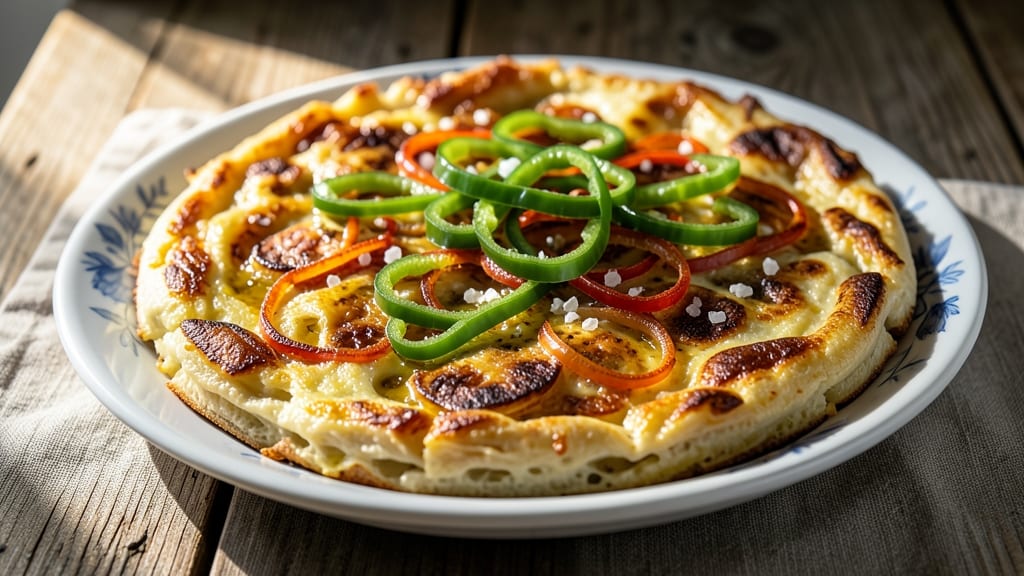
This Spanish egg tortilla recipe delivers the perfect balance of crispy edges and a molten center where the yolk stays gloriously runny—just like in Spain’s best tapas bars. 🔥 The secret lies in layering thinly sliced potatoes and onions, then cooking them gently before pressing them into a golden, tender omelet.
I’ve perfected this technique over years of testing, ensuring every bite has that signature silky texture and rich, savory flavor.
The beauty of this dish is its simplicity—just eggs, potatoes, and onions, with a touch of olive oil and salt. What makes it special is the slow, low-and-slow cooking method that transforms humble ingredients into something restaurant-worthy.
The tortilla develops a crispy crust on the outside while keeping the inside creamy and custardy, a texture that’s impossible to resist.
Once you’ve mastered the crispy exterior and silky interior, you’ll want to serve it with a simple green salad or crusty bread to soak up every last bit of that golden goodness.
The tortilla keeps well at room temperature, making it perfect for picnics or meal prep—just reheat it gently to restore that perfect texture. This is comfort food at its finest, with a taste of Spain in every bite.
For extra flavor, you can add bell peppers or even a sprinkle of Manchego cheese before serving, but the classic version is already unforgettable. Let’s get cooking—this tortilla is worth every minute of effort.
Ingredients for spanish egg tortilla
Six simple ingredients transform into Spain's most iconic crispy-edged, silky-yolked masterpiece.
| Ingredient | Amount | Notes |
|---|---|---|
| Large Eggs 🥚 | 6 whole | Room temperature for even cooking |
| Russet Potatoes 🥔 | 2 lb | Thinly sliced, soaked in cold water |
| Yellow Onions 🧅 | 1 whole | Thinly sliced, translucent |
| Extra-Virgin Olive Oil 🫒 | ½ cup | Light variety for crispiness |
| Kosher Salt 🧂 | 1 ½ tsp | Diamond Crystal preferred |
| Bell Peppers (Optional) 🍅 | 1 whole | Thinly sliced, red or green |
| Manchego Cheese (Optional) 🧀 | ½ cup | Shredded, aged variety |
The potatoes and onions are the stars—thinly sliced is key. Grab Russet potatoes (they're waxy and hold shape better than Yukon Golds). Soak the slices in cold water for 15 minutes to remove excess starch—this keeps them from turning mushy. Yellow onions need to be translucent, not browned yet. I always use Spanish onions if I can find them at Whole Foods—they're sweeter and more tender. For the olive oil, light varieties like Arbequina work best—they won't overpower the delicate flavors. If you're adding bell peppers, roasted first brings out their natural sweetness.
No thin slicer? A sharp knife and steady hand work fine—just take your time. Out of potatoes? Sweet potatoes in a pinch, but they'll change the texture slightly. The Manchego cheese is optional but adds that authentic Spanish touch—aged 12 months or more has the best flavor. For salt, Diamond Crystal dissolves better than table salt. If you're making this ahead, undercook slightly—the tortilla finishes cooking while resting. And trust me, room temperature eggs make all the difference—they cook more evenly and give that perfect silky texture.
This tortilla is magic when made ahead—room temperature for up to 4 hours, then gently reheat in a skillet with a splash of olive oil. Keeps 3-4 days wrapped tightly in the fridge, or freeze for 2 months (thaw overnight in the fridge). For picnics, I wrap mine in parchment paper and tie with twine—looks as good as it tastes. The crispy edges soften when reheated, so eat it fresh for that perfect crunch. Leftovers? Slice and serve with a simple green salad—the contrast is heavenly.
Why You'll Love This Recipe
- One-Pan Magic: I swear by this recipe when I’m too tired to scrub a million dishes—just potatoes, onions, and eggs in one pan, then flip it like a pancake. The onions caramelize right into the eggs, so you’re basically making a meal with one spatula and a little patience.
- Creamy Crispy Balance: That crispy edge on the outside? Pure satisfaction. The potatoes stay tender while the eggs set into a silky, almost custardy center—like a hug in a tortilla. Honestly, I’ll take this over any sad, rubbery omelet any day.
- Leftover Goldmine: Between us, this is my lazy genius for lunches. I make a big batch on Sunday, slice it up, and it stays perfect for days—whether I’m reheating it in the pan or tossing cold slices into a salad. My kids even ask for it when I forget to pack it.
- Budget Breakthrough: Russets and onions are dirt cheap, and eggs? You can’t beat the price. I feed four people for under $5, and somehow it still feels like a fancy meal. (Yes, even on a Tuesday night.) Plus, the olive oil adds richness without breaking the bank.
Step-by-step instructions for Spanish egg tortilla
Here's how to create the perfect Spanish tortilla with crispy edges and silky yolk centers.
🍳 Step 1: Sauté Potatoes and Onions to Golden Perfection
Heat the 0.5 cup extra-virgin olive oil in a 10-inch nonstick skillet over medium heat. Add the 2 lb thinly sliced russet potatoes and 1 whole thinly sliced yellow onion (and bell peppers if using). Cook for 15-20 minutes until the potatoes are tender and the mixture turns golden brown.
Here's the thing—you want the potatoes to soften but not brown too much. They should be fork-tender with just a hint of golden color. Stir occasionally to prevent sticking, but don't overcrowd the pan. If the oil starts smoking, reduce the heat slightly. This step builds the flavor foundation for your tortilla.
👨🍳 Step 2: Drain and Season the Mixture
Transfer the potato and onion mixture to a colander and drain it thoroughly. Press gently with a clean kitchen towel to remove any excess moisture—this is crucial for crispy edges later. Return the drained mixture to the skillet and remove it from heat.
Sprinkle the 1.5 tsp kosher salt evenly over the potatoes and mix gently. Taste and adjust seasoning if needed. This is the moment that matters: the salt should be well distributed, but don't oversalt—you'll be adding eggs next. Let the mixture cool slightly while you prepare the eggs.
🍳 Step 3: Beat Eggs to Room Temperature
In a large bowl, crack the 6 whole large eggs and whisk them vigorously until the yolks and whites are fully combined. Add the cooled potato mixture to the eggs and gently fold everything together using a silicone spatula. Be careful not to break up the potatoes too much—you want them to remain in chunks for texture.
This is where the magic happens. The eggs should coat the potatoes evenly, creating a thick, creamy batter. If the mixture looks too dry, add a splash of water (about 1-2 tablespoons) to help it come together. The batter should be thick enough to coat the back of a spoon but still flow easily when poured.
🔥 Step 4: Cook the Tortilla on Medium Heat
Return the skillet to medium heat (not high—this is key for even cooking). Pour the egg-potato mixture into the skillet, tilting the pan to spread it evenly. Cook for 8-10 minutes without stirring, until the edges start to set and the bottom turns golden brown.
I press down gently on the tortilla during the first minute with a spatula—this prevents it from curling and ensures even contact with the pan. You'll know it's ready to flip when the edges lift easily and the bottom is golden brown. The center should still look slightly runny—this is normal and creates that perfect creamy texture.
🥘 Step 5: Flip and Cook to Golden Perfection
Here comes the tricky part: carefully flip the tortilla onto a plate, then slide it back into the skillet. Cook for another 5-7 minutes until the second side is also golden brown and crispy. The center should still be slightly underdone—this is what gives the classic Spanish tortilla its silky yolk magic.
If you're using the 0.5 cup shredded manchego cheese, sprinkle it evenly over the top during the last 2 minutes of cooking. The cheese will melt slightly, adding a delicious salty contrast to the creamy potatoes. Serve immediately while still warm and slightly runny in the center—this is the true essence of a perfect Spanish tortilla!
Pro Tips For Making Spanish Egg Tortilla
- CHOP POTATOES UNIFORM: Use a mandoline or sharp knife to cut potatoes into ¼-inch slices—no thicker, no thinner. I learned this the hard way: uneven chunks mean some potatoes stay doughy while others turn to mush. (Yes, even if you’re impatient like me, take the extra 5 minutes.)
- SWEAT ONIONS LOW AND SLOW: Cook onions on medium-low heat until they’re translucent and just starting to caramelize—about 10-12 minutes. High heat burns them, and you’ll taste the bitterness. My grandmother swore by this, and she was right: soft, sweet onions make the whole tortilla sing.
- DRAIN POTATOES WELL: After boiling, drain potatoes thoroughly and let them sit in a colander for 5 minutes. Residual water makes the tortilla soggy, and no one wants a wet omelet. (Your future self will thank you.)
- REST THE MIX BEFORE COOKING: Let the egg-potato-onion mix sit for 10 minutes after whisking—no rush. This lets flavors meld and potatoes absorb moisture. I skip this when I’m lazy, but the dish is noticeably better when I don’t. (Trust the process.)
Pro cooking tips for perfect results
Heat Control Secrets
Medium heat is your golden rule—never high heat for the potatoes or eggs. I use a 10-inch nonstick skillet on medium-low for the initial potato cook to render excess moisture without browning.
When cooking the egg mixture, medium heat ensures even setting without burning the edges. Too hot? The tortilla will cook unevenly and risk breaking when flipped. 🌡️
The key is patience: let the tortilla cook slowly on the first side for 8-10 minutes until the edges lift easily. If your pan isn't hot enough, the bottom will stick—press down gently with a spatula to maintain contact.
I keep my burner at medium and adjust as needed, watching for that perfect golden hue before flipping.
Flipping Like a Pro
This is where most home cooks fail—practice makes perfect. Use a 10-inch plate to flip the tortilla: slide it onto the plate, then quickly flip the plate back into the skillet.
For extra confidence, I place a damp paper towel under the plate to prevent sticking. The second side should cook for 5-7 minutes until golden brown but still slightly runny in the center.
Pro tip: If the tortilla breaks during flipping, don't panic! Just press the pieces back together and cook until set. The texture will still be delicious—just not as impressive. I've had this happen more times than I'd admit, but the tortilla always saves the day. 💪
Potato Prep Matters
Thinly sliced potatoes are non-negotiable—⅛-inch slices work best. Use a mandoline for even slices, or a sharp knife if you're confident. Soak the slices in cold water for 15 minutes to remove starch, then drain and pat dry.
This step prevents a gummy texture and ensures crispy edges. I swear by Russet potatoes for their waxy texture, but Yukon Golds work in a pinch.
Cook the potatoes until fork-tender with golden edges—they should hold their shape but still be soft. Overcooking here leads to a dry tortilla. I stir occasionally but avoid mashing the potatoes, which ruins the texture. The goal is tender but not mushy—this balance is everything. 🥔
Egg Temperature Hack
Room temperature eggs are a game-changer—they cook more evenly and create that signature silky texture. I crack my eggs into a bowl and let them sit for 10 minutes before whisking.
Cold eggs can cause uneven cooking and a rubbery result. Whisk them vigorously until no streaks remain, then fold in the potatoes gently to avoid breaking them up.
If your batter looks too thick, add 1-2 tablespoons water to loosen it. The consistency should coat the back of a spoon but still flow when poured.
I test this by dipping a spoon in—if it slides off easily, it's ready. This step ensures a creamy, cohesive tortilla with no dry spots. 🥚
Cheese Timing
If using Manchego cheese, add it only in the last 2 minutes of cooking on the second side. Sprinkle ½ cup shredded cheese evenly over the top—it should melt slightly but not fully.
The cheese adds a salty, nutty contrast to the creamy potatoes. For extra flavor, I toast the cheese in the oven first to enhance its depth.
Skip the cheese for a classic version, but if you add it, aged Manchego (12+ months) delivers the best flavor. The cheese should be shredded, not sliced, to distribute evenly.
I press down lightly on the cheese with a spatula to help it melt into the tortilla. This final touch elevates the dish from good to unforgettable. 🧀
Nutrition facts
Frequently asked questions
Why does my Spanish tortilla come out dry instead of creamy?
The most common cause is overcooking the potatoes or eggs. Cook the potato-onion mix until just tender (15-20 minutes), not browned, and remove from heat immediately. For the eggs, cook only until the edges set (8-10 minutes first side, 5-7 minutes second side) but keep the center slightly runny. Also, ensure your eggs are room temperature and the batter isn't too thick—add 1-2 tablespoons water if needed.
Can I make this tortilla ahead of time?
The tortilla actually improves when made ahead. Let it cool completely, then store wrapped in the fridge for up to 4 days. Reheat gently in a skillet with a splash of olive oil over low heat for 5-7 minutes per side. For freezing, wrap tightly in plastic wrap and foil, then thaw overnight in the fridge before reheating. The texture will be slightly softer but still delicious.
What's the best way to flip a Spanish tortilla without breaking it?
Use a 10-inch plate for support: slide the tortilla onto the plate, then quickly flip the plate back into the skillet. For extra confidence, place a damp paper towel under the plate to prevent sticking. Work quickly but carefully—if it breaks, press the pieces together and cook until set. Practice makes perfect, and even professionals have had this happen!
Can I substitute Yukon Gold potatoes for Russets?
Yes, but expect slightly different results. Yukon Golds are waxier and will give a creamier texture, while Russets provide a firmer bite. For best results, soak the Yukon Gold slices for 10 minutes to remove excess starch and pat them very dry. They'll also brown faster, so reduce cooking time by 2-3 minutes to avoid overcooking. The flavor remains excellent either way!
How do I know when the tortilla is fully cooked?
The tortilla is done when both sides are golden brown and the edges are set, but the center should still be slightly runny when cut. For a fully set version (no runny yolk), cook 1-2 minutes longer on each side. The classic Spanish version keeps the center soft—this is what makes it special! Test with a toothpick: it should come out clean but slightly moist.