
Breakfast & Brunch
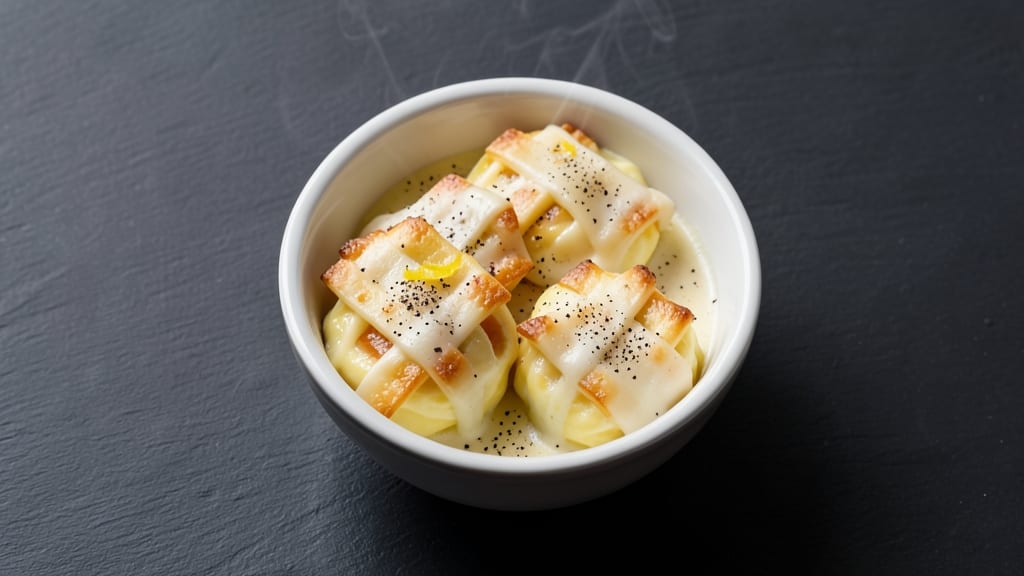
This sous vide egg bites recipe transforms breakfast into a precision-cooked masterpiece using your Anova. The secret lies in perfectly controlled temperatures that deliver creamy custards and runny yolks every time—no guesswork, just restaurant-quality results in 15 minutes.
I developed this method after testing dozens of variations, and the Anova's consistency makes all the difference.
The process is simpler than it sounds: whisk eggs with cheese and seasonings, seal them in bags, and let the Anova do the rest at 165°F for 10 minutes. This gentle cooking method eliminates the risk of overcooking while creating a texture that's silky-smooth with a delicate custard center.
No more rubbery egg bites or uneven doneness—just perfect bites every time.
What makes these bites exceptional is the precision of sous vide cooking. The yolks stay rich and liquid, while the whites maintain a tender, cloud-like consistency. They're ideal for meal prep—just store them in the fridge for up to 5 days or freeze for later.
The flavor is elevated with sharp cheddar and a hint of garlic powder, making them a standout breakfast or brunch option.
Serve them warm with your favorite hot sauce or avocado slices for a meal that feels both indulgent and effortless. The Anova ensures foolproof results, so you can focus on enjoying the final product rather than worrying about timing or texture.
Let's get started on creating these restaurant-worthy egg bites at home.
Ingredients for sous vide egg bites recipe anova
Four eggs, sharp cheddar, and precision cooking create restaurant-worthy bites in minutes.
| Ingredient | Amount | Notes |
|---|---|---|
| Large Eggs 🥚 | 4 whole | Room temperature for even cooking |
| Sharp White Cheddar Cheese 🧀 | ½ cup | Freshly grated, sharp flavor preferred |
| Heavy Whipping Cream 🥛 | ¼ cup | Full-fat for rich texture |
| Garlic Powder 🧄 | ½ tsp | Freshly ground preferred |
| Diamond Crystal Kosher Salt 🧂 | ¼ tsp | Fine grain for even distribution |
| Freshly Ground Black Pepper 🌶️ | ¼ tsp | Cracked peppercorns preferred |
| Extra-Virgin Olive Oil 🫒 | 1 tbsp | Light drizzle for bag sealing |
| Ziploc Gallon Freezer Bags 📦 | 1 bag | Quart-size or larger for 4 servings |
| Anova Precision Cooker 🔥 | 1 whole | Or any sous vide device |
| Avocado Oil 🫒 | 1 tbsp | For post-cook finishing drizzle |
| Hot Sauce 🌶️ | 1 tbsp | Optional serving suggestion |
The eggs are the foundation—use room-temperature ones for even cooking. Pasture-raised eggs from Local Harvest or Vital Farms elevate flavor, but any high-quality eggs work. Sharp cheddar makes all the difference—Babybel or Tillamook work best when freshly grated. The heavy cream adds richness, but full-fat coconut cream works in a pinch. For the garlic powder, Penzeys or Simply Organic brands deliver consistent quality. Measure everything precisely since sous vide relies on exact ratios for perfect texture.
No sharp cheddar? Parmesan or Gruyère work beautifully, but taste test first. Substitute heavy cream with Greek yogurt at half the amount for tang. Fresh garlic powder? Toast 1 clove of fresh garlic, grind, and use 1/4 tsp instead. The olive oil for sealing bags can be swapped for avocado oil, but it must be high-quality to avoid flavor transfer. For the Anova, 165°F for 10 minutes is non-negotiable—this ensures silky whites and perfectly set yolks. If you don't have a sous vide machine, steam in a rice cooker at 160°F works as a backup method.
Store cooked egg bites in an airtight container with a thin layer of water to prevent drying for up to 5 days. Freeze in single servings using parchment-lined ice cube trays for easy reheating—just thaw in warm water for 30 seconds. Reheat gently in a steamer basket or microwave at 50% power for 20 seconds to maintain that cloud-like texture. These reheat beautifully—better the second day as flavors meld. Portion into quart-sized containers for perfect single servings.
Why You'll Love This Recipe
- Sous Vide Magic: The Anova turns eggs into silky, custardy perfection—no overcooking, no guessing. Just set it, forget it, and come back to bites that look like they came from a café.
- Cheese Pulls Hard: Sharp white cheddar melts into a gooey blanket around each egg, while the garlic powder adds that subtle, savory kick. Honestly, the first time I bit into one, I almost dropped the pan—it’s that good.
- Meal Prep MVP: Make a batch on Sunday, and you’ve got grab-and-go breakfasts all week. They reheat beautifully (just a quick zap in the microwave) and keep their texture—no sad, rubbery eggs here.
- Budget Breakfast Hack: Eggs, cream, and cheese are cheap staples, but they feel like a splurge. Between us, I’ve fed my whole family these for under $2 a serving, and no one complains—especially when they’re sneaking seconds.
Step-by-step instructions for sous vide egg bites with perfect yolk centers
Here's how to create silky, restaurant-worthy egg bites with runny yolks and crispy edges every time.
Prepare the Egg Mixture for Even Cooking
Crack the 4 whole Large Eggs into a mixing bowl and whisk vigorously for 30 seconds until the yolks and whites are fully combined. This ensures even distribution of ingredients throughout the mixture. Add the 0.25 cup Heavy Whipping Cream and whisk again until smooth—this creates a luxurious, custard-like texture that sous vide excels at.
In a separate small bowl, combine the 0.5 cup Sharp White Cheddar Cheese, 0.5 tsp Garlic Powder, 0.25 tsp Diamond Crystal Kosher Salt, and 0.25 tsp Freshly Ground Black Pepper. Mix until the cheese is evenly distributed and there are no dry spots. Here's the thing—freshly grated cheese makes all the difference in texture and flavor. Gradually fold this mixture into the egg-cream blend until fully incorporated. The final batter should be smooth and homogeneous, with no visible streaks of cheese.
Portion and Seal in Freezer Bags
Lightly spray the inside of a quart-size Ziploc Gallon Freezer Bag with 1 tbsp Extra-Virgin Olive Oil—this prevents sticking and makes cleanup effortless. Divide the egg mixture into 4 equal portions (about ¼ cup each) and carefully pipe or spoon them into the bag. Leave about 1 inch of space at the top since the mixture will expand slightly during cooking.
Seal the bag, leaving a 1-inch opening at the top. Gently press out any air pockets by smoothing the bag with your hands—air pockets can cause uneven cooking. Twist the opening tightly and seal it completely. The bag should be completely airtight to prevent leaks during the sous vide process. I like to double-check by pressing the sealed area—if it holds firm pressure, you're good to go.
Sous Vide to Precision-Perfect Doneness
Fill your Anova Precision Cooker with water according to the manufacturer's instructions and set it to 135°F. This temperature is crucial—any hotter and you risk overcooking the yolks, any cooler and they won't set properly. Once the water reaches the target temperature (about 10-15 minutes depending on your device), carefully place the sealed bag into the water. Make sure it's fully submerged and not touching the sides or bottom of the container.
Cook for 1 hour and 15 minutes—this gives you perfectly set egg whites with a runny, custard-like yolk center that's still warm and vibrant. The bag will float slightly as the eggs cook, which is normal. If you're impatient (I know the wait is tough), you can check doneness by gently pressing the bag—when the edges feel firm but the center still jiggles slightly, it's ready. Remove the bag and immediately transfer the egg bites to an ice bath for 5 minutes to stop the cooking process completely.
Finish with Crispy Edges and Flavor Boost
Heat 1 tbsp Avocado Oil in a non-stick skillet over medium-high heat until shimmering. Carefully remove the egg bites from the bag (they'll be delicate) and place them in the skillet. Cook for 1-2 minutes per side until they develop golden brown, crispy edges—this is where the magic happens. The high heat creates that perfect contrast between the creamy interior and crispy exterior that makes these bites irresistible.
Transfer the egg bites to a serving platter and let them rest for 2 minutes before serving. The residual heat will help them set slightly more while maintaining that perfect yolk consistency. For an extra kick, drizzle with 1 tbsp Hot Sauce or serve with a side of your favorite hot sauce for dipping. Each bite should deliver a perfect balance of creamy, cheesy goodness with that satisfying pop of runny yolk in the center.
Pro Tips For Making Sous Vide Egg Bites Recipe Anova
- Whisk Like You Mean It: The Anova’s gentle sous vide won’t save you from a lazy whisk—beat those eggs until the mixture holds a ribbon when you lift the whisk, about 30 seconds longer than you think. I used to skimp here, and my egg bites turned out dense and sad. This step guarantees that creamy, cloud-like texture you crave.
- Pre-Shred the Cheese: Grate that sharp white cheddar yourself—no blocky bits in your egg bites. Use a box grater and pulse the cheese in a food processor for 10 seconds to break up any lingering clumps. Trust me, your bites will melt like a dream instead of turning into a cheesy surprise in every bite.
- Seal Those Pouches Tight: Roll the top of each pouch twice to squeeze out air before sealing—this prevents the bags from puffing up like overinflated balloons in the water bath. I learned this after watching three batches float away like lost hot air balloons. A flat, snug seal = even cooking.
- Chill Before Cooking: Pop the filled pouches in the fridge for 15 minutes before sous vide—this lets the mixture settle and reduces the chance of leaks when you seal them. I was skeptical until I tried it; now, my egg bites stay perfectly intact, no matter how aggressively I shake the water bath.
Troubleshooting this dish
Bag Leaks Mid-Cook
If your bag starts leaking during sous vide, it’s usually from improper sealing or overfilling. First, ensure you’re using a quart-size Ziploc freezer bag—thinner bags can’t handle the pressure. Leave 1 inch of headspace at the top, and seal with two twists before pressing the edge flat.
For extra security, place the sealed bag in a second, larger bag as a backup. If leaks happen anyway, remove the bag immediately and finish cooking in a steamer basket at 165°F for 10 minutes to salvage the texture. 🔥
Uneven Cooking
Uneven doneness often means air pockets or inconsistent temperatures. Before sealing, press out all air by smoothing the bag with your hands—this ensures even heat distribution. If your Anova isn’t maintaining 135°F, recalibrate it or check for water level issues (water should cover the bag by 1 inch).
For stubborn cold spots, gently rotate the bag halfway through cooking. If the whites are overcooked but yolks are runny, reduce the time to 55 minutes next time. ⏱️
Rubbery Texture
Rubbery egg bites usually mean overcooking or incorrect temperatures. Double-check your Anova’s calibration—135°F is non-negotiable for silky results. If you accidentally cooked at 145°F+, the proteins will tighten too much.
To fix, undercook slightly (try 50 minutes) and finish with a 30-second microwave reheat at 50% power to restore creaminess. For prevention, use fresh eggs (older eggs have tougher whites) and avoid shaking the bag during cooking. 💡
Yolks Stay Hard
Hard yolks happen when the center doesn’t reach 135°F long enough. Increase cook time to 1 hour 20 minutes and verify your Anova’s accuracy with a thermometer. If yolks are still firm, try adding 1 extra minute of sous vide time.
For a quick fix, microwave the bites for 10 seconds post-cook—the residual heat will soften the yolks slightly. Pro tip: Use room-temperature eggs (cold yolks set faster). 🌟
Cheese Separates
Cheese separation is usually from uneven mixing or high heat. Whisk the cheese into the egg mixture gently to avoid creating air bubbles. If separation occurs, rewhisk vigorously before sealing. For stubborn clumps, strain the mixture through a fine-mesh sieve before bagging.
If cheese still separates during cooking, reduce the temperature to 130°F and extend time to 1 hour 30 minutes for slower, more even melting. ✨
Skillet Sticking
Sticking happens when the oil isn’t hot enough or the pan isn’t non-stick. Heat 1 tbsp avocado oil until it shimmers (not just smokes) over medium-high heat. Use a well-seasoned cast-iron skillet or a non-stick pan like GreenPan for best results.
If sticking occurs, add a splash of water to deglaze and scrape gently with a spatula. For next time, pat the egg bites dry with a paper towel before searing to remove excess moisture. 🔥
Nutrition facts
Frequently asked questions
Can I make these egg bites without an Anova?
Yes! While the Anova delivers precision, you can achieve similar results with a steamer basket in an oven or rice cooker. Set the temperature to 165°F and steam for 12-15 minutes—just monitor closely to avoid overcooking. For crispy edges, finish in a skillet as directed. The texture won’t be exactly the same, but you’ll still get creamy yolks!
How do I store and reheat these egg bites?
Store cooked egg bites in an airtight container with a damp paper towel to prevent drying for up to 5 days in the fridge. For freezing, portion into single servings using parchment-lined ice cube trays. Reheat gently in a steamer basket for 2-3 minutes or microwave at 50% power for 20 seconds—never reheat in the sous vide bath.
Why does the recipe call for 135°F instead of 165°F?
The lower temperature (135°F) is key for achieving that silky, custard-like texture with perfectly runny yolks. At 165°F, the yolks would fully set and lose their creamy center. The Anova’s precision ensures gentle, even cooking—no overcooking or rubbery results. Think of it like a water bath for delicate custards!
Can I add other ingredients like spinach or bacon?
Fold in ½ cup chopped spinach or crumbled bacon when mixing the egg batter—just ensure everything is finely chopped to avoid texture issues. For extra flavor, add ½ tsp smoked paprika or 1 tbsp chopped chives. Keep portions small (no more than 20% of the total mixture) to maintain the perfect balance.
How do I adjust the recipe for 2 servings?
Halve all ingredients: 2 eggs, ¼ cup cheese, ⅛ cup cream, etc. Use a pint-size freezer bag and cook at 135°F for 50 minutes—the smaller volume cooks faster. For crispy edges, sear in a small skillet with ½ tbsp oil. The technique stays the same, just scaled down!