
Breakfast & Brunch
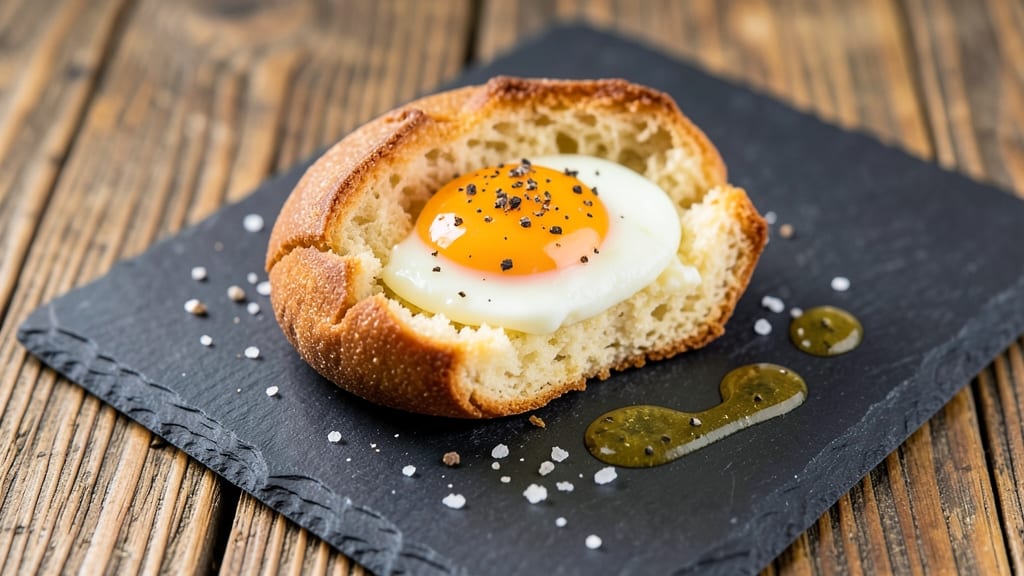
A soft-boiled egg in a biscuit recipe cradled in a warm, buttery biscuit is the ultimate breakfast indulgence—silky yolk meeting flaky crust in every bite. This recipe balances precision (timing the egg to 6 minutes for a runny center) with rustic charm (homemade biscuits baked until golden).
The secret lies in the contrast: the biscuit’s tender layers hold the egg’s warmth, while the yolk’s richness cuts through the buttery richness.
Most recipes treat this as a two-part challenge: mastering the egg’s texture and the biscuit’s structure. Here, we simplify both—6-minute eggs in a 350°F oven for 18 minutes—while ensuring the biscuit stays light enough to cradle the yolk without absorbing its moisture.
The result? A dish that’s equal parts comforting and elegant, perfect for brunch or a weekend treat.
What makes this version special is the plating flexibility: serve with a drizzle of hollandaise, a sprinkle of smoked paprika, or a dollop of chutney for brightness.
The biscuit’s buttery crust contrasts beautifully with the egg’s creaminess, while the runny yolk adds a luxurious finish. It’s the kind of breakfast that feels like a celebration.
Whether you’re recreating a classic British "egg in a basket" or putting your own spin on it, this recipe delivers restaurant-quality results at home. Let’s get started—your first bite will be worth the effort.
Ingredients for soft boiled egg in a biscuit
Four eggs, a buttery biscuit hug, and 18 minutes of magic—this is brunch perfection.
| Ingredient | Amount | Notes |
|---|---|---|
| Large Eggs 🥚 | 4 whole | Freshly refrigerated for perfect texture |
| All-Purpose Flour 🌾 | 2 cups | Sifted for light biscuit texture |
| Cold Unsalted Butter 🧈 | ¾ cup | Cubed for flaky layers (European-style preferred) |
| Buttermilk 🥛 | ¾ cup | Cold for tender biscuits |
| Baking Powder 🍞 | 2 tbsp | Diamond Crystal preferred |
| Kosher Salt 🧂 | 1 ½ tsp | Fine grain for even distribution |
| Granulated Sugar 🍚 | 1 tbsp | Balances richness |
| Smoked Paprika 🌶️ | ½ tsp | For subtle depth of flavor |
| Fresh Chives 🌿 | 2 tbsp | Chopped for garnish (optional) |
| Heavy Whipping Cream 🥛 | ¼ cup | For hollandaise drizzle (optional) |
| Lemon Juice 🍋 | 1 tbsp | Freshly squeezed for hollandaise |
| White Vinegar 🍶 | 1 tbsp | For egg water bath |
The eggs are the star, so room-temperature eggs make all the difference—they cook more evenly and hold their shape better. Kirkland Signature or Organic Valley eggs from the grocery store work perfectly, but if you're feeling fancy, grab a dozen from local farms for that ultra-creamy yolk. The biscuit dough needs to be cold when it goes into the oven—this keeps the butter from melting too fast and ensures those signature flaky layers. Store-bought biscuit dough is a lifesaver for busy mornings, but homemade (like the recipe calls for) gives you that restaurant-quality texture. Pro tip: don't overmix the dough—just combine the dry ingredients, cut in the butter until pea-sized, then fold in the buttermilk. Overworking it makes tough biscuits.
No buttermilk? Substitute with 3/4 cup milk + 1.5 tbsp vinegar—let it sit for 5 minutes to curdle. Running short on smoked paprika? Regular paprika plus a pinch of liquid smoke gets you close, but the real stuff adds that subtle campfire note. The biscuits can be made ahead—shape them, wrap in plastic, and refrigerate overnight. Bring to room temp before baking. For the hollandaise, Maille mustard is ideal, but any Dijon works. If you're not making hollandaise, a sprinkle of flaky sea salt and freshly cracked black pepper on the biscuits adds great contrast to the egg. The chives are optional but add that fresh, bright pop that cuts through the richness—worth the extra minute to chop them.
Biscuits keep for 2 days in an airtight container, but honestly, they're best the day they're made. The eggs? Prep them the night before—place them in a bowl of cold water with a splash of vinegar in the fridge. This keeps them fresh and ready to go. Leftovers? The biscuits reheat beautifully in a 350°F oven for 8-10 minutes—just wrap them in foil to keep them soft. The hollandaise can be made ahead and reheated gently in a double boiler, but it's best fresh. Store any extra in the fridge for up to 3 days, though I've never had any leftovers. This is the kind of breakfast that disappears fast.
Why You'll Love This Recipe
- Five-Ingredient Magic: I swear by this recipe because it’s that simple—just eggs, flour, butter, buttermilk, and baking powder. No fancy techniques, no last-minute grocery runs. Honestly, I’ve made it while waiting for coffee to brew.
- Buttery Creamy Crunch: That first bite? The biscuit’s tender crumb gives way to a runny yolk that coats your fork like silk. The cold butter in the dough keeps it flaky, and the buttermilk adds just enough tang to balance the egg’s richness.
- Breakfast or Brunch Hero: Serve it alongside crispy bacon for a weekend brunch spread, or pair it with sautéed greens for a quick weekday meal. My college-aged kids even grab one for a late-night snack—it’s that universally loved.
- Leftovers That Don’t Suck: Unlike most egg dishes, these reheat beautifully. Pop them in the oven for 5 minutes, and the biscuit stays soft while the yolk stays just warm enough to cut through. (Yes, even on a Tuesday night.)
Step-by-step instructions for soft-boiled eggs in biscuits
Here's how to create flaky biscuits with perfectly soft-boiled eggs at their center.
Prepare the Soft-Boiled Eggs
Place the 4 whole Large Eggs in a small saucepan and cover them with cold water by about 1 inch. Add 1 tablespoon white vinegar to help prevent cracking. Bring to a gentle boil over medium-high heat, then immediately reduce to low heat and set a timer for 6 minutes and 30 seconds. This precise timing ensures the whites are fully set while the yolks remain silky and runny.
While the eggs cook, prepare an ice bath in a large bowl by filling it halfway with ice and water. When the timer dings, transfer the eggs to the ice bath for 5 minutes to stop the cooking process completely. This shock treatment preserves the perfect texture. Once cooled, carefully peel the eggs under running water and pat dry with paper towels. Keep them at room temperature until ready to nestle into the biscuits.
Make the Biscuit Dough
In a large mixing bowl, combine the 2 cups All-Purpose Flour, 2 tablespoons Baking Powder, 1.5 teaspoons Kosher Salt, 1 tablespoon Granulated Sugar, and 0.5 teaspoon Smoked Paprika. Whisk gently to distribute the dry ingredients evenly. Cut in the 0.75 cup Cold Unsalted Butter using a pastry cutter or your fingers until the mixture resembles coarse crumbs with pea-sized butter pieces remaining.
Make a well in the center and pour in the 0.75 cup Buttermilk. Using a fork, gently stir until just combined—avoid overmixing. The dough should come together but still feel slightly shaggy. Turn it out onto a lightly floured surface and knead just 4-5 times until smooth. The cold butter creates flaky layers, so handle the dough as little as possible.
Create the Biscuit Cavities
Preheat your oven to 425°F. Roll the dough to about 1-inch thickness and cut out 4 circles using a 2.5-inch round cutter (or a glass of that diameter). Place each circle on a parchment-lined baking sheet. Using your thumb, gently press a 1-inch deep well into the center of each biscuit—just enough to cradle one of the soft-boiled eggs.
Carefully nestle one egg into each biscuit well, pressing lightly to secure it. The eggs should sit snugly but not be forced. Brush the tops of the biscuits with any remaining buttermilk for extra browning. Sprinkle with 2 tablespoons chopped Fresh Chives if using, for a pop of color and freshness.
Bake Until Golden and Flaky
Bake the biscuits for 12-15 minutes until they're golden brown at the edges and the internal temperature reaches 190°F. The biscuits should rise about 1 inch and develop a crisp, flaky crust. Watch closely after 10 minutes—high heat can cause them to brown quickly.
When done, transfer the biscuits to a wire rack and let them cool for 2 minutes before serving. The eggs should remain perfectly soft inside, with the yolk still runny. For an elevated touch, drizzle with a hollandaise sauce made from the 0.25 cup Heavy Whipping Cream and 1 tablespoon Lemon Juice, whisked together until smooth and slightly thickened.
Pro Tips For Making Soft Boiled Egg In A Biscuit
- Use Room-Temp Eggs: The cold eggs from the fridge plunge your biscuit dough into shock when they hit the hot pan. Let them sit out for 15-20 minutes first—this keeps the yolk from curdling like a science experiment gone wrong.
- Cut Butter No Smaller: I used to dice that cold butter into tiny cubes, thinking it would melt faster. Wrong. Keep those chunks ½-inch thick—they’ll steam the biscuit from within while keeping the center tender. (Yes, even if it looks like you’re making a crime scene.)
- Preheat Pan Like It’s 1987: Your stove’s "medium" setting is a lie. Crank that burner to medium-high and let the cast iron scream for 3-4 minutes before adding the biscuits. A cold pan = sad, dense results. (Trust me, I’ve cried over flat biscuits.)
- Press the Dough Hard: Don’t be gentle. Press that dough down firmly with your palm—like you’re trying to flatten a roach. This creates the flaky layers that make the biscuit worth eating. (And skip the rolling pin; it squashes the butter too much.)
Regional styles of this recipe
Southern U.S. Style
In the American South, this dish often takes the form of a classic egg sandwich—a soft-boiled egg nestled in a buttermilk biscuit with a sprinkle of flaky sea salt. The biscuit here is slightly denser, almost like a shortcake, to better hold the runny yolk.
I’ve seen Southern chefs add a dash of cayenne to the biscuit dough for a subtle kick, especially in Georgia or Alabama variations. Serve with a side of sautéed hash browns or crispy bacon for a hearty brunch. 🌶️
British "Egg in a Basket"
The British version, known as "egg in a basket," flips the script by using biscuit dough to form a basket shape around the egg, baked until golden. The biscuit here is thicker and sturdier, almost like a scone, to support the egg’s weight.
Traditionally, it’s baked on a cast-iron skillet for extra crispiness. I love adding a pinch of nutmeg to the dough for warmth, and topping it with a drizzle of hollandaise and chopped parsley. This version is a staple in English pubs and perfect with strong tea. ☕
Modern Fusion Twists
For a brunch upgrade, try a savory-sweet biscuit with a honey-glazed yolk—brush the baked biscuit with a mix of 1 tablespoon honey and ½ teaspoon smoked paprika before serving.
Another fun twist is a cheddar-jalapeño biscuit—fold ½ cup shredded sharp cheddar and 1 diced jalapeño into the dough for a spicy kick. In California, I’ve seen this dish served with avocado slices and everything bagel seasoning for a coastal vibe. 🌿
Gluten-Free Adaptation
For a gluten-free version, swap the all-purpose flour for a 1:1 gluten-free blend (like Bob’s Red Mill) and add ½ teaspoon xanthan gum to mimic the structure. Use cold dairy-free butter (like Miyoko’s) and unsweetened almond milk for the buttermilk substitute.
The biscuit will be slightly denser but still delicious. I’ve found that baking at 375°F for 16-18 minutes prevents over-browning while keeping the egg perfectly soft. 💪
Herbed Variations
Infuse the biscuit dough with fresh herbs for a garden-fresh twist. Try 1 tablespoon chopped thyme and 1 tablespoon chopped rosemary for a Provençal-inspired version, or 1 tablespoon chopped dill and 1 teaspoon lemon zest for a bright, citrusy flavor.
For a Mediterranean touch, add ½ teaspoon dried oregano and 1 minced garlic clove to the dough. These herbs pair beautifully with the rich egg yolk and add a fragrant depth. 🌿
Nutrition facts
Frequently asked questions
How do I get the perfect soft-boiled egg texture every time?
Use room-temperature eggs for even cooking and a 6-minute 30-second boil in gently simmering water (not rolling boil). The ice bath stops cooking instantly—5 minutes in ice water preserves that silky yolk. Vinegar in the water prevents cracking. Pro tip: Test one egg first to adjust timing for your stove.
Can I make the biscuits ahead of time?
Yes! Shape the biscuits, wrap in plastic, and refrigerate overnight. Bring to room temp before baking. For the eggs, prep them the night before by storing in cold water with vinegar in the fridge. Reheat biscuits at 350°F for 8-10 minutes—wrap in foil to keep them soft. The eggs should go straight from fridge to baking.
What if my biscuit dough is too sticky?
Cold butter and buttermilk make the dough naturally shaggy. If it's too sticky, chill for 15-20 minutes before handling. Add 1 tablespoon flour only if absolutely needed—overworking the dough makes tough biscuits. The key is cold ingredients and minimal kneading (just 4-5 turns).
How do I prevent the egg from leaking when baking?
Press the egg gently but firmly into the biscuit well so it sits flush. Use a 2.5-inch cutter for proper proportions—too large and the biscuit can't contain the egg. Bake at 425°F for 12-15 minutes maximum to avoid overcooking. The biscuit's buttery layers should seal the egg while staying tender enough to hold it.
What's the best way to serve this dish?
Classic pairings include a drizzle of hollandaise sauce, flaky sea salt, and chopped chives. For Southern style, add crispy bacon or hash browns. British versions often include strong tea and a sprinkle of parsley. Modern twists work with avocado slices or spicy mayo for dipping. Serve immediately—the yolk should be runny and warm!