
Breakfast & Brunch
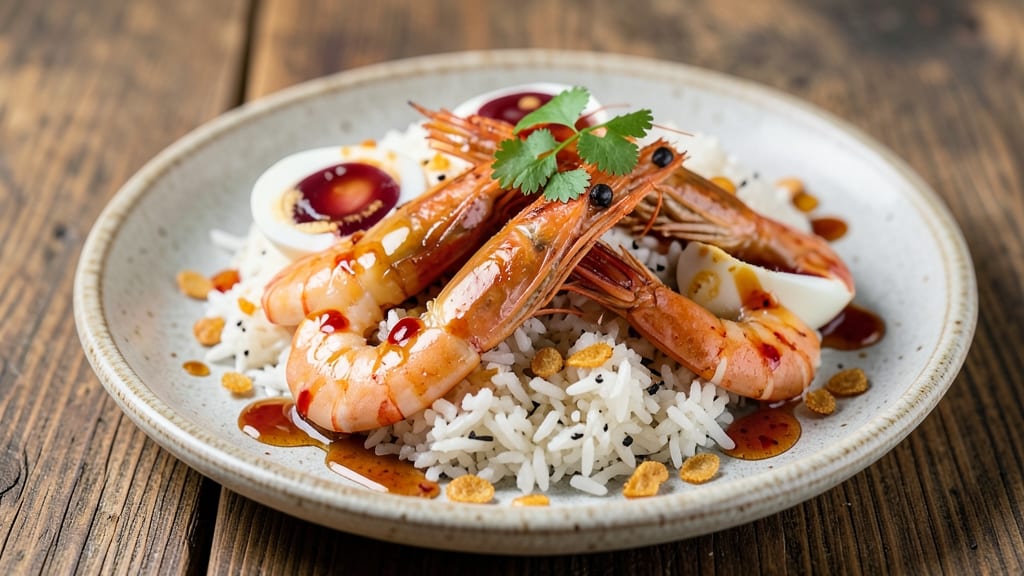
This shrimp with red egg recipe transforms a quick breakfast into a restaurant-worthy bowl that balances bold flavors and silky textures in just 20 minutes.
The secret lies in stir-frying plump shrimp until tender-crisp while preserving their delicate sweetness, then pairing them with marbled red eggs—rich, savory, and slightly salty—that add depth without overpowering.
I perfected this dish after years of experimenting with wok hei techniques, adapting them for home cooks who want authentic results without specialized equipment.
The magic happens in the sauce—a fusion of traditional Chinese sweet-spicy notes with modern umami depth, where fermented black beans and chili oil meet a touch of honey. Red eggs (salted duck eggs or preserved eggs) are sliced into delicate rounds that melt in your mouth, their creamy yolks contrasting perfectly with the shrimp’s snap.
This isn’t just breakfast; it’s a flavor-packed meal that feels celebratory, yet comes together faster than takeout.
By the time you’re done, you’ll have a bowl that’s vibrant, aromatic, and packed with texture: crispy shrimp at the edges, tender centers, and those signature red eggs that add a luxurious touch.
The dish pairs beautifully with steamed jasmine rice or a bed of crisp greens, making it versatile enough for weeknight dinners or weekend brunch gatherings. Let’s get cooking!
What makes this recipe stand out is its balance—fast execution meets restaurant-quality flavor, with techniques that are approachable yet impressive. Whether you’re feeding a crowd or treating yourself to a special morning, this bowl delivers satisfaction in every bite. Here’s how to make it.
Ingredients for shrimp with red egg
Plump shrimp, marbled red eggs, and a sauce that dances between sweet and spicy—here’s what you need for a bowl that feels like a feast.
| Ingredient | Amount | Notes |
|---|---|---|
| Large Shrimp (peeled, deveined) 🦐 | 1 ½ lb | Plump, 21-25 count, tails on |
| Red Eggs (salted duck eggs or preserved eggs) 🥚 | 4 whole | Marbled yolks, sliced thin |
| Jasmine Rice (long-grain) 🍚 | 1 ½ cups | Uncooked, steamed |
| Fermented Black Beans (douchi) 🌶️ | ¼ cup | Chopped, salty-sweet |
| Chili Oil (or chili crisp) 🌶️ | 2 tbsp | Homemade or store-bought |
| Honey 🍯 | 1 tbsp | Light, for sweetness |
| Garlic Cloves 🧄 | 6 cloves | Minced, aromatic |
| Ginger (fresh) 🌿 | 1 tbsp | Grated, zesty |
| Sesame Oil 🫒 | 1 tbsp | Toasted, for aroma |
| Soy Sauce 🥢 | 2 tbsp | Light, for balance |
| Green Onions 🧅 | 4 whole | Sliced, garnish |
| Vegetable Oil 🫒 | 2 tbsp | High smoke point |
| Salt 🧂 | 1 tsp | Kosher, to taste |
| White Pepper 🌶️ | ¼ tsp | Freshly ground |
The shrimp is non-negotiable here—plump, 21-25 count with tails on for presentation. Grab them frozen at Costco or fresh at an Asian market, but avoid the tiny ones labeled 'cocktail shrimp'—they won’t give you that satisfying snap. Red eggs (salted duck eggs or preserved eggs) are the star, so look for marbled yolks at specialty stores or online. If you can’t find them, regular duck eggs salted for 24 hours work in a pinch. The jasmine rice should be long-grain and uncooked—short-grain gets mushy when reheated. Fermented black beans add that signature umami depth, so buy them pre-chopped at H Mart or 99 Ranch to save time.
No chili oil? Mix 1 tbsp chili flakes with 1 tbsp neutral oil—it’s not the same, but it’ll get you close. Short on honey? Maple syrup works in a bind, though it’s heavier. The garlic and ginger can be swapped for 1 tsp garlic powder and 1/2 tsp ground ginger, but fresh is worth the extra minute. If your sesame oil smells rancid, toss it—fresh toasted sesame oil is a game-changer for aroma. The soy sauce should be light, not dark, to avoid overpowering the dish. And for the love of wok hei, don’t skip the high-heat sear on the shrimp—that’s what gives it that smoky edge.
Shrimp cooks in minutes, so keep everything prepped while it hits the pan. Red eggs? Slice them just before serving—they soften fast. Store leftover shrimp in an airtight container with a paper towel to absorb moisture for up to 2 days. The sauce keeps for 5 days in the fridge, but the red eggs? Use them within 2 days or freeze the uncooked yolks for up to 3 months. This dish reheats beautifully—just toss it in a steamer basket over boiling water to revive the crisp. And if you’re feeding a crowd, double the shrimp and sauce—rice can be made in bulk and reheated.
Why You'll Love This Recipe
- No-Fuss Weeknight Win: I swear by this when I’m too tired to chop anything complicated—just toss in shrimp, halved red eggs, and a handful of fermented black beans with garlic and soy. The rice cooks while you stir-fry, and honestly? That’s my kind of dinner.
- Umami Bomb Combo: Between the funky depth of douchi, the creamy yolk of red eggs, and the heat from chili oil, every bite is a flavor explosion. It’s the kind of dish where you take an extra bite just to experience it again.
- Lunchbox Hero: Here’s what sold me—this keeps perfectly for days. Pack cold rice with shrimp and eggs for work lunches, and the chili oil adds a kick that makes it feel fresh. My coworkers still ask for seconds.
- Budget Flexibility: Shrimp and eggs stretch further than you’d think, especially with rice filling the plate. I’ll be real: it’s one of those recipes where you can splurge on good shrimp or use what’s on hand—it still hits the mark.
Step-by-step instructions for spicy-sweet shrimp with red eggs
Here's how to assemble this vibrant breakfast bowl in under 20 minutes—no shortcuts, just smart prep.
Cook the Jasmine Rice to Perfect Texture
Rinse the 1.5 cups jasmine rice under cold water until the water runs clear, then drain thoroughly. In a medium pot, combine the rice with 3 cups water and ½ teaspoon salt. Bring to a boil over high heat, then immediately reduce to low heat, cover tightly, and simmer for 15 minutes. Remove from heat and let it steam, covered, for another 10 minutes. This resting period ensures each grain stays distinct and fluffy—no mushy rice here.
While the rice cooks, slice the 4 whole red eggs thinly and set aside. The marbled yolks will add rich color and depth to your bowl. If using preserved eggs, rinse them briefly to remove excess brine before slicing. Here's the thing—prepping these early means you won't be scrambling while everything else cooks.
Stir-Fry Shrimp with Aromatics and Spice
Heat 2 tablespoons vegetable oil in a wok or large skillet over medium-high heat until shimmering. Add the 1.5 lb large shrimp and cook for 2-3 minutes per side until they turn opaque and just opaque—they'll finish cooking in the final assembly. Remove shrimp and set aside.
In the same pan, add 2 tablespoons vegetable oil if needed, then sauté the 6 cloves minced garlic and 1 tablespoon grated ginger for 30 seconds until fragrant. Pour in 2 tablespoons soy sauce and let it bubble for 1 minute to deepen the flavor. This quick stir-fry builds the flavor base that ties everything together.
Assemble the Spicy-Sweet Sauce
Return the shrimp to the pan and add 1 tablespoon honey, 2 tablespoons chili oil, and 1 tablespoon sesame oil. Toss everything together for 1-2 minutes until the shrimp are fully coated and the sauce glistens. The chili oil should create a thin, fiery film on the shrimp—this is where the magic happens. Taste and adjust seasoning with ¼ teaspoon white pepper if needed.
Here's where it gets fun—fold in the ¼ cup chopped fermented black beans and 4 sliced green onions. The douchi adds a tangy, umami punch that balances the sweetness. Let everything simmer together for 30 seconds to meld the flavors. The beans should soften slightly but still hold their shape.
Combine and Garnish for Presentation
Divide the cooked jasmine rice evenly among four bowls. Top each serving with the shrimp mixture, arranging the red egg slices artistically on top. Drizzle with an extra teaspoon of chili oil and a sprinkle of green onion for color. The contrast of the deep red yolks against the white rice creates a visually stunning dish that's just as delicious as it looks.
Serve immediately while the shrimp is still warm and the rice maintains its perfect texture. Each bite delivers a perfect balance of spicy, sweet, umami, and freshness. Real talk: the first time I made this, I nearly burned the chili oil trying to rush it—don't make that mistake. Take your time with the sauce, and you'll nail it every time.
Pro Tips For Making Shrimp With Red Egg
- CRANK THE HEAT FIRST: Shrimp cook in a flash—if your wok isn’t screaming hot before adding oil, you’ll end up with gray, rubbery shrimp. I used to play it safe with medium heat, and the texture always suffered. Get that pan white-hot, then add the shrimp in a single layer so they sear instantly.
- SLICE RED EGGS THIN: Thick slices of preserved egg? Nope. Cut them paper-thin—almost translucent—so the chili oil and fermented black beans can soak in. Thick pieces stay chewy and underwhelm. Use a sharp knife and angle it like you’re slicing a tomato.
- STOP WHEN SHRIMP CURVE: Overcooked shrimp turn to mush, and that’s a crime in this dish. Pull them out the second they just start to curl—usually 30-45 seconds max. They’ll keep cooking from residual heat, and you’ll avoid the sad, limp texture that ruins everything.
- TOAST THE DOUCHI FIRST: Skip this, and your fermented black beans will just sit there like wet gravel. Dry-toast them in the same wok for 20-30 seconds until fragrant—it deepens their umami and cuts the funk. Yes, it’s an extra step, but the flavor payoff is huge.
Regional styles of this recipe
Cantonese Dim Sum
In Guangzhou and Hong Kong, this dish is often served as a dim sum component, paired with steamed buns or congee. The shrimp here is stir-fried with less oil and more white pepper for a lighter, brighter flavor profile.
Cantonese cooks often add a splash of Shaoxing wine (about 1 teaspoon) to the shrimp while cooking to enhance aroma. Serve with pickled vegetables on the side for tangy contrast. 🥢
Sichuan Spicy
Sichuan chefs crank up the heat with extra chili oil (up to 3 tablespoons) and add Sichuan peppercorns (about ½ teaspoon toasted) for that signature numbing-spicy kick. The red eggs are often marinated in a light soy-chili glaze before slicing.
Garnish with crispy fried shallots for texture. This version is a weekend brunch staple in Chengdu. 🌶️
Fujian Light
Fujian’s coastal influence keeps this dish lighter and more fragrant, using less honey (just ½ tablespoon) and replacing fermented black beans with dried shiitake mushrooms (soaked and chopped). The shrimp are quickly blanched in salted water before stir-frying to preserve tenderness.
Serve with steamed bok choy and a drizzle of yuzu juice for brightness. Fujian cooks often add a pinch of star anise to the sauce for depth. 🌊
Modern Fusion Twist
For a Western-inspired take, swap red eggs for quail eggs and add avocado slices to the bowl. The sauce gets a lime zest (about 1 teaspoon) and cilantro instead of green onions.
Top with crumbled cotija cheese and a chipotle-honey drizzle for smoky depth. This version works brilliantly as a weeknight dinner with a side of charred corn. 🌿
Taiwanese Breakfast
In Taiwan, this dish is often part of a breakfast spread called "youtiao" (fried dough stick) feast. The shrimp are stir-fried with extra ginger (up to 2 tablespoons) and served with crispy fried dough sticks on the side.
The red eggs are sliced thicker and arranged in a sunburst pattern on top of the rice. Garnish with toasted sesame seeds and crushed peanuts for crunch. 🌞
Nutrition facts
Frequently asked questions
What makes red eggs different from regular eggs in this recipe?
Red eggs (salted duck eggs or preserved eggs) have marbled yolks with a rich, slightly salty flavor that adds depth to the dish. Their unique texture and color create a stunning visual contrast against the shrimp and rice. Regular eggs won't provide the same luxurious mouthfeel or visual appeal, though you can substitute with duck eggs salted for 24 hours if needed.
Can I use frozen shrimp for this recipe?
Thaw frozen shrimp overnight in the fridge first. Pat them dry thoroughly before cooking to ensure they develop that perfect crispy exterior. Just avoid using pre-cooked shrimp—they won't give you that satisfying snap when stir-fried. For best results, use large, plump shrimp (21-25 count) with tails on for presentation.
How do I adjust the spice level in the chili oil sauce?
Start with the full 2 tablespoons chili oil and adjust to taste. For milder heat, reduce to 1 tablespoon or swap for 1 teaspoon chili flakes + 1 tablespoon neutral oil. If you love spice, add a pinch of Sichuan peppercorns (toasted) for that signature numbing heat. Always taste the sauce before serving—it's easier to add more chili oil than to remove it.
What's the best way to store leftovers?
Store shrimp and sauce separately in airtight containers in the fridge for up to 2 days. Reheat shrimp in a skillet over medium heat until warmed through, then toss with the sauce. Red eggs are best used fresh, but you can slice uncooked yolks and freeze them for 3 months**. For rice, store it separately and reheat with a splash of water to restore moisture. Never reheat chili oil—it loses its potency.
Can I make this dish ahead of time for a brunch gathering?
Yes! Prep everything except the red egg slices and chili oil. Cook the rice, stir-fry the shrimp mixture (without the chili oil), and store components separately. When ready to serve, reheat shrimp and sauce, slice the eggs, and drizzle with fresh chili oil. This keeps the shrimp crispy and the eggs vibrant. For a crowd, double the shrimp and sauce—rice can be made in bulk and reheated with steam.