
Breakfast & Brunch
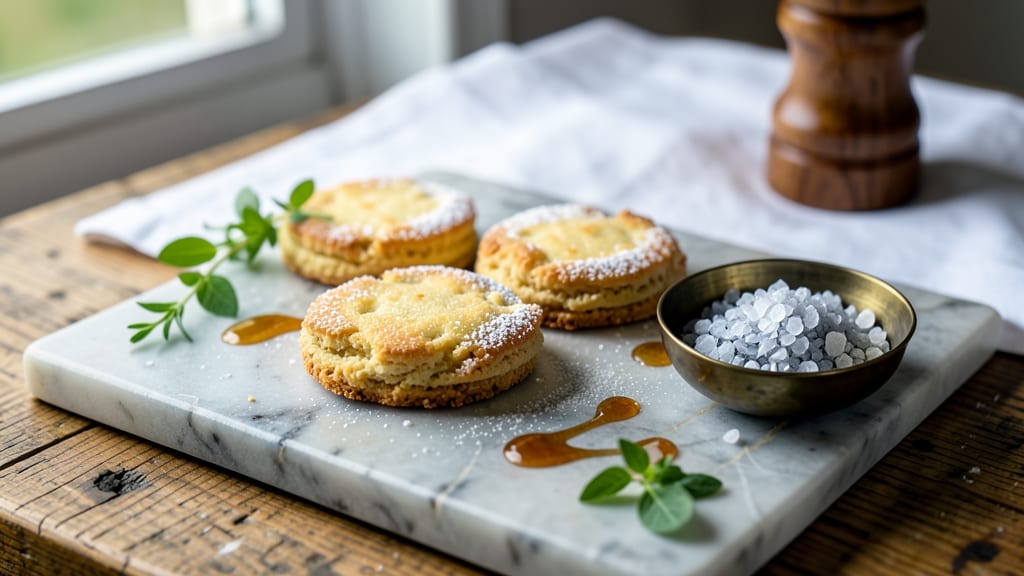
This shortbread cookie recipe with egg yolk delivers the perfect balance of golden crunch and buttery tenderness—every bite is a crispy, melt-in-your-mouth pillow. The egg yolk is the secret weapon, binding the dough just enough to create that signature shortbread texture while adding subtle richness that keeps them irresistibly flavorful.
After years of perfecting the technique, I’ve cracked the code for achieving crisp edges and tender centers without overbaking.
The beauty of this recipe lies in its simplicity: just four ingredients—flour, butter, sugar, and that magical egg yolk—come together to create cookies that taste like a luxurious treat. The dough is chilled to prevent spreading, ensuring clean, buttery slices when you cut them.
Baking at a precise 325°F for 12–15 minutes guarantees a golden finish without drying them out, while the egg yolk’s moisture keeps the centers soft and pillowy.
What sets these apart is the contrast—crispy edges give way to a velvety interior that practically melts on your tongue. The egg yolk’s richness deepens the buttery flavor, making them taste even more indulgent than store-bought varieties.
Whether you’re serving them with tea, gifting them in a tin, or simply enjoying a batch fresh from the oven, these cookies are foolproof and always impressive.
For extra flair, you can dust them with powdered sugar or a sprinkle of flaky salt, but they’re already perfect as-is. The recipe scales easily, so you can bake a single batch for a cozy afternoon or double it for holiday gifting.
Let’s get started on cookies that’ll have everyone asking for the recipe.
Ingredients for shortbread cookie recipe with egg yolk
Four ingredients, one magical yolk—these cookies are your new obsession.
| Ingredient | Amount | Notes |
|---|---|---|
| Unsalted Butter 🧈 | 1 cup | Cold, cubed for even texture |
| All-Purpose Flour 🌾 | 2 cups | Sifted for lightness |
| Granulated Sugar 🍚 | ¼ cup | Superfine for smooth texture |
| Large Egg Yolks 🥚 | 2 whole | Room temperature preferred |
| Flaky Sea Salt 🧂 | ¼ tsp | For finishing (optional) |
| Powdered Sugar 🍚 | 1 tbsp | For dusting (optional) |
The butter is everything. European-style butter like Plugrá or Land O'Lakes has higher fat content, which gives you that signature melt-in-your-mouth texture. Grab it cold from the fridge—cubed, not melted—so it distributes evenly in the dough. If you're using regular unsalted butter, no worries, but don't skip the chilling step. The egg yolks? Room temperature makes them easier to mix in, but if they're cold, just let them sit for 10 minutes. Flour matters too—King Arthur or Gold Medal brands work best for that tender crumb. And don't even think about using self-rising flour—this isn't cake.
No superfine sugar? Pulse regular granulated sugar in a food processor for 10 seconds—it'll work in a pinch. Short on egg yolks? Use 1 whole egg plus 1 extra yolk for the same richness. Want to skip the optional powdered sugar or salt? Totally fine—these cookies are already perfect as-is. The dough is sensitive, so measure your flour by spooning it into the cup and leveling off. Packing it down makes the cookies dense. And if you're worried about spreading, chill the dough for at least 2 hours—overnight is even better. Trust me on this.
The dough keeps for 3 days in the fridge, wrapped in plastic, but it's best used fresh. If you're prepping ahead, shape the cookies and freeze them on a tray before baking—just add 1-2 minutes to the bake time when frozen. Once baked, they stay crisp at room temperature for 5 days in an airtight container. For gifting, layer with parchment paper between batches. And if you're doubling the recipe? Use two egg yolks plus 1 whole egg—the extra yolk keeps the dough from getting too dry.
Why You'll Love This Recipe
- No Mixer Needed: I swear by this recipe because it only requires a fork and a bowl—no stand mixer, no food processor. Just cold butter, sugar, and yolks crushed together until it magically comes together like wet sand. Honestly, my 10-year-old "helps" with this step, and the dough always turns out perfect.
- Rich Without Overpowering: That single egg yolk? It’s the secret weapon—creamy, tender crumb with just enough richness to make them melt in your mouth. The sugar caramelizes at the edges, and the flaky sea salt? It’s like a tiny burst of ocean in every bite. (Yes, even on a Tuesday night.)
- Holiday or Snack Attack: These cookies freeze like a dream, so I bake a batch in December and pull them out all winter. But they’re also my go-to for gift baskets or when I need something fancy for a potluck—no one guesses they’re this easy to make.
- Pantry Staples Only: I’m talking butter, flour, sugar, and eggs—ingredients I already have on hand. No weird substitutions or specialty items. And because they keep for days in an airtight tin, I’m never scrambling for last-minute treats. My secret weapon for lazy days.
Step-by-step instructions for shortbread cookies with egg yolk
Here's how to make buttery, crumbly shortbread cookies with that signature golden crunch.
Cut and Chill the Butter
Place the 1 cup unsalted butter in the freezer for 15 minutes until firm but still pliable. Cut it into ¼-inch cubes using a sharp chef's knife—this ensures even distribution and prevents melting during mixing. I like to work quickly here because cold butter is easier to handle, but don't let it get rock-hard or it'll be tough to incorporate later.
While the butter chills, sift the 2 cups all-purpose flour into a medium bowl. This removes any lumps and aerates the flour for a lighter texture. I always sift directly into the mixing bowl to avoid extra steps later. Keep the bowl nearby—you'll need it in the next step.
Cream Butter and Sugar
In a stand mixer fitted with the paddle attachment, beat the cold butter cubes on medium speed for 2-3 minutes until completely smooth and creamy. You'll see the butter transform from chunky to pale yellow and fluffy. This process incorporates air, which helps create those signature shortbread layers.
Add the ¼ cup granulated sugar and mix on medium speed for another 1-2 minutes until the mixture is light and airy. You're looking for a texture similar to wet sand—it should hold its shape when pressed but still be soft. If it feels too dry, that's okay; we'll fix it in the next step. Scrape down the sides of the bowl with a spatula to ensure even mixing.
Add Egg Yolks and Form the Dough
Add the 2 whole large egg yolks one at a time, mixing on low speed for 30 seconds after each addition. The mixture will look slightly curdled at first, but don't worry—it'll come together. I like to use room-temperature yolks because they blend more smoothly, but if yours are cold, just give them a quick pulse in the mixer to warm them up slightly.
With the mixer still running on low speed, gradually add the sifted flour until just combined. You'll know it's ready when the dough forms a shaggy mass that comes together when pressed. Be careful not to overmix—shortbread dough is delicate, and too much mixing develops gluten, which makes the cookies tough. Stop mixing as soon as the dough holds together when pressed.
Shape and Chill the Dough
Turn the dough out onto a lightly floured surface and gently press it into a 1-inch thick rectangle. Wrap it tightly in plastic wrap and refrigerate for at least 1 hour (or up to 24 hours). Chilling firms up the butter and makes it easier to slice even cookies. I usually let it rest overnight—this extra time enhances the flavor and texture.
Here's the thing—don't skip this step. Cold dough slices cleanly and bakes up with those perfect crisp edges. If you're in a hurry, you can freeze the dough for 30 minutes as a shortcut, but chilling in the fridge gives the best results.
Step 5: Bake to Golden Perfection
Preheat your oven to 325°F—this lower temperature ensures even baking without browning too quickly. Line two baking sheets with parchment paper. Using a sharp knife or pizza cutter, slice the chilled dough into ½-inch thick rectangles. Place them 1 inch apart on the prepared baking sheets—they won't spread much, but they need room to bake evenly.
Bake for 20-25 minutes until the edges are golden brown and the centers look just slightly underdone. The cookies should be firm to the touch but still soft in the middle. Rotate the pans halfway through baking for even heat distribution. Remove from the oven and let them cool on the baking sheets for 5 minutes before transferring to a wire rack.
Finish with Salt and Sugar (Optional)
While the cookies are still warm, sprinkle them generously with flaky sea salt and powdered sugar. I like to do this right after baking when the cookies are warm—the sugar melts slightly for a beautiful finish. Let them cool completely before serving, as they'll firm up as they sit.
These shortbread cookies should have a delicate crumb, buttery richness, and that signature crisp edge. Store them in an airtight container at room temperature for up to 1 week, or freeze for up to 3 months. Enjoy them with tea or coffee—you've earned it!
Pro Tips For Making Shortbread Cookie Recipe With Egg Yolk
- CHILL THE DOUGH: Cut the butter-flour mixture into a disk, wrap it tightly in plastic, and refrigerate for at least 1 hour before rolling. I used to skip this and wondered why my cookies spread like pancakes—cold dough holds its shape and bakes more evenly.
- WEIGH THE BUTTER: Use a kitchen scale for the butter (225g for a standard recipe). Packed cups of butter vary wildly, and this recipe relies on precise fat-to-flour balance. I learned this the hard way when my first batch turned out greasy and crumbly.
- PRESS, DON’T ROLL: Shape the dough into a log, then press it firmly into a pan with your palms instead of rolling it out. This creates the signature layered texture without overworking the gluten. Sounds weird, but it works—my grandmother swore by it, and the results speak for themselves.
- EGG YOLK FIRST: Mix the egg yolks with the sugar before adding them to the butter mixture. This keeps the yolks from cooking prematurely and ensures a smoother dough. I was skeptical until I tried it—now I never go back.
Flavor customization for this recipe
Citrus Twist
Brighten up your shortbread with zest—add 1 teaspoon lemon or orange zest to the dough along with the sugar. The citrus cuts through the richness while adding a refreshing aroma.
I like to use organic Meyer lemons for their sweet-tart balance. Pair with a sprinkle of turbinado sugar on top for extra crunch and visual appeal. 🍋
Spiced Variations
Warm up your cookies with ½ teaspoon ground cinnamon or ¼ teaspoon cardamom mixed into the dough. For a cozy twist, add ¼ teaspoon vanilla extract along with the egg yolks—it deepens the buttery flavor.
If you're feeling adventurous, try ½ teaspoon espresso powder for a subtle coffee note that enhances the sugar. 🌶️
Chocolate-Dipped Luxe
Take your cookies to the next level by dipping half of each cookie in melted dark chocolate (use 70% cacao for balance). Let the chocolate set slightly before placing them back on parchment.
For extra decadence, sprinkle with crushed hazelnuts or sea salt flakes while the chocolate is still wet. Store in the fridge for 10 minutes to set completely. 🍫
Herb-Infused Elegance
Add 1 tablespoon finely chopped fresh rosemary or thyme leaves to the dough for an unexpected herbal note. The herbs pair beautifully with the butter and complement tea or cheese pairings.
For a more pronounced flavor, infuse the butter first by melting it with the herbs, then letting it cool and harden before cubing. 🌿
Nutty Crunch
Fold in ¼ cup chopped walnuts or pecans to the dough for texture contrast. Toast the nuts first in a dry pan over medium heat for 3-4 minutes until fragrant—this enhances their flavor. For a sweeter version, use toasted almonds and add 1 tablespoon maple syrup to the dough. 🌰
Boozy Enhancements
Elevate your cookies with a splash of 1 tablespoon bourbon, rum, or amaretto mixed into the dough. The alcohol enhances the caramelization during baking, creating deeper flavor. For a festive touch, add ½ teaspoon orange liqueur along with the zest.
Let the dough rest for 30 minutes after mixing to allow the alcohol to mingle with the other ingredients. 🍸
Nutrition facts
Frequently asked questions
Why use egg yolk instead of whole eggs in shortbread?
The egg yolk adds rich, velvety moisture without making the cookies too tender or cakey. Whole eggs would add too much liquid, risking a denser texture. The yolk's fat content also enhances the buttery flavor while keeping the centers soft and the edges crisp. For extra richness, you can even use 3 yolks instead of 2 whole eggs!
Can I make these without a stand mixer?
Use a pastry cutter or two forks to cut the cold butter into the flour until it resembles coarse crumbs. Then mix in the yolks by hand until just combined. The dough will be slightly less fluffy but still delicious. Just be extra gentle when mixing to avoid overworking the gluten.
How do I fix if my dough is too crumbly?
Add 1-2 teaspoons of ice water at a time until the dough holds together when pressed. If it's still too dry, try adding ½ teaspoon of cold milk or heavy cream instead. The key is to work quickly—don't overmix once you add the liquid, or the cookies may turn out tough.
Can I bake these at a higher temperature to save time?
No—higher heat (350°F+) causes the butter to melt too quickly, leading to spread cookies with cakey centers. Stick to 325°F for even baking. If you're short on time, chill the dough for 2 hours (instead of overnight) and reduce the bake time by 2-3 minutes—just watch closely for golden edges.
Why do my cookies turn out greasy?
Greasy cookies usually mean the butter melted during mixing or baking. Always use cold butter cubes and mix on low speed. For baking, ensure your oven is fully preheated and use parchment paper to prevent sticking. If the dough feels too soft, chill it 30 minutes longer before slicing.