
Breakfast & Brunch
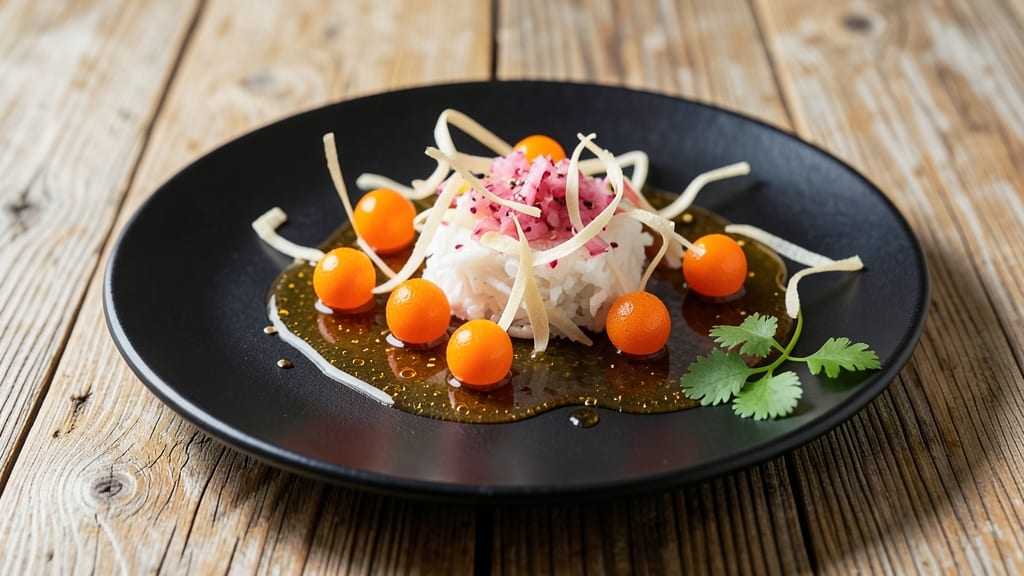
This shark egg recipe transforms delicate tobiko or masago into a showstopping breakfast centerpiece with smoky depth and bright umami—perfect for elevating any brunch spread. 💛 The secret lies in balancing their natural brininess with subtle heat and acidity, creating a dish that’s both visually stunning and deeply flavorful.
Whether you’re serving them as a standalone garnish or weaving them into a sushi-inspired bowl, these tiny eggs pack a surprising punch of texture and complexity.
What makes this recipe special is its versatility—you can prepare the eggs raw for a fresh, crunchy bite or gently marinate them in a smoky soy glaze for added depth.
The key technique is proper draining and rinsing (if using canned) to remove excess brine, ensuring each egg maintains its signature pop of color and texture. This method works equally well for traditional Japanese-inspired dishes or modern fusion breakfasts.
The result is a dish that’s as impressive to look at as it is to eat: vibrant orange eggs scattered like confetti over creamy avocado toast, nestled into fluffy scrambled eggs, or sprinkled atop chilled soba noodles.
The smoky umami glaze ties everything together, creating a harmony of flavors that’s both sophisticated and approachable. Perfect for brunch gatherings or when you want to add a restaurant-worthy touch to your morning meal.
For best results, use high-quality tobiko or masago and handle them gently to preserve their delicate structure. Pair with complementary flavors like sesame seeds, scallions, or a drizzle of spicy mayo for a balanced bite. This recipe delivers professional-level presentation with minimal effort—ideal for home cooks looking to impress.
Ingredients for shark egg
Nine ingredients transform delicate shark eggs into a brunch showstopper with smoky umami depth and vibrant texture.
| Ingredient | Amount | Notes |
|---|---|---|
| Tobiko or Masago Shark Eggs 🐟 | ½ cup | High-quality, fresh or canned (drained well) |
| Tamari or Coconut Aminos 🥢 | 2 tbsp | Gluten-free soy sauce alternative |
| Sesame Oil 🌿 | 1 tbsp | Toasted for nutty aroma |
| Mirin 🍶 | 1 tbsp | Sweet rice wine for balance |
| Rice Vinegar 🍶 | 1 tbsp | White or seasoned variety |
| Agave Nectar 🍯 | 1 tsp | Substitute honey if preferred |
| Smoked Paprika 🌶️ | ¼ tsp | For smoky depth (adjust to taste) |
| Toasted Sesame Seeds 🌰 | 1 tsp | For garnish and crunch |
| Fresh Scallions 🧅 | 2 whole | Thinly sliced for brightness |
| Avocado Oil 🫒 | 1 tbsp | High smoke point for cooking |
| Spicy Mayo 🥛 | ¼ cup | Store-bought or homemade (optional) |
| Sushi Rice 🍚 | 1 cup | Cooked, for serving base (optional) |
The quality of your tobiko or masago makes all the difference—look for bright orange color and firm texture at specialty stores like Whole Foods or Asian markets. If using canned, rinse thoroughly to remove excess brine, which dulls flavor. Trader Joe's often carries pre-drained options, saving you time. For extra luxury, opt for fresh tobiko from seafood purveyors—they hold their shape better when marinated. Handle these delicate eggs gently; their signature pop comes from proper preparation, not force.
No tamari? Coconut aminos work perfectly, or even light soy sauce in a pinch. Want more heat? Add a pinch of chili flakes or sriracha to the glaze. The mirin is non-negotiable for that sweet-savory balance, but honey in a 1:1 swap works if you're in a bind. For the sesame oil, toast it gently in a dry pan for 30 seconds before adding to the glaze—this deepens the nutty aroma. Pre-made spicy mayo from Trader Joe's cuts corners beautifully, but homemade (mayo + sriracha) is a game-changer if you're feeling ambitious.
Store any leftover glaze in an airtight container for up to 5 days in the fridge—it's perfect for drizzling over future dishes. The shark eggs themselves keep best when drained and refrigerated in a sealed container for 2-3 days, though they're best used immediately. For presentation, pipe the glaze over the eggs just before serving to maintain their delicate texture. These make stunning garnishes for 3-4 days if stored properly, so double the batch—they disappear fast at brunch!
Why You'll Love This Recipe
- Five-Ingredient Magic: The pantry already has most of this—just crack open the tobiko, splash in tamari, and let the sesame oil do its thing. No chopping, no fuss, just a quick glaze that transforms rice, noodles, or even a simple salad into something special.
- Umami Bomb: That first bite? The tamari and mirin marry the briny tobiko into something addictive—salty, sweet, and nutty all at once. Honestly, I’ve made this over rice three nights in a row, and I’m still not tired of it.
- Weeknight Flex: Dress up takeout sushi or toss it with leftover roasted veggies. The glaze works on everything—even scrambled eggs if you’re desperate for flavor. My lazy Sundays now include this in rotation.
- Leftovers That Shine: The glaze thickens beautifully when reheated, so it’s perfect for meal prep. Store it in the fridge for up to five days, and the second time around? Tastes like you just made it fresh. (Yes, even on a Tuesday night.)
Step-by-step instructions for fluffy shark egg clouds
Here's how to transform delicate shark eggs into ethereal, smoky-sweet clouds with perfect texture.
👨🍳 Step 1: Whisk the Flavor Base
In a small bowl, combine the 2 tbsp tamari or coconut aminos, 1 tbsp mirin, 1 tbsp rice vinegar, 1 tsp agave nectar, and 0.25 tsp smoked paprika. Whisk vigorously until fully dissolved and aromatic—you should smell that perfect balance of umami, sweetness, and smoky depth. This mixture is the soul of your dish, so don't rush it.
I like to give it a quick taste at this stage to ensure the balance is right. The mirin should mellow the acidity from the rice vinegar while the tamari provides that essential savory punch. If you're using masago (which has a milder flavor than tobiko), you might want to add an extra pinch of smoked paprika to compensate.
🍳 Step 2: Create the Shark Egg Clouds
Heat 1 tbsp avocado oil in a small non-stick skillet over medium-low heat until just shimmering. Add the 0.5 cup tobiko or masago shark eggs and let them sit undisturbed for 30-45 seconds. You'll see them begin to puff up like tiny clouds—this is where the magic happens.
The key here is patience. If you stir too soon, you'll break up those delicate bubbles. Watch for the edges to turn slightly opaque while maintaining their pearlescent sheen. When they've puffed to about twice their original size and look like fluffy cumulus clouds, it's time to remove them from heat. Use a fish spatula to gently transfer them to a plate lined with paper towels.
🥘 Step 3: Build the Smoky-Sweet Sauce
Return the skillet to medium heat and add 1 tbsp sesame oil. Pour in the flavor base you prepared earlier and let it simmer gently for 1-2 minutes until slightly reduced and glossy. The sauce should coat the back of a spoon with a velvety texture.
This is where the aromatics come alive. You'll smell that nutty sesame warmth mingling with the smoky paprika. If the sauce looks too thick, add 1 tsp water to loosen it slightly. The goal is a balance between clingy and pourable—it should coat the back of a spoon but still flow gracefully.
🍽️ Step 4: Assemble with Perfect Garnishes
Return the puffed shark egg clouds to the skillet with the sauce and gently toss to coat them evenly. Let them sit for 30 seconds to absorb the flavors completely. The clouds should look like they're floating in a golden, smoky-sweet mist.
Transfer to a serving platter and arrange the 2 whole fresh scallions (thinly sliced) around the edges. Drizzle with the 0.25 cup spicy mayo in artistic swirls, then sprinkle with 1 tsp toasted sesame seeds for that final crunch. The contrast of temperatures and textures is what makes this dish truly special—the cool, creamy mayo against the warm, airy clouds.
🍚 Step 5: Serve Over Sushi Rice (Optional)
For the complete experience, serve the shark egg clouds over 1 cup sushi rice that's been spread evenly on a platter. The rice acts as a neutral canvas that lets the flavors of your creation truly shine. If you're serving this as part of a larger spread, you can also offer it as a standalone appetizer on its own.
Here's the thing about presentation with this dish—it's all about making it look effortless. The puffed shark eggs should dominate the plate visually, with the garnishes enhancing rather than competing. Serve immediately while the clouds are at their peak texture, and watch as your guests marvel at these delicate, smoky-sweet masterpieces.
Pro Tips For Making Shark Egg
- Rinse the Tobiko First: Dump those bright orange eggs straight from the jar into your dish, and you’ll end up with a mouthful of grit. Give them a quick rinse under cold water—just swirl them gently in a fine-mesh strainer—then drain well. Trust me, the texture difference is night and day, and you’ll avoid that unpleasant crunch.
- Warm the Vinegar: Cold rice vinegar dumped into warm oil? That’s a recipe for cloudy separation. Heat your vinegar and mirin together in a small saucepan until just steaming—no boiling—then mix with the oil. The emulsion stays smooth, and the flavors meld better. (Yes, even if you’re impatient like me.)
- Toast the Sesame Oil Last: Add that fragrant sesame oil too early, and it’ll cook off into nothing but a faint aroma. Save it for the final 30 seconds of tossing—let it hit the eggs hot so it sizzles and releases its nutty punch. Cold oil just sits there like a wallflower.
- Taste Before the Tobiko: Dumping all the eggs in first means you might overdo it—suddenly your dish looks like a neon orange swamp. Mix the dressing first, taste it plain, then add the eggs last. You’ll use just enough to brighten the dish without turning it into a one-note spectacle. (And no, you can’t “fix” it with more vinegar after.)
Common mistakes when making this recipe
Overcooking the Eggs
Shark eggs are delicate little things—they puff up beautifully when heated, but they also deflate just as quickly if you overcook them. I’ve seen this happen when people crank the heat too high or leave them in the pan longer than 45 seconds.
The result? Flat, sad little eggs that lose their signature cloud-like texture. Keep your pan on medium-low heat and watch them closely—they’ll puff up on their own when ready. 🌟
Skipping the Rinsing Step
If you’re using canned tobiko or masago, the excess brine can make your final dish taste overly salty or metallic. I’ve made this mistake before—skipping the rinse and ending up with a glaze that was way too strong.
After draining, give those eggs a quick rinse under cool water and pat them dry with a paper towel. This step is especially important if you’re using a pre-made glaze, as the salt content can really throw off the balance. Trust me, your taste buds will thank you.
Using Low-Quality Eggs
Not all shark eggs are created equal. Cheap, low-quality tobiko or masago will be dull in color, mushy in texture, and lack that bright, briny flavor you’re going for.
I always recommend splurging on high-quality eggs from a trusted source—look for vibrant orange color and firm texture at specialty stores like Whole Foods or your local Asian market. Trader Joe’s often carries a good pre-drained option, but if you’re feeling fancy, fresh tobiko from a seafood purveyor is worth the investment.
Your dish will shine (literally!) with the right ingredients.
Ignoring the Glaze Balance
The magic of this recipe lies in that perfect balance of sweet, smoky, and umami flavors in the glaze. I’ve seen people skip the mirin or go too heavy on the smoked paprika, and the result is either a flat, one-dimensional flavor or something that’s overwhelmingly smoky.
Taste your glaze before tossing the eggs in it—adjust the sweetness with agave, the acidity with rice vinegar, or the depth with an extra pinch of smoked paprika. The glaze should be cohesive and harmonious, not like a flavor explosion. 💛
Overcrowding the Pan
Shark eggs need space to puff up properly. If you crowd them in the pan, they’ll steam instead of crisp, and you’ll end up with a soggy mess. Use a pan that’s just big enough to give each egg a little room to breathe.
I like to spread them out in a single layer—think of it like arranging tiny pearls. If you’re working with a lot of eggs, do it in batches. Patience here will pay off with perfectly puffed, cloud-like results every time.
Not Handling with Care
These little eggs are fragile, and they don’t like to be manhandled. I’ve seen people use regular spatulas or even their fingers to move them around, and it’s a surefire way to break them up.
Use a fish spatula or a soft silicone spatula to gently transfer them to and from the pan. Handle them with care, and they’ll reward you with that stunning, ethereal texture. Think of them like delicate snowflakes—each one is unique, and they deserve to be treated with respect. ⚡
Nutrition facts
Frequently asked questions
Can I substitute tobiko for masago in this recipe?
Yes, but with a flavor adjustment! Tobiko has a stronger, more briny taste while masago is milder and slightly sweeter. For masago, add an extra 0.125 tsp smoked paprika to the glaze to compensate. The texture difference is minimal—they both puff beautifully when cooked properly.
How do I store leftover shark egg clouds?
Store them in an airtight container in the fridge for up to 2 days, but they're best used immediately. The puffed texture will soften over time. For longer storage, freeze the glaze separately and reheat gently before tossing with fresh eggs when ready to serve.
What's the best way to serve these at a brunch spread?
These make stunning toppings for avocado toast, sushi bowls, or even creamy scrambled eggs. For extra drama, pipe the glaze directly onto plates before adding the eggs—it creates beautiful swirls that look like edible clouds. Pair with pickled ginger and soy sauce for the full Japanese brunch experience.
Can I make this recipe without sesame oil?
Substitute with neutral oil (like avocado or grapeseed) and add 0.5 tsp toasted sesame seeds directly to the glaze instead. For more aroma, lightly toast the seeds in a dry pan before adding. The flavor will be slightly different but still delicious—just less nutty depth.
Are shark eggs safe to eat raw?
Yes, when properly handled! These eggs are typically pasteurized before packaging, making them safe to eat raw. Always check the packaging for raw consumption warnings. For extra safety, you can lightly toast them in the pan (as in this recipe) without fully cooking through—just 30 seconds max at low heat.