
Soups & Stews
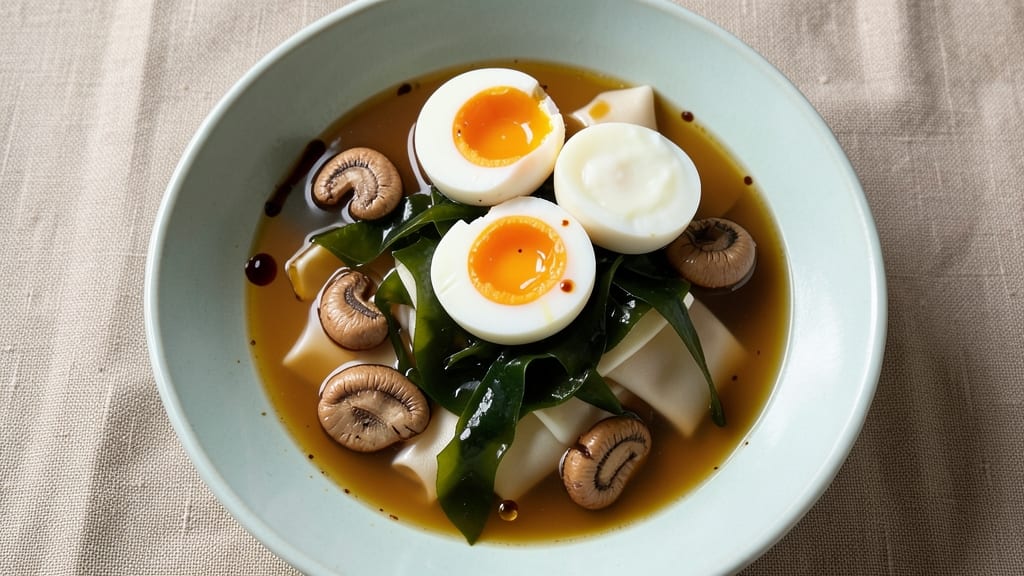
This seaweed egg drop soup recipe delivers a symphony of umami and delicate silkiness in every spoonful, transforming simple ingredients into a restaurant-worthy bowl.
The secret lies in a carefully balanced broth—where dried shiitake mushrooms and kombu seaweed infuse the liquid with deep, savory notes—paired with perfectly tempered eggs that ribbon effortlessly into silky strands.
I developed this version after years of refining the technique, ensuring the broth stays vibrant while the egg maintains its signature melt-in-your-mouth texture.
The foundation of this soup is a clear, aromatic broth that builds flavor gradually through layering: first the kombu and mushrooms steep to extract their essence, then a touch of soy sauce and sesame oil deepens the umami without overpowering.
What sets this apart is the seaweed—not just as a garnish, but as a flavor anchor, contributing a briny, oceanic depth that elevates the entire dish. The egg ribbon technique, achieved by slowly drizzling tempered egg into the simmering broth, creates those iconic, delicate strands that dissolve on the tongue.
By the time you finish, you’ll have a bowl of soup that’s visually stunning and deeply satisfying—golden broth swirling with silky egg ribbons, wispy scallions, and optional chili oil for a hint of heat.
The seaweed adds texture and a subtle oceanic richness, while the egg provides a luxurious, creamy contrast. This isn’t just soup; it’s a meditative experience, perfect for cozy nights in or impressing guests with minimal effort.
Serve it steaming hot with a sprinkle of toasted sesame seeds and a drizzle of chili oil for balance, or keep it classic with just scallions.
The beauty of this recipe is its adaptability—use chicken or vegetable stock for a lighter version, or add a splash of mirin for extra brightness. Let’s get cooking—your taste buds will thank you.
Ingredients for seaweed egg drop soup
Eight core ingredients plus a few finishing touches—this soup is all about umami layers and silky egg ribbons.
| Ingredient | Amount | Notes |
|---|---|---|
| Dried Shiitake Mushrooms 🍄 | 4 whole | Rehydrated for deep umami |
| Kombu Seaweed 🌊 | 1 piece | Dried, 4x6 inches |
| Chicken or Vegetable Stock 🥣 | 4 cups | Homemade preferred, low-sodium |
| Large Eggs 🥚 | 4 whole | Room temperature for ribbons |
| Light Soy Sauce 🍶 | 1 tbsp | Kikkoman or similar |
| Sesame Oil 🌰 | 1 tsp | Toasted, for aroma |
| Green Onions 🧅 | 3 whole | Thinly sliced for garnish |
| Mirin 🍶 | 1 tbsp | Optional, for brightness |
| Chili Oil 🌶️ | 1 tbsp | Optional, for heat |
| Toasted Sesame Seeds 🌰 | 1 tsp | For garnish |
| White Pepper 🌶️ | ¼ tsp | Freshly ground |
| Cornstarch 🌾 | ½ tsp | For egg tempering |
| Water 💧 | ½ cup | For egg tempering |
The kombu and shiitake are non-negotiable for that oceanic depth. Look for dried kombu at Asian markets—it’s worth buying a small package even if you only use half. The shiitake should be plump and dark; rehydrate them in hot water for 20 minutes before using. For stock, homemade chicken or vegetable stock gives the best flavor, but a quality low-sodium store-bought version works in a pinch. The eggs need to be room temperature—cold eggs won’t ribbon properly, so take them out 30 minutes before cooking.
No mirin? Substitute with a mix of sugar and rice vinegar—half the amount of sugar, half rice vinegar. Short on sesame oil? Avocado oil at half the amount won’t overpower the broth. The chili oil is optional, but if you use it, Lao Gan Ma brand is my go-to for that perfect spicy kick. For the egg tempering, whisk the eggs with cornstarch and water first—this ensures silky strands instead of curdled lumps. If you’re feeling adventurous, add a splash of aquafaba to the egg mix for extra stability.
The broth keeps for 3 days in the fridge—perfect for meal prep. Store it in an airtight container with a lid slightly ajar to prevent skin from forming. The egg ribbons should be made fresh, but you can pre-chop the green onions and toast the sesame seeds ahead. For extra convenience, make a double batch of stock and freeze it in ice cube trays—just thaw what you need. This soup reheats beautifully, though the egg ribbons are best enjoyed immediately.
Why You'll Love This Recipe
- No-Soak Shiitake Hack: I’ll be real—rehydrating dried shiitake used to feel like a chore. But here, you just tear them straight into the simmering stock, and they soften right in. That deep umami punch? Zero effort, all flavor.
- Umami Bomb Combo: Between the kombu’s briny depth and those shiitake mushrooms soaking up the stock, this soup tastes like it simmered for hours. The egg ribbons? Silky perfection with just a whisper of soy—no heavy cream needed.
- Leftover Goldmine: This soup actually improves the next day. The flavors meld even more, and you can reheat it in minutes. Pack it for lunch or freeze portions—it’s my go-to for lazy mornings when I need something warm and satisfying.
- Budget Meal Magic: A handful of dried shiitake and a sheet of kombu stretch this recipe into three hearty servings. It’s cheaper than takeout, way healthier, and still feels fancy enough for guests. (Yes, even on a Tuesday night.)
Step-by-step instructions for seaweed egg drop soup
Here's how to craft a velvety, umami-packed soup that balances silky egg ribbons with deep seaweed flavor.
Rehydrate Shiitake Mushrooms and Infuse the Kombu
Begin by rehydrating the 4 whole dried shiitake mushrooms in 4 cups of chicken or vegetable stock for 20 minutes. This draws out their concentrated umami essence. While they soak, place the 1 piece kombu seaweed (cut into strips) in a clean bowl and pour 2 cups of the warm stock over it. Let it steep for 15 minutes—this infuses the broth with oceanic depth and natural glutamate compounds that elevate the entire soup.
After steeping, remove the kombu and discard it. Strain the mushrooms, reserving both the mushrooms and their infused stock. The mushrooms should be pliable but still hold their shape—this indicates proper rehydration. If any stock remains in the bowl after pouring, add it back to the pot for maximum flavor extraction.
Build the Umami-Packed Broth
Return the 4 cups of stock (now infused with kombu and shiitake) to a clean pot and bring to a gentle simmer over medium heat. Add the 1 tablespoon light soy sauce, 1 tablespoon mirin, and 0.25 teaspoon white pepper. Stir once to combine, then let it simmer uncovered for 10 minutes to allow the flavors to meld. You'll notice the aroma intensify—this is your cue that the broth is developing its signature umami complexity.
While simmering, prepare the 3 whole green onions by slicing them thinly on the bias. Set them aside for garnish. The broth should remain clear with just a whisper of cloudiness—if it becomes foamy, skim it off to maintain clarity. This step is where the foundation of your soup is built, so resist the urge to rush it.
Temper and Incorporate the Eggs
In a small bowl, whisk together the 4 whole large eggs with the 0.5 teaspoon cornstarch and 0.5 cup water until fully combined. This tempering mixture ensures silky, ribbon-like egg strands rather than scrambled curds. Meanwhile, reduce the broth heat to low—you want it to maintain a barely simmering state, just below a full boil.
Slowly pour the egg mixture into the broth while stirring constantly with a heatproof spatula. The key here is patience—add the eggs gradually to prevent curdling. You'll see delicate ribbons form immediately as the heat gently sets the eggs. Once fully incorporated, add the 1 teaspoon sesame oil and stir gently to distribute its nutty aroma throughout the soup.
Finish with Garnishes and Heat
Return the rehydrated shiitake mushrooms to the pot and let them warm through for 2-3 minutes. The mushrooms should soften slightly but remain intact. Drizzle in the 1 tablespoon chili oil and sprinkle with the 1 teaspoon toasted sesame seeds. Taste and adjust seasoning if needed—you might find the broth already perfectly balanced, but an extra pinch of soy sauce or white pepper can fine-tune it.
Ladle the soup into bowls and garnish with the thinly sliced green onions. The contrast of crisp green against the velvety broth and silky egg ribbons makes this dish visually stunning. Serve immediately while the eggs maintain their delicate texture—this soup doesn't wait, and every sip should deliver that perfect harmony of umami, brightness, and subtle heat.
Pro Tips For Making Seaweed Egg Drop Soup
- SOAK SHIITAKES SEPARATELY: Dried shiitakes need a good 20-minute soak in hot water—they’ll never rehydrate fully if you toss them in cold. I learned this the hard way when my soup tasted bland because the mushrooms stayed chewy. Use twice the water volume as the dried mushrooms, and change it once halfway through.
- SIMMER KOMBU LOW AND SLOW: Drop the kombu in first, but keep the heat at a gentle simmer—no boiling. After 5 minutes, remove it; boiling turns the broth bitter. My grandmother swore by this, and she was right: the umami seeps out best when the water’s just moving, not churning.
- WHISK EGGS WITH STOCK: Before drizzling the egg, whisk it with 1-2 tablespoons of hot stock—this keeps the ribbons from breaking into clumps. I was skeptical until I tried it: the egg blends seamlessly into the broth instead of floating as a sad, lumpy mess.
- SALT THE STOCK LATE: Wait until the kombu’s been removed and the stock’s simmered for 10 minutes before adding soy sauce or salt. The kombu releases minerals that need time to mellow—adding salt early makes the broth taste flat. (Yes, even if you’re impatient like me.)
Perfect pairings for this dish
Broth Enhancements
Elevate the broth by adding 1 slice of fresh ginger (peeled) when simmering—it adds a subtle warmth that complements the seaweed. For a deeper umami punch, stir in 1 teaspoon fish sauce (like Red Boat) during the final 5 minutes of simmering.
This works beautifully with chicken or vegetable stock, though it’s especially rich when using dashi-based broths. 🌊
Egg Variations
For a vegan twist, replace eggs with 4 tbsp aquafaba (chickpea brine) mixed with 1 tbsp cornstarch and 2 tbsp water. Temper and drizzle into the broth just like eggs—the result is a silky, protein-free ribbon.
If you prefer a richer texture, try duck eggs instead of chicken eggs; their yolks create a more luxurious, velvety strand. 🥚
Seaweed Swaps
While kombu is ideal, wakame (rehydrated in water for 10 minutes) adds a milder oceanic note. For a bolder flavor, use dried hijiki (soaked for 15 minutes and drained well)—it has a more intense, mineral-rich taste.
Always rinse dried seaweed thoroughly before using to remove any grit or excess salt. 🌿
Garnish Ideas
Add crispy fried shallots for texture and a nutty crunch—toss them in at the end for a 30-second fry in neutral oil at 350°F. For a smoky touch, sprinkle with toasted nori flakes (lightly toasted in a dry pan for 1-2 minutes).
Fresh herbs like cilantro or Thai basil work beautifully too, offering a bright contrast to the umami-rich broth. 🌱
Drink Pairings
A crisp green tea (like Sencha) cuts through the richness of the soup without overpowering its delicate flavors. For a bolder match, try a lightly chilled Chinese jasmine tea—its floral notes complement the seaweed’s oceanic depth.
If you prefer alcohol, a dry Riesling (like a German Kabinett) with its citrusy acidity enhances the dish’s brightness. 🍶
Nutrition facts
Frequently asked questions
Can I use fresh seaweed instead of dried kombu?
Fresh seaweed works, but it lacks the concentrated umami and texture of dried kombu. If substituting, use 2-3 sheets of fresh nori (toasted lightly in a dry pan for 30 seconds first) and steep in 1 cup hot water for 5 minutes. The flavor will be milder, so boost umami with an extra ½ teaspoon fish sauce or 1 tsp soy sauce in the broth.
Why did my egg ribbons turn rubbery instead of silky?
Rubbery eggs usually mean the broth was too hot or the eggs weren’t tempered properly. Keep the broth at a barely simmer (just below a full boil) and whisk the eggs with cornstarch + water first—this creates a protective barrier. Also, use room-temperature eggs (cold eggs tighten when heated). If it happens, stir gently while reheating to restore silkiness.
How can I make this soup spicier?
For heat lovers, add 1 tsp chili crisp (like Lao Gan Ma) or ½ tsp gochugaru (Korean chili flakes) to the broth while simmering. For smoky depth, top with ½ tsp toasted chili oil or a sprinkle of chili threads (soaked in warm water for 5 minutes first). Adjust to taste—start with less and add more!
Is this recipe gluten-free?
Yes, as written! Just ensure your soy sauce is gluten-free (like tamari) and check your stock for hidden gluten (some chicken stocks contain wheat). The seaweed, eggs, and other ingredients are naturally gluten-free. For extra safety, use a dedicated pot and utensils if cross-contamination is a concern.
Can I prep the broth ahead of time?
The broth keeps for 3 days in the fridge or 1 month in the freezer (store in airtight containers). Reheat gently on low heat—never boil—to preserve clarity. For the eggs, temper them fresh each time, but you can pre-chop garnishes (like green onions) and toast sesame seeds ahead. The seaweed can also be rehydrated in advance and stored in the fridge for 2 days.