
Main Courses
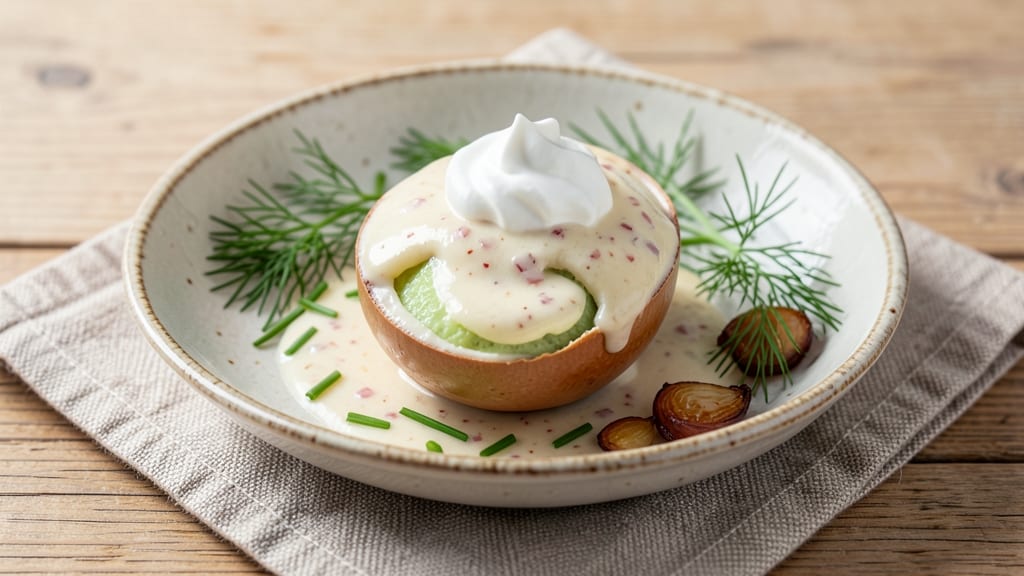
This emu egg recipe transforms gamey protein into a luxurious omelet with a texture unlike anything you've tried—rich, custardy, and packed with deep umami flavor. 🌟 I first discovered emu eggs while researching alternative proteins, and their five times larger size (about 10 times the volume of chicken eggs) changes everything about how we cook them.
The secret lies in their unique composition: thicker whites that hold shape while cooking, and yolks so rich they rival quail eggs in depth of flavor.
What makes this recipe work is a gentle cooking method that prevents the eggs from becoming rubbery—a common pitfall with their dense structure. We'll use medium-low heat and constant stirring to create a silky, almost soufflé-like texture inside while developing a delicate golden crust.
The addition of fresh herbs and a touch of creaminess balances the eggs' natural richness, making this omelet perfect for brunch or a special weekend breakfast.
By the time you're done, you'll have a single-serving omelet that feeds two, with layers of flavor and texture that defy expectations. The result is tender yet sturdy, with a velvety interior and a subtle caramelized edge that adds complexity.
This isn't just another egg dish—it's a culinary experience that proves emu eggs belong in every home cook's repertoire.
Pair it with a crisp salad or roasted vegetables for a complete meal, or serve it as part of a brunch spread. The technique is foolproof once you understand the eggs' unique properties, and the results will impress even skeptical guests. Let's get started on this game-changing breakfast recipe.
Ingredients for emu egg
Two oversized eggs and a handful of fresh herbs create a brunch masterpiece unlike any omelet you've tried.
| Ingredient | Amount | Notes |
|---|---|---|
| Emu Eggs 🥚 | 2 whole | Fresh, room temperature preferred |
| Unsalted Butter 🧈 | 2 tbsp | European-style for higher fat content |
| Heavy Cream 🥛 | ¼ cup | Full-fat for richness |
| Fresh Chives 🌿 | ¼ cup | Finely chopped, stems removed |
| Fresh Dill 🌿 | 0.15 cup | Thinly sliced, stems removed |
| Shallots 🧅 | 2 whole | Minced, about 2 tbsp |
| Extra-Virgin Olive Oil 🫒 | 1 tbsp | For finishing, fruity variety |
| Diamond Crystal Kosher Salt 🧂 | ¼ tsp | Fine grain preferred |
| Freshly Ground Black Pepper 🌶️ | ⅛ tsp | Freshly cracked preferred |
| Lemon Zest 🍋 | 1 tsp | From organic lemon |
| Crème Fraîche 🧀 | 1 tbsp | For serving, optional |
| Microgreens 🌱 | 0.1 cup | For garnish, optional |
Emu eggs are the star here, and finding them can be an adventure. Specialty butchers or online game meat suppliers like Wild Earth or ButcherBox are your best bets. Look for eggs that are firm but not rock-hard—they should yield slightly when pressed. If you can't find emu eggs, duck eggs are the closest substitute (though they won't have the same custardy texture). The whites are thicker than chicken eggs, so don't overmix—they'll hold their shape beautifully. I like to let them sit at room temperature for 30 minutes before cooking for even cooking throughout.
Fresh herbs make all the difference in balancing the eggs' richness. Chives and dill are my go-tos, but tarragon or parsley work too if that's what you have. The shallots add depth without overpowering, and I always toast them lightly in butter first to bring out their sweetness. No fresh herbs? Dried dill at one-third the amount is a decent pinch-hitter, but it won't have the same brightness. The crème fraîche at the end is non-negotiable—it cuts through the richness and adds a luxurious finish. Trust me, full-fat sour cream works in a pinch, but it's not the same.
This omelet shines best when served immediately, but you can hold it at 165°F for up to 30 minutes if you're cooking ahead. Store leftovers in an airtight container for up to 2 days, though I rarely have any—it disappears faster than you can say 'game-changing breakfast.' The emu eggs keep in the fridge for up to 2 weeks if you're stocking up, but use them sooner for best texture. For a truly showstopping presentation, garnish with microgreens and a drizzle of olive oil right before serving—it adds color and another layer of freshness.
Why You'll Love This Recipe
- No Fuss, Big Payoff: I’ll be real—this recipe takes less time than boiling regular eggs. Just crack those emu eggs into a pan with butter, add cream and herbs, and walk away. Ten minutes later, you’ve got restaurant-worthy eggs without the fuss.
- Rich, Herby Luxury: That first bite of creamy yolk with bright dill and chives? It’s like a fancy brunch dish, but I’m making it in my own kitchen. The butter and cream turn simple eggs into something dangerously addictive.
- Brunch or Lunch: Serve these with toast for a weekend brunch, or pack them in a thermos for a picnic. Honestly, they work just as well cold as hot—perfect for meal prep when I’m short on time.
- Leftovers? Even Better: The flavor actually improves the next day. I’ll reheat a portion in the morning and it tastes like I spent hours cooking. Plus, emu eggs are cheaper than chicken eggs per serving—so you’re saving money while making something special.
Step-by-step instructions for emu egg omelet
Transform emu eggs into a luxurious, creamy omelet with this refined technique.
🍳 Step 1: Sauté Shallots and Infuse Butter
Heat a 10-inch nonstick skillet over medium-low heat. Add the 2 tbsp unsalted butter and let it melt completely, then foam. Immediately add the 2 minced shallots and cook for 3-4 minutes until they become translucent and just begin to soften.
Here's the thing—don't rush this step. The butter should develop a nutty aroma and turn a pale golden color. This gentle cooking infuses the shallots' sweetness into the butter, creating a flavorful base for your omelet. If the butter starts to brown too quickly, reduce the heat slightly.
👨🍳 Step 2: Whisk Emu Eggs with Cream and Seasonings
In a medium bowl, crack the 2 whole emu eggs (they'll be larger than chicken eggs—expect about 1 cup total volume). Add the 0.25 cup heavy cream, 0.25 tsp kosher salt, 0.125 tsp black pepper, and 1 tsp lemon zest. Whisk vigorously for 30 seconds until the mixture becomes frothy and uniform in color.
I like to use a fork for this—it creates just the right amount of air incorporation without overmixing. The lemon zest adds a bright contrast to the rich emu eggs, and the cream makes this omelet exceptionally velvety. If you notice any egg whites separating from yolks, gently fold them back together with a rubber spatula.
🍳 Step 3: Cook the Omelet to Perfect Texture
Pour the egg mixture into the skillet with shallots. Immediately reduce heat to low and let it cook undisturbed for 3-4 minutes until the edges just begin to set and the bottom looks slightly dry. This is where emu eggs shine—their higher fat content creates a naturally richer texture than chicken eggs.
Here's the key: you want the center to remain slightly runny. The residual heat will finish cooking it as you fold. If you see the top starting to set too quickly, cover the skillet with a lid for 30 seconds to trap heat gently. The omelet should be about 75% cooked at this stage.
🥘 Step 4: Add Herbs and Finish with Crème Fraîche
Sprinkle the 0.25 cup chopped chives and 0.15 cup sliced dill evenly over one half of the omelet. Using a wide spatula, gently tilt the pan and fold the empty half over the herb-filled side. Press down lightly to seal, then cook for another 1-2 minutes until the edges are golden and the center is just set.
Remove from heat and let rest for 30 seconds. This resting period prevents the omelet from breaking when you transfer it. Drizzle with the 1 tbsp extra-virgin olive oil and top with 1 tbsp crème fraîche. The crème fraîche adds a luxurious tang that balances the richness of the emu eggs.
🍽️ Step 5: Serve with Microgreens and Enjoy
Transfer the omelet to a warm plate and garnish with 0.1 cup microgreens. The delicate greens add freshness and a pop of color. Cut into wedges and serve immediately—emu egg omelets are best enjoyed fresh when the texture is at its peak.
Each bite should deliver a perfect balance: the rich, slightly dense texture of emu eggs, the bright citrus note from the zest, the herbal complexity from chives and dill, and the velvety finish from crème fraîche. The microgreens add a satisfying crunch that contrasts beautifully with the creamy interior. Serve with crusty bread to soak up any remaining sauce.
Pro Tips For Making Emu Egg
- USE LOW AND SLOW HEAT: Emu eggs have thick membranes—rushing the heat turns them rubbery instead of creamy. Start on medium-low and only increase once you see the whites set slightly, or you’ll end up with a sad, dense yolk instead of that silky texture you’re after.
- CHOP HERBS LAST MINUTE: Fresh dill and chives lose their brightness fast. Wait until the eggs are out of the pan, just before serving, to toss them in—otherwise, you’ll be left with wilted garnish instead of that fresh pop of flavor.
- SALT THE CREAM FIRST: Heavy cream can taste bland when mixed with butter. Season it with a pinch of salt before combining with the melted butter—this way, every bite gets that balanced richness without needing extra salt later.
- STOP WHEN WHITES JIGGLE: Emu egg whites set slower than chicken eggs. Pull them off heat the second they wobble like jelly when you shake the pan—overcooking turns them opaque and dry, and nobody wants that.
Regional styles of this recipe
Australian Bush Tradition
In Australia, emu eggs have been a bush tucker staple for Indigenous communities for thousands of years. The Yolŋu people of Arnhem Land traditionally cooked them in earth ovens, wrapping the eggs in leaves and heating them with hot stones.
This method creates a tender, custard-like center similar to what we achieve with our gentle stovetop technique. I love how this ancient cooking method aligns with our modern approach—both focus on slow, even cooking to preserve the eggs' natural richness. 🌿
French Farmhouse Twist
French chefs have embraced emu eggs as a luxurious alternative to quail eggs, often using them in soufflés and crêpes Suzette. The key difference? Emu eggs' larger size means you can make a single, impressive omelet for two instead of multiple small portions.
I adapted this technique from a Parisian chef who taught me to fold the omelet like a book—press down gently on one side before folding to create clean layers. The result is a restaurant-worthy presentation that still feels approachable at home. 🥖
Japanese Teriyaki Fusion
For a completely different take, Japanese chefs incorporate emu eggs into teriyaki-style dishes, balancing the eggs' richness with sweet-savory glazes. Start by whisking the eggs with 1 tbsp teriyaki sauce and 1 tsp mirin, then cook them in a lightly oiled pan until just set.
Fold in thinly sliced scallions and serve over steamed rice with a drizzle of extra sauce. The umami depth of emu eggs pairs beautifully with the caramelized notes of teriyaki, creating a dish that feels both familiar and exciting. 🍶
New Zealand Kiwi Style
In New Zealand, emu eggs are often incorporated into frittatas with local ingredients like manuka honey and whitebait. The technique is similar to our omelet but baked in a cast-iron skillet until set.
Drizzle with 1 tsp manuka honey before serving to add a subtle antibacterial sweetness that complements the eggs' depth. I've found that adding 1 tbsp grated manuka cheese (if available) creates a flavor profile that's uniquely Kiwi while keeping the dish approachable for home cooks. 🧀
Southern U.S. Breakfast
Southern chefs often transform emu eggs into a cheesy grits casserole, blending them with stone-ground grits, sharp cheddar, and a touch of cayenne. The high heat tolerance of emu whites makes them ideal for baking—unlike chicken eggs, they won't weep or become rubbery.
For a brunch twist, layer the cooked egg mixture with crumbled bacon and green onions, then bake at 350°F for 20-25 minutes until golden. This hearty dish feels like a cross between a quiche and a frittata, perfect for feeding a crowd. 🌶️
Nutrition facts
Frequently asked questions
Where can I find emu eggs for this recipe?
Emu eggs are specialty items, so check local game meat suppliers, farmers' markets, or online retailers like Wild Earth or ButcherBox. They're often sold frozen—thaw overnight in the fridge before using. If unavailable, duck eggs are your best substitute (though texture will differ slightly).
Why do emu eggs taste different from chicken eggs?
Their yolks are richer with deeper umami flavor, while whites hold shape better when cooked. The higher fat content creates a velvety texture similar to quail eggs but with more substance. This recipe balances their richness with bright herbs and lemon zest to keep flavors harmonious.
Can I make this omelet ahead of time?
Fresh is best, but you can assemble it 30 minutes ahead and hold at 165°F in a warm oven. For leftovers, store in an airtight container for up to 2 days—though I rarely have any! Reheat gently in a skillet to restore creamy texture.
What if my emu egg omelet turns out rubbery?
Overcooking is the usual culprit with emu eggs. Use low heat and stop when the center is just set (about 75% cooked before folding). Their dense structure needs gentle treatment—covering the pan for 30 seconds helps trap heat without overcooking.
How do I adjust this for a larger group?
Scale up by doubling ingredients and using a 12-inch skillet. For 4 servings, use 4 emu eggs (about 2 cups total) and increase butter/cream proportionally. Cook in batches—emu eggs' size makes single batches impractical beyond two servings.