
Breakfast & Brunch
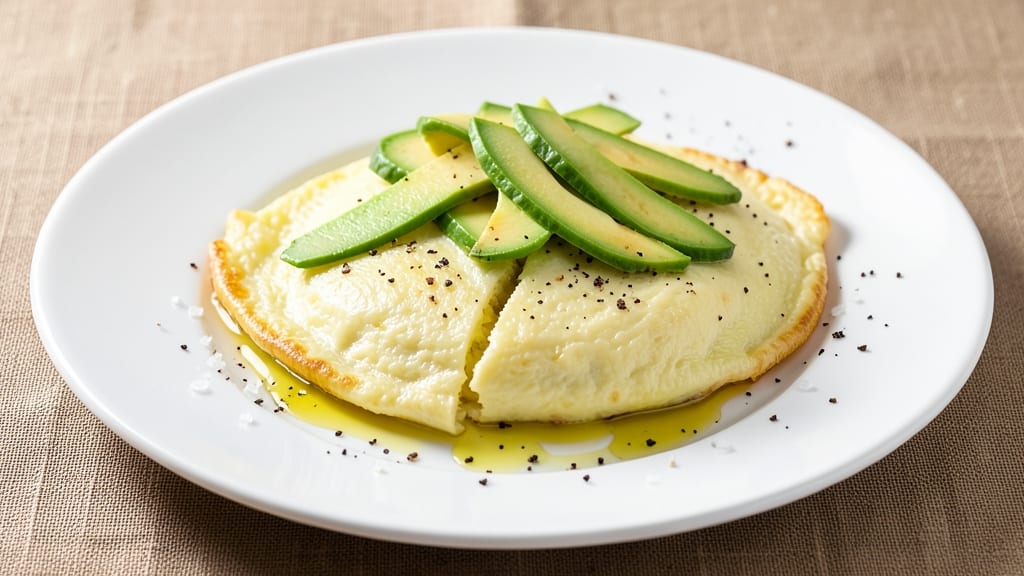
This avocado egg omelet recipe transforms breakfast into a luxurious experience with its creamy avocado ribbons and perfectly runny yolk center. The secret lies in folding the omelet just as it sets, creating delicate layers that hold both the velvety avocado and rich egg yolk intact.
I developed this technique after years of experimenting with textures—because nothing should break up that silky avocado goodness.
The magic happens in two stages: first, cooking the egg mixture into a thin, crepe-like layer, then folding it around the avocado while still warm. This method ensures the avocado stays creamy and the yolk remains perfectly runny, just like your favorite brunch dish.
The result is a dish that looks as impressive as it tastes, with clean folds and a vibrant green center peeking through.
What makes this omelet special is how the flavors and textures work together—each bite delivers creamy avocado, rich egg yolk, and a subtle saltiness that balances everything. The presentation is just as important as the taste, with the avocado ribbons visible through the golden egg layers.
This is breakfast elevated to restaurant-quality without the fuss.
Ready in just 10 minutes, this omelet is perfect for weekend brunches or a quick, satisfying meal any day. The technique is simple once you master the fold, and the ingredients are basic but transformative. Let's make this omelet that'll have everyone asking for seconds.
Ingredients for avocado egg omelet
Four fresh eggs, one velvety avocado, and a touch of butter create brunch perfection.
| Ingredient | Amount | Notes |
|---|---|---|
| Large Eggs 🥚 | 4 whole | Freshly beaten for creamy texture |
| Ripe Avocados 🥑 | 1 whole | Pitted, sliced into ribbons |
| Unsalted Butter 🧈 | 1 tbsp | Cold, for even cooking |
| Diamond Crystal Kosher Salt 🧂 | ¼ tsp | Fine grain for delicate seasoning |
| Freshly Ground Black Pepper 🌶️ | ⅛ tsp | Freshly cracked for brightness |
| Extra-Virgin Olive Oil 🫒 | 1 tsp | High-quality for finishing |
| Chives 🌿 | 1 tbsp | Finely chopped for garnish |
| Lemon Juice 🍋 | ½ tsp | Freshly squeezed to preserve avocado |
The eggs are the foundation—use large eggs for that rich, creamy texture. Room temperature eggs whip up faster and cook more evenly, so take them out of the fridge 10 minutes before starting. For the avocado, ripe but firm is key—press gently, it should yield slightly but not feel mushy. I always grab avocados from Whole Foods or the produce section at Trader Joe's because their quality is consistent. If you can't find ripe ones, let them sit at room temperature for an hour. The butter should be cold when you start—this helps create that perfect thin layer for folding. For salt, Diamond Crystal kosher dissolves easily and enhances flavor without overpowering.
No fresh chives? Green onions or parsley work in a pinch, though chives add that delicate oniony note. Short on lemon juice? Lime juice at half the amount gives a tangy twist. The olive oil matters here—use something fruity and peppery, like California avocado oil if you want to splurge. For the eggs, if you're worried about runniness, use 3 eggs instead of 4 and cook slightly longer. The avocado can be prepped ahead: toss the slices with a pinch of salt and lemon juice, then store in a sealed container with plastic wrap pressed directly on the avocado to prevent browning.
This omelet is best served immediately, but you can prep components ahead. The egg mixture can sit in the fridge for up to 1 hour before cooking—just whisk again before using. Avocado slices keep for 2 days if sealed tightly with lemon juice. For reheating, warm gently in a dry pan over low heat for 20-30 seconds—just enough to soften the egg layers without breaking the avocado. The presentation is everything: fold the omelet cleanly, then garnish with chives and a drizzle of olive oil right before serving.
Why You'll Love This Recipe
- Five-Ingredient Magic: I swear by this combo—eggs, avocado, butter, salt, and pepper. That’s it. No hunting for fancy herbs or obscure spices, just pure, rich flavor with zero fuss.
- Creamy Crisp Perfection: The butter makes those eggs silky, while the avocado adds that velvety richness. Honestly, the first bite is like a hug for your taste buds—savory, buttery, and just a little indulgent.
- Breakfast or Lunch: Make it for a lazy Sunday morning or pack it for a workday lunch. It’s that versatile. I’ve even served it at brunch when I wanted something lighter than pancakes but still satisfying.
- Budget-Friendly Luxury: Eggs and avocados are affordable staples, but this tastes like a restaurant dish. Between us, I’ve made this for $3 a serving and still felt like I was treating myself.
Step-by-step instructions for creamy avocado ribbons and runny yolk magic
Here's the method for a silky omelet with perfectly integrated avocado and a luscious yolk center.
Prepare the Avocado Ribbons
Cut the 1 whole ripe avocado in half lengthwise, remove the pit, and scoop out the flesh with a spoon. Place it on a cutting board and use a sharp knife to slice it into thin ribbons—about ⅛-inch thick. Arrange them on a small plate and immediately drizzle with the 0.5 teaspoon lemon juice. This prevents browning and preserves the creamy texture. Sprinkle lightly with 0.125 teaspoon freshly ground black pepper and set aside.
For even ribbons, hold the knife at a slight angle and slice gently but firmly. The lemon juice should be fresh—bottled juice lacks the bright acidity that keeps avocado vibrant. If the avocado feels too soft, it's perfect for this dish. Overly firm avocados won't blend smoothly into the omelet.
Beat the Eggs to Perfect Creaminess
Crack the 4 whole large eggs into a medium bowl and add the 0.25 teaspoon Diamond Crystal kosher salt. Using a fork, gently whisk the eggs until just combined—no need to overbeat. The yolks should remain slightly thick and glossy. This gentle approach creates a tender omelet rather than a dense one.
I always use room-temperature eggs for this recipe—they blend more evenly and create a lighter texture. If your eggs are cold, let them sit at room temperature for 10 minutes before beating. The salt should dissolve completely, but don't worry if you see tiny grains—they'll dissolve as you cook.
Cook the Omelet with Precision
Heat an 8-inch nonstick skillet over medium-low heat until just warm to the touch. Add the 1 tablespoon unsalted butter and let it melt completely, coating the bottom evenly. Pour in the beaten eggs, tilting the pan slightly to spread them thinly and evenly across the surface.
Cook for 2-3 minutes without stirring, until the edges begin to set but the center remains slightly runny. This creates the signature creamy texture. Resist the urge to peek too early—the omelet needs time to form a delicate layer at the bottom. When the edges look set but the top still jiggles slightly, it's time to add the avocado.
Fold in Avocado and Finish Cooking
Sprinkle half of the avocado ribbons down the center of the omelet, leaving a ½-inch border around the edges. Using a spatula, gently lift one side of the omelet and fold it over the avocado, then repeat with the opposite side. The goal is to enclose the avocado while keeping the yolk center intact.
Cook for another 30-45 seconds until the avocado is just warmed through but still vibrant green. The omelet should be fully set at the edges but remain tender in the center. Remove from heat immediately—overcooking will turn the yolk rubbery. Let it rest for 1 minute before serving.
Finish with Olive Oil and Chives
Transfer the omelet to a warm plate and drizzle with the 1 teaspoon extra-virgin olive oil. The oil should be high-quality—it adds a luxurious finish. Immediately sprinkle with the 1 tablespoon finely chopped chives and serve while the yolk is still runny and warm.
For the best experience, cut the omelet into wedges and serve immediately. The contrast of creamy avocado, rich yolk, and fresh chives creates a harmonious balance. If you prefer a firmer yolk, cook for an additional 10-15 seconds, but I find the runny version is truly magical.
Pro Tips For Making Avocado Egg Omelet
- CRANK THE HEAT FIRST: Get that pan screaming hot before adding butter—no, really, screaming. Cold butter pools instead of sizzling, and you’ll end up with greasy eggs instead of a golden crust. I used to rush this, and the eggs always came out sad and limp. Trust me, the first 30 seconds on high heat make all the difference for that perfect omelet base.
- SALT THE EGGS BEFORE WHISKING: Toss in a pinch of kosher salt right into the bowl with the eggs—no waiting. It distributes evenly and seasons the whites properly, which matters more than you’d think. I learned this after making an omelet that tasted bland no matter how much I salted after cooking. (Yes, even if you’re using unsalted butter.)
- PIT THE AVOCADO LAST MINUTE: Leave the avocado whole until you’re ready to fold—then pit and mash it directly into the omelet. This keeps it from browning prematurely and losing texture. I used to prep it ahead, and by the time I folded the omelet, it was a sad, mushy mess. Two minutes of extra work saves the dish.
- STOP WHEN IT’S STILL SOFT: Fold the omelet when the edges lift easily but the center’s just set—not when it’s fully firm. Overcooking turns avocado into a dry, bitter paste. I used to watch it like a hawk, but now I set a timer for 10 seconds after the edges release—enough time to plate before it gets rubbery. (Your future self will thank you.)
Troubleshooting this dish
Eggs Too Runny?
If your omelet turns out too wet, the eggs were likely over-whisked or the heat was too low. Gently whisk eggs just until combined—no need for frothy peaks. Use medium-low heat and ensure your pan is 8-inch nonstick for even cooking.
Cold eggs can also cause runniness, so let them sit at room temperature for 10 minutes before beating. 🌡️
Avocado Browning
Avocado ribbons darken when exposed to air and lemon juice isn't fresh. Always use freshly squeezed lemon juice (just 0.5 tsp) and cover the slices tightly with plastic wrap if prepping ahead.
For extra protection, add a pinch of salt to the lemon juice—it helps preserve color. Work quickly when folding to minimize exposure time.
Omelet Breaks When Folding
This usually happens if the egg layer isn't fully set before folding. Cook the eggs 2-3 minutes until edges are firm but the center still jiggles slightly.
Use a thin silicone spatula for gentle folding—metal can tear delicate layers. Let the omelet rest 1 minute after cooking before transferring to prevent collapse.
Yolk Overcooked
Overcooking the yolk happens when you keep the omelet on heat too long after folding. Remove from heat immediately when the avocado is just warmed (30-45 seconds total after folding).
For a runny yolk, cook no longer than 4 minutes total. If you prefer firmer yolks, reduce cooking time by 10-15 seconds and serve right away.
Uneven Cooking
Uneven cooking often means the pan wasn't hot enough or the butter wasn't melted completely. Heat your 8-inch nonstick skillet until warm to the touch before adding butter. Melt the butter completely and let it coat the pan evenly.
If using a gas stove, adjust to medium-low—electric stoves may need slightly higher heat. Tilt the pan to spread eggs thinly for even cooking.
Avocado Too Soft
Overly soft avocado can make the omelet soggy. Choose avocados that yield slightly when pressed but aren't mushy. If your avocado is too ripe, reduce the lemon juice to 0.25 tsp and pat the ribbons dry with a paper towel before folding.
For extra firmness, chill the avocado slices for 10 minutes before using—this helps them hold their shape better during cooking. ✨
Nutrition facts
Frequently asked questions about avocado egg omelets
Can I make this omelet with fewer eggs?
Yes, but the texture will change. For 1 serving, use 2 eggs and cook in a 6-inch skillet—just reduce all other ingredients proportionally. The fold will be smaller, so focus on keeping the yolk perfectly runny. The avocado-to-egg ratio should stay 1:4 for best flavor balance.
What if I don't have chives for garnish?
No problem! Swap chives for green onions, parsley, or even cilantro for a different flavor profile. For extra richness, try crumbled feta or a sprinkle of crispy bacon bits if you're not keeping it vegetarian. The key is fresh herbs—they add brightness to cut through the richness.
How do I keep the avocado from turning brown?
Fresh lemon juice is your best friend! Use 0.5 tsp right after slicing, then cover the avocado tightly with plastic wrap pressed directly onto the surface. For extra protection, add a pinch of salt to the lemon juice. Work quickly when folding the omelet to minimize air exposure—this keeps those creamy ribbons vibrant.
Can I make this ahead of time?
Prep components separately, but don't assemble until serving. Whisk eggs up to 1 hour ahead (store in fridge), and slice avocado with lemon juice up to 2 days ahead (keep sealed tightly). Cook the omelet fresh—reheating disrupts the perfect yolk texture. Warm gently in a dry pan for just 20 seconds if needed, but serve immediately for best results.
What's the secret to the perfect runny yolk?
Timing and heat control! Cook the egg layer 2-3 minutes on medium-low heat until edges set but center still jiggles. After folding, cook just 30-45 seconds total—remove immediately when avocado is warm. The yolk should stay liquid at 160°F internal temp. Serve on a warm plate to maintain heat.