
Breakfast & Brunch
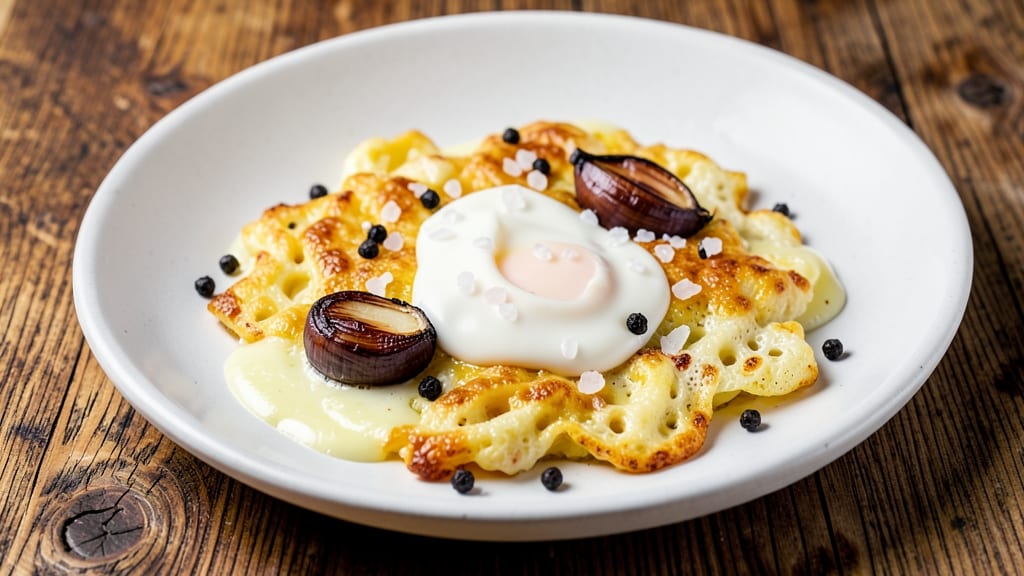
Anthony Bourdain’s scrambled eggs transform a simple breakfast into a restaurant-quality dish with smoky garlic, crispy edges, and a creamy interior. The secret lies in patience—cooking eggs low and slow over medium-low heat while stirring constantly ensures tender, velvety curds without rubbery texture.
This isn’t your typical fluffy scramble; it’s a bold, flavor-packed version that respects the egg’s natural richness while adding depth through technique.
What sets these apart is the butter-to-egg ratio—using enough cold butter to create a crispy crust at the edges while keeping the centers silky. A splash of milk or cream prevents dryness, and minced garlic infuses the eggs with a subtle smokiness that lingers.
Bourdain’s method avoids overworking the eggs, which can turn them tough, instead relying on gentle folding to maintain that perfect, cloud-like texture.
The result is a plate of eggs that’s visually stunning—golden, slightly crispy at the edges, and fragrant with garlic—while tasting deeply satisfying. Serve them with buttered toast, avocado slices, or a sprinkle of flaky salt for a meal that feels both rustic and refined.
This isn’t just breakfast; it’s a flavor-packed experience that proves eggs can be the star of any dish.
Ready to elevate your morning routine? The key is heat control—never rushing the process—and letting the eggs set naturally. Once mastered, this technique will change how you think about scrambled eggs forever. Let’s get cooking.
Ingredients for anthony bourdain scrambled egg
Eight essential ingredients transform simple eggs into restaurant-quality smoky garlic scrambled eggs with crispy edges.
| Ingredient | Amount | Notes |
|---|---|---|
| Large Eggs 🥚 | 8 whole | Freshly refrigerated for optimal texture |
| Unsalted Butter 🧈 | 4 tbsp | Cold, cut into small cubes for crispy edges |
| Garlic Cloves 🧄 | 4 cloves | Minced finely for subtle smokiness |
| Heavy Cream 🥛 | ¼ cup | Full-fat for velvety texture |
| Flaky Sea Salt 🧂 | ½ tsp | For finishing delicate flavor |
| Freshly Ground Black Pepper 🌶️ | ¼ tsp | Cracked over finished eggs |
| Extra-Virgin Olive Oil 🫒 | 1 tbsp | For preheating the pan |
| Sourdough Bread 🍞 | 4 slices | For serving with buttered toast |
| Ripe Avocado 🥑 | ½ whole | Sliced for garnish |
The butter is non-negotiable—European-style unsalted butter like Plugrá or Kerrygold delivers the richest flavor and proper fat content for that signature crust. Keep it cold when cutting into cubes for maximum crispiness. Garlic should be freshly minced just before cooking to preserve its aromatic oils; pre-minced garlic loses potency quickly. For the cream, full-fat heavy cream ensures a silky finish, while anything lighter risks a grainy texture. Sourdough slices should be toasted until golden and buttered—this adds a rustic contrast to the refined eggs.
No cold butter on hand? Ghee or clarified butter works in a pinch, though it lacks the same flavor depth. Substitute heavy cream with whole milk or half-and-half, but expect slightly less richness. For garlic lovers, roasted garlic adds sweetness but loses the smoky punch. Flaky sea salt can be swapped for Maldon or Jacobsen if unavailable, though they’re worth seeking out. Avocado can be omitted if not in season—cherry tomatoes or chives offer bright alternatives. The eggs must be freshly refrigerated; older eggs scramble more firmly and lack the tender curds Bourdain prioritizes.
Store eggs in their original carton in the coldest part of your fridge—use within 3 weeks for best texture. Butter cubes can be prepped ahead and stored in an airtight container for up to 2 weeks. Minced garlic loses flavor after 15 minutes of sitting, so prep it last. The scrambled eggs reheat beautifully—simply warm gently in a dry pan over low heat for 30-45 seconds. For meal prep, divide into single portions and freeze between parchment paper for up to 1 month. Toast the sourdough fresh each morning to maintain crispness.
Why You'll Love This Recipe
- I’ll be real: I often make a double batch because reheating these is almost as good as the first serving. The cream keeps them rich, and the salt holds up—perfect for a quick lunch or a midnight snack when you’re craving something indulgent without the effort.
- Five-Ingredient Magic: I swear, this is the kind of recipe where you look at the list and think, "How hard can it be?"—then realize it’s already done. Butter, cream, garlic, eggs, salt. That’s it. No fancy mise en place, no stressing over ratios. Just melt butter, crack eggs, let the cream do the work.
- Garlic Butter Bliss: Between us, the secret weapon here is that low-and-slow garlic in butter—it caramelizes just enough to coat every bite without overpowering. The heavy cream makes them impossibly tender, but the flaky salt? That’s the real star, finishing with a crunch that makes you want to eat it straight from the pan.
- Breakfast or Dinner Fix: Honestly, I’ve served these at 7 AM with toast and at 7 PM with crusty bread and a cold beer. They’re the ultimate "I don’t know what I’m doing but it’ll work" dish—great for lazy mornings, last-minute dinner guests, or when you’re too tired to care what you’re eating.
Step-by-step instructions for anthony Bourdain's scrambled eggs
Here's how to achieve the perfect balance of smoky garlic and crispy edges—just like Bourdain made them.
Prepare the Garlic Butter Base
Cut the 4 tablespoons unsalted butter into small cubes and place them in a 10-inch nonstick skillet over medium-low heat. Let the butter melt slowly, swirling the pan occasionally until it foams and turns a pale golden color. This gentle approach prevents burning while building flavor.
Once the butter has melted completely, add the 4 cloves minced garlic and cook for 30-45 seconds until fragrant but not browned. The garlic should perfume the kitchen with its aroma—this is your signal it's ready. Remove the skillet from heat and set aside for now. Bourdain's technique relies on low-and-slow development to avoid bitter flavors.
Whisk Eggs with Cream and Seasonings
In a medium bowl, crack the 8 whole large eggs and whisk them vigorously until the yolks and whites are fully combined. Add the 0.25 cup heavy cream and whisk again until smooth. This step ensures a silky, velvety texture rather than a grainy consistency.
Season the egg mixture with 0.5 teaspoon flaky sea salt and 0.25 teaspoon freshly ground black pepper, whisking well to distribute evenly. The flaky salt will add delicate crystals on top, while the pepper provides a subtle heat. Let the mixture sit at room temperature for 2-3 minutes—this helps the eggs cook more evenly and prevents rubbery texture.
Cook Eggs Over Low Heat for Perfect Texture
Return the skillet with garlic butter to medium-low heat and pour in the egg mixture. Let it sit undisturbed for 10-15 seconds—this allows the eggs to set slightly at the edges before gently stirring with a silicone spatula. The goal is to create crispy edges while keeping the centers custardy.
Continue cooking for 2-3 minutes, stirring occasionally, until the eggs are soft but no longer completely runny. They should form small, slightly set curds rather than a fully firm mass. Bourdain's method emphasizes patience—rushing leads to dry, overcooked eggs. If the mixture looks too thick, add 1 tablespoon water to loosen it.
Finish with Avocado and Toast
Remove the skillet from heat and stir in the 0.5 whole ripe avocado, sliced into thin pieces. The avocado adds creamy richness and vibrant color, balancing the smoky garlic. Taste and adjust seasoning if needed—Bourdain often finishes with a pinch more salt or a crack of pepper.
Serve immediately with 4 slices sourdough bread, lightly toasted and buttered. The crispy edges of the eggs contrast beautifully with the soft, buttery bread, while the avocado adds freshness. Each bite should deliver a harmonious blend of textures and flavors—creamy, crispy, smoky, and fresh.
Pro Tips For Making Anthony Bourdain Scrambled Egg
- Mince That Garlic: Anthony’s version relies on finely minced garlic—no big chunks or toasted bits here. Pulse it in a food processor or use a sharp knife to chop it into a paste; this distributes flavor evenly without burning.
- Low and Slow After Cream: Once you add the heavy cream, drop the heat to lowest possible and stir constantly. The eggs will cook gently, creating that signature creamy, custardy texture—rushing this step turns them into scrambled rubber.
- Butter First, Then Eggs: Melt the butter completely before cracking in the eggs—no cold spots, no uneven cooking. If you’re impatient, you’ll end up with greasy eggs instead of a rich, velvety base.
- Salt the Cream: Mix the flaky sea salt directly into the heavy cream before adding it to the eggs. This ensures every bite has that bright, balanced saltiness—skipping this means you’ll have to chase flavor with extra salt at the end.
Regional styles of this dish
New York Brunch Style
Bourdain’s New York roots shine through in this version, where the eggs are finished with a sprinkle of crumbled feta and a drizzle of hot honey—a nod to classic diner flavors. Add crispy bacon on the side and serve with a bloody mary for that iconic NYC brunch vibe.
The feta adds a briny contrast to the creamy eggs, while the honey balances the smoky garlic. 🍳
French Bistrot Twist
For a Parisian-inspired take, replace the heavy cream with crème fraîche and fold in chives and fresh tarragon at the end. Serve with crusty baguette slices and a side of confit garlic for dipping.
The tangy crème fraîche keeps the eggs luscious, while the herbs add an elegant, herby depth. Bourdain would approve of this refined yet approachable version.
Tex-Mex Fusion
Spice things up by adding diced jalapeños and cotija cheese to the eggs, then serving with warm corn tortillas and salsa verde. The jalapeños bring heat, while the cotija offers a salty crunch.
For extra flair, top with pickled red onions and a squeeze of lime. This fusion keeps the technique intact but transforms the dish into a bold, breakfast-for-dinner option.
Japanese-Inspired Soft Scramble
Inspired by Bourdain’s love of global flavors, this version uses mirin (just 1 teaspoon) in the egg mixture and finishes with toasted sesame seeds and scallions. Serve with steamed rice and miso soup for a light yet satisfying meal.
The mirin adds subtle sweetness, while the sesame seeds contribute a nutty aroma. This approach highlights how versatile Bourdain’s method can be across cuisines.
Italian Breakfast
Channel Bourdain’s time in Italy by incorporating sun-dried tomatoes and Pecorino Romano into the eggs. Finish with a sprinkle of fresh basil and serve with grilled ciabatta.
The sun-dried tomatoes add a tangy depth, while the Pecorino brings a sharp, umami richness. This version feels like a morning in Tuscany—simple, flavorful, and deeply satisfying.
Global Garnish Ideas
No matter the regional style, garnishes elevate the dish. Try microgreens for freshness, crispy shallots for crunch, or truffle oil for luxury. Bourdain often emphasized presentation—even simple eggs deserve a thoughtful finish.
Keep it minimal but impactful, like a single herb leaf or a dusting of smoked paprika. The right garnish can turn a great scramble into an unforgettable one. ✨
Nutrition facts
Frequently asked questions
Why does Bourdain's method use cold butter cubes instead of melted butter?
The cold butter cubes create crispy edges while keeping the centers creamy. When melted butter is used, the eggs absorb too much fat, making them greasy rather than achieving that signature crust. The cold butter also adds richness as it melts gradually during cooking.
Can I make these scrambled eggs ahead of time?
Fresh is best, but you can prep components ahead: whisk the egg mixture and store it in the fridge for up to 12 hours. For reheating, warm gently in a dry pan over low heat for 30-45 seconds—never microwave, as it makes eggs rubbery. The texture won't be identical, but it's a great option for busy mornings.
What's the secret to getting that perfect "soft curd" texture?
Low-and-slow cooking is key—use medium-low heat and stir constantly with a silicone spatula. Let the eggs set slightly at the edges before folding, and avoid overworking them. Bourdain's method emphasizes patience: 2-3 minutes total cook time from when you pour the eggs into the pan.
Can I substitute heavy cream with something else?
Yes! Use whole milk or half-and-half for a lighter version, but expect slightly less richness. For extra decadence, try crème fraîche or sour cream (mix with milk to thin). The cream adds velvety texture—without it, eggs can turn grainy. Stick to 1/4 cup equivalent of your substitute.
How do I adjust this recipe for fewer/more servings?
This recipe scales perfectly: 2 eggs per serving with 1/2 tbsp butter and 1 tbsp cream per egg. For 2 servings, use 4 eggs, 2 tbsp butter, and 2 tbsp cream. Keep the butter-to-egg ratio consistent—too much butter makes eggs greasy, while too little prevents crispy edges.