
Breakfast & Brunch
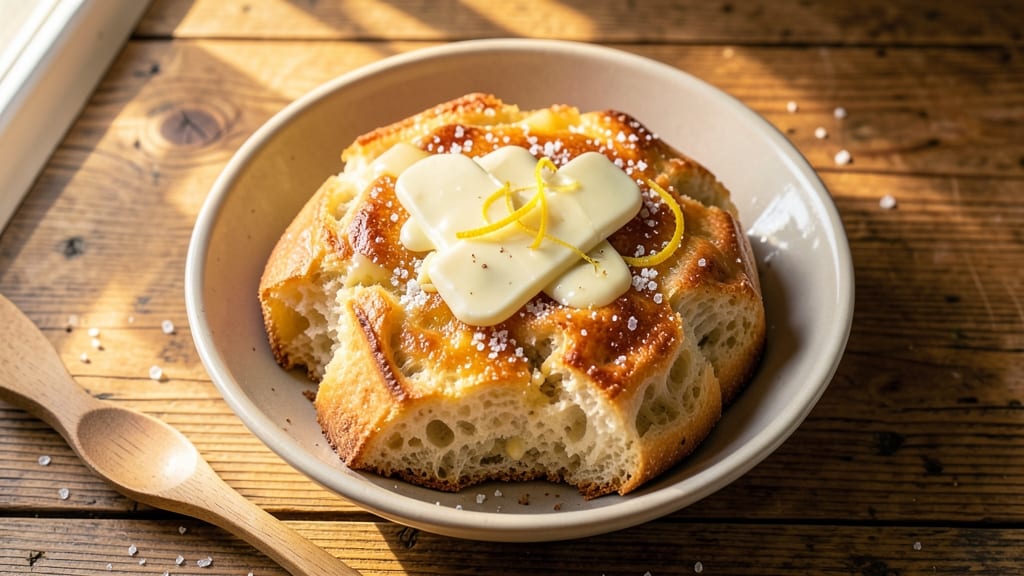
Adding egg to bread transforms ordinary loaves into extra-moist, tender masterpieces—think brioche or challah with a velvety crumb. The secret lies in the egg's ability to retain moisture and create a delicate, airy texture that keeps bread fresh for days.
I've perfected this technique after years of baking, and the difference between enriched and plain dough is night and day.
This method uses whole eggs (not just yolks) for balanced richness and structure, though you can adjust for dietary needs. The dough requires careful kneading to develop gluten properly, but the result—a golden, crackly crust with a soft, buttery interior—makes every effort worthwhile.
Perfect for breakfast pastries, dinner rolls, or even a showstopping loaf for company.
What sets this recipe apart is the foolproof proofing technique that ensures even rise and consistent texture. The egg-enriched dough handles shaping beautifully, whether you prefer a classic round loaf, braided challah, or free-form boules.
Baking at precise temperatures guarantees a crisp exterior while keeping the interior tender and moist for hours after baking.
Once baked, the possibilities are endless: brush with honey butter for a sweet finish, toast for breakfast, or serve warm with jam. This is bread that feels like a special occasion, even on a weeknight. Let's get started on creating your most luxurious loaf yet.
Ingredients for adding egg to bread
Twelve ingredients transform ordinary bread into a luxurious, egg-enriched masterpiece with velvety crumb and golden crust.
| Ingredient | Amount | Notes |
|---|---|---|
| All-Purpose Flour 🌾 | 4 cups | High-protein for better gluten development |
| Large Eggs 🥚 | 2 whole | Room temperature for even incorporation |
| Unsalted Butter 🧈 | ½ cup | Cold, cubed for easier mixing |
| Granulated Sugar 🍚 | ¼ cup | Adjust for sweetness preference |
| Instant Yeast 🍞 | 2 ¼ tsp | Single-use packet for accuracy |
| Whole Milk 🥛 | ½ cup | Warmed to 110°F for yeast activation |
| Diamond Crystal Kosher Salt 🧂 | 1 ½ tsp | Adjusts to 2% of flour weight |
| Granulated Honey 🍯 | 1 tbsp | Enhances moisture retention |
| Large Egg Yolks 🥚 | 2 whole | Reserved for final enrichment |
| Cornmeal 🌽 | ½ cup | For dusting proofing baskets |
| Water 💧 | ¼ cup | Room temperature for hydration |
| Egg Whites 🥚 | 2 whole | Optional for extra tenderness |
| Vanilla Extract 🌸 | 1 tsp | Pure, high-quality extract |
The flour is the foundation—opt for high-protein bread flour if available, or use all-purpose with an extra 5 minutes of kneading. King Arthur or Caputo are my go-tos for professional results, but any quality brand works. Eggs should be large, fresh, and room temperature for optimal emulsification; separate yolks for final enrichment. Unsalted butter matters here—Plugrá or Land O'Lakes are reliable choices, but European-style butter delivers superior flavor. Measure your sugar precisely; Domino or C&H brands are consistent in granulation. For yeast, Saf-Instant ensures foolproof activation without proofing time, while active dry yeast requires pre-dissolving in warm milk. The milk should be warmed to 110°F—too hot kills yeast, too cold slows fermentation.
No whole milk? Evaporated milk or full-fat coconut milk works in a pinch, though texture may vary slightly. Short on eggs? Combine 1 tbsp ground flaxseed with 3 tbsp water per egg as a binder, though texture will be denser. Substituting honey? Maple syrup or agave at a 1:1 ratio maintains moisture but alters flavor subtly. For a richer crust, replace 1 tbsp butter with melted ghee—its caramelization adds depth. The egg yolks in the final enrichment are non-negotiable for that signature tender crumb; pasteurized eggs are safe for raw dough applications. Vanilla extract should be pure, not imitation—McCormick or Nielsen-Massey deliver authentic aroma. When shaping, cornmeal dusting prevents sticking in baskets, while rice flour works for a finer finish.
Store shaped dough in an airtight container in the fridge for up to 24 hours before baking—this enhances flavor development. Once baked, these loaves stay fresh for 5-7 days at room temperature when wrapped tightly in plastic wrap, or freeze for 3 months by slicing and wrapping individual portions. For reheating, wrap slices in a damp towel and warm in a 350°F oven for 5 minutes to restore that bakery-fresh aroma. The golden crust benefits from immediate brushing with melted butter post-baking—this seals in moisture and adds a subtle sheen. Portion dough into individual loaves or rolls before final proofing for consistent baking times.
Why You'll Love This Recipe
- No-Fuss Mixer Magic: I swear by this—just toss flour, yeast, sugar, and butter into the bowl, then crack in those eggs while the mixer does the work. No kneading, no stress, just click and let it go.
- Rich Without Effort: That single egg folded into the dough? It makes everything richer—tender crumb, golden crust, and a subtle sweetness from the sugar that lingers. Honestly, it’s the kind of flavor that makes you pause mid-bite.
- Weeknight Wonder: Make a double batch on Sunday, and you’ve got breakfast, sandwiches, or toast for the whole week. My kids grab it straight from the fridge—no reheating needed—and it still tastes fresh.
- Budget Breakfast Hero: Flour, eggs, butter—these are pantry staples that won’t break the bank. I’ve fed a houseful of teenagers on less, and they never complain. (Yes, even on a Tuesday night.)
Step-by-step instructions for enriched bread with egg addition
Mastering the egg-enriched dough technique transforms ordinary bread into a tender, moist loaf with professional texture.
Prepare the Enriched Dough Base
In a stand mixer fitted with the dough hook attachment, combine 4 cups All-Purpose Flour, 2.25 tsp Instant Yeast, 1.5 tsp Diamond Crystal Kosher Salt, and 0.25 cup Granulated Sugar. Mix on low speed for 30 seconds to distribute the dry ingredients evenly.
Add 0.5 cup cold Unsalted Butter (cut into cubes) and mix on medium speed for 2 minutes until the butter is fully incorporated and the mixture resembles coarse crumbs. This cold butter creates pockets of fat that will yield a tender crumb structure. The dough should still appear shaggy at this stage—this is normal and will change as we add liquids.
Hydrate and Develop the Dough
In a separate bowl, whisk together 0.5 cup warmed Whole Milk (110°F), 1 tbsp Granulated Honey, 1 tsp Vanilla Extract, and 2 whole Large Eggs at room temperature. The warm milk activates the yeast while the eggs provide structural enrichment and moisture retention.
With the mixer running on low speed, gradually pour the wet ingredients into the flour mixture. Increase speed to medium and knead for 5-7 minutes until the dough becomes smooth, elastic, and pulls away from the sides of the bowl. The dough should be slightly tacky but not sticky—add 1-2 tablespoons of water if needed to achieve the proper consistency. This kneading step develops gluten strands that trap gas for proper rise.
Incorporate Egg Yolks for Extra Moisture
Transfer the dough to a lightly oiled bowl, cover with plastic wrap, and let rise in a warm place (78-80°F) for 1-1.5 hours or until doubled in size. While the dough rises, prepare the egg yolk wash by whisking together 2 whole Large Egg Yolks with 1 tablespoon water—this will create a glossy finish and additional moisture barrier.
After the initial rise, gently deflate the dough and shape it into a loaf. Place it seam-side up in a greased 9x5-inch loaf pan dusted with 0.5 cup Cornmeal. Brush the top generously with the egg yolk wash, reserving any excess. This step is crucial for creating that signature enriched bread crust while ensuring maximum moisture retention throughout the baking process.
Proof and Bake for Perfect Texture
Cover the loaf pan with a damp towel and let proof for an additional 45-60 minutes until the dough has risen 1-2 inches above the pan. The dough should feel springy when pressed gently with a fingertip—this indicates proper fermentation and gas development.
Preheat your oven to 350°F with a baking stone or inverted baking sheet on the middle rack. Bake the loaf for 30-35 minutes until the internal temperature reaches 190-195°F and the top is deep golden brown. The enriched dough will yield a slightly domed loaf with a tender crumb that resists drying out. For extra tenderness, you may optionally brush the top with a simple syrup made from equal parts water and sugar after baking.
Cool and Slice for Maximum Moisture
Remove the loaf from the pan and transfer it to a wire rack to cool completely for at least 1 hour before slicing. This resting period allows the gluten to relax and the moisture to redistribute evenly throughout the crumb. The bread should yield clean slices with a moist, fine crumb structure that remains fresh for several days.
For best results, store the bread in an airtight container with a slice of bread or a damp paper towel to maintain moisture. The egg enrichment creates a bread that stays soft for days while maintaining its structural integrity—this is the hallmark of a properly enriched loaf.
Pro Tips For Making Adding Egg To Bread
- Warm the Eggs First: I learned this the hard way—cold eggs straight from the fridge can shock your dough and slow the yeast. Whisk them with the sugar and butter until they’re just warm to the touch (about 10 seconds in the microwave or a bowl over warm water). The yeast will thank you with a faster, more reliable rise.
- Use Room-Temp Butter: Cold butter creates pockets in your bread that won’t bake evenly, and you’ll end up with a dense, greasy mess. Let that block sit out for 30–45 minutes until it’s soft enough to press with a finger but not melt. This isn’t the prettiest method, but it’s the tastiest—your texture will be light and uniform.
- Mix the Dough Just Till Combined: Overworking the dough after adding the eggs will develop too much gluten, turning your bread into a tough, chewy brick. Stop mixing the second the flour is just incorporated—lumps are fine. The eggs will bind everything together without needing brute force.
- Skip the Overproofing: This recipe isn’t a sourdough loaf—it doesn’t need hours to develop flavor. Once the dough doubles in size (usually 45–60 minutes), shape and bake it immediately. Leaving it too long makes the bread collapse or taste flat, and your kitchen will smell like yeast heaven for no good reason.
Best sauces and condiments for these flavors
Honey Butter Glaze
Finish your egg-enriched loaf with a honey butter glaze that adds sweetness and a glossy sheen. Mix 2 tablespoons softened unsalted butter with 1 tablespoon honey and a pinch of flaky sea salt.
Brush this mixture over the warm loaf immediately after baking. The butter melts into the crust, while the honey caramelizes slightly for a delicate sweetness that complements the bread's richness. 🍯
Garlic-Herb Compote
For a savory twist, create a garlic-herb compote using 2 tablespoons olive oil, 3 minced garlic cloves, 1 tablespoon chopped fresh rosemary, and 1 tablespoon chopped fresh thyme. Simmer this mixture for 3-4 minutes until fragrant, then drizzle it over slices of the warm bread.
The aromatic herbs and garlic elevate the bread's natural buttery flavor, making it perfect for dinner rolls or appetizers.
Whipped Brown Butter
Elevate your bread to gourmet status with whipped brown butter. Melt 4 tablespoons unsalted butter in a saucepan over medium heat until it turns golden brown and nutty. Pour it into a bowl and whip with a hand mixer until light and fluffy.
Spread this decadent topping over slices of bread for a luxurious finish. The nutty depth of brown butter pairs beautifully with the bread's tender crumb. 🧈
Maple-Cinnamon Syrup
For a sweet and spiced option, heat 2 tablespoons pure maple syrup with ½ teaspoon ground cinnamon in a small saucepan until warm. Drizzle this fragrant syrup over the bread while still warm from the oven.
The cinnamon adds warmth, while the maple syrup enhances the bread's natural sweetness. This pairing is ideal for breakfast or dessert-style bread servings.
Herbed Olive Oil Drizzle
Brighten your egg bread with an herbed olive oil drizzle. Combine 2 tablespoons extra-virgin olive oil with 1 teaspoon finely chopped fresh parsley, ½ teaspoon chopped fresh basil, and a pinch of red pepper flakes.
Drizzle this vibrant mixture over slices of bread before serving. The fresh herbs add brightness, while the olive oil keeps the bread moist and flavorful.
Nutrition facts
Frequently asked questions
Why does adding egg make bread so much softer?
Eggs act as natural moisture retainers and fat substitutes in bread dough. The proteins in eggs create a network that traps steam during baking, keeping the crumb tender for days. Plus, the fat from yolks prevents gluten from tightening too much, resulting in that signature velvety texture.
Can I use just egg whites instead of whole eggs?
Yes, but you'll notice a difference in texture. Egg whites add moisture but lack the fat from yolks, so your bread will be slightly less rich and may dry out faster. For best results, use 2 whole eggs for structure plus 1 extra white if you want extra lightness. The yolks are key for that luxurious crumb!
How do I know when my egg-enriched dough is ready?
Look for 3 key signs: The dough should double in size during the first rise (about 1-1.5 hours), feel springy when pressed gently, and leave a clean imprint when poked with a finger. For the second proof, it should rise 1-2 inches above the pan and feel firm but still soft to the touch.
What's the best way to store egg bread to keep it fresh?
Wrap cooled loaves tightly in plastic wrap or place them in an airtight container with a slice of bread or damp towel inside. This prevents drying out. For longer storage, freeze slices individually for up to 3 months. Reheat in a 350°F oven for 5 minutes wrapped in a damp towel for bakery-fresh results.
Can I make this bread without eggs for dietary reasons?
Yes! Try a flax egg (1 tbsp ground flaxseed + 3 tbsp water per egg) or aquafaba (3 tbsp chickpea brine per egg). However, texture will be denser—expect a slightly chewier crumb. For best results, add 1 extra tablespoon of oil to compensate for lost moisture. Always let the dough rest longer to develop gluten properly.