
Desserts
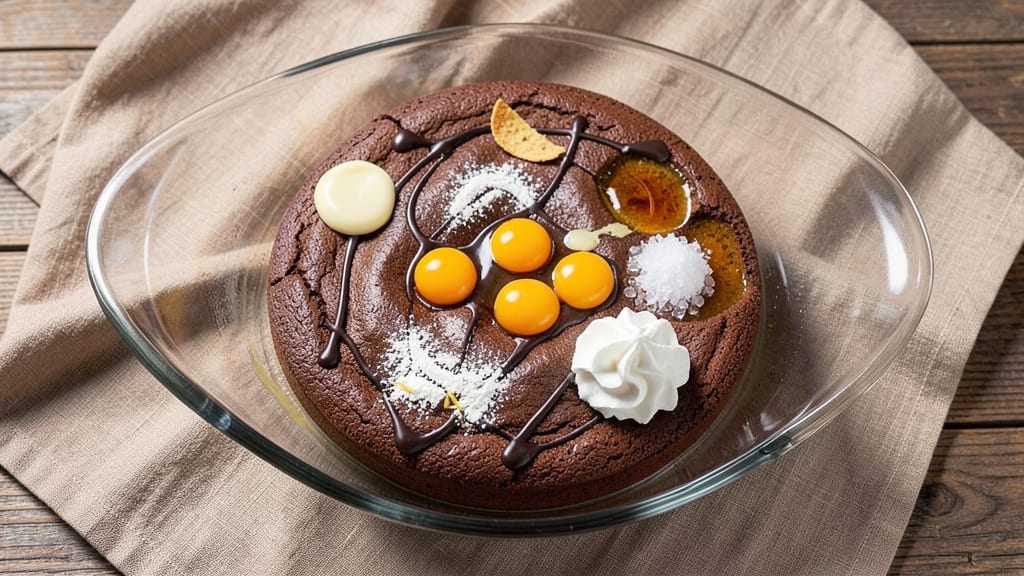
This 6-egg chocolate cake recipe delivers the perfect balance of rich chocolate flavor and moist, dense texture without a single crumb of dryness. The secret lies in the eggs—each one binding the batter while creating a tender crumb that stays fresh for days.
Professional bakers know that eggs are the unsung heroes of cake recipes, and this method proves why they're essential for that signature velvety mouthfeel.
What makes this recipe stand out is the foolproof technique of creaming butter and sugar properly, then folding in whipped egg whites for structure. Unlike lighter cakes, this version embraces its density—ideal for slicing thick or serving as a showstopper dessert.
The baking time is carefully calibrated to ensure a perfectly set interior without overbaking the top, which often leads to dryness.
By the time you pull this cake from the oven, you'll have a deeply chocolatey, moist center with a slightly crisp exterior that holds its shape beautifully. The eggs create a fine, even crumb that's rich but not heavy, making every bite satisfyingly dense.
This isn't your typical fluffy chocolate cake—it's a professional-quality dessert that delivers on texture and flavor.
Whether you're serving it warm with ice cream or chilled with a dusting of cocoa powder, this cake lives up to its promise of moistness without compromise.
The recipe includes troubleshooting tips to avoid common pitfalls like cracking or uneven baking, ensuring your first attempt will be flawless. Let's get started on creating this showstopper.
Ingredients for 6 egg chocolate cake
Six eggs, precise ratios, and professional techniques ensure this dense chocolate cake stays moist for days.
| Ingredient | Amount | Notes |
|---|---|---|
| Large Eggs 🥚 | 6 whole | Room temperature, separated yolks and whites |
| Unsalted Butter 🧈 | 1 ½ cups | Cold, cubed, European-style preferred |
| Granulated Sugar 🍚 | 2 cups | Superfine for smoother texture |
| Dutch Processed Cocoa Powder 🍫 | ¾ cup | High-quality, natural or Dutch-processed |
| All-Purpose Flour 🌾 | 2 cups | Sifted, spooned and leveled |
| Baking Powder 🧂 | 2 tsp | Aluminum-free for best results |
| Salt 🧂 | ½ tsp | Fine sea salt, Diamond Crystal preferred |
| Vanilla Extract 🌿 | 2 tsp | Pure Madagascar bourbon preferred |
| Whole Milk 🥛 | ½ cup | Room temperature, full-fat |
| Dark Chocolate Chunks 🍫 | 1 cup | 70% cacao, chopped into even pieces |
| Vegetable Oil 🫒 | ¼ cup | Light, neutral flavor preferred |
The eggs are non-negotiable here—room temperature is critical for proper emulsification. Separate yolks and whites for the folding technique that creates that signature velvety crumb. For butter, European-style (like Plugrá or President) has higher fat content, yielding richer flavor and better texture. The cocoa powder should be high-quality—avoid the cheap baking cocoa that tastes bitter. Valrhona or Guittard are professional-grade choices, but store-bought Dutch-processed works fine for home baking. Sift the flour to eliminate air pockets, which prevents a dense crumb. The baking powder should be aluminum-free (like Rumford) to avoid metallic aftertaste.
No vanilla extract? Pure almond extract at half the amount works, though the flavor profile differs slightly. Substituting milk? Full-fat coconut milk mimics the richness, but avoid non-dairy alternatives that alter moisture levels. For chocolate chunks, 70% cacao balances sweetness and intensity—higher percentages can overpower the cake's delicate structure. If you're in a bind, chop a high-quality chocolate bar (like Lindt or Ghirardelli) into even pieces. The vegetable oil acts as insurance against dryness—avocado or grapeseed oil are neutral alternatives if you prefer plant-based options. Pre-sifted flour? Measure it by spooning into the cup and leveling—never scooping directly from the bag, which packs it too tightly.
Store the cake in an airtight container at room temperature for up to 4 days—the moisture content keeps it tender. For longer storage, freeze slices wrapped in plastic for up to 3 months. Reheat slices in the oven at 300°F for 5 minutes to restore moisture. The batter can be prepared ahead and refrigerated overnight—bring it to room temperature before baking for consistent results. Double the recipe for crowd-sized portions, but use two 9-inch pans for even baking. Avoid overmixing the batter, which develops gluten and creates a tough crumb—mix just until combined.
Why You'll Love This Recipe
- No Mixer Needed: I swear by this recipe when my mixer’s on the fritz—just fold six eggs into melted butter and sugar until the batter’s silky smooth. No electric help required, and honestly? The result’s richer than anything from a box.
- Rich Without Fuss: That Dutch-processed cocoa? It’s the secret weapon here—deep, velvety flavor with none of the bitterness. Add six eggs, and you’ve got a cake that’s moist for days, not dry by morning.
- Weeknight Crowd-Pleaser: This feeds six easily, but I’ve halved it for two and doubled it for a potluck. The butter-to-flour ratio keeps it sturdy enough for slicing, so it’s perfect when you’re short on time but not on guests.
- Budget-Friendly Luxury: Six eggs and a stick of butter stretch further than you’d think—this cake’s the kind I make when I’m pinching pennies but still want dessert that feels special. (Yes, even on a Tuesday night.)
Step-by-step instructions for 6-Egg chocolate cake
This method delivers a rich, fudgy texture without compromising moisture—here's how to execute it precisely.
Prepare the Egg Components Separately
Separate the 6 whole Large Eggs into yolks and whites, placing each in separate bowls. I use room-temperature eggs—they whip more easily and incorporate better into the batter. Add the 2 cups Granulated Sugar to the yolks and beat with an electric mixer on medium speed for 3-4 minutes until the mixture is pale, thick, and nearly tripled in volume.
This step is critical for creating that signature dense yet moist texture. The sugar helps dissolve air into the yolks, which later creates lift and tenderness. Meanwhile, beat the egg whites in a separate bowl with a whisk until soft peaks form—this will be folded in later to add structure without dryness.
Cream Butter and Add Dry Ingredients
In a large mixing bowl, combine the 1.5 cups Unsalted Butter (cold, cubed) with the yolk-sugar mixture. Beat on medium speed for 2-3 minutes until fully incorporated and light in color. Gradually add the 0.75 cup Dutch Processed Cocoa Powder, 2 cups All-Purpose Flour, 2 tsp Baking Powder, and 0.5 tsp Salt, mixing on low speed just until combined.
I sift the flour and cocoa powder together first to prevent lumps. The butter should be cold when added—this prevents the batter from becoming too warm and causing the cake to sink. The mixture will be thick but smooth, with no visible flour streaks.
Incorporate Wet Ingredients and Fold in Chocolate
Add the 0.5 cup Whole Milk and 2 tsp Vanilla Extract to the batter, mixing on low speed until fully combined. Gently fold in the 1 cup Dark Chocolate Chunks using a spatula, ensuring even distribution. Finally, fold in the egg whites in 3 additions, using a gentle scooping motion to maintain air incorporation.
This folding technique is key—overmixing would deflate the whites and create a dense, dry cake. The batter should be thick but pourable, with visible chocolate chunks throughout. If it's too stiff, add 1-2 tablespoons of milk to loosen it.
Bake in Two Layers for Even Cooking
Divide the batter evenly between two 8-inch round cake pans lined with parchment paper. Bake at 350°F for 25-30 minutes, rotating the pans halfway through, until a toothpick inserted into the center comes out with moist crumbs (not wet batter). The edges should be set, but the top may still look slightly underdone.
I always bake in two layers to ensure even cooking—thick cakes often develop a dome and undercook in the center. The internal temperature should reach 205-210°F for that perfect moist crumb. Overbaking is the enemy here; it turns moist into dry.
Cool and Serve for Maximum Moisture Retention
Transfer the pans to a wire rack and let the cakes cool for 10 minutes before removing them from the pans. Finish cooling at room temperature for 1 hour, then wrap tightly in plastic wrap and refrigerate for at least 2 hours (or overnight) before slicing. This resting period allows the flavors to meld and the texture to stabilize.
The cake will be rich and fudgy when first baked, but the moisture distribution improves with time. Slice with a serrated knife for clean pieces, and serve at room temperature for the best texture. The chocolate chunks should be warm and melty, enhancing the dense, moist crumb.
Pro Tips For Making 6 Egg Chocolate Cake
- Whisk Eggs Cold: Start your eggs straight from the fridge—room temp eggs here just make the batter too runny. I learned this after watching my first batch slide out of the pan like a sad puddle. Crack them into a bowl, then let them sit for 10 minutes while you melt the butter. That’s all it takes to keep the structure intact.
- Sift the Cocoa: Dutch-processed cocoa powder is not fine—it’s clumpy, and clumps sink. Sift it with the flour twice (yes, even if it looks powdery the first time). I used to skip this and ended up with dense layers where the chocolate flavor hid instead of shone. Trust me, the effort pays off.
- Don’t Overmix the Batter: This isn’t pancake batter—fold just until the flour disappears. Overmixing develops the gluten, and suddenly you’ve got a cake that’s more like a chewy brick than a melt-in-your-mouth dessert. Stop when there are just a few streaks left. Your future self will thank you when slicing is effortless.
- Grease the Pan Hot: Heat your 9-inch pan for 30 seconds on medium, then butter it generously with a pastry brush—no, not just a pat of butter. Cold pans mean the cake sticks like glue. I used to rush this, and my first three attempts left me scraping cake off the bottom like it was a science experiment. Do it right the first time.
Perfect pairings for these flavors
Warm Beverage Pairings
This dense chocolate cake pairs beautifully with hot beverages that complement its rich cocoa flavor. A cup of espresso (about 2 ounces) cuts through the richness while enhancing the chocolate notes.
For a creamier option, try hot chocolate made with whole milk—add a pinch of cinnamon and sea salt to mirror the cake's depth. 🌟
For a spiced twist, serve with chai tea (I love Tazo Chai or Bigelow Vanilla Chai)—the cardamom and ginger add warmth that balances the cake's density. If you prefer coffee, a cortado (equal parts espresso and steamed milk) provides the perfect creamy contrast without overpowering the chocolate.
Dairy-Free Alternatives
For guests avoiding dairy, coconut milk chai (made with full-fat coconut milk) delivers a tropical contrast that works surprisingly well. A dark roast cold brew (like Stumptown or Peet's) also pairs beautifully—its bold, slightly bitter notes enhance the cake's chocolate intensity. 🥛
For a non-coffee option, golden milk (turmeric-infused almond milk with cinnamon) adds a soothing, earthy warmth that complements the cake's richness. Just be sure to use unsweetened almond milk to avoid overpowering the chocolate flavor.
Fruit-Based Contrasts
Bright, acidic fruits create the perfect contrast to this dense cake. A sliced strawberry (about 4-6 berries) on the side adds natural sweetness that balances the chocolate's intensity. For a more dramatic presentation, serve with raspberry coulis—simply blend 1 cup raspberries with 1 tablespoon sugar and strain. 🍓
Citrus also works wonderfully: a small orange segment or a lemon zest sprinkle on top adds a refreshing zing. I like to serve the cake with a citrus-infused simple syrup (simmer ½ cup orange juice, ½ cup water, and ½ cup sugar for 5 minutes) for dipping.
Creamy Toppings
No chocolate cake is complete without a creamy element. A scoop of vanilla bean ice cream (I recommend Breyers or Ben & Jerry's) melts beautifully into the warm cake. For a lighter option, whipped cream sweetened with powdered sugar and a dash of cocoa powder adds airy contrast. 🍦
For a decadent touch, drizzle with chocolate ganache (melt ½ cup dark chocolate with ¼ cup heavy cream, then cool slightly). A sprinkle of crushed pistachios or toasted hazelnuts adds crunch and visual appeal to the plate.
Nutrition facts
Frequently asked questions
Why does this recipe use 6 eggs instead of the usual 3-4?
The extra eggs create a denser, more velvety crumb while adding richness and moisture that keeps the cake tender for days. Each egg contributes fat and protein that bind the crumb together, preventing dryness. This method mimics traditional European chocolate cakes that rely on eggs for structure without needing extra fat.
Can I make this cake in a single 9-inch pan instead of two 8-inch pans?
You can try, but expect a thicker, domed cake that may underbake in the center. For best results, use two 8-inch pans—they ensure even cooking and prevent cracking. If you must use one pan, reduce baking time to 25 minutes and check frequently to avoid overbaking the top.
What's the best way to store leftovers to keep them moist?
Wrap slices tightly in plastic wrap and store at room temperature for up to 4 days. For longer storage, freeze slices for 3 months. To revive texture, reheat slices in the oven at 300°F for 5 minutes—this restores moisture without drying them out. Never refrigerate unwrapped cake, as it dries out quickly.
How do I fix if my cake turns out too dry?
Dryness usually means overbaking or using too much flour. Next time, check doneness with a toothpick—it should have moist crumbs, not wet batter. For immediate fixes, brush warm slices with simple syrup** (equal parts sugar and water heated until dissolved) or serve with a dollop of whipped cream to add moisture.
Can I substitute eggs with a vegan alternative?
This recipe relies on eggs for structure and moisture—vegan substitutes like flax eggs or aquafaba won't replicate the same dense texture. For a vegan version, try a different recipe using avocado or silken tofu as fat/moisture sources instead. The 6-egg method is specifically designed for that signature rich, fudgy crumb.