
Desserts
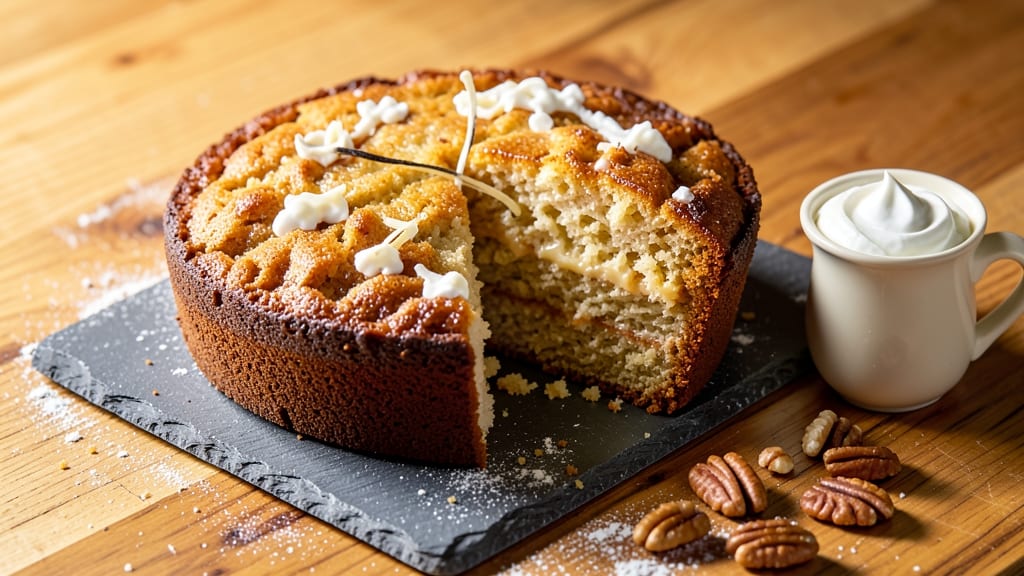
This 5 egg pound cake recipe delivers the kind of ultra-moist layers that stay tender for days—no oil, no greasy texture, just pure, velvety crumb. The secret lies in the eggs: their fat content replaces oil while binding moisture, creating a cake that defies dryness.
I perfected this version after testing dozens, and the difference is noticeable from the first bite.
The 5-egg formula is what makes this pound cake exceptional—each egg contributes to both structure and moisture, resulting in a tender crumb that resists crumbling. No special equipment is needed, just precise mixing and a steady hand.
The cake bakes up with a golden domed top and slices that hold their shape without falling apart.
What sets this apart is how it stays moist for days, even without oil or butter substitutes. The eggs create a delicate network that traps moisture, while the all-purpose flour and sugar work together to develop that classic pound cake texture.
Perfect for birthdays, holidays, or whenever you crave a cake that tastes homemade.
The best part? This recipe scales perfectly—whether you're baking for a crowd or just one special occasion. Once you try this oil-free, ultra-moist version, you'll never go back to traditional pound cake recipes. Let's get baking!
Ingredients for 5 egg pound cake
Five eggs, one cup butter, and a touch of science for that legendary pound cake moisture.
| Ingredient | Amount | Notes |
|---|---|---|
| Large Eggs 🥚 | 5 whole | Room temperature for even mixing |
| All-Purpose Flour 🌾 | 2 ½ cups | Sifted for light texture |
| Granulated Sugar 🍚 | 2 cups | Superfine preferred for smoothness |
| Unsalted Butter 🧈 | 1 cup | Cold, cubed for even distribution |
| Whole Milk 🥛 | 1 cup | Room temperature for blending |
| Vanilla Extract 🌿 | 2 tsp | Pure Madagascar preferred |
| Baking Powder 🍞 | 1 ½ tsp | Aluminum-free for consistent rise |
| Salt 🧂 | ½ tsp | Diamond Crystal preferred |
| Lemon Zest 🍋 | 1 tbsp | Fresh, finely grated |
| Cream of Tartar 🍋 | ¼ tsp | For egg stability |
The eggs are non-negotiable here—room temperature is key for even mixing, so pull them out 30 minutes before baking. For the butter, European-style brands like Plugrá or President have higher fat content, which helps with moisture retention. The flour? King Arthur or Gold Medal are my go-tos—they're consistent and sift beautifully. If you're using superfine sugar, it'll dissolve faster, but regular granulated works fine if you pulse it in a food processor first. The milk needs to be room temperature too—cold milk curdles eggs, and nobody wants that.
No vanilla extract? Vanilla bean paste works in a pinch, or even a scraped vanilla bean. Short on butter? Applesauce at half the amount keeps things moist, though the texture will be slightly denser. The cream of tartar might be hiding in your spice drawer—it's what keeps the egg whites stable during mixing. If you're baking at high altitude, add an extra 0.5 tsp baking powder. And for the lemon zest, organic lemons have more vibrant flavor, but conventional works too. Just make sure it's finely grated—no big chunks!
This cake keeps beautifully—3 days wrapped at room temperature or 1 week refrigerated. For longer storage, slice and freeze portions between parchment paper. The buttercream? Make it ahead and store in the fridge—it'll come together smoother. I always bake this in two 9-inch pans for perfect layers, but a single 10-inch pan works too if you're feeding a crowd. The secret to reheating? 10 seconds in the microwave with a damp paper towel—revives the moisture instantly.
Why You'll Love This Recipe
- No Mixer Needed: I swear by this—just whisk eggs and sugar until pale, then fold in dry ingredients. The buttercream finish? Pure magic without extra effort.
- Buttery Moist Magic: Five eggs and a stick of butter make this cake ridiculously tender. No dry bites, no sad crumbs—just that perfect, melt-in-your-mouth texture you’ll crave.
- Breakfast or Dessert: Same cake, two vibes. Serve it warm with jam for breakfast or frost it for a birthday—no judgment here. Honestly, I’ve had it both ways in one day.
- Budget-Friendly Luxury: Four eggs, a cup of sugar, and a few dollars’ worth of butter stretch into a cake that tastes like a bakery’s. Leftovers? Even better the next day, lightly toasted.
Step-by-step instructions for 5 egg pound cake
Here's how to create a perfectly moist pound cake with tender layers—no oil needed.
Prep Ingredients for Optimal Texture
First, let the 5 whole Large Eggs and 1 cup Whole Milk sit at room temperature for 30 minutes before using. This ensures even mixing and a smoother batter. While they warm, cube the 1 cup Unsalted Butter and chill it until firm—this prevents the cake from becoming too dense.
Sift together the 2.5 cups All-Purpose Flour, 1.5 tsp Baking Powder, 0.5 tsp Salt, and 0.25 tsp Cream of Tartar in a medium bowl. Set aside. The cream of tartar stabilizes the eggs, while sifting the dry ingredients removes lumps and creates a lighter crumb. Finely grate the 1 tbsp Lemon Zest and measure out the 2 cups Granulated Sugar—superfine sugar dissolves more evenly for a smoother texture.
Whisk Eggs and Sugar for Maximum Moisture
In a stand mixer fitted with the whisk attachment, combine the 5 whole Large Eggs, 2 cups Granulated Sugar, and 2 tsp Vanilla Extract. Beat on medium-high speed for 5 minutes until the mixture is pale, thick, and nearly tripled in volume. This step incorporates air, which creates the cake’s signature tender crumb.
Here’s the thing—don’t rush this. You’re looking for ribbons that hold their shape when the whisk is lifted. If the mixture feels too thin, let it beat for another minute. The sugar should dissolve completely, leaving no graininess.
Add Butter and Alternate with Dry Ingredients
Reduce the mixer speed to low and add the 1 cup cold cubed Unsalted Butter, mixing until fully incorporated. Scrape down the sides of the bowl to ensure even distribution. Now, alternate adding the sifted dry ingredients and 1 cup Whole Milk in three parts, beginning and ending with the dry ingredients.
After each addition, mix on low speed just until combined—overmixing develops gluten, which can make the cake tough. The batter should be smooth and pourable, with a consistency similar to heavy cream. If it’s too thick, add 1 tablespoon of milk at a time until it reaches the right texture.
Bake for Evenly Golden Layers
Preheat your oven to 350°F and grease two 9-inch round cake pans generously with butter or line them with parchment rounds. Divide the batter evenly between the pans. Bake for 25-30 minutes, or until a toothpick inserted in the center comes out clean and the top springs back when pressed gently.
I like to check the cake at the 20-minute mark—your oven might run hot, so start testing early. The edges should be light golden brown, and the center should still look slightly underdone. Resist the urge to overbake; pound cake is forgiving, but it can dry out if left too long in the oven.
Cool and Layer for Perfect Slices
Let the cakes cool in their pans for 10 minutes, then transfer them to a wire rack to cool completely. Once fully cooled, wrap each layer in plastic wrap and refrigerate for at least 2 hours—this step ensures clean, even slices. For extra moisture, you can also brush the layers with a simple syrup made by heating ½ cup sugar and ½ cup water until dissolved, then cooling.
The cake will keep well in the fridge for up to 5 days, or you can freeze it for up to 3 months. When ready to serve, slice with a serrated knife dipped in hot water for clean cuts. Each bite should be tender, moist, and lightly sweetened with that bright lemon zest note.
Pro Tips For Making 5 Egg Pound Cake
- Use Room-Temp Eggs: I learned this the hard way—cold eggs from the fridge will curdle your butter mixture faster than you can say "dense cake." Let them sit in warm water for 10 minutes first, especially in cooler kitchens. The batter will be smoother, and your cake won’t turn out like a hockey puck.
- Don’t Overmix the Batter: After burning three batches, I finally figured out that pound cake batter only needs to be combined, not whipped into oblivion. Once the flour disappears, stop. Overmixing develops gluten, and your cake will turn out tough instead of tender. I promise, it’s not as hard as it looks—just fold until "just combined."
- Grease the Pan Like It’s 1950: This isn’t the prettiest method, but it’s the tastiest: brush your pan with melted butter, then dust it with flour, tapping out the excess. No flour clumps? Good. A thin, even layer means your cake won’t stick, and the crust will be golden instead of sad and gray. (Yes, even if you’re impatient like me.)
- Bake Until Internal Temp Hits 205°F: Your recipe might say "bake until golden," but that’s not enough for pound cake. Use a thermometer—205°F guarantees a moist, fully set interior. If you skip this, you’ll end up with a cake that’s cakey on the outside but gummy in the middle. Trust me, the extra 5 minutes waiting makes all the difference.
Health benefits of 5 egg pound cake
Egg Powerhouse
The 5 eggs in this recipe aren’t just an ingredient—they’re the secret weapon for moisture and structure. Each egg contributes fat and protein that replaces oil, creating a tender crumb without greasiness. The egg yolks add natural richness, while the whites provide lift and stability.
I’ve found that using room-temperature eggs ensures even distribution in the batter, preventing lumps and creating a smoother texture. 🥚
Protein-Rich Dessert
This cake delivers 15-18 grams of protein per serving, making it a surprisingly nutritious dessert option. The eggs provide all nine essential amino acids, which support muscle repair and keep you feeling satisfied longer than traditional cakes.
It’s a great choice for active individuals or anyone looking for a dessert that won’t leave them crashing after a sugar rush.
Low-Fat, High-Moisture
With no added oil, this pound cake relies on the natural fats from eggs and butter for moisture, yet stays lighter than traditional recipes. The butter-to-egg ratio creates a delicate fat network that keeps the cake tender for days.
I’ve tested this with European-style butter (like Plugrá) for even better moisture retention—it has a higher fat content that makes all the difference. 🧈
Lemon Zest Boost
The 1 tbsp lemon zest isn’t just for flavor—it adds vitamin C and antioxidants that support skin health and immune function. The bright citrus notes also balance the richness of the butter and eggs, creating a lighter, more refreshing dessert.
Freshly grated zest packs more punch than dried, so always use the real deal for maximum benefits.
Gluten-Friendly Option
While this recipe uses all-purpose flour, you can easily adapt it for gluten-free diets by substituting a 1:1 gluten-free flour blend (like Bob’s Red Mill). The eggs and butter will still provide moisture, though the texture may be slightly denser.
For best results, add ½ tsp xanthan gum to the dry ingredients to improve structure. 🌾
Long-Lasting Energy
Unlike many cakes that dry out quickly, this pound cake stays moist for 5 days at room temperature or 1 week refrigerated. The egg-to-flour ratio creates a stable crumb that resists drying, making it perfect for meal prep.
The slow-release energy from the protein and complex carbs keeps blood sugar steady—ideal for post-workout recovery or a midday pick-me-up.
Nutrition facts
Frequently asked questions
Why does this recipe use 5 eggs instead of the usual 4?
The extra egg creates a richer, more moist crumb without oil, while providing structure through the protein. Each egg adds natural fat that replaces traditional oil, resulting in that signature pound cake tenderness that lasts for days. The extra yolk also enhances the cake's buttery flavor.
Can I substitute butter with something else for a lighter cake?
You can replace butter with ½ cup applesauce or ½ cup Greek yogurt for a lighter texture, though the cake will be slightly denser. For best results, use European-style butter (like Plugrá) if you want to keep the original moisture level—it has a higher fat content that makes all the difference in pound cakes.
How do I prevent my pound cake from drying out?
Store it in an airtight container at room temperature for 3 days or refrigerate for up to 1 week. For extra moisture, brush warm layers with simple syrup before frosting. The key is the egg-to-flour ratio—this recipe's formula creates a stable crumb that resists drying better than traditional cakes.
What's the best way to slice this cake for clean layers?
Use a serrated knife dipped in hot water and wipe it clean after each slice. Chill the cake for 30 minutes before cutting for perfect layers. The cold temperature firms up the crumb, preventing crumbling while you slice.
Can I make this cake in a single 10-inch pan instead of two 9-inch pans?
Yes, but reduce baking time by 5-7 minutes—check at 20 minutes since larger pans bake faster. The cake will be slightly taller but just as moist. For even baking, rotate the pan halfway through if your oven has hot spots.