
Breakfast & Brunch
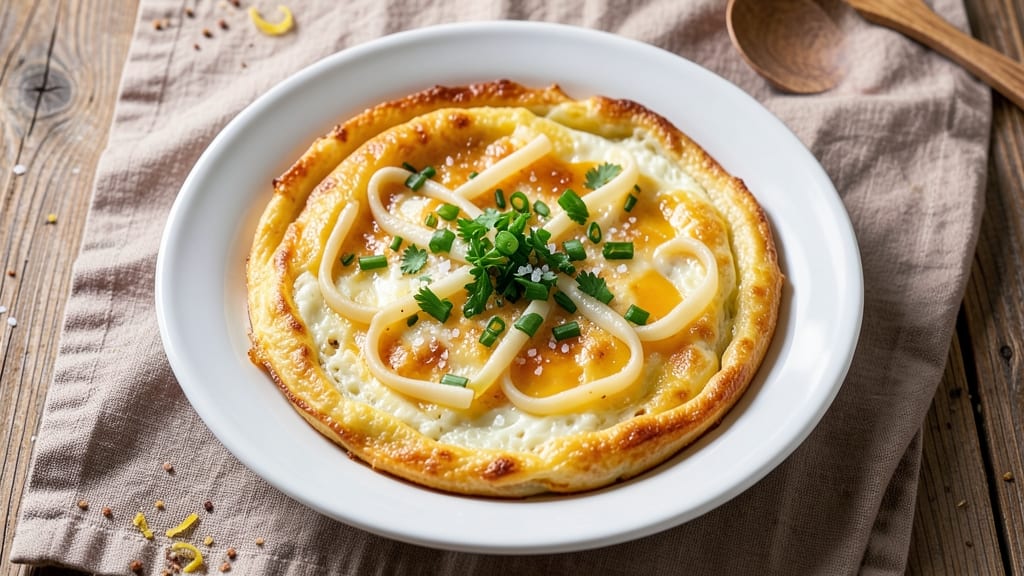
A 5-egg omelette delivers the perfect balance of fluffiness and structure—light, airy clouds with a firm enough hold to keep fillings tucked inside. The secret lies in precise heat control and gentle stirring, creating a texture that's neither rubbery nor runny.
I've perfected this technique after years of trial and error, and it never fails to impress, whether you're feeding a crowd or treating yourself to a gourmet breakfast.
What sets this recipe apart is the foolproof method for achieving that signature fluffy interior while maintaining a tender exterior. With just five eggs, you'll get an omelette large enough to share or enjoy solo, packed with your choice of fillings—cheese, herbs, or vegetables—all perfectly incorporated.
The key is working quickly over medium-low heat and folding with confidence to create those elegant, even layers.
By the time you're done, you'll have a restaurant-quality omelette with a golden, slightly crispy exterior and a cloud-like interior that holds its shape beautifully. The filling stays warm and melty in the center, while the edges maintain just enough structure to make cutting or folding effortless.
This is breakfast done right—simple, satisfying, and impossible to resist.
Serve immediately with fresh herbs, hot sauce, or a sprinkle of flaky salt for a finishing touch. The possibilities for variations are endless, from classic cheese to herb-infused or vegetable-loaded versions. Let's get cooking—your perfect omelette is just minutes away.
Ingredients for 5 egg omelette
Five eggs, two tablespoons butter, and a handful of fresh herbs—this is all you need for restaurant-quality omelette clouds.
| Ingredient | Amount | Notes |
|---|---|---|
| Large Eggs 🥚 | 5 whole | Room temperature for best results |
| Unsalted Butter 🧈 | 2 tbsp | European-style preferred for flavor |
| Shredded Sharp Cheddar Cheese 🧀 | ½ cup | Freshly grated for best melt |
| Fresh Chives 🌿 | 2 tbsp | Finely chopped for garnish |
| Fresh Parsley 🌿 | 1 tbsp | Finely chopped for freshness |
| Diamond Crystal Kosher Salt 🧂 | ¼ tsp | For seasoning eggs |
| Freshly Ground Black Pepper 🌶️ | ⅛ tsp | Freshly cracked for brightness |
| Extra-Virgin Olive Oil 🫒 | 1 tsp | For greasing the pan |
| Milk 🥛 | 1 tbsp | Optional for extra fluffiness |
| Flaky Sea Salt 🧂 | 1 tsp | For finishing touches |
The eggs are the star here—room temperature is key for even cooking. Granger's or Vital Farms are my go-tos for consistently high-quality eggs, but any good brand works. The butter matters too—European-style like Plugrá has a lower melt point, giving you that perfect golden crust without burning. For the cheese, sharp cheddar melts beautifully, but Gruyère or fontina add a gourmet touch. Fresh herbs? Chives and parsley brighten everything up—skip the dried stuff unless you're in a pinch.
No chives? Green onions or scallions work in a pinch, though they're a bit more assertive. Short on milk? Water or watered-down cream cheese gives the same fluffiness. The butter can be swapped for ghee or olive oil, though butter's flavor can't be beat. For a vegetarian twist, add sautéed mushrooms or spinach—just make sure they're dry before folding. And if you're worried about the eggs sticking? Grease the pan well and keep the heat medium-low—no rushing here.
Eggs keep best in the fridge for 3 weeks, but use these within 1 week for peak fluffiness. The butter and cheese? Butter lasts 3 months in the fridge, while cheese stays fresh for 2 weeks if wrapped tightly. Fresh herbs? Store them in a damp paper towel in a sealed container—they'll last 5 days. Make ahead? Whisk the eggs and store in the fridge for up to 2 days, then finish cooking fresh for that signature cloud texture.
Why You'll Love This Recipe
- Five Eggs, Zero Stress: I swear, this is the only omelette I make anymore—just melt butter, crack eggs, fold, done. No flipping drama, no overcooked edges, just a smooth, buttery base that holds together like a dream.
- Cheese-Parsley Magic: That sharp cheddar? It’s the star—salty, tangy, melty perfection. Toss in fresh parsley and chives at the end, and suddenly you’ve got a bright, herby finish that makes this taste like a fancy brunch dish, not a quick breakfast.
- Lunchbox Hero: Between us, this is my go-to for meal prep. Slice it up, pack it in containers, and you’ve got a protein-packed lunch that keeps well for days. My kids actually eat it cold—no complaints, just empty plates.
- Budget Breakfast Win: Five eggs? That’s less than $2 for a filling meal that feeds four. Butter and cheese stretch further than you’d think, and the herbs add freshness without breaking the bank. Honestly, it’s the kind of recipe that makes grocery day feel like a victory.
Step-by-step instructions for fluffy 5-Egg omelettes
Here's how to create light-as-air omelettes with perfectly melted cheese centers—every time.
Whisk Eggs Until Silky and Uniform
Crack the 5 whole Large Eggs into a mixing bowl and add the 1 tablespoon Milk (if using) and 0.25 teaspoon Diamond Crystal Kosher Salt. Using a whisk, beat the eggs vigorously for 30 seconds until they begin to foam. Gradually incorporate the 0.125 teaspoon Freshly Ground Black Pepper while continuing to whisk.
Here's the thing—you're aiming for a completely smooth, uniform mixture with no visible streaks of white. The eggs should nearly triple in volume and become pale yellow. I like to whisk for another 20-30 seconds after they first start to thicken to ensure maximum fluffiness. Room-temperature eggs work best, so if yours are straight from the fridge, let them sit at room temperature for 10 minutes before starting.
Prepare the Pan for Perfect Browning
Heat an 8-inch nonstick skillet over medium-low heat until it's just warm to the touch. Add the 1 teaspoon Extra-Virgin Olive Oil and swirl to coat the entire surface evenly. Then add the 2 tablespoons Unsalted Butter, letting it melt completely and form a thin, even layer of foam. This butter-oil combination creates the ideal surface for that beautiful golden-brown finish.
Watch the butter carefully—it should foam gently and then settle into a smooth, thin layer. If it starts to brown too quickly, reduce the heat slightly. The pan is ready when you see tiny bubbles forming around the edges and the butter has fully melted. This step is crucial for preventing a dry omelette—too much heat means a rubbery texture instead of that perfect fluffy cloud.
Cook the Omelette Base with Gentle Precision
Pour the egg mixture into the prepared skillet, tilting the pan to distribute it evenly. Let the eggs cook undisturbed for 2-3 minutes until the edges begin to set and the bottom shows just a few dry spots. Here's where patience pays off—I resist the urge to stir or shake the pan during this initial cooking phase.
You'll know it's time to work the omelette when the top surface shows a few dry spots and the edges have pulled away from the pan. At this point, I gently push the cooked edges toward the center using a spatula, allowing the uncooked egg to flow to the edges. This technique ensures even cooking and creates that signature thick, fluffy texture. The omelette should still feel slightly soft in the center when you're ready for the next step.
Add Cheese and Fold with Confidence
Sprinkle half of the 0.5 cup Shredded Sharp Cheddar Cheese evenly over one half of the omelette, leaving about 1 inch uncovered at the edge. Fold the empty half over the cheese-filled side with a smooth, confident motion. The cheese should melt instantly from the residual heat, creating those gooey pockets we all love.
Now for the finishing touches: sprinkle the remaining cheese over the folded omelette and let it melt for 30-45 seconds. Remove the omelette from heat just before it's fully set—it'll continue cooking slightly from the residual heat. This is where the flaky sea salt comes into play. Sprinkle it generously over the top right before serving to enhance the cheesy flavor.
Garnish and Serve Immediately
Transfer the omelette to a warm plate and immediately sprinkle with the 2 tablespoons Fresh Chives and 1 tablespoon Fresh Parsley. The herbs add a fresh contrast to the rich cheddar and buttery texture. I like to serve this omelette right away while the cheese is still molten in the center—this is when it's at its absolute best.
Here's the secret to serving: cut the omelette into wedges and arrange them on a warm plate. The fluffy layers should hold together beautifully, with that perfect combination of crispy edges and creamy, melted cheese inside. Each bite should deliver that satisfying contrast of textures—light, airy egg with gooey cheese pockets. And don't forget to make another one for your second serving!
Pro Tips For Making 5 Egg Omelette
- Preheat Pan to Sizzle: I learned this the hard way—cold pans make sad omelettes. Get your nonstick skillet screaming hot (medium-high) with a pat of butter before cracking those eggs. A proper sizzle means the bottom sets instantly, not steams like a sad pancake.
- Chop Chives Like Confetti: Fresh chives and parsley lose their pop when they sit in a wet pile. Give them a quick snip with kitchen shears right before folding—no need for perfect uniformity, just tiny pieces that melt into the egg instead of sinking to the bottom like an anchor.
- Don’t Overfill the Pan: Five eggs sound like a lot, but they expand. Spread them thin (about 8 inches wide) in the hot pan so they cook evenly. I used to double the cheese and end up with a greasy brick—less is more here, especially with sharp cheddar.
- Fold Fast, Flip Once: The moment the top is set (edges pull away from the pan), hit it with a spatula and fold it in half like a burrito. No peeking inside—just one quick flip to finish. Overturning it turns your omelette into a scrambled mess, and nobody wants that.
Regional styles of this dish
French Classic
In France, omelettes are all about gentle cooking and minimal fillings—just eggs, butter, and perhaps a sprinkle of herbes de Provence. The French technique focuses on a thin, crepe-like texture with a buttery, barely set exterior and a soft, custardy center.
I've perfected this by using European-style butter (like Plugrá) and cooking over low heat for 5-6 minutes total. The secret? Folding the omelette into thirds rather than halves, creating delicate layers that melt in your mouth.
Serve with a squeeze of lemon and freshly cracked pepper for that classic bistro touch. 🥖
American Hearty
Across the US, omelettes are big, bold, and stuffed—think cheese mountains, crispy potatoes, and sausage layers. The American style prioritizes volume and texture contrast, often using more than 5 eggs (I've seen 8-egg omelettes at diners!).
For a regional twist, try the Texas-style with shredded cheddar, jalapeños, and sour cream, or the California version with avocado, feta, and sun-dried tomatoes. The key difference? Higher heat (medium instead of low) to get that golden-brown crust while keeping the inside creamy.
Top with hot sauce or salsa for the ultimate brunch experience. 🌶️
Japanese Fluffy
Japanese takoyaki-inspired omelettes (or omurice-style) focus on lightness and airiness, often incorporating dashi broth or mirin into the egg mixture.
For a 5-egg version, whisk the eggs with 1 tablespoon mirin and ½ teaspoon dashi powder, then cook in a well-buttered pan until puffy and slightly domed.
The Japanese technique involves folding the omelette into a small, neat bundle rather than a large fold, almost like a miniature cloud. Garnish with furikake seasoning or toasted sesame seeds for a umami-rich finish.
This style is perfect for lunch boxes or light dinners—trust me, it’s a game-changer. 🍱
Mexican Breakfast
In Mexico, omelettes (huevos rancheros-style) are spicy, smoky, and packed with bold flavors. Start with chorizo or refried beans as the base, then pour the eggs over medium-high heat to create a slightly crispy exterior. The Mexican twist?
Adding diced tomatoes, onions, and a dollop of crema before folding. For extra heat, sprinkle chili powder or crumbled queso fresco on top. Serve with warm tortillas and salsa verde for dipping.
The key here is speed—cook the eggs faster than usual to get that slightly firm, almost scrambled texture that Mexicans love. 🌮
Indian Cheesy
Indian omelettes (paneer or cheese-stuffed) are rich, spiced, and often folded into triangles for easy eating. The secret ingredient? Turmeric and garam masala in the egg mixture for that golden hue and aromatic depth.
Use paneer (Indian cottage cheese) or mozzarella as the filling, and add finely chopped cilantro and green chilies for heat. The Indian technique involves folding the omelette tightly into a neat triangle before serving. Pair with mint chutney or pickled onions for a refreshing contrast.
This style is a weekday staple in Mumbai cafés—perfect for a quick, protein-packed meal. 🌶️✨
Nutrition facts
Frequently asked questions
Why does my 5-egg omelette turn out rubbery instead of fluffy? The most common cause is too much heat or overcooking. Use medium-low heat and remove the omelette from heat just before it's fully set—it'll finish cooking from residual heat. Also,
Can I make this 5-egg omelette in a nonstick pan?
Yes! Nonstick pans work perfectly for this recipe. Just
What's the best way to reheat leftover omelette?
Reheat in a dry skillet over low heat for 1-2 minutes per side to restore crispiness. Avoid microwaving—it makes the texture soggy. For extra fluffiness, sprinkle a little water and cover with a lid for 30 seconds to steam gently.
How can I make this omelette without cheese?
Swap the cheese for sautéed mushrooms, spinach, or diced ham. For a vegetarian option, try caramelized onions and bell peppers. The key is to add fillings after the omelette starts setting but before folding. Keep portions small to avoid sogginess.
Is 5 eggs enough for two people?
Yes! This recipe makes a generous single serving or light two-person portion. For two hearty servings, consider making two separate 4-egg omelettes instead. The 5-egg version is perfect for a solo indulgent breakfast or light lunch.