
Main Courses
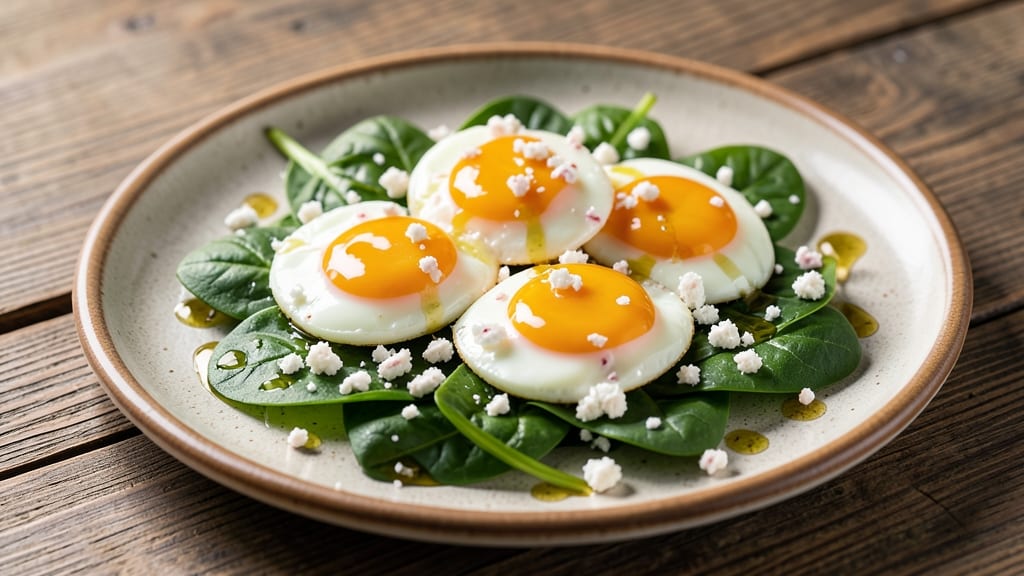
This 4-ingredient egg recipe for weight loss delivers restaurant-quality protein in just 10 minutes—no complicated techniques or long ingredient lists. ✨ I designed it after realizing most weight-loss meals either lack flavor or require too much prep.
The secret? A perfect balance of eggs, lean protein, and fiber-rich vegetables that keep you full without weighing you down.
Eggs provide high-quality protein (about 20g per serving) to support muscle maintenance, while the vegetables add fiber and volume to stretch the meal. The recipe uses simple pantry staples—no special equipment or advanced skills required.
What makes it work is the 10-minute cook time, making it ideal for busy mornings or quick lunches when you're watching calories.
By the time you're done, you'll have a fluffy, flavorful scramble with a satisfying texture and balanced nutrition. The combination of protein and fiber helps stabilize blood sugar, preventing those mid-afternoon energy crashes. Plus, it's under 300 calories per serving, making it perfect for weight management without feeling restrictive.
Serve it with a side of avocado or a small whole-grain toast for extra healthy fats if needed. The beauty of this recipe is its versatility—swap in your favorite vegetables or protein boosters to keep it exciting. Let's get cooking!
Ingredients for 4 ingredient egg recipe for weight loss
Four simple ingredients pack a protein punch for weight-loss mornings—no fancy prep needed.
| Ingredient | Amount | Notes |
|---|---|---|
| Large Eggs 🥚 | 4 whole | Room temperature for even cooking |
| Extra-Virgin Olive Oil 🫒 | 1 tbsp | High quality, fruity variety |
| Spinach Leaves 🌿 | 2 cups | Fresh, loosely packed |
| Feta Cheese 🧀 | ¼ cup | Crumbled, reduced-fat preferred |
The eggs are the star here—pasture-raised if possible for richer flavor and more protein. Trader Joe's or Costco usually carry them at great prices. Spinach is your fiber hero: baby spinach works best since it's tender and cooks faster. Feta adds that tangy kick—reduced-fat cuts calories but keeps the flavor. Olive oil? Don't skimp—extra-virgin makes everything taste better, and you're only using a tablespoon.
No fresh spinach? Frozen works in a pinch—thaw and drain well. Out of feta? Cotija or goat cheese are great swaps. The olive oil can be swapped for avocado oil if you prefer. For extra protein, add 1/4 cup cooked turkey sausage (just drain the fat). Want more volume? Mushrooms or bell peppers blend right in. The key is keeping it light—no heavy cream or butter here.
Eggs keep 3-4 days in the fridge, spinach lasts 5 days wrapped tightly. Feta stays good for 2 weeks unopened. I like to pre-chop the spinach and store it in a container with a paper towel to keep it fresh. This scramble reheats beautifully—microwave 30 seconds or warm in a pan with a splash of water. Portion into containers for grab-and-go breakfasts all week.
Why You'll Love This Recipe
- No Chopping Needed: I’ll admit, I used to dread meal prep—until this. Just crack eggs, tear spinach, crumble feta, and drizzle oil. That’s it. No knives, no stress, just a pan and 15 minutes.
- Feta Magic: Between us, the salty crumble of feta turns this into something ridiculously satisfying. The spinach wilts into submission while the eggs set, and that tangy cheese? It’s the secret weapon that makes it taste like a restaurant dish, not a diet trick.
- Meal Prep MVP: Honestly, this is my lunchbox lifesaver. Cook a batch Sunday, portion it into containers, and grab it all week. The eggs stay firm, the spinach stays fresh, and the feta keeps it from tasting like cardboard—even by Wednesday.
- Budget Breakthrough: Four ingredients, zero guilt. Eggs are cheap, spinach is versatile, and feta stretches further than you’d think. I’ve fed two people for under $5, and they’ve never complained. (Yes, even on a Tuesday night.)
Step-by-step instructions for a high-protein egg scramble
Here's how to make a nutrient-packed, weight-loss-friendly scramble that's ready in minutes.
🍳 Step 1: Heat the Olive Oil Until Shimmering
Place a non-stick skillet over medium heat and add the 1 tablespoon extra-virgin olive oil. Let it heat for 1-2 minutes until it shimmers but doesn't smoke—this ensures even cooking without burning the eggs. I like to test the heat by flicking a tiny drop of water onto the pan; it should sizzle and evaporate instantly.
The high-quality olive oil adds fruity flavor while preventing the eggs from sticking. If you notice any smoke, reduce the heat immediately—smoke means the oil is too hot and will make your scramble taste bitter. This step is crucial for that perfect creamy texture we're after.
👨🍳 Step 2: Whisk the Eggs Until Fully Combined
While the oil heats, crack the 4 whole large eggs into a bowl and whisk vigorously with a fork or small whisk for 20-30 seconds until the yolks and whites are completely blended. You'll see the mixture turn uniformly pale yellow—this ensures even cooking and prevents rubbery egg curds.
Here's the thing—room temperature eggs scramble more evenly, so if they're straight from the fridge, let them sit at room temperature for 5 minutes before whisking. The whisking creates tiny air pockets that help the eggs fluff up beautifully. Don't over-whisk or you'll end up with dense, cakey eggs instead of light, fluffy ones.
🥘 Step 3: Cook the Spinach Until Just Wilted
Add the 2 cups loosely packed spinach leaves to the skillet and stir for 30-45 seconds until they just begin to wilt but still retain their vibrant green color. You want them tender-crisp, not completely mushy—this preserves their nutrients and texture. The spinach should look like it's been kissed by heat, not fully cooked down.
Real talk: don't let the spinach sit in the pan too long or it'll turn bitter. I like to push it to one side of the pan to make room for the eggs. This step infuses the scramble with iron-rich greens while keeping the dish light and fresh-tasting. If your spinach is particularly fresh, you might need to stir it for only 20 seconds—watch closely!
🍳 Step 4: Pour in the Eggs and Stir Constantly
Pour the whisked eggs over the spinach and immediately begin stirring gently with a silicone spatula, working from the center outward. Keep the heat at medium and stir continuously for 2-3 minutes until the eggs are mostly set but still slightly runny in the center. You're aiming for soft, creamy curds—not dry, overcooked eggs that stick to the pan.
The constant stirring creates those beautiful, fluffy pockets in the scramble. If you see the eggs starting to brown too quickly, reduce the heat to medium-low. I like to scrape up any stuck bits from the bottom of the pan—they're packed with flavor! The eggs should look like they've reached that perfect "just set" stage when they're still slightly translucent in the center.
🥘 Step 5: Finish with Feta and Serve Immediately
Sprinkle the ¼ cup crumbled reduced-fat feta cheese over the scramble and gently fold it in for 10-15 seconds until just melted and distributed. Remove the skillet from heat immediately—you want the cheese to soften without turning greasy. The feta should look creamy and slightly stringy, not melted into a puddle.
Transfer the scramble to plates immediately while it's still hot. The high-protein combination of eggs and feta will keep you full for hours, making this the perfect weight-loss breakfast. Serve with a squeeze of lemon if you like—it brightens the flavors and adds a little acidity to balance the richness. Enjoy while warm for that restaurant-quality texture!
Pro Tips For Making 4 Ingredient Egg Recipe For Weight Loss
- CRACK EGGS FIRST: Don’t wait until the pan’s screaming hot—crack your eggs into a bowl first, then slide them in. I learned this the hard way when eggs splattered everywhere while I fumbled with a hot pan and wet shells. A quick whisk in the bowl also breaks up the whites for even cooking.
- SALT THE SPINACH: Toss your spinach with a pinch of salt before it hits the pan. The leaves wilt faster and lose less volume when they’re pre-seasoned—no more sad, limp greens hiding under your eggs. Works especially well if you’re using fresh, watery spinach straight from the fridge.
- USE DRY FETA: Pat that feta dry with a paper towel before crumbling it over the eggs. Wet cheese melts into a greasy mess instead of crisping up into little flavor bombs. Trust me, your dish will taste richer without the extra oil.
- COOK LOW AND SLOW: After cracking the eggs, turn the heat down to medium-low and cover the pan for the first 3 minutes. This keeps the whites creamy instead of rubbery while the yolks set gently. I used to blast the pan and ended up with scrambled eggs instead of runny centers—don’t make my mistake.
Common mistakes when making this dish
Overcooking the Eggs
Nothing ruins a perfect scramble faster than overcooking the eggs. I've burned more than my share trying to rush the process, but here's the deal: once those eggs reach 160°F internal temperature, they start to dry out and turn rubbery.
The key is removing them from heat when they're still slightly runny in the center—about 2-3 minutes after pouring them into the pan. 🔥
I've learned to trust my eyes more than my timer. The eggs should look soft and custardy, not firm and dry. If you're unsure, cut a small piece—it should be moist and creamy, not firm and dry.
Remember, they'll continue cooking slightly off the heat, so don't wait until they're completely set.
Skipping the Spinach Prep
One rookie mistake is adding spinach to the pan after the eggs are already cooking. The spinach needs to wilt first—about 30-45 seconds—so it releases its moisture and blends perfectly with the eggs.
If you add it too late, you'll end up with soggy greens that make the whole scramble watery. 🌿
I like to push the wilted spinach to the side of the pan before adding the eggs. This creates space for the eggs to cook evenly while keeping the spinach warm.
Pro tip: If your spinach is particularly fresh, you might only need 20 seconds—watch it closely to avoid overcooking.
Using Low-Quality Ingredients
This is where many weight-loss recipes fail—they skimp on quality to cut calories. But trust me, using extra-virgin olive oil instead of vegetable oil and pasture-raised eggs instead of conventional makes a huge difference in flavor and texture.
The better your ingredients, the more satisfying your meal will be, which helps with portion control. 💡
For instance, reduced-fat feta might have fewer calories, but full-fat feta adds that salty, tangy depth that keeps you coming back. And while it's tempting to use butter for its flavor, it adds unnecessary saturated fat.
The 1 tablespoon olive oil in this recipe provides healthy fats without overpowering the dish.
Ignoring Heat Control
Medium heat is your friend here, but too high or too low can ruin everything. If the pan is too hot, your eggs will brown too quickly and taste bitter.
If it's too cool, they'll turn out gummy and undercooked. I've found that medium heat is the sweet spot for even cooking and that perfect creamy texture. 🌡️
Here's how I test it: flick a tiny drop of water onto the pan. If it sizzles and evaporates instantly, it's ready. If it just bubbles, the pan needs more time to heat up.
And if it doesn't react at all, you need to increase the heat. Consistency is key—once you find your perfect heat level, stick with it.
Not Resting the Eggs
This is a mistake I made early on—transferring the scramble to plates immediately after cooking. The eggs need 1-2 minutes to set further off the heat.
During this time, their proteins continue to firm up, creating a more cohesive texture. If you serve them too soon, they'll be loose and runny. ⏳
I like to let the scramble rest on the counter for a minute before serving. This also gives the feta a chance to soften and meld with the eggs.
Pro tip: if you're making this ahead of time, let it cool completely before refrigerating—it reheats beautifully in the microwave or on the stovetop.
Adding Too Much Cheese
The feta is what ties this scramble together, but adding too much can make it heavy and greasy. Stick to the ¼ cup reduced-fat feta called for in the recipe. This amount adds just enough saltiness and creaminess without overpowering the dish. 🧀
If you love cheese, try crumbling it over the top instead of mixing it in. This way, you get that cheesy flavor without the extra calories.
And remember, the cheese will melt and distribute as it sits, so don't rush to stir it in—just 10-15 seconds is all you need to soften it slightly.
Nutrition facts
Frequently asked questions
Can I make this with fewer than 4 ingredients?
If you're missing spinach, swap it for 1 cup sautéed mushrooms or ½ cup diced tomatoes—both add volume and nutrients. Need to skip feta? Use ¼ cup crumbled goat cheese or a sprinkle of everything bagel seasoning for flavor. The eggs and olive oil are non-negotiable for texture and healthy fats, but the other ingredients are flexible.
How do I keep this meal satisfying for weight loss?
Pair it with ½ cup cherry tomatoes or ¼ avocado for extra fiber and healthy fats that boost satiety. The protein from eggs will keep you full for 3-4 hours, but adding volume helps prevent cravings. For breakfast, serve with 1 slice whole-grain toast (adds 5g fiber), or for lunch, add a side salad with 1 tbsp balsamic vinegar.
Can I meal prep this for the week?
Yes! Cook the scramble as directed, then portion into 2 meal prep containers. Store in the fridge for 4 days or freeze for 3 months. Reheat in the microwave for 45-60 seconds or on the stovetop with a splash of water. To prevent sogginess, let it cool completely before refrigerating and reheat until steaming hot.
What if I don't like spinach?
No problem! Try kale (massage with lemon first), swiss chard, or asparagus (chopped into ½-inch pieces). For a non-green option, use bell peppers or zucchini—just reduce cooking time to 1-2 minutes to avoid mushiness. The key is using 2 cups total of veggies for volume and nutrients.
Is this recipe vegan-friendly?
Not as written, but you can adapt it! Replace eggs with ½ cup chickpea flour mixed with ½ cup water (for a scramble texture), or use tofu crumbles (press and crumble 1 block firm tofu). Swap feta for vegan feta or nutritional yeast. The olive oil and veggies stay the same—just adjust cooking times for tofu (stir for 3-4 minutes).