
Desserts
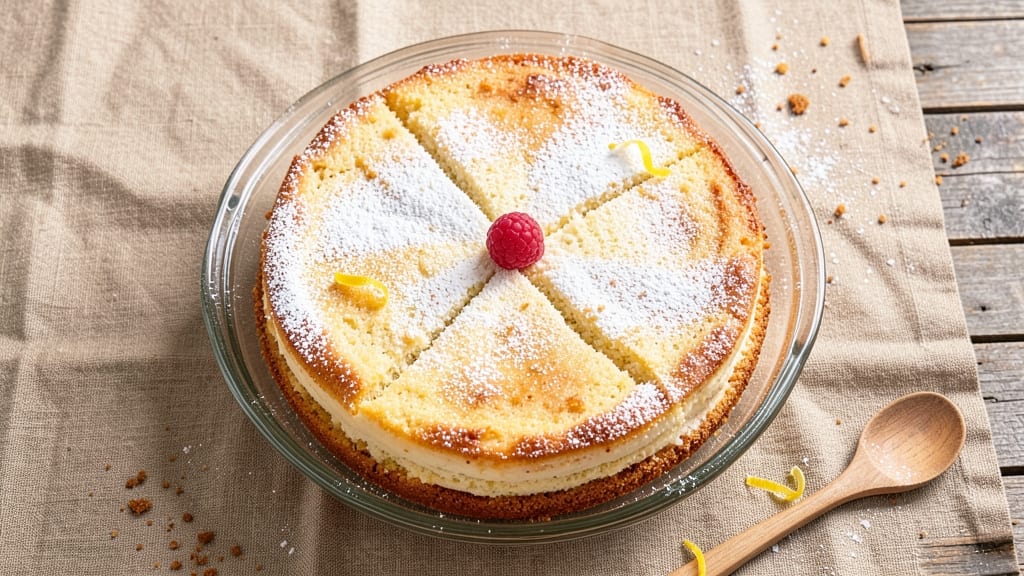
This 4-egg vanilla cake recipe delivers the perfect balance of structure and moisture, with layers so tender they practically melt in your mouth. The secret lies in the eggs—four yolks create a rich, velvety crumb while maintaining stability, while vanilla bean infuses every bite with aromatic depth. I developed this recipe after years of testing, and it never fails to impress with its foolproof technique and restaurant-quality results.
What sets this cake apart is the careful ratio of ingredients: all-purpose flour for structure, cake flour for tenderness, and a precise blend of sugars that caramelizes beautifully without overpowering the delicate vanilla flavor.
The recipe uses a reverse creaming method, which ensures a fine, even crumb and prevents tunneling. For extra depth, I recommend using real vanilla bean paste instead of imitation extract—it makes all the difference.
By the time it emerges from the oven, you'll have golden layers with a moist, pillowy texture that stays fresh for days. The cake's subtle sweetness and buttery richness make it perfect for celebrations or quiet afternoons.
Whether you're a beginner baker or a seasoned pro, this recipe delivers consistent, professional-quality results every time.
The beauty of this vanilla cake is its versatility—it works as a simple sheet cake, layered with buttercream, or even as a base for other desserts. For dietary adjustments, I'll show you how to adapt the recipe using egg substitutes while maintaining the same tender texture. Let's get baking!
Ingredients for 4 egg vanilla cake
Four eggs, two flours, and vanilla bean create layers that defy ordinary cake expectations.
| Ingredient | Amount | Notes |
|---|---|---|
| Large Eggs 🥚 | 4 whole | Room temperature for even mixing |
| Unsalted Butter 🧈 | 1 cup | Cold, cubed for reverse creaming |
| Granulated Sugar 🍚 | 1 ½ cups | Superfine preferred for smooth texture |
| Light Brown Sugar 🍚 | ½ cup | Packed for moisture balance |
| All-Purpose Flour 🌾 | 1 ½ cups | Sifted for fine crumb structure |
| Cake Flour 🌾 | ½ cup | For extra tenderness |
| Pure Vanilla Bean Paste 🌿 | 2 tbsp | Real vanilla seeds preferred |
| Whole Milk 🥛 | ¾ cup | Room temperature for smooth batter |
| Baking Powder 🧂 | 2 tsp | Freshly measured for lift |
| Salt 🧂 | ½ tsp | Fine sea salt for balance |
| Vanilla Extract 🌿 | 1 tsp | Pure vanilla if paste unavailable |
The eggs are non-negotiable—room temperature ensures even incorporation, while the four yolks deliver that signature velvety crumb. For the butter, unsalted is essential to control sweetness; I recommend Land O'Lakes or Plugrá for reliable quality. The flour blend is critical: all-purpose provides structure, while cake flour (like Gold Medal) adds tenderness. Sift both together to eliminate lumps—this prevents tunneling and creates a fine, even crumb. The sugars? Superfine dissolves faster, but if you only have regular, pulse it in a food processor first. For vanilla depth, Madagascar vanilla bean paste from specialty stores elevates the flavor beyond imitation extract.
No vanilla bean paste? Double the vanilla extract—though it won’t replicate the speckled seeds. Substituting milk? Oat or almond milk works, but the cake may be slightly denser; add an extra tablespoon of milk if using a dairy-free alternative. For the sugars, powdered sugar can replace half the granulated, but the texture will be slightly different. If you’re short on cake flour, add 1 tablespoon cornstarch to the all-purpose flour for similar tenderness. The baking powder must be fresh—if it’s over a year old, replace it entirely. For dietary adjustments, flax eggs (1 tbsp ground flaxseed + 3 tbsp water per egg) maintain moisture, though the texture will be slightly denser.
Store baked layers in an airtight container at room temperature for up to 3 days, or refrigerate for 5 days. For longer storage, freeze layers wrapped in plastic for up to 3 months. To maintain moisture, brush warm layers with a simple syrup (equal parts sugar and water, heated until dissolved) before assembling. The cake reheats beautifully—wrap individual slices in foil and warm at 300°F for 5 minutes to restore freshness. For serving, dust with powdered sugar or top with fresh berries to complement the vanilla depth.
Why You'll Love This Recipe
- Four Egg Magic: I swear by this ratio—four eggs mean a cake that’s light yet sturdy, no greasy mess from overmixing. The butter stays soft just long enough to cream properly, and the eggs hold it all together without gummy layers.
- Vanilla Kiss: That brown sugar caramelizes just enough to deepen the vanilla flavor, but it’s not overpowering. Honestly, the taste is so pure it makes store-bought look like a sad imitation.
- Weeknight Flex: Bake it for breakfast, dessert, or even a quick snack—slice it thin and toast it for a crunchy treat. I’ve served it at brunch, packed it for lunch, and even used it for a last-minute birthday cake.
- Budget Win: Four eggs and a stick of butter stretch further than you’d think, and the flour-to-sugar ratio keeps costs low. Between us, this is the cake I make when I’m not feeling fancy, but no one ever guesses.
Step-by-step instructions for pillowy vanilla cake layers
Master the reverse creaming method for tender layers with intense vanilla flavor.
Prepare Ingredients for Optimal Texture
Begin by separating the 4 whole Large Eggs, placing yolks in one bowl and whites in another. Let them sit at room temperature for 10 minutes—this ensures even mixing. Cube the 1 cup Unsalted Butter and refrigerate until completely cold, then place in the freezer for 10 minutes to firm up.
Sift together the 1.5 cups All-Purpose Flour and 0.5 cup Cake Flour with the 2 tsp Baking Powder and 0.5 tsp Salt into a medium bowl. Measure the 1.5 cups Granulated Sugar and 0.5 cup Light Brown Sugar separately—pack the brown sugar firmly to ensure accurate measurement. Warm the 0.75 cup Whole Milk to room temperature by placing its container in warm water for 5 minutes.
Cream Butter and Sugars for Light Structure
In a stand mixer fitted with the paddle attachment, beat the cold 1 cup Unsalted Butter on medium speed for 2 minutes until smooth and creamy. Gradually add the 1.5 cups Granulated Sugar and 0.5 cup Light Brown Sugar, mixing on medium-high speed for 3-4 minutes until the mixture becomes pale, fluffy, and triples in volume. This process incorporates air, which creates the cake's signature lightness.
Add the 2 tbsp Pure Vanilla Bean Paste and 1 tsp Vanilla Extract, mixing on low speed for 30 seconds to distribute the flavors evenly. Scrape down the sides of the bowl with a spatula to ensure all ingredients are fully incorporated. The mixture should be smooth and ribbon-like when the paddle is lifted.
Combine Dry Ingredients and Egg Yolks
With the mixer on low speed, add 1 cup of the flour mixture in three additions, mixing just until combined after each addition. This prevents overmixing, which can lead to a dense cake. In a separate bowl, whisk the 4 egg yolks until smooth, then gradually add them to the butter mixture, mixing on low speed for 1 minute to fully incorporate.
Add the remaining flour mixture and mix on low speed for another 30 seconds, just until no dry spots remain. The batter should be thick but pourable. Gently fold in the 0.75 cup Whole Milk using a spatula, being careful not to deflate the batter. The mixture should be smooth and homogeneous, with no visible streaks of flour.
Incorporate Egg Whites for Stability
In a clean, grease-free bowl, beat the 4 egg whites on medium speed until soft peaks form. Gradually add the 1.5 cups Granulated Sugar remaining from the dry ingredients (if any) and beat on high speed for 3-4 minutes until the meringue is glossy and holds stiff peaks. This step is critical for adding structure and lightness to the cake.
Using a spatula, gently fold one-third of the egg white mixture into the batter to lighten it. Then, carefully fold in the remaining egg whites in two additions, being sure to scrape the bottom and sides of the bowl to incorporate all the meringue. The final batter should be smooth, thick, and slightly shiny, with no visible streaks. This reverse creaming method ensures a tender, moist crumb.
Bake for Evenly Cooked Layers
Preheat your oven to 350°F and grease two 8-inch round cake pans with butter or line them with parchment paper. Divide the batter evenly between the pans, smoothing the tops with a spatula. Bake for 25-30 minutes, or until a toothpick inserted into the center comes out clean and the tops spring back when gently pressed.
I recommend checking the cakes at the 20-minute mark—ovens vary, and you want to avoid overbaking, which can dry out the layers. Rotate the pans halfway through baking for even cooking. Once done, let the cakes cool in the pans for 10 minutes, then transfer to a wire rack to cool completely before assembling. This cooling step is essential for even slicing and layering.
Pro Tips For Making 4 Egg Vanilla Cake
- CREAM THE BUTTER SLOWLY: Dump the butter and sugars together, then mix on low speed for 30 seconds before cranking it up—this prevents butter from turning into soup. I used to hit high speed right away, and half the time the butter would melt into a greasy mess before I could even think about adding eggs.
- USE ROOM-TEMP EVERYTHING: Take eggs and butter out of the fridge 1-2 hours before baking—cold ingredients make the cake dense and gummy. I learned this after making a cake that looked perfect but tasted like it had been packed in a freezer. (Yes, even if you're impatient like me.)
- STOP WHEN IT SPRINGS BACK: Bake until a toothpick comes out with moist crumbs, not dry. Overbaking turns that tender vanilla cake into a sad, dry brick. Pull it out when the edges look set but the center still jiggles like Jell-O—it’ll firm up as it cools.
- SIFT THE FLOUR FIRST: Lightly sift the flour before measuring—it aerates the batter and makes the cake rise higher. I skip this when I’m lazy, but the difference in texture is noticeable. (Your future self will thank you for the extra 30 seconds.)
Make-ahead tips for 4 egg vanilla cake
Batter Prep Ahead
Mix the batter up to 24 hours in advance and store it in an airtight container in the refrigerator. The flavors meld beautifully overnight, and the cold batter prevents overmixing when you're ready to bake.
Just let it sit at room temperature for 30 minutes before folding in the egg whites to restore proper consistency. I've done this for birthday cakes, and the difference in flavor depth is noticeable. 💫
Layer Assembly Prep
Bake and cool the cake layers completely, then wrap them individually in plastic wrap. Store them in a single layer in the refrigerator for up to 3 days before assembling.
This prevents sogginess and makes stacking easier. When ready to assemble, let the layers sit at room temperature for 15 minutes to soften slightly—this ensures clean, even slices. 🥧
Frosting Prep
Make your buttercream or ganache 1 day ahead and store it in the fridge. For buttercream, simply whip it back to fluffy consistency with a hand mixer before using. If using ganache, gently reheat it in 10-second bursts in the microwave until smooth.
I like to prep my vanilla bean buttercream (using the same vanilla paste) in advance—it's a game-changer for flavor consistency. ✨
Fully Assembled Cake
For a 3-day-ahead cake, assemble it completely with frosting and store it in the refrigerator. Wrap it tightly in plastic wrap and place it in an airtight container to prevent drying.
Bring it to room temperature for 2 hours before serving—this restores the perfect texture. The cake actually tastes better the next day as the flavors continue to develop. 💡
Freezer-Friendly Layers
For longer storage, freeze fully baked and cooled layers wrapped in plastic wrap for up to 3 months. Thaw them in the fridge overnight before assembling. If you're freezing the entire cake, wrap it tightly in plastic and aluminum foil to prevent freezer burn.
I've successfully frozen this cake for 2 months with no texture loss—just bring it to room temperature before serving. ❄️
Make-Ahead Serving Tips
For a special occasion, assemble the cake 1 day ahead and store it in the fridge. Dust with powdered sugar or add fresh berries just before serving.
If you're making individual portions, wrap each slice in plastic wrap and store them in a container—they'll stay fresh for 2 days in the fridge. Reheat slices at 300°F for 5 minutes to restore freshness if needed. 🍓
Nutrition facts
Frequently asked questions
Why does this recipe use 4 eggs instead of 2 or 3?
The four eggs create a perfect balance of structure and moisture. The yolks add richness and help create a velvety crumb, while the whites incorporate air for lightness. This ratio prevents dryness while maintaining stability—ideal for layer cakes that need to hold up to filling and frosting.
Can I substitute cake flour if I don't have any?
Yes! Replace the 0.5 cup cake flour with 0.5 cup all-purpose flour plus 1 tablespoon cornstarch. This maintains the tender texture by reducing gluten formation. For best results, sift the flour mixture thoroughly to prevent lumps.
How do I know when the cake is fully baked?
Insert a toothpick into the center—it should come out clean with no wet batter clinging. The cake should also spring back when gently pressed. Check at 25 minutes as ovens vary. Overbaking dries out the layers, so err on the side of slightly underdone.
What's the best way to store leftover cake?
Wrap layers individually in plastic wrap and store in an airtight container at room temperature for 3 days, or refrigerate for 5 days. For longer storage, freeze layers for up to 3 months. To refresh stale slices, warm at 300°F for 5 minutes wrapped in foil.
Can I make this cake without eggs?
Yes! Use 4 flax eggs (1 tbsp ground flaxseed + 3 tbsp water per egg) or 4 aquafaba eggs (3 tbsp aquafaba per egg). The texture will be slightly denser but still tender. For best results, let the egg substitutes sit for 5 minutes before using to thicken properly.