
Desserts
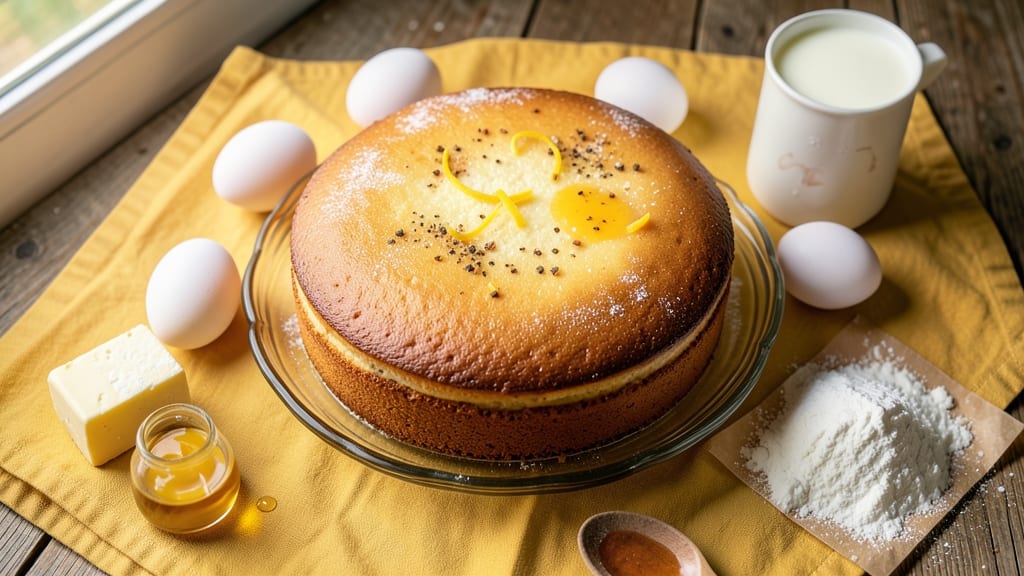
This 4-egg pound cake recipe delivers the classic dense, moist texture that makes traditional pound cakes legendary—without requiring six eggs or excessive butter. The secret lies in proper mixing techniques and ingredient ratios that create tender layers infused with vanilla, resulting in a cake that stays fresh for days.
I’ve perfected this version to balance richness with lightness, ensuring every slice is perfectly tender.
The foundation of this recipe is its simple yet precise approach: four large eggs provide structure and moisture, while a precise ratio of all-purpose flour, granulated sugar, and unsalted butter creates that signature pound cake density.
Unlike lighter cakes, this one relies on a gentle folding method to maintain air pockets, and baking at the right temperature ensures even cooking without drying out. The vanilla extract isn’t just flavoring—it’s the soul of this cake, deepening the aroma and taste.
What sets this recipe apart is its versatility—use it as a base for classic vanilla cake, add cocoa powder for chocolate variations, or zest citrus for a bright twist. The result is a cake that’s rich enough for celebration but simple enough for everyday baking.
Whether served plain with whipped cream or layered with buttercream, it delivers that moist, satisfying bite that defines a great pound cake.
For those new to pound cakes, this recipe is foolproof—no special equipment needed, just patience and attention to detail. The key steps, like creaming the butter and sugar properly and folding in the dry ingredients gently, make all the difference. Let’s get started on creating your perfect pound cake.
Ingredients for 4 egg pound cake
Four eggs, precise ratios, and vanilla's aromatic essence create this legendary pound cake.
| Ingredient | Amount | Notes |
|---|---|---|
| Large Eggs 🥚 | 4 whole | Room temperature for even mixing |
| Unsalted Butter 🧈 | 1 cup | Cold, cubed for creaming |
| Granulated Sugar 🍚 | 2 cups | Superfine preferred for smooth texture |
| All-Purpose Flour 🌾 | 2 cups | Sifted, spooned for accuracy |
| Pure Vanilla Extract 🌿 | 2 tsp | High-quality Madagascar preferred |
| Milk 🥛 | 1 cup | Whole milk for richness |
| Salt 🧂 | ½ tsp | Diamond Crystal kosher preferred |
| Baking Powder 🍞 | 1 tsp | Aluminum-free for stability |
| Almond Extract 🌰 | ½ tsp | Optional for depth of flavor |
| Vegetable Oil 🫒 | ½ cup | Light, neutral flavor profile |
| Lemon Zest 🍋 | 1 tbsp | Freshly grated for brightness |
The eggs are the backbone of this recipe—room temperature ensures they emulsify properly with the butter. For the best quality, Kirkland Signature eggs from Costco or Organic Valley from grocery stores provide consistent results. Unsalted butter matters here; Plugrá or Land O'Lakes are reliable choices, but avoid salted varieties. The sugar should be superfine if possible—it dissolves more evenly, but granulated works in a pinch. Measure flour by spooning it into the cup and leveling off; packing it compresses the cake. For vanilla, McCormick Pure Vanilla Extract is a safe bet, but Madagascar bourbon vanilla adds complexity. The milk can be any whole milk brand—organic or conventional, no need to splurge.
No pure vanilla extract? Vanilla bean paste at double the amount works beautifully. Substitute almond extract with orange extract for a citrus twist. Whole milk unavailable? Heavy cream or half-and-half adds richness, though texture may vary slightly. For a gluten-free version, replace the all-purpose flour with a 1:1 gluten-free blend like Bob's Red Mill. The lemon zest can be omitted if you prefer a neutral flavor profile, but it brightens the cake wonderfully. If your butter is too soft, chill it for 20 minutes before creaming. The baking powder is non-negotiable—aluminum-free versions prevent metallic aftertaste. For a nutty depth, toast the almond extract in a dry pan for 30 seconds before using.
Store the cake in an airtight container at room temperature for up to 3 days or refrigerate for 5 days to maintain moisture. For longer storage, wrap tightly in plastic and freeze for up to 3 months. The cake reheats beautifully—wrap a slice in foil and microwave for 15 seconds to restore its softness. Leftovers can be crumbled and used for trifles or cake pops. The vanilla flavor intensifies slightly after 24 hours, making it even more delicious the next day. Keep the butter and eggs refrigerated until ready to use for optimal texture.
Why You'll Love This Recipe
- Four Eggs, Zero Stress: I swear by this cake because it’s literally just eggs, butter, sugar, and flour—no measuring cups to eyeball, no sifting, no fuss. You cream the butter and sugar, toss in the eggs one at a time, fold in the dry stuff, and boom. Done. Not the prettiest batter, but that’s part of the charm.
- Butter-Sugar Magic: That rich, velvety crumb? All thanks to the butter-to-sugar ratio—it’s like a hug in cake form. The vanilla extract ties it all together, giving it this warm, cozy sweetness that tastes way more expensive than it is. Honestly, my first slice disappears faster than I can say “seconds.”
- Weeknight or WOW: Make it for breakfast with a drizzle of honey, serve it at a picnic with fresh berries, or slice it for dessert after dinner—this cake doesn’t judge. It’s the kind of thing that works everywhere, and I’ve tested it. (Yes, even on a Tuesday night when I’m too tired to think.)
- Budget-Friendly Stash: Four eggs mean fewer leftovers to waste, but the good news? This cake keeps well for days, so I can bake one batch and feed the family for weeks. Plus, the ingredients are cheap—no specialty items, no markup. It’s my go-to when I need something reliable, delicious, and won’t break the bank.
Step-by-step instructions for 4 egg pound cake
Mastering this classic pound cake technique delivers tender crumb and perfect moisture every time.
Prepare Ingredients for Optimal Texture
Begin by separating the 4 whole Large Eggs, placing yolks in one bowl and whites in another. Let both sit at room temperature for 15 minutes—this ensures even mixing and proper volume. In a separate large mixing bowl, combine the 1 cup Unsalted Butter (cold and cubed) with the 2 cups Granulated Sugar. Using a stand mixer fitted with the paddle attachment, cream on medium speed for 3-4 minutes until the mixture becomes pale and fluffy.
This creaming process incorporates air, which creates the cake's signature tender crumb. If using superfine sugar, the texture will be even smoother. I like to press the butter against the bowl occasionally to ensure all the sugar crystals are broken down. The mixture should nearly double in volume and leave clean streaks when the paddle is lifted.
Incorporate Wet Ingredients and Infuse Flavors
Add the 4 egg yolks, one at a time, mixing well after each addition until fully incorporated. Then stir in the 2 tsp Pure Vanilla Extract, 1 cup Milk, 0.5 tsp Salt, 1 tbsp Lemon Zest, and 0.5 tsp Almond Extract. Mix on low speed for 1 minute to combine all wet ingredients thoroughly. In a separate bowl, whisk together the 2 cups All-Purpose Flour and 1 tsp Baking Powder, then sift the mixture once to aerate.
The almond extract adds subtle depth, while the lemon zest brightens the vanilla flavor. I recommend using high-quality Madagascar vanilla extract here—it makes a noticeable difference in the final product. The milk should be whole for maximum richness, and the flour should be sifted to prevent dense pockets in the cake.
Combine Dry Ingredients and Achieve Perfect Consistency
With the mixer on low speed, gradually add the dry ingredients to the wet mixture in three additions, mixing just until combined after each. Be careful not to overmix—stop as soon as the flour disappears. Then add the 0.5 cup Vegetable Oil and mix for 30 seconds to fully integrate. The batter should be thick but pourable, similar to heavy pudding.
This is where the cake's moisture comes from—the combination of oil and butter creates a tender crumb. If the batter looks too thick, add 1-2 tablespoons of milk to reach the proper consistency. The batter should coat the back of a spoon but still flow slowly when tilted.
Whip Egg Whites to Stiff Peaks
In a clean, grease-free bowl, beat the 4 egg whites with an electric mixer on high speed until soft peaks form. Gradually add the 0.5 tsp Salt and continue beating until stiff, glossy peaks form that hold their shape when the whisk is lifted. This step is critical for the cake's lightness—don't rush it, as under-whipped whites will result in a dense cake.
I like to add the salt to the egg whites because it stabilizes them and enhances their volume. The whites should be able to hold their shape when the whisk is tilted slightly. If the bowl isn't perfectly clean, even a trace of fat will prevent proper whipping.
Fold Whites into Batter and Bake
Using a spatula, gently fold one-third of the whipped egg whites into the batter to lighten it. Then add the remaining whites in two more additions, folding just until no white streaks remain. Pour the batter into two 8-inch round cake pans lined with parchment paper and greased with butter. Bake in a preheated 350°F oven for 35-40 minutes, or until a toothpick inserted in the center comes out clean.
The folding process should be delicate to maintain air incorporation. I like to use a figure-eight motion to gently combine the ingredients. Bake the cakes until the tops are golden brown and spring back when touched lightly. For even baking, rotate the pans halfway through the baking time. Let the cakes cool in the pans for 10 minutes before transferring to a wire rack to cool completely.
Pro Tips For Making 4 Egg Pound Cake
- Whisk Eggs Until Ribbon Stage: Don’t just beat the eggs—whisk them until they hold a slow ribbon when the whisk is lifted. I used to stop when they were frothy, but that left my cake dense. The extra effort incorporates air, making the texture light and moist.
- Use Room-Temp Butter: Cold butter creates tunnels in pound cake. Take the butter out 1-2 hours before mixing—yes, even if you’re in a hurry. Softened butter blends smoother and creates a finer crumb.
- Sift the Dry Ingredients: Skipping this step means lumps, which turn into dry pockets in your cake. Use a fine-mesh sieve for the flour and sugar, then fold gently into the wet ingredients. It’s tedious, but the payoff is a velvety texture.
- Bake at 325°F, Not Hotter: Pound cake needs slow, even cooking to rise properly. I burned the top of my first batch by cranking the oven to 350°F—now I stick to 325°F and bake until the center hits 190°F. Patience here keeps the cake tender.
Storing and reheating your leftovers
Room Temperature Storage
Store your pound cake at room temperature in an airtight container for up to 3 days. The vanilla flavor actually deepens over time, making it taste even better the next day.
I like to wrap the cake in a clean kitchen towel before placing it in the container—this helps maintain moisture. Avoid storing it directly in the fridge unless necessary, as cold temperatures can dry out the crumb. 🌟
Refrigerator Preservation
If you need to store the cake for longer than 3 days, refrigerate it in an airtight container for up to 5 days. The texture will remain moist, but the cake may dry out slightly if left too long.
To restore freshness, wrap a slice in foil and microwave for 10-15 seconds before serving. For best results, let the cake sit at room temperature for 10 minutes before reheating. 🥛
Freezer-Friendly Tips
For maximum storage, wrap the pound cake tightly in plastic wrap followed by a layer of foil to prevent freezer burn. It keeps well in the freezer for up to 3 months.
When ready to serve, thaw the cake at room temperature for 2-3 hours or microwave for 20 seconds per slice to restore softness. I recommend freezing individual slices in ziplock bags for easy portioning. 🧊
Reheating Perfection
For the best texture, reheat slices in a 350°F oven for 5-7 minutes wrapped in foil. This method restores moisture without making the cake gummy. If using a microwave, cover the slice with a damp paper towel and heat on 50% power for 10-15 seconds.
Avoid over-reheating—just enough to warm through. A sprinkle of powdered sugar adds a lovely finish. ✨
Creative Leftover Uses
Turn leftover pound cake into trifle layers with whipped cream and berries, or crumble it for cake pops using melted white chocolate. For a French twist, soak slices in rum or coffee and layer with mascarpone.
The cake's dense texture makes it perfect for bread pudding too—simply cube and bake with custard. 🍰
Texture Restoration
If your cake loses moisture over time, brush the top with a simple syrup made from equal parts water and sugar (heat until dissolved). This works wonders for both room-temperature and refrigerated slices.
For extra richness, add 1 tsp vanilla extract to the syrup. Store any restored slices in the fridge for up to 2 additional days. 💫
Nutrition facts
Frequently asked questions
Why does this recipe use only 4 eggs instead of the traditional 6?
This recipe maintains the classic pound cake texture with just 4 eggs by using precise ingredient ratios and proper mixing techniques. The egg whites are whipped to stiff peaks and folded in gently, while the oil and butter combination adds moisture without needing extra eggs. This version is lighter yet still delivers that signature dense crumb!
Can I make this cake in a different pan size?
Yes! For an 8-inch round pan, bake for 35-40 minutes. For a 9-inch round pan, reduce baking time to 30-35 minutes. If using a 9x13-inch baking dish, bake at 350°F for 40-45 minutes, covering loosely with foil if the top browns too quickly. Always check with a toothpick!
What makes this pound cake different from other vanilla cakes?
This recipe achieves its signature texture through the butter-to-flour ratio (1:2) and the folding technique with whipped egg whites. Traditional pound cakes rely on this ratio for density, while lighter cakes use more leavening. The almond extract and lemon zest add depth beyond basic vanilla flavor, creating a more complex taste profile.
Why did my cake turn out dense instead of moist?
Overmixing the batter or under-whipping the egg whites are common culprits. Ensure you fold the whites gently in three additions, and mix dry ingredients just until combined. Also, check your oven temperature—too high (375°F+) can cause rapid drying. For extra moisture, brush warm slices with simple syrup after baking.
Can I substitute butter with oil for a lighter texture?
You can replace half the butter (½ cup) with vegetable oil, but keep ½ cup butter for flavor and richness. Oil makes the cake more tender, but butter adds depth. For a completely oil-based version, increase the oil to 1 cup total and reduce flour by 1 tbsp to maintain structure. The texture will be lighter but slightly less flavorful.