
Breakfast & Brunch
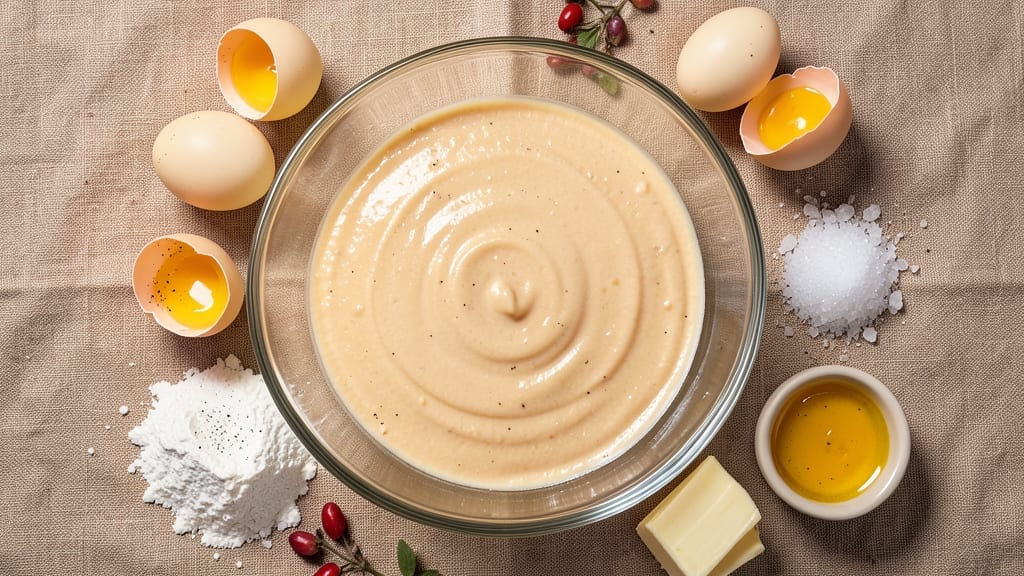
This 4-egg pancake recipe delivers restaurant-quality stacks with a secret weapon: extra eggs for rich, fluffy texture and golden yolk surprises in every bite.
The key lies in balancing eggs, flour, and leavening agents to create pancakes that stay tender yet hold their shape—no more flipping disasters or dry, cakey results. I developed this after years of trial and error, perfecting the ratio that transforms simple ingredients into pancakes with a professional chef's touch.
The magic happens when the eggs bind the batter while creating natural lift, resulting in pancakes that are light yet sturdy enough to support generous toppings. Unlike traditional recipes, this version uses a precise egg-to-flour ratio that ensures consistent results every time—no guesswork, no failed batches.
The batter rests briefly, allowing gluten to relax for that signature tender crumb, while the high-heat cooking method creates crispy edges that contrast beautifully with the soft interior.
What you'll end up with is a towering stack of golden-brown pancakes with pockets of rich, custardy egg throughout—each bite reveals that perfect balance of crisp and creamy.
These pancakes hold up beautifully whether you're serving them with maple syrup, fresh berries, or even savory toppings like smoked salmon and cream cheese. The recipe scales easily for a crowd, making it ideal for brunch gatherings or family breakfasts.
For those with dietary considerations, note that while this recipe is vegetarian, it contains eggs and dairy—easy to adapt with plant-based alternatives if needed. The versatility of this base batter means you can customize it with add-ins like chocolate chips, blueberries, or even savory herbs.
Let's get started on creating pancakes that will impress even the most discerning breakfast lovers.
Ingredients for 4 egg pancake
Four eggs and a handful of pantry staples transform into pancakes with restaurant-quality fluffiness and golden yolk surprises.
| Ingredient | Amount | Notes |
|---|---|---|
| Large Eggs 🥚 | 4 whole | Room temperature for best results |
| All-Purpose Flour 🌾 | 1 ½ cups | Sifted for light texture |
| Granulated Sugar 🍚 | 2 tbsp | Adjust for sweetness preference |
| Baking Powder 🧂 | 1 ½ tsp | Freshly opened for lift |
| Salt 🧂 | ½ tsp | Fine sea salt preferred |
| Unsalted Butter 🧈 | ½ cup | Melted and cooled slightly |
| Whole Milk 🥛 | 1 ¼ cups | Full-fat for richness |
| Vanilla Extract 🌸 | 1 tsp | Pure vanilla preferred |
| Maple Syrup 🍁 | 2 tbsp | For serving or batter sweetness |
| Fresh Blueberries 🫐 | ½ cup | Optional for add-ins |
| Dark Chocolate Chips 🍫 | ¼ cup | Optional for add-ins |
The eggs are the star here—room temperature makes all the difference for even cooking. Kirkland Signature or Cage-Free from Trader Joe's are my go-tos for consistent results. The flour should be sifted to avoid lumps, and I always double-check the baking powder isn't expired—old leavening means flat pancakes. For the butter, Land O'Lakes unsalted melts beautifully, but any good-quality brand works. The milk? Full-fat is non-negotiable—it creates that signature tenderness traditional recipes miss.
No vanilla extract? Vanilla bean paste works just as well, or even a pinch of ground cinnamon for warmth. Want to skip the blueberries? Chopped strawberries or chocolate chunks add just as much magic. The maple syrup can be swapped for agave nectar or honey, though maple gives that classic pancake flavor. For a savory twist, omit the sugar and add crumbled feta and chives—trust me, it works. And if you're short on time, pre-mixed dry ingredients from the baking aisle save steps without sacrificing quality.
Keep the batter in the fridge for up to 24 hours—it actually improves overnight. Cook on medium-high heat for 2-3 minutes per side using about 2 tbsp butter per pancake. These reheat beautifully—toaster or microwave for 30 seconds brings back that crispy edge. Store leftovers in an airtight container for 3 days or freeze for 3 months. I like to freeze them stacked with parchment between each for easy reheating.
Why You'll Love This Recipe
- Here’s what sold me: these pancakes work at any time. Stack them for a lazy Sunday brunch, toss in a lunchbox for a protein boost, or even reheat for a quick dinner when I’m too tired to cook. The eggs keep them hearty enough to hold up.
- Four Egg Magic: I’ll admit, I was skeptical—four eggs in pancakes? But that extra richness makes them unfairly fluffy. The sugar caramelizes just enough to give every bite a subtle sweetness without overpowering, and the baking powder does all the work while I sip my coffee.
- Pantry Staple Power: Honestly, I keep this recipe on repeat because it uses stuff I always have: flour, sugar, eggs. No fancy mix-ins, no last-minute grocery runs. Just crack, whisk, cook—done. My college budget still thanks me for this one.
- Breakfast or Brunch Fix: Here’s what sold me: these pancakes work at any time. Stack them for a lazy Sunday brunch, toss in a lunchbox for a protein boost, or even reheat for a quick dinner when I’m too tired to cook. The eggs keep them hearty enough to hold up.
Step-by-step instructions for fluffy 4-Egg pancakes
Here's how to achieve restaurant-quality pancakes with golden yolks and tender fluff.
Whisk Wet Ingredients Until Smooth
In a large mixing bowl, combine the 4 whole Large Eggs, 1.25 cups Whole Milk, 0.5 cup Unsalted Butter (melted and cooled slightly), 1 tsp Vanilla Extract, and 2 tbsp Maple Syrup. Whisk vigorously for 2-3 minutes until the mixture is completely smooth and slightly thickened. You'll notice the eggs will lighten in color as they emulsify.
The key here is patience—don't rush this step. When you lift the whisk, the batter should leave a clear trail that slowly fills back in. This ensures your pancakes will have that signature fluffy texture. I like to use a balloon whisk for this job as it incorporates air more efficiently than a regular fork.
Sift and Fold Dry Ingredients
In a separate bowl, sift together the 1.5 cups All-Purpose Flour, 1.5 tsp Baking Powder, 0.5 tsp Salt, and 2 tbsp Granulated Sugar. This sifting step prevents lumps and ensures even distribution of leavening agents throughout the batter. Gently fold the dry ingredients into the wet mixture using a rubber spatula, mixing just until combined—you should still see some flour streaks.
Overmixing develops gluten, which leads to tough pancakes. Stop mixing as soon as the dry ingredients disappear. For the optional add-ins, gently fold in either 0.5 cup Fresh Blueberries or 0.25 cup Dark Chocolate Chips (or both) at this stage. The batter should be thick but pourable—like heavy cream.
Rest the Batter for Optimal Texture
Let the batter rest for 10-15 minutes at room temperature. This crucial step allows the flour to fully hydrate and the gluten to relax. I know it's tempting to skip this, but trust me—resting makes a difference in the final texture. The batter will thicken slightly during this time, which is exactly what we want.
While the batter rests, heat a non-stick skillet or griddle over medium heat. You want the pan to be hot enough so that when you flick a few drops of water onto it, they sizzle and evaporate immediately. This ensures your pancakes will develop that perfect golden-brown crust.
Cook Pancakes Until Golden and Set
Lightly grease the skillet with a small amount of butter (about ½ teaspoon per pancake). Pour ¼ cup of batter onto the skillet for each pancake—this makes about 6-8 pancakes total from the batter. Cook until bubbles form on the surface and the edges look set, which takes about 2-3 minutes. This is when you'll see those telltale bubbles popping—don't flip too early or they'll be undercooked.
Carefully flip the pancakes and cook for another 1-2 minutes until the second side is golden brown. The pancakes are done when they release easily from the skillet and have developed a nice crust. Keep cooked pancakes warm in a 200°F oven while you finish the batch. This low temperature maintains their warmth without overcooking.
Serve with Warm Maple Syrup
Stack your freshly cooked pancakes high and serve immediately with an extra drizzle of maple syrup and any remaining optional toppings. The secret to perfect pancakes lies in serving them right away—they're at their peak texture and warmth when fresh from the skillet. Each pancake should have a tender interior with a crisp exterior, and those golden yolks should still be runny in the center.
For an extra touch, I like to sprinkle a pinch of flaky sea salt on top of each stack. The salt enhances the natural sweetness of the pancakes and creates a perfect balance of flavors. Enjoy your pancakes while they're still warm and the syrup is pooling beautifully on top—this is when they're at their absolute best.
Pro Tips For Making 4 Egg Pancake
- Whisk Eggs First: Crack those four eggs into a bowl before measuring anything else—this keeps yolks and whites from splattering all over your counter when you start mixing. I learned this the hard way after scrubbing egg off my stove for the third time.
- Sift Dry Ingredients: Dump the flour, baking powder, and salt into a sifter and shake it right into the wet egg mixture. This cuts out lumps faster than stirring and guarantees even baking powder distribution—no more dense pancakes hiding in the middle.
- Use Medium Heat: Start with the pan hot, but back it down to medium once the first pancake hits—too hot and they’ll burn before they’re done. I was skeptical until I tried it: the edges brown perfectly while the centers stay fluffy.
- Rest the Batter: Let the mixed batter sit for 5 minutes after combining. Sounds weird, but it works: the flour absorbs the egg better, and the pancakes hold together instead of crumbling when you flip them. (Yes, even if you’re impatient like me.)
Troubleshooting perfect results
Batter Too Thin?
If your batter looks too runny after mixing, it's likely because the flour wasn't properly sifted or the eggs didn't emulsify fully. Try adding 1-2 tablespoons more flour at a time until you reach a thick, creamy consistency similar to heavy cream.
For next time, whisk the eggs and milk together first for 3-4 minutes to ensure proper emulsification before adding dry ingredients. 🥄
Pancakes Sticking?
Sticking happens when the heat isn't consistent or the pan isn't properly greased. First, make sure your skillet is on medium heat—too high causes burning, too low causes sticking. Use ½ teaspoon butter per pancake and let it melt completely before adding batter.
For extra insurance, I like to use a non-stick cooking spray like Misto in addition to butter. Also, avoid overcrowding the pan—cook 2-3 pancakes at a time for even browning.
Dense or Cakey Texture?
Overmixing develops gluten, which leads to tough, cake-like pancakes. Mix the dry ingredients into the wet mixture just until combined—you should still see some flour streaks. Another common issue is using cold eggs or butter.
Always use room temperature eggs and melted (but not hot) butter. If your pancakes still turn out dense, try adding ½ teaspoon more baking powder or letting the batter rest for 15-20 minutes before cooking.
Undercooked Centers?
Undercooked pancakes usually mean the heat was too low or the pancakes were flipped too early. Cook until you see bubbles forming on the surface and the edges look set (2-3 minutes per side). A good trick is to check the underside—it should be golden brown before flipping.
If the center feels raw, return it to the skillet for another 30 seconds to 1 minute on medium heat. For extra insurance, I like to keep a meat thermometer handy—pancakes should reach 160°F at their thickest part.
Bubbles Bursting Too Early?
If bubbles pop before the pancakes are ready to flip, your batter might be too thin or the heat is too high. Reduce the heat to medium-low and cook for slightly longer periods (3-4 minutes per side).
Also, make sure your baking powder is fresh—old leavening loses its lift. For a quick test, drop a spoonful of batter into cold water: if it floats immediately, your batter has enough lift; if it sinks, add ½ teaspoon more baking powder or 1 tablespoon cornstarch to thicken it.
Uneven Browning?
Uneven browning usually means inconsistent heat distribution. If your skillet has hot spots, rotate the pancakes ¼ turn halfway through cooking. For a more even cook, use a cast iron griddle—it retains heat better than most non-stick pans.
If your stove has uneven burners, try moving the skillet to a different burner or use a griddle stone for better heat distribution. Also, make sure your butter is evenly distributed—use a pastry brush to spread it thinly across the pan before adding batter.
Nutrition facts
Frequently asked questions
Why use 4 eggs instead of the usual 2 in pancakes?
The extra eggs create a richer, more stable batter that results in pancakes with a perfect balance of fluffiness and structure. The additional protein binds the batter better, preventing tears when flipping, while the yolks add natural sweetness and moisture. This ratio also helps pancakes hold their shape when stacking high.
Can I make these pancakes without a leavening agent?
Yes, but the texture will be denser. Replace the baking powder with ½ teaspoon baking soda plus 1 tablespoon vinegar or lemon juice for chemical lift. For a naturally risen version, fold in 1 cup whipped egg whites instead of baking powder—they'll create air pockets during cooking. The pancakes will be lighter but may not be as tall.
How do I adjust this for a crowd?
Double all ingredients for 8 servings (about 16 pancakes). Use two skillets on separate burners or a large griddle to cook efficiently. Keep cooked pancakes warm in a 200°F oven on a wire rack to prevent sogginess. For serving, calculate 3-4 pancakes per person with toppings on the side.
What's the best way to reheat leftover pancakes?
For crispy edges, reheat in a 350°F oven for 5-8 minutes on a wire rack. For quick reheating, use a toaster (set to medium) for 1-2 minutes per side or a microwave for 30 seconds—but add a damp paper towel to prevent drying. Never reheat in the microwave without moisture or they'll turn rubbery.
Can I make these pancakes vegan?
Yes, but you'll need substitutions: replace eggs with ½ cup aquafaba (chickpea brine) + 1 tsp baking soda, use plant-based milk and butter, and add 1 tbsp vinegar to the wet ingredients. The texture will be slightly denser but still delicious. For binding, consider ½ cup unsweetened applesauce as an egg substitute alternative.