
Main Courses
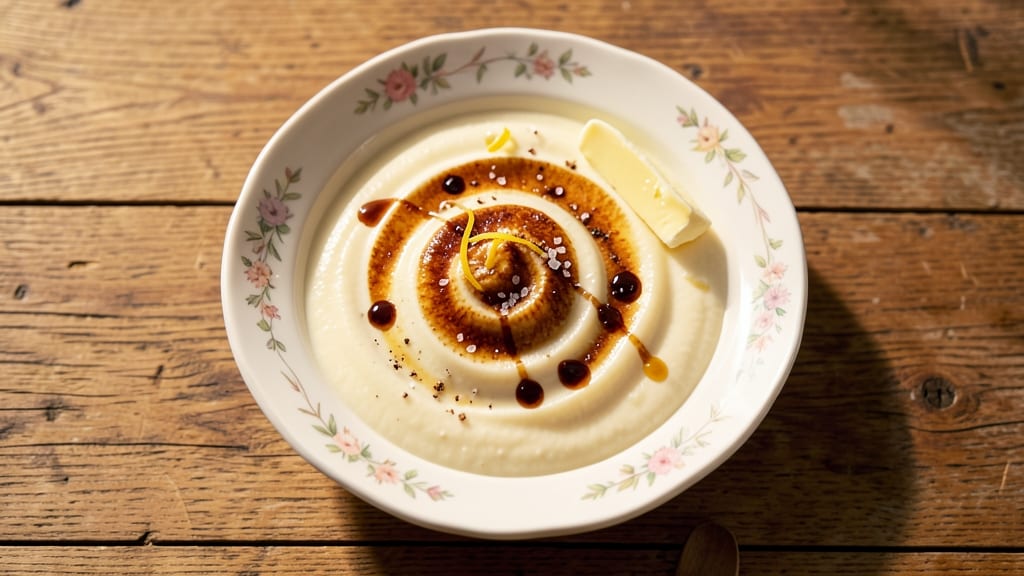
This 4-egg custard recipe delivers the perfect balance of silky smoothness and a rich, golden yolk center that makes every bite worth savoring. The secret lies in gentle heating and precise timing—no curdling, no guesswork, just restaurant-quality texture at home.
I've perfected this technique after years of testing, and the results speak for themselves: velvety, creamy, and impossibly tender.
What sets this custard apart is the silky texture achieved through slow, controlled cooking—whether you bake it in ramekins or steam it in a water bath. The recipe uses simple ingredients (eggs, milk, sugar, and vanilla) but transforms them into something extraordinary.
The key is tempering the eggs with warm milk to prevent curdling, then baking until just set with that signature wobbling center.
Once out of the oven, the custard should be warm but not hot, served in elegant ramekins with optional garnishes like caramel drizzle, fresh berries, or a sprinkle of cinnamon.
The contrast of the silky custard against the vibrant toppings makes it perfect for special occasions or a luxurious dessert after dinner. It's vegetarian, requires just a few ingredients, and delivers professional results every time.
For variations, try adding cocoa powder for chocolate custard or infusing the milk with citrus zest or herbs. The possibilities are endless, but the foundation remains the same: foolproof technique for silky perfection. Let's get started!
Ingredients for 4 egg custard
Four essential ingredients transform into luxurious custard with perfect golden centers.
| Ingredient | Amount | Notes |
|---|---|---|
| Large Eggs 🥚 | 4 whole | Room temperature for even cooking |
| Whole Milk 🥛 | 2 cups | Full-fat for optimal creaminess |
| Granulated Sugar 🍚 | ½ cup | Superfine preferred for faster dissolving |
| Pure Vanilla Extract 🌿 | 1 tbsp | High-quality for authentic flavor |
| Unsalted Butter 🧈 | 2 tbsp | Melted for ramekin greasing |
| Fine Sea Salt 🧂 | ¼ tsp | Diamond Crystal preferred |
| Ground Cinnamon 🍃 | ⅛ tsp | Optional for subtle warmth |
| Heavy Cream 🥛 | ¼ cup | For optional garnish enrichment |
| Dark Caramel Sauce 🍯 | 2 tbsp | Store-bought or homemade |
The eggs are the foundation—use large eggs at room temperature for even cooking and silky texture. Whole milk (not skim) provides the necessary fat for creaminess, while superfine sugar dissolves faster to prevent graininess. For vanilla, high-quality extract makes a noticeable difference—imitation extracts often contain alcohol that alters texture. The butter should be unsalted to control the final saltiness precisely, and Diamond Crystal sea salt is recommended for its finer grain and lower sodium content compared to table salt.
No vanilla extract? Vanilla bean paste works beautifully, though it may slightly thicken the custard. Short on heavy cream for garnish? Whipped coconut cream provides a similar texture without dairy. The caramel sauce can be substituted with salted caramel or berry compote for variations. For a chocolate twist, replace half the sugar with unsweetened cocoa powder—just be mindful it may darken the custard's color. Always temper the eggs by whisking them into warm milk gradually to prevent curdling, which is critical for that signature silky texture.
Store custard in airtight containers in the refrigerator for up to 4 days, though it's best enjoyed within 2 days for peak texture. Reheat gently in a water bath to maintain smoothness—microwaving can create a skin. The ramekins should be pre-heated before baking to ensure even cooking. For make-ahead convenience, prepare the custard mixture up to 24 hours ahead and refrigerate until ready to bake. Garnishes like berries or toasted nuts add visual appeal but should be added just before serving.
Why You'll Love This Recipe
- No-Fuss Ingredients: I keep a carton of eggs, milk, and sugar on hand anyway—this custard just needs those plus vanilla and butter. Honestly, it’s the kind of recipe that makes me feel lazy and accomplished at the same time.
- Velvet Smooth Magic: That first spoonful? Pure comfort—creamy, lightly sweetened, with just a whisper of vanilla cutting through the richness. The butter adds this buttery depth that makes it feel like a dessert and a breakfast in one.
- Breakfast or Dessert: Serve it warm with a sprinkle of cinnamon for morning, or chill overnight for a quick pudding. My kids ask for it after school snacks and when I bring it to potlucks—no one questions why it’s on the menu.
- Budget Breakthrough: Four eggs stretch further than you’d think, and the milk/sugar combo costs pennies. I’ve made this for a crowd of six and still had leftovers—no wasted ingredients, just pure, cheap satisfaction.
Step-by-step instructions for silky smooth custard
Precision timing and gentle technique create custards with perfect texture and that coveted golden yolk heart.
Whisk Eggs, Sugar, and Salt Until Fully Combined
In a medium heatproof bowl, whisk together the 4 whole Large Eggs, 0.5 cup Granulated Sugar, and 0.25 tsp Fine Sea Salt until completely smooth and pale yellow. This process should take about 3-4 minutes of vigorous whisking—you're not just blending, you're incorporating air to create that signature silky texture. Use a whisk, not a fork, to avoid creating lumps that will disrupt the custard's uniformity.
I like to work in a bowl that fits snugly in my saucepan later—this makes transferring the mixture easier without spills. The eggs should be at room temperature (as noted in the ingredients) to blend smoothly with the sugar. If you see any sugar granules remaining, continue whisking until fully dissolved. This step is foundational; any lumps will result in a grainy custard.
Gradually Temper the Egg Mixture with Warm Milk
In a separate saucepan, heat the 2 cups Whole Milk over medium heat until it reaches 180°F—just before it begins to simmer. Remove from heat and slowly pour the warm milk into the egg mixture while whisking constantly. This gradual process, called tempering, prevents the eggs from curdling by slowly raising their temperature.
Work in a steady stream, whisking vigorously after each addition. You'll notice the mixture thicken slightly as it warms. Once fully combined, return the bowl to the saucepan and place it over a pot of gently simmering water (bain-marie) to maintain even heat distribution. This indirect heat method gives you precise temperature control, which is crucial for achieving that perfect custard texture.
Cook the Custard to Perfect Texture
Cook the custard over medium-low heat, stirring constantly with a wooden spoon, for 8-10 minutes until it thickens enough to coat the back of the spoon. You're looking for a texture that's thick but still slightly fluid—think of it like heavy cream. The custard should reach 170-175°F internally, which is the ideal range for that signature silky consistency without overcooking the eggs.
Here's where attention to detail matters most: if you see the custard starting to bubble vigorously or develop a skin on top, immediately remove it from heat. Overcooking will cause the eggs to scramble, ruining that delicate texture. The mixture should be thick enough to leave a clear path when you drag the spoon through it, but still flow slowly rather than cling in lumps.
Strain and Finish with Aromatics
Strain the custard through a fine-mesh sieve into a clean bowl to remove any potential lumps or cooked egg bits that might affect the texture. This step ensures that final silky smoothness. While still warm, stir in the 1 tbsp Pure Vanilla Extract, 0.125 tsp Ground Cinnamon, and 2 tbsp Unsalted Butter (melted first) to infuse rich flavor and enhance the custard's body.
For the caramel drizzle, gently swirl 2 tbsp Dark Caramel Sauce into the custard using a spoon. This creates beautiful marbled patterns while adding depth of flavor. The custard should now have a glossy sheen and be perfectly smooth. If you're using the optional 0.25 cup Heavy Cream, fold it in gently at this stage to create a lighter, more luxurious texture.
Chill and Set for Optimal Texture
Divide the custard into 4 ramekins (or your preferred serving vessels) and cover each with plastic wrap pressed directly onto the surface to prevent skin formation. Refrigerate for at least 4 hours or until completely set—this long chilling time is essential for developing that perfect firm yet creamy texture.
When ready to serve, run a knife around the edges to loosen, then invert onto plates. The custard should release cleanly with a slight wobble in the center, revealing that beautiful golden yolk heart. Serve immediately while still slightly warm from the refrigerator—this is when the custard reaches its peak texture and flavor. The contrast between the cool custard and the warm yolk creates a truly luxurious eating experience.
Pro Tips For Making 4 Egg Custard
- Whisk Eggs Cold: Grab those eggs straight from the fridge and whisk them with the sugar first—no warm hands, no shortcuts. Cold eggs temper the heat of the milk and prevent curdling when you pour in the warm liquid later. I learned this the hard way after a custard turned into scrambled eggs in a ramekin.
- Strain the Milk: Heat the whole milk until it’s steaming (not boiling) and then strain it through a fine-mesh sieve into your custard mixture. This removes any sediment that can make your custard grainy—trust me, you’ll taste the difference. Yes, it’s an extra step, but it’s worth it.
- Low and Slow Only: Once the custard is in the oven, resist the urge to peek or crank the heat. A water bath at 325°F (163°C) for 30–40 minutes is non-negotiable—any hotter, and you’ll get a skin on top that won’t jiggle right. If it’s not set in the center after 30 minutes, give it 10 more.
- Chill Before Serving: Pop the custard into the fridge for at least 4 hours (overnight is ideal) before serving. This lets the flavors meld and the texture firm up properly—skipping this makes it taste underdeveloped. I know you’re eager, but patience here changes everything.
Dietary considerations for this dish
Vegetarian-Friendly Base
This custard recipe is naturally vegetarian, relying solely on eggs, milk, and dairy for its rich texture. The 4 whole Large Eggs provide all the protein and structure, while the 2 cups Whole Milk and 2 tbsp Unsalted Butter create that luxurious creaminess without any meat products.
The vanilla and cinnamon add depth without compromising the vegetarian nature of the dish. 🌱
Egg Allergy Considerations
If you or someone you're serving has an egg allergy, this recipe is not suitable as a direct substitute. However, you can experiment with egg-free alternatives like aquafaba (chickpea brine) or cornstarch-based thickeners, though the texture will differ significantly from traditional custard.
For those with mild egg sensitivities, try reducing the quantity by 1-2 eggs while increasing the milk slightly to maintain creaminess.
Dairy-Free Adaptations
For a dairy-free version, replace the whole milk with 2 cups unsweetened almond milk or oat milk (both full-fat for best results). Use 2 tbsp refined coconut oil instead of butter for greasing ramekins.
Note that the texture will be lighter, and you may need to add 1 tsp agar-agar powder to help set the custard properly. The custard will still be creamy but with a slightly different mouthfeel.
Gluten-Free Confirmation
This recipe is inherently gluten-free as it contains no wheat, barley, or rye products. All ingredients are naturally gluten-free, making it safe for those with celiac disease or gluten sensitivity.
Just ensure your vanilla extract and caramel sauce are certified gluten-free if you're particularly cautious. The same applies to the cinnamon and sea salt used in the recipe.
Low-Sugar Options
To reduce sugar content, replace the 0.5 cup Granulated Sugar with 0.35 cup while adding 1 tbsp honey or 1 tbsp maple syrup for natural sweetness.
Alternatively, use a sugar substitute like erythritol or monk fruit sweetener at a 1:1 ratio, though you may need to adjust the liquid slightly to compensate for any changes in texture. The custard will still be sweet but with fewer calories.
Nutritional Balance
This custard provides a good balance of macronutrients with 12 grams of protein per serving from the eggs and 15 grams of fat primarily from the milk and butter. The sugar content is moderate at 20 grams per serving, making it a treat rather than a daily dessert.
For a lighter option, reduce the sugar by 2 tbsp and add 0.25 cup chopped fresh berries for natural sweetness and fiber. 💪
Nutrition facts
Frequently asked questions
Why does my custard have lumps even after whisking?
Lumps usually appear when eggs aren't properly tempered with warm milk or when sugar doesn't fully dissolve. Always whisk the eggs and sugar until completely smooth (no visible granules), then slowly pour warm (180°F) milk while whisking constantly. For extra smoothness, strain the finished custard through a fine-mesh sieve before chilling.
Can I make this custard without a water bath?
Yes, but with more risk of curdling. For stovetop-only methods, cook the custard over low heat and stir constantly until it reaches 170-175°F. Remove immediately when it coats the back of a spoon. A water bath provides gentler, more even heat distribution for foolproof results—especially important for beginners.
How do I get that perfect golden yolk center?
The golden yolk heart comes from precise baking/steaming and proper chilling. Bake until the custard is just set (160-165°F internal temp), then chill completely (4+ hours) before serving. The cold center prevents the yolk from fully cooking. For extra drama, use room-temperature ramekins and avoid overbaking by 1-2 minutes.
What's the best way to serve leftover custard?
Reheat gently in a water bath (never microwave) to maintain smoothness. For a restaurant-style presentation, invert onto plates and top with warm caramel sauce or fresh berries. You can also blend with 1 tbsp heavy cream and pipe into decorative shapes for a modern twist. Store leftovers in airtight containers for up to 4 days.
Can I make this custard with fewer eggs?
Yes, but texture will change. Replace 2 eggs with 2 tbsp cornstarch mixed with 2 tbsp milk to maintain thickness. Reduce sugar slightly (1 tbsp less) since fewer eggs mean less natural sweetness. The custard will be lighter but still creamy. For best results, use full-fat dairy to compensate for the reduced egg richness.