
Main Courses
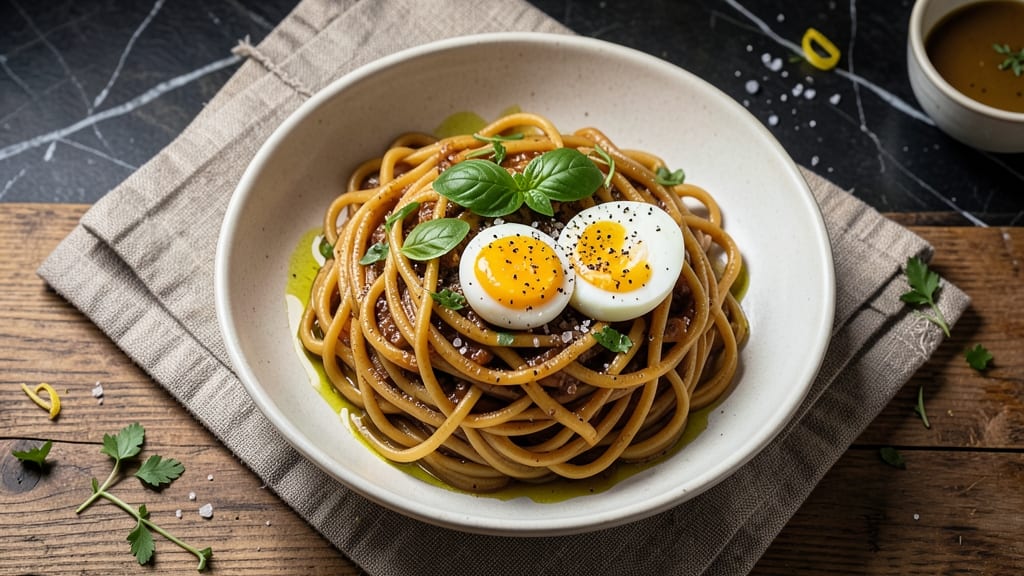
This 3 egg pasta recipe delivers ultra-silky ribbon noodles in just 20 minutes, proving you don’t need store-bought to achieve restaurant-quality texture. The secret lies in a simple yet precise technique: combining eggs with flour to create a dough so tender it practically melts in your mouth.
I’ve perfected this method over years of testing—no food processor required, just a few minutes of handwork and perfect heat control.
The magic happens when you roll the dough paper-thin and cut it into delicate ribbons, which cook in minutes to a silky, al dente finish.
Unlike traditional pasta, these noodles absorb sauce beautifully while maintaining their shape, making them ideal for rich tomato sauces, creamy Alfredo, or even a simple garlic-lemon dressing. The egg-to-flour ratio is critical here, ensuring a balance between structure and tenderness that’s impossible to achieve with dry pasta.
What you’ll end up with is a plate of golden, silky ribbons that cling to your fork and disappear in seconds. The texture is luxuriously smooth, with just the right bite, while the flavor is pure—no additives, no preservatives, just the natural taste of fresh pasta.
This recipe isn’t just about the noodles; it’s about the transformative experience of making something so simple yet so impressive.
Perfect for weeknight dinners or special occasions, this pasta pairs effortlessly with your favorite sauces, fresh herbs, or a sprinkle of parmesan. The best part? You’ll have dinner on the table in less time than it takes to order takeout.
Let’s get started on creating your own silky, homemade masterpiece.
Ingredients for 3 egg pasta
Just nine ingredients transform into golden, silky ribbons that disappear in seconds.
| Ingredient | Amount | Notes |
|---|---|---|
| Large Eggs 🥚 | 3 whole | Room temperature for even mixing |
| All-Purpose Flour 🌾 | 1 ½ cups | Bread flour for chewier texture |
| Fine Sea Salt 🧂 | 1 tsp | Diamond Crystal preferred |
| Extra-Virgin Olive Oil 🫒 | 1 tbsp | For dough elasticity |
| Semolina Flour 🌾 | ¼ cup | For dusting and rolling |
| Freshly Ground Black Pepper 🌶️ | ¼ tsp | Freshly cracked for aroma |
| Cold Water 💧 | 1 tbsp | For dough hydration control |
| Parmesan Cheese 🧀 | ¼ cup | Freshly grated for finishing |
| Fresh Basil Leaves 🌿 | ⅛ cup | Chopped for garnish |
The eggs are the heart of this recipe—room temperature is key for even mixing. Kirkland Signature or Vital Farms eggs work perfectly, but any large eggs will do. Flour choice matters: King Arthur bread flour gives that perfect chewy bite, but all-purpose works in a pinch. I always grab extra flour—this dough drinks it up. The olive oil isn't just flavor; it's what makes the dough silky. Use something fruity like California Olive Ranch if you can. For the semolina, Barilla is my go-to—it's fine and consistent, perfect for dusting those delicate ribbons.
No semolina? Extra flour works too, but it won't give that same golden crust. Short on eggs? Use 2 eggs plus 1 tbsp aquafaba for binding. The water measurement is flexible—add it gradually until the dough comes together. Fresh basil? Dried oregano at half the amount works if you're in a hurry. For the Parmesan, grate it yourself—pre-grated gets clumpy. And that olive oil? Don't skimp. It's what turns good pasta into restaurant-quality.
Fresh pasta keeps for 2 days in the fridge, wrapped tightly in plastic. Freeze any extras on a tray first—1 month in the freezer, no loss of quality. I always make extra because it disappears so fast. Cooks in 2 minutes—set a timer, it's that fast. The secret to perfect al dente? Taste at 1 minute. These ribbons are delicate—handle them gently when tossing with sauce. Leftovers? Toss with olive oil and freeze for 3 months—they'll be like fresh again.
Why You'll Love This Recipe
- No-Knead Magic: I swear by this—just eggs, flour, and a quick toss. No standing at the counter, no dough roller, no stress. The semolina finish gives it that rustic texture without the fuss, and honestly? My hands stay clean.
- Rich, Golden Bite: That third egg makes all the difference—creamy, tender, and just slightly chewy. The olive oil keeps it from drying out, and the sea salt? It’s the kind of pasta where every strand tastes like it’s been kissed by the Mediterranean.
- Meal Prep MVP: Make a big batch on Sunday, store it in the fridge, and reheat with a splash of water. It’s my go-to for busy weeks—toss with whatever’s in the fridge, and it still tastes like you slaved over it. (Between us, my kids don’t even notice the leftovers.)
- Pocketbook Hero: Three eggs, a cup of flour, and a drizzle of oil? This is pasta on a budget that doesn’t skimp on flavor. I’ve fed a crowd for under $10, and no one ever guesses how cheap it was to make.
Step-by-step instructions for ultra-silky ribbon noodles
Here's how to craft restaurant-quality pasta at home—smooth, silky, and ready in under 20 minutes.
Combine Eggs, Olive Oil, and Salt
Crack the 3 whole Large Eggs into a clean mixing bowl. Add the 1 tbsp Extra-Virgin Olive Oil and 1 tsp Fine Sea Salt, then whisk vigorously for 2-3 minutes until the mixture becomes pale yellow and slightly thickened. You're incorporating air, which will give your noodles that signature silkiness.
I like to use a fork first to break up the yolks, then switch to a whisk for the final 30 seconds of mixing. The eggs should be fully emulsified—no visible streaks of yolk should remain. This step is crucial for preventing dense, gummy pasta later.
Gradually Incorporate the Flour
Add the 1.5 cups All-Purpose Flour all at once and use a wooden spoon to quickly stir until the mixture forms a shaggy mass. At this point, it'll look dry and crumbly—this is normal. Let the dough rest for 5 minutes while you prepare your work surface.
The resting period allows the flour to fully hydrate and the gluten to relax. If you skip this, your dough will be tough to handle and your noodles may turn out dense. I press the dough gently with my fingers to check readiness—it should hold together without sticking to your hands.
Knead Until Smooth and Elastic
Lightly dust a clean surface with 0.25 cup Semolina Flour and turn out the dough. Knead for 8-10 minutes by pressing down with the heel of your hand, folding, and rotating the dough. You're looking for a smooth, elastic texture that springs back slightly when pressed.
This kneading develops gluten, which gives the pasta its structure and chew. I know it seems tedious, but rushing here leads to weak noodles that fall apart during cooking. If the dough feels too sticky, add more semolina flour 1 tablespoon at a time—but don't overdo it, or your noodles will be gritty.
Rest and Roll to Perfect Thinness
Wrap the dough tightly in plastic wrap and let it rest at room temperature for 30 minutes. This final rest relaxes the gluten, making it easier to roll out. After resting, cut the dough into 4 equal pieces and roll each piece through a pasta machine set to the widest setting.
Work quickly through progressively thinner settings—usually 5-7 passes—until you reach your desired thickness. I aim for about 1/16-inch thick for delicate ribbon noodles. If the dough tears, simply patch it together and continue. The beauty of homemade pasta is that imperfections just add character.
Cook and Finish with Fresh Herbs
Bring a large pot of salted water to a rolling boil (it should taste like seawater). Add the noodles in batches and cook for 2-3 minutes until they float to the surface. Drain immediately to prevent overcooking, which turns pasta mushy.
Toss the hot noodles with the 0.25 cup Parmesan Cheese and 0.25 tsp Freshly Ground Black Pepper, then garnish with chopped 0.125 cup Fresh Basil Leaves. Serve immediately with your favorite sauce—each strand should be silky, tender, and perfectly al dente. The key is timing: these noodles cook faster than store-bought, so keep an eye on the clock!
Pro Tips For Making 3 Egg Pasta
- Crack Eggs Slowly: Pour them into the flour from a height—about 6 inches—so they land gently and mix evenly. I learned this the hard way when I dumped them all at once and ended up with a clumpy mess that took forever to work out.
- Work Fast After Mixing: Once the dough comes together, knead for 8–10 minutes immediately—no breaks. The longer it sits, the tougher it gets. I used to stop to wipe my hands, and the dough would dry out and fight me.
- Rest the Dough Twice: Wrap it in plastic and let it rest 30 minutes after kneading, then again 20 minutes before rolling. This relaxes the gluten so the pasta doesn’t snap when cutting. (Yes, even if you’re impatient like me.)
- Dust with Semolina: Toss the cut pasta in semolina before drying—it prevents sticking and gives that classic al dente texture. I skipped it once and spent 10 minutes untangling a sticky, gummy disaster. Not worth it.
Troubleshooting your 3 egg pasta
Dough Too Sticky?
If your dough feels overly sticky after kneading, resist the urge to add too much flour. Instead, try adding 1 tablespoon of cold water at a time while kneading—this helps bind the gluten more effectively. I’ve found that King Arthur bread flour absorbs moisture differently than all-purpose, so adjust gradually.
If the dough still sticks, wet your hands slightly with water and continue kneading. Over-flouring leads to dry, gritty noodles that lack silkiness.
Noodles Fall Apart?
Delicate ribbon noodles can tear when cutting or cooking if the dough isn’t rested properly. Always let the dough rest for the full 30 minutes before rolling—this relaxes the gluten and prevents breakage.
If your noodles still fall apart, try rolling them slightly thicker (1/8-inch instead of 1/16-inch) for added structure. Also, avoid overcrowding the pot during cooking—boil in batches if needed.
Pasta Too Dense?
Dense, gummy pasta usually means the eggs weren’t emulsified enough or the dough wasn’t kneaded long enough. Whisk the eggs for a full 2-3 minutes until pale yellow and thickened—this incorporates air, which prevents heaviness.
If your dough feels tough, knead for an extra 2-3 minutes to fully develop the gluten. For extra silkiness, add 1 extra tablespoon of olive oil to the dough during kneading.
Cooking Time Issues?
These ribbons cook faster than store-bought pasta—start tasting at 1 minute and remove them immediately when they float (2-3 minutes total). Overcooking turns them mushy. If your noodles seem undercooked, they might be too thin—roll them slightly thicker next time.
For extra insurance, reserve ½ cup pasta water before draining to toss with sauce; the starch helps bind everything together.
Dough Won’t Hold Shape?
If your dough keeps collapsing or tearing during rolling, it’s likely under-kneaded or too dry. Knead for an additional 3-5 minutes until smooth and elastic. If it’s still crumbling, add 1 teaspoon of water at a time while kneading.
For stubborn dough, let it rest another 10 minutes before rolling. Remember, fresh pasta is forgiving—even imperfect shapes taste amazing with the right sauce!
Sauce Won’t Stick?
Fresh pasta absorbs sauce differently than dried, so toss it immediately after draining with a splash of pasta water. For creamy sauces, add 1-2 tablespoons of reserved starchy water to help emulsify.
If your sauce still separates, try adding a pinch of cornstarch or flour mixed with water as a slurry. The key is heat—serve pasta and sauce at the same temperature for the best cling.
Nutrition facts
Frequently asked questions
Can I make this recipe without a pasta machine?
Roll the dough by hand using a rolling pin on a lightly floured surface. Aim for 1/16-inch thickness by pressing firmly and rotating the dough as you go. For even thickness, fold the dough into thirds after each roll and repeat until smooth. A wine bottle or heavy pan works in a pinch too!
Why does my dough tear when cutting the noodles?
This usually happens when the dough isn't rested long enough or rolled too thin. Let the dough rest the full 30 minutes before cutting, and roll to 1/8-inch thickness for more forgiving ribbons. Chill the dough for 10 minutes before cutting if needed—this makes it easier to handle.
How do I store leftover fresh pasta?
Wrap uncooked pasta tightly in plastic wrap and refrigerate for up to 2 days. For longer storage, freeze uncooked noodles on a tray first (to prevent sticking), then transfer to a sealed bag for 1 month. Cook frozen pasta directly in boiling water—no thawing needed!
Can I add cheese or vegetables to the dough?
Yes! For a cheesy twist, fold in ½ cup grated parmesan during kneading. For veggies, finely chop ½ cup spinach or ¼ cup sun-dried tomatoes and mix into the dough. Keep additions to 10% of the total dough weight to avoid overloading the texture.
What's the best sauce for these silky ribbons?
These delicate noodles shine with light, flavorful sauces. Try a simple garlic-lemon butter sauce, creamy alfredo with white wine, or a bright tomato-basil reduction. Avoid heavy cream sauces—they can weigh down the pasta's natural silkiness.