
Desserts
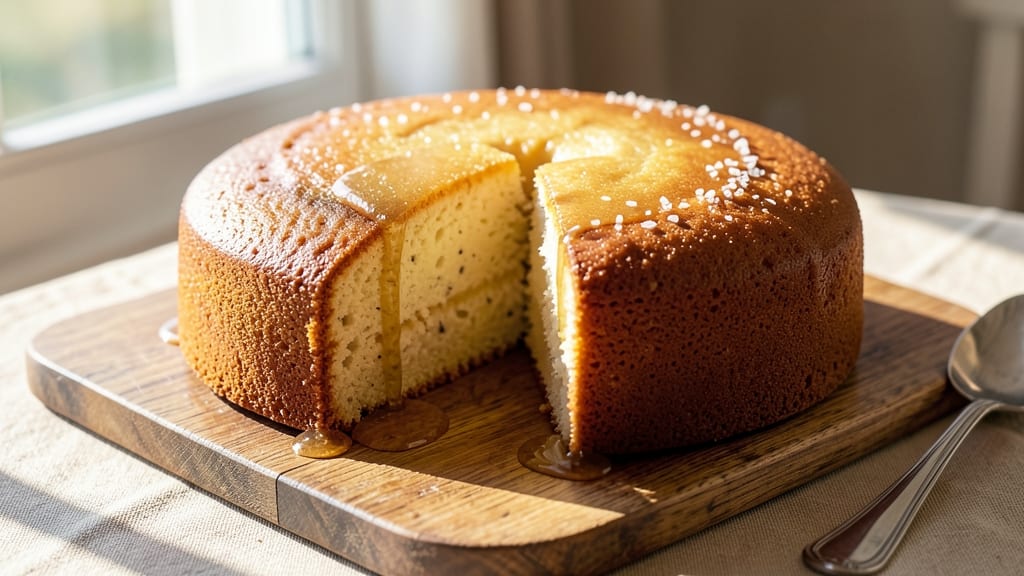
This 2-egg pound cake recipe delivers a tender, moist crumb with vanilla infusion that rivals bakery-quality desserts—without the fuss. The secret lies in proper creaming and a precise ratio of ingredients that creates a light, airy texture while keeping it rich and flavorful.
I developed this version after years of testing, ensuring it works perfectly even with limited eggs while maintaining that classic pound cake density.
What sets this recipe apart is the balance of butter and sugar, creamed to perfection before incorporating the eggs and dry ingredients. This method creates tiny air pockets that result in a cake with a fine crumb and even moisture throughout.
The vanilla extract infuses deeply, adding warmth without overpowering the buttery base. Baking at 350°F for 35-40 minutes ensures a golden top and perfectly set interior.
You'll end up with a cake that's ideal for slicing into thick layers for trifles or frosting for a classic pound cake presentation. The texture remains moist for days when stored properly, making it perfect for meal prep or special occasions.
Whether served with whipped cream, fresh berries, or a simple dusting of powdered sugar, this cake delivers restaurant-quality results at home.
For variations, try adding lemon zest or citrus extracts for a bright twist, or fold in chocolate chips for a decadent treat. The recipe scales easily for layer cakes or cupcakes, giving you flexibility for any occasion. Let's get baking!
Ingredients for 2 egg pound cake
Nine essential ingredients create a restaurant-quality pound cake with just two eggs.
| Ingredient | Amount | Notes |
|---|---|---|
| Unsalted Butter 🧈 | 1 cup | Softened to room temperature |
| Granulated Sugar 🍚 | 1 ½ cups | White or light brown preferred |
| Large Eggs 🥚 | 2 whole | Room temperature for best results |
| All-Purpose Flour 🌾 | 2 cups | Sifted for light texture |
| Pure Vanilla Extract 🌿 | 2 tsp | High-quality, not imitation |
| Baking Powder 🍞 | 1 ½ tsp | Aluminum-free preferred |
| Salt 🧂 | ½ tsp | Fine sea salt preferred |
| Whole Milk 🥛 | ½ cup | Room temperature |
| Lemon Zest 🍋 | 1 tbsp | Optional for citrus brightness |
The butter and sugar are the foundation—European-style butter like Plugrá or Land O'Lakes makes all the difference. Look for butter with at least 80% fat content for that signature richness. Sifting the flour removes lumps and ensures a light crumb. I always measure flour by scooping and leveling—never packing. The vanilla extract should be pure, not imitation—McCormick or Nielsen-Massey are solid choices. Room-temperature eggs and milk blend more smoothly, so take them out 30 minutes before baking.
No vanilla extract? Vanilla bean paste or scraped seeds work beautifully. Substitute milk with almond milk or evaporated milk if needed, though whole milk yields the best texture. For a citrus twist, add 1 tbsp lemon juice alongside the zest. If you're out of baking powder, baking soda plus 1/4 tsp cream of tartar works in a pinch. The lemon zest is optional but brightens the flavor—organic lemons from the grocery store work fine, just avoid the bitter white pith.
This cake keeps beautifully—3-4 days at room temperature wrapped in plastic, or 1 week refrigerated. For longer storage, slice and freeze portions for up to 3 months. I recommend wrapping the whole cake in foil before refrigerating to prevent drying. The texture actually improves after a day or two as the flavors meld. Perfect for meal prep—slice and serve with whipped cream or berries.
Why You'll Love This Recipe
- Two-Egg Wonder: I swear by this for lazy mornings—just cream butter and sugar, crack in eggs, fold in flour, and bake. No mixer, no fuss, no waiting for a dozen eggs to chill.
- Butter-Sugar Magic: That rich, golden crumb? Pure butter and sugar pay off big. The vanilla ties it all together with a whisper of warmth—like a hug in cake form.
- Slice It Any Way: Make it for breakfast, dessert, or even a picnic. It’s sturdy enough for layers but light enough to eat at room temperature. (Yes, even on a Tuesday night.)
- Budget-Friendly Luxury: Uses half the eggs of a classic pound cake but delivers the same decadence. Leftovers? They vanish faster than I can say "second cup of coffee."
Step-by-step instructions for 2-Egg pound cake
This classic recipe delivers a tender, moist crumb with perfect vanilla infusion every time.
Cream Butter and Sugar to Lighten the Mixture
In a stand mixer fitted with the paddle attachment, beat the 1 cup unsalted butter and 1.5 cups granulated sugar on medium speed for 3-4 minutes. You're aiming for a pale, fluffy texture that nearly doubles in volume—this incorporates air that creates that signature pound cake tenderness. Stop occasionally to scrape down the sides of the bowl to ensure even mixing.
I find it helpful to check the consistency by lifting the paddle—if the mixture holds a peak, it's ready. This step is critical for achieving that classic moist crumb. If your butter isn't quite room temperature, give it 5 more minutes to soften before proceeding.
Add Eggs and Vanilla for Rich Flavor
Add the 2 whole large eggs, one at a time, mixing on low speed after each addition until fully incorporated. Then stir in the 2 teaspoons pure vanilla extract and mix for another 10 seconds. The eggs should blend seamlessly into the mixture, creating a smooth batter that's slightly thicker than pancake batter.
Here's the thing—room temperature eggs are essential. If they're cold, they won't blend properly and can cause the cake to develop a dense texture. I always take my eggs out of the fridge about 15 minutes before starting this recipe. The vanilla extract should be high-quality; imitation won't provide that authentic vanilla flavor.
Alternate Dry and Wet Ingredients Gently
In a separate bowl, whisk together the 2 cups all-purpose flour, 1.5 teaspoons baking powder, 0.5 teaspoon salt, and the 1 tablespoon lemon zest. Sift the dry ingredients directly into the wet mixture, then alternate adding the 0.5 cup whole milk in 3 additions, beginning and ending with the flour mixture.
I use a spatula to gently fold each addition, mixing just until combined after each one. This alternating method prevents the batter from becoming too dense. The lemon zest adds a subtle citrus brightness that pairs beautifully with the vanilla. Don't overmix—you should still see small flour streaks in the batter when you're done.
Pour and Bake for Perfect Rise
Preheat your oven to 350°F and grease a 9-inch round cake pan or line it with parchment paper. Pour the batter into the prepared pan and smooth the top with a spatula. Bake for 50-55 minutes until a toothpick inserted in the center comes out clean and the top springs back when gently pressed.
The cake should have a golden-brown top with slightly domed sides. I always check for doneness at the 45-minute mark because ovens vary. If the top browns too quickly, tent the cake with foil to prevent overbrowning while allowing it to cook through. The internal temperature should reach 205-210°F for perfect moisture.
Cool and Serve for Maximum Moisture
Remove the cake from the oven and let it cool in the pan for 10 minutes, then transfer to a wire rack to cool completely. The cooling process is crucial—it allows the cake to set properly while maintaining that moist texture. I've found that serving slices at room temperature enhances the flavor and texture.
For the best results, store any leftovers wrapped tightly in plastic wrap at room temperature for up to 3 days or refrigerate for up to 5 days. If you prefer a slightly warmer cake, you can reheat individual slices in the microwave for 10-15 seconds to restore moisture. This cake is best enjoyed fresh, but it keeps well for several days without drying out.
Pro Tips For Making 2 Egg Pound Cake
- Weigh the Butter: I used to eyeball it, and the cake always turned out either greasy or dry. With just two eggs, the butter-to-flour ratio is tight—use a kitchen scale for ½ cup (113g) unsalted butter, softened but not melted. Room temperature matters: press it gently, and if it leaves a slight indent, you’re golden.
- Whisk Eggs Alone First: Skip mixing eggs with sugar right away. Whisk the eggs and vanilla separately until pale and slightly thickened—about 2 minutes. Then add the sugar gradually. This lightens the batter more than folding everything together at once, and with only two eggs, every bit of air counts.
- Check Doneness at 155°F: The cake’s internal temp should hit 155°F, not 160°F or higher. Overbaking dries out the crumb, especially with fewer eggs. If the top looks set but the center wobbles slightly, pull it out—it’ll firm up as it cools. (Yes, even if it feels underdone. Trust the thermometer.)
- Sift the Flour Twice: I learned this after a batch turned out dense—flour clumps sneak in when you’re distracted. Sift the flour directly into the bowl, then sift again after mixing with butter and sugar. This ensures no lumps, and the cake’s texture stays tender. (Pro move: Use a fine-mesh sieve, not a cheap one.)
Creative variations of these flavors
Citrus Twist Version
Brighten up your pound cake by adding 1 tbsp lemon juice and 1 tbsp orange zest to the batter. The acidity in the citrus cuts through the richness, creating a perfectly balanced flavor.
I love using organic lemons and oranges from the grocery store—just avoid the bitter white pith. This variation works especially well when served with a honey glaze or fresh berries. 🍋
Chocolate Chip Decadence
For a richer version, fold in ½ cup semi-sweet chocolate chips or chopped chocolate bars after mixing the dry ingredients. I prefer Ghirardelli or Enjoy Life chocolate for that melty, luxurious texture.
This twist turns your pound cake into a dessert that feels like a treat. Store any leftovers in an airtight container to keep the chocolate from getting stale.
Spiced Vanilla Bean
Infuse your cake with warmth by adding ½ tsp ground cinnamon and ¼ tsp ground nutmeg to the dry ingredients. For extra depth, scrape the seeds from 1 vanilla bean and add them directly to the batter along with the vanilla extract.
This spiced version pairs beautifully with whipped cream or caramel sauce. The spices add complexity without overpowering the vanilla flavor. 🌿
Coffee-Infused Moisture
Add 2 tbsp instant coffee granules dissolved in the milk for a subtle coffee note that enhances the cake’s moisture and pairs perfectly with vanilla ice cream. This variation is inspired by classic coffee cake flavors but keeps the delicate texture of pound cake.
Use high-quality instant coffee like Starbucks or Nescafé for the best results. Serve with a dollop of whipped cream for a cozy dessert.
Layer Cake Adaptation
Transform this recipe into a 3-layer cake by dividing the batter evenly among three 6-inch round pans. Bake each layer for 25-30 minutes at 350°F, then let them cool completely before assembling.
Fill with vanilla buttercream or lemon curd for a showstopping dessert. This version is perfect for celebrations—just be sure to level the layers with a serrated knife for even slices. 🎂
Gluten-Free Option
Replace the all-purpose flour with 2 cups gluten-free 1:1 baking flour (like Bob’s Red Mill) and add ½ tsp xanthan gum to the dry ingredients. This keeps the cake’s structure intact while making it safe for gluten-sensitive eaters.
The texture will be slightly denser but still moist and delicious. Pair it with gluten-free whipped cream for a fully inclusive treat. 💪
Nutrition facts
Frequently asked questions
Why does this recipe use only 2 eggs instead of 4?
This version maintains the classic pound cake texture while using fewer eggs for budget-friendly baking. The secret lies in proper creaming of butter and sugar, which incorporates air to compensate for the reduced egg volume. The result is still a tender, moist crumb that rivals traditional recipes with more eggs!
Can I substitute the milk with something else?
Yes! Whole milk provides the best texture, but you can substitute with almond milk, evaporated milk, or even Greek yogurt (thinned with water). For a richer flavor, use half-and-half. Just note that dairy alternatives may slightly alter the moisture level.
How do I know when the cake is fully baked?
Insert a toothpick into the center—it should come out clean with just a few moist crumbs. The top should spring back when gently pressed, and the internal temperature should reach 205-210°F. Check at 45 minutes since ovens vary. If browning too quickly, tent with foil to prevent overbaking.
Will this cake be too dense if I don't cream the butter and sugar well?
The creaming step is critical for creating air pockets that make pound cake light. Beat the butter and sugar until pale and fluffy (3-4 minutes). If your mixture doesn't hold a peak, your cake may turn out compact. For best results, use room-temperature butter and a stand mixer.
Can I make this cake in a different pan size?
For a 9-inch round pan, bake 50-55 minutes. For an 8-inch pan, reduce time to 40-45 minutes, and for a 10-inch pan, increase to 55-60 minutes. Always adjust for your oven's hot spots and check with a toothpick. The cake should pull away from the pan edges when done.