
Breakfast & Brunch
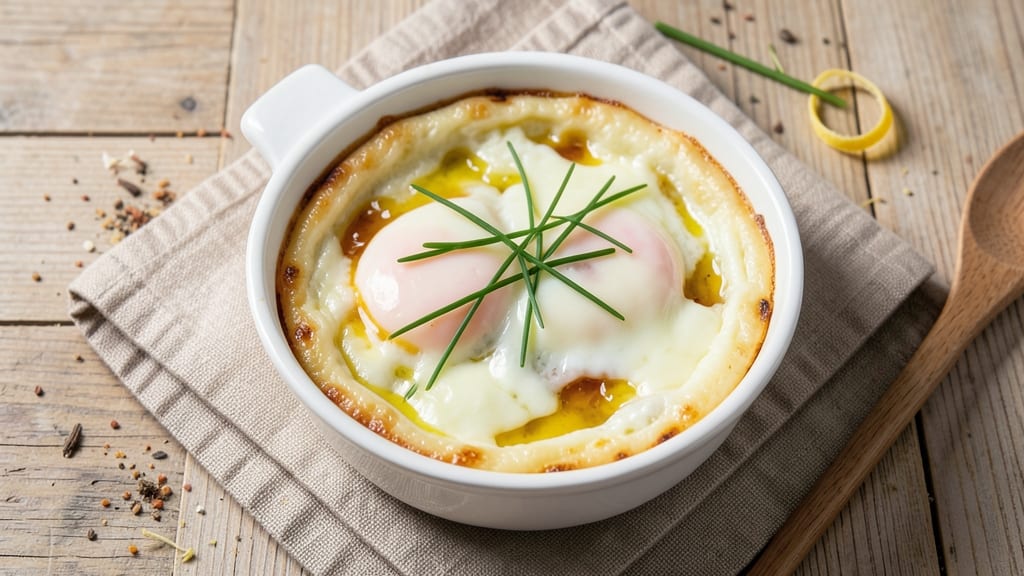
This 2-egg omelette recipe with cheese delivers restaurant-quality results with just five minutes of active work and perfect golden melt every time. The secret lies in precise heat control and a simple technique that transforms basic ingredients into a breakfast masterpiece with fluffy layers and rich, creamy cheese.
After years of testing, I've refined this method to eliminate common omelette mistakes—no more dry edges or rubbery centers.
What makes this recipe stand out is the balance between tender egg curds and perfectly melted cheese that creates those signature smooth, creamy folds. We'll use sharp cheddar for maximum flavor, but the technique works with any melting cheese you prefer.
The key is cooking the eggs at medium-low heat while continuously stirring to create tiny, even curds that stay moist and velvety throughout.
By the time you fold your omelette, you'll have achieved that professional-looking shape with layers of fluffy egg and golden melted cheese. The result is a breakfast dish that's elegant enough for brunch but simple enough for any morning.
This method ensures consistent results—no flipping stress or uneven cooking—so you can focus on enjoying your perfect omelette.
The beauty of this recipe is its versatility. Add fillings like fresh herbs, diced ham, or sautéed vegetables once the eggs are nearly set, then fold everything together for a complete meal.
The technique remains the same regardless of your fillings, making it adaptable to any breakfast preference. Let's get started with this foolproof method that transforms simple ingredients into something extraordinary.
Ingredients for 2 egg omelette recipe with cheese
Five ingredients create this luxurious 2-egg omelette with velvety texture and golden cheese melt every time.
| Ingredient | Amount | Notes |
|---|---|---|
| Large Eggs 🥚 | 2 whole | Freshly cracked, room temperature |
| Sharp White Cheddar Cheese 🧀 | ½ cup | Shredded, aged 6+ months |
| Unsalted Butter 🧈 | 1 tbsp | European-style preferred |
| Diamond Crystal Kosher Salt 🧂 | ¼ tsp | Fine grain for delicate seasoning |
| Fresh Chives 🌿 | 2 tbsp | Finely chopped, for garnish |
| Extra-Virgin Olive Oil 🫒 | ½ tsp | For non-stick finish |
| Heavy Whipping Cream 🥛 | 1 tbsp | Optional, for extra richness |
The eggs are non-negotiable—fresh, room-temperature eggs whip up fluffier and cook more evenly. Kirkland Signature or Vital Farms are my go-tos for consistent quality, but any high-quality eggs work. Cheese selection matters too: sharp white cheddar melts cleanly with minimal stringiness, but aged Gouda or Gruyère add depth. For the butter, European-style (like Plugrá) has higher fat content—ideal for creating that signature golden crust. If you're using a nonstick pan, you can reduce the butter to 0.5 tbsp, but I recommend a well-seasoned cast iron for maximum control.
No sharp cheddar? Pepper jack or fontina melt beautifully with slightly different flavors. Want to skip dairy entirely? Nutritional yeast (1 tbsp) adds a cheesy umami note when mixed with the eggs. The chives are optional but elevate presentation—substitute with fresh parsley if preferred. For extra richness, the cream can be swapped with whole milk (1 tbsp) without altering texture. And if you're concerned about dry edges, add 1 tsp water to the egg mixture for moisture. The key is maintaining medium-low heat throughout—too high and you'll get rubbery curds.
Store any leftover egg mixture in an airtight container for up to 2 days in the fridge, but I recommend making fresh for optimal texture. The shredded cheese keeps well for 2 weeks in the fridge, while butter should be used within 3 months of opening. For meal prep, cook the omelette fully, then reheat in a dry pan for 30 seconds to restore crispness. The chives should be added fresh at the end—no prepping ahead here. This recipe scales perfectly for 4 servings by doubling ingredients, but timing becomes critical with more eggs.
Why You'll Love This Recipe
- No-Fuss Breakfast: I swear by this for mornings when I’m running late—just crack two eggs, melt butter in a pan, and fold in the sharp cheddar. The chives add that bright pop without extra effort.
- Salty-Sweet Magic: That sharp white cheddar melts into a creamy, tangy blanket while the edges stay just crisp enough. Honestly, it’s the kind of flavor that makes you forget it’s just an omelette.
- Lunchbox Hero: Pack these for work or school—they reheat beautifully (or eat cold, no judgment). My kids actually finish their lunches when I include one of these, and I’ll take that win any day.
- Budget Win: Two eggs, a little cheese, and butter? This feeds two for under $2. Between us, it’s my go-to when I’m trying to stretch groceries without sacrificing taste.
Step-by-step instructions for perfectly fluffy omelettes with melted cheese
Master the art of light, airy omelettes with this precise technique for even cooking and velvety texture.
Whisk Eggs Until Silky and Fully Aerated
Crack the 2 whole Large Eggs into a medium bowl and add the 0.25 tsp Diamond Crystal Kosher Salt. Using a fork or whisk, beat vigorously for 30 seconds until the yolks and whites begin to combine. Gradually add the 1 tbsp Heavy Whipping Cream (if using) and continue whisking for another 1 minute until the mixture becomes noticeably thicker and pale in color.
This thorough whisking incorporates air into the eggs, which creates the signature fluffiness. You'll know you've achieved the right consistency when the mixture leaves a visible trail when you lift the whisk—it should hold its shape briefly before slowly dissolving. The eggs should also be completely homogeneous with no visible streaks of white or yolk.
Prepare the Pan for Perfect Browning
Place an 8-inch non-stick skillet over medium-low heat and allow it to warm for 1 minute. Add the 1 tbsp Unsalted Butter and swirl to coat the entire surface. Watch carefully as the butter melts and begins to foam—this should take about 30 seconds. Immediately add the 0.5 tsp Extra-Virgin Olive Oil and tilt the pan to distribute evenly.
The butter should create a thin, even layer that coats the pan completely without browning. This butter-oil combination prevents sticking while providing the rich flavor foundation. If you see the butter starting to brown before the eggs are ready, reduce the heat slightly to maintain medium-low temperature throughout cooking.
Cook the Omelette with Gentle Technique
Pour the egg mixture into the prepared skillet, tilting the pan to distribute evenly. Let the eggs sit undisturbed for 10 seconds until the edges begin to set but the center remains slightly runny. Using a spatula, gently push the cooked edges toward the center, tilting the pan slightly to allow the uncooked egg to flow to the edges.
Repeat this motion for 2-3 minutes total, maintaining constant motion to create an even, thin layer. The omelette should be about 75% cooked when you notice the top surface still appears slightly glossy and the edges lift cleanly from the pan. Sprinkle the 0.5 cup Sharp White Cheddar Cheese evenly over one half of the omelette, leaving a ½-inch border along the edges.
Fold and Finish with Precision
When the cheese begins to melt (about 30 seconds after adding), use the spatula to fold the empty half over the cheese-filled half. Press down gently for 5 seconds to ensure the cheese melts completely into the omelette. Cook for another 20-30 seconds until the bottom is golden brown and the cheese is fully melted.
Remove from heat and let rest for 10 seconds before sliding onto a warm plate. Immediately garnish with the 2 tbsp Fresh Chives, distributing them evenly over the top. The chives should be finely chopped to prevent them from overpowering the delicate cheese flavor. Serve immediately while the interior remains warm and creamy.
Pro Tips For Making 2 Egg Omelette Recipe With Cheese
- CRANK THE HEAT FIRST: Get that pan screaming hot before adding butter—no, seriously, it should shimmer like a disco ball. Cold butter means greasy eggs, and nobody wants a soggy omelette. I used to rush this and ended up with a sad, limp pile instead of a golden, crisp-edged masterpiece.
- GRATE THE CHEESE FINE: Skip the shredder and use a box grater—sharp white cheddar melts better when it’s tiny. Big chunks turn into rubbery lumps, and we’re aiming for that gooey, stretchy texture that makes the whole dish worth it. (Yes, even if it takes 30 seconds extra.)
- FOLD FAST, FOLD FIRM: As soon as the eggs set at the edges, give the pan a quick shake to loosen the bottom, then fold in thirds—no half-hearted attempts. A wobbly fold means a broken omelette, and we’re not starting over. Think of it like tucking in a toddler: decisive, not gentle.
- SALT THE EGGS BEFORE WHISKING: Toss in that kosher salt right when you crack the eggs—don’t wait until the pan. It dissolves better and seasons the whole thing evenly. I learned this the hard way after a batch tasted bland because the salt got lost in the scramble. (And no, a pinch later doesn’t cut it.)
Pro cooking tips for perfect results
Heat Control Secrets
Medium-low heat is your best friend—250-275°F on your stovetop—prevents rubbery eggs and ensures even cooking. I use a thermometer probe (like the Thermoworks Thermapen) to confirm pan temperature. If the butter browns too quickly, reduce heat immediately—this is your cue to slow down.
The pan should feel warm to the touch but not hot enough to burn your fingers after 10 seconds. 🌡️
Pro tip: Preheat your pan for exactly 1 minute before adding butter. This ensures even heat distribution from the start. If you're using a cast iron skillet, preheat it for 2 minutes to build up that perfect crust.
The goal is a gentle sizzle when the eggs hit the pan—not a loud, aggressive fry.
Cheese Melting Mastery
Timing cheese addition is everything—sprinkle it 30 seconds before folding when the eggs are 75% set. Sharp cheddar melts best at 170-180°F, so maintain that medium-low heat.
For extra gooey results, I sometimes add 1 tsp heavy cream to the cheese before sprinkling—this creates a silky sauce when melted. 🧀
Never skip the ½-inch cheese-free border—this prevents soggy edges when folding. If your cheese clumps, pulse it in a food processor for 5 seconds before adding. For a restaurant-style finish, fold the omelette over a hot spoon before transferring to your plate—this creates that signature dome shape.
Pan Prep Perfection
Butter + olive oil is the dynamic duo for nonstick release. The butter adds flavor while the oil prevents sticking. I melt the butter first, then add oil—this creates a two-layer barrier. For extra insurance, I lightly brush the pan with extra-virgin olive oil before adding butter.
If using a nonstick pan, reduce butter to ½ tbsp—these pans need less fat but still benefit from the flavor boost. 🧈
Season your pan after melting butter but before adding eggs. A quick swipe of the spatula across the pan's surface distributes the fat evenly. This step eliminates hot spots that cause uneven cooking.
For a crispier bottom, use a well-seasoned cast iron—it conducts heat more evenly than most nonstick pans.
Folding Like a Pro
The 5-second press after folding is what separates good omelettes from great ones. This ensures the cheese melts completely into the egg rather than staying in a clump. I use a flexible silicone spatula for this step—it's gentle on the eggs while providing enough leverage to fold neatly. 🍳
For a perfectly symmetrical fold, work quickly but deliberately. Start at one edge and fold in one smooth motion—don't press down too hard or you'll squeeze out the fluffiness.
If the omelette resists folding, it's not ready—wait another 10-15 seconds for better structure. The result should be a neat half-moon shape with no gaps showing.
Nutrition facts
Frequently asked questions
Can I use any type of cheese in this 2-egg omelette?
While sharp white cheddar works perfectly, you can substitute with other melting cheeses like Gruyère, fontina, or Pepper Jack. Avoid hard cheeses like Parmesan—they won't melt smoothly. For extra creaminess, mix 1 tbsp heavy cream with the shredded cheese before adding.
Why does my omelette turn out rubbery?
Rubbery texture usually means the heat was too high or you stirred too much. Keep the pan at medium-low heat (250-275°F) and stir only until the edges set. Let the eggs cook undisturbed for 10 seconds after pouring to form a thin layer first. Overcooking is the #1 cause—remove when the center is still slightly glossy.
How do I make this recipe with just 1 egg?
Reduce the cheese to ¼ cup and use a 6-inch pan instead of 8-inch. Whisk the single egg with 1 tsp cream and ⅛ tsp salt for the same fluffy texture. Cook time drops to 1-2 minutes total—fold when the cheese begins melting. Perfect for a quick single serving!
Can I add other fillings besides cheese?
Add fillings like diced ham, sautéed mushrooms, or spinach after the eggs are 75% set but before folding. For veggies, cook them first to remove moisture. Keep fillings to ¼ cup total to avoid making the omelette soggy. The folding technique remains the same!
What's the best pan for this recipe?
A well-seasoned cast iron skillet gives the best results for even heat distribution. If you don't have cast iron, use a high-quality nonstick pan with ½ tbsp butter instead of 1 tbsp. Avoid cheap nonstick pans—they can't maintain even heat. Always preheat your pan for 1-2 minutes before adding butter.