
Breakfast & Brunch
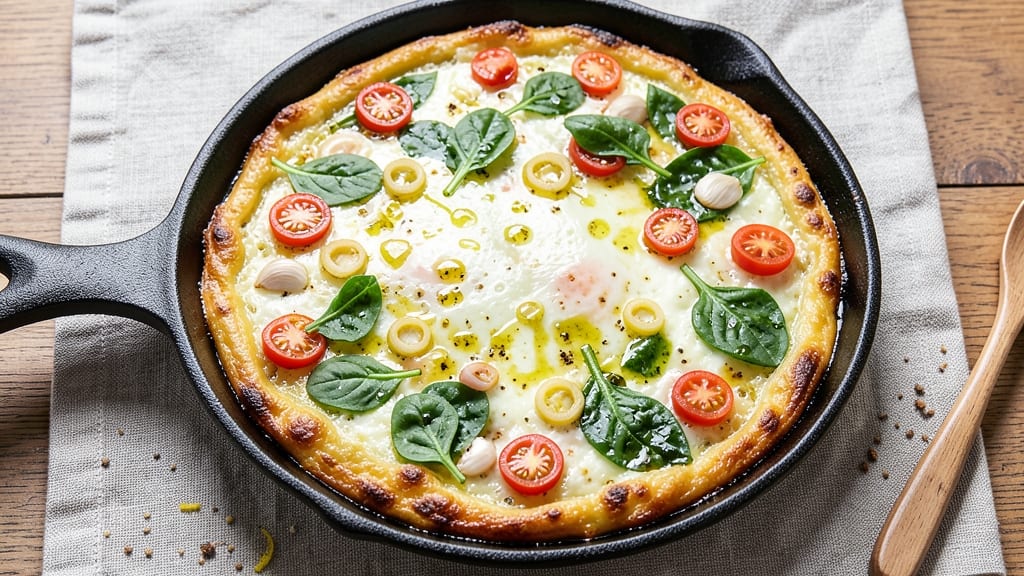
This 10-egg frittata recipe delivers a protein-packed, one-pan breakfast that’s ready in under 30 minutes—no flipping required. The secret lies in pre-cooking fillings and stirring eggs thoroughly for even cooking, ensuring a golden crust and creamy centers every time.
I developed this recipe after years of testing different techniques, and it never fails to impress. What makes this frittata special is its versatility—you can customize it with vegetables, cheese, or proteins like ham or sausage.
The eggs provide a sturdy structure that holds everything together while keeping the dish light and fluffy. Perfect for meal prep or a quick weeknight breakfast, this recipe is designed to be foolproof.
By the time it emerges from the oven, you’ll have a perfectly set frittata with a slightly crispy top and tender interior. The fillings are evenly distributed, and the eggs are fully cooked without being rubbery.
It’s the kind of breakfast that keeps you full for hours and tastes just as good cold as it does hot. Serve it with a side salad, toast, or fresh fruit for a balanced meal. Here’s how to make it!
Ingredients for 10 egg frittata
Ten eggs plus a handful of pantry staples—this frittata comes together faster than you can say breakfast.
| Ingredient | Amount | Notes |
|---|---|---|
| Large Eggs 🥚 | 10 whole | Room temperature preferred |
| Extra-Virgin Olive Oil 🫒 | ¼ cup | High quality, fruity |
| Shallots 🧅 | 2 whole | Minced, about 2 tbsp |
| Garlic Cloves 🧄 | 4 cloves | Minced, about 1 tbsp |
| Cherry Tomatoes 🍅 | 1 pint | Halved, seeds removed |
| Spinach 🌿 | 4 cups | Fresh, roughly chopped |
| Shredded Cheddar Cheese 🧀 | 1 ½ cups | Medium sharp, freshly grated |
| Salt 🧂 | 1 tsp | Kosher or sea salt |
| Ground Black Pepper 🌶️ | ½ tsp | Freshly ground preferred |
| Dried Oregano 🍃 | ¼ tsp | Italian blend preferred |
| Fresh Basil Leaves 🌿 | ¼ cup | Chopped, for garnish |
| Heavy Cream 🥛 | ¼ cup | Optional, for creamier texture |
The eggs are the star, so grab the freshest you can find—Trader Joe's or Costco always have good quality. Cheddar matters here: Kraft 2% or Cabot shreds nicely, but if you're feeling fancy, grab a wedge and grate it yourself. Cherry tomatoes? Heirloom mix from the farmers market adds color, but regular works fine. Spinach wilts fast, so chop it right before adding to the pan. I always double-check my eggs—room temp eggs blend smoother, and you don't want to see streaks in that golden crust.
No cherry tomatoes? Diced bell peppers or zucchini work great. Skip the spinach? Kale or arugula are good swaps, but chop them extra small so they cook through. Heavy cream optional but worth it if you're making this for a crowd—half-and-half works too. The oregano can be fresh, but dried is fine if that's what you've got. Just remember: dried is stronger, so start with half the amount. Pre-shredded cheese? Toss it—it's full of anti-caking agents that make the cheese slide instead of melt. Grate your own for that perfect texture.
This keeps beautifully for 4-5 days in the fridge, so make a big one for lunches. Reheats in 2-3 minutes in the microwave—just pop it in a bowl with a splash of water to keep it moist. Freezes for 3 months if you wrap it tightly in foil. I like to portion mine into 4 individual containers so I can grab one for breakfast or lunch without fuss. The basil? Tear it fresh over the top right before serving—nothing beats that bright pop of flavor.
Why You'll Love This Recipe
- One-Pan Miracle: I swear by this—no dirty dishes, no fuss. Sauté shallots and garlic in olive oil, toss in cherry tomatoes, crack in those eggs, and let the oven do the rest. Twenty minutes later, you’re done.
- Meal Prep MVP: Between us, this is my go-to for lunches. Slice it up, pack it in containers, and reheat portions all week—no soggy salads here. Honestly, I’ve made it for breakfast, lunch, and even a quick dinner when I’m wiped.
- Budget Breakfast: Ten eggs for one dish? That’s a steal. The olive oil and veggies stretch it further, and leftovers? They taste just as good cold the next day. My wallet and I both approve.
Step-by-step instructions for 10 egg frittata
Here's how to make a fluffy, flavorful frittata that's ready in under 30 minutes.
Sauté the Aromatics and Vegetables
Heat a 10-inch oven-safe skillet over medium heat and add the 0.25 cup extra-virgin olive oil. Once the oil shimmers, add the 2 minced shallots and 4 minced garlic cloves, cooking for 2-3 minutes until the shallots soften and the garlic becomes fragrant—don't let it brown.
Add the halved cherry tomatoes and 4 cups chopped spinach, stirring occasionally. Cook for 3-4 minutes until the spinach wilts completely and the tomatoes begin to soften. Real talk: if the spinach looks too wet, squeeze out excess moisture with a paper towel before adding. This keeps your frittata from getting soggy later.
Whisk the Egg Mixture
In a separate large bowl, crack all 10 large eggs and whisk vigorously until the yolks and whites are fully combined. Add the 1.5 cups shredded cheddar cheese, 0.25 tsp dried oregano, 1 tsp salt, 0.5 tsp ground black pepper, and the 0.25 cup heavy cream (if using). Whisk until everything is evenly distributed—no cheese clumps here.
I like to give the eggs a quick taste at this point to check seasoning. If it needs more salt or pepper, adjust now. This is the moment that matters: well-seasoned eggs mean a perfectly balanced frittata. Let the mixture sit for 1 minute while you prep the skillet.
Pour and Cook the Frittata
Pour the egg mixture evenly over the sautéed vegetables in the skillet. Use a spatula to gently spread the eggs to the edges of the pan, making sure they cover the bottom completely. Let it cook undisturbed for 5-6 minutes until the edges start to set and the bottom looks slightly golden.
Here's where it gets fun—reduce the heat to low and let the frittata cook for another 8-10 minutes. You'll see the top start to puff slightly and the center remain just slightly runny. This is perfect—it'll finish cooking under the broiler. If you notice the edges browning too quickly, move the pan to a cooler spot on the burner.
Broil for a Golden Finish
Transfer the skillet to the preheated broiler and broil for 3-5 minutes until the top is golden brown and the center is set but still slightly custardy. Watch it closely—broilers can vary wildly in heat. You want the top to be firm enough to hold its shape but still moist inside.
Remove from the broiler and let it rest for 2-3 minutes before slicing. This resting period allows the frittata to set properly and makes it much easier to serve. The cheese should be melted throughout, the spinach vibrant, and the tomatoes slightly caramelized from the residual heat.
Garnish and Serve
Sprinkle the 0.25 cup chopped fresh basil leaves evenly over the top and let it sit for 1 minute so the aroma infuses. Slide the frittata onto a cutting board and let it cool for 3-4 minutes before slicing into 4 equal wedges—this makes serving easy and ensures clean cuts.
Serve immediately while still warm. The frittata should have a tender, custardy texture with a slightly crisp top. Each bite delivers a perfect balance of creamy eggs, melty cheese, and fresh vegetables. Pair it with a simple green salad or crusty bread for a complete meal that's ready in under 30 minutes.
Pro Tips For Making 10 Egg Frittata
- Preheat Pan Properly: Your stove’s highest heat setting isn’t always "high enough"—especially for a 10-egg frittata. Get that pan screaming hot for 3-4 minutes first (yes, even if it’s nonstick). I learned this the hard way when my first batch stuck like glue because I rushed the preheat. A well-seared crust means easier flipping and a better texture.
- Chop Tomatoes Like You Mean It: Halve those cherry tomatoes just before adding them to the pan—don’t prep them early or they’ll turn to mush. If you’re in a hurry, leave the stems on; they’ll protect the flesh longer. My grandmother swore by this, and she was right: soggy tomatoes ruin a frittata faster than undercooked eggs.
- Salt the Eggs, Not Just the Pan: Toss the beaten eggs with a pinch of salt before pouring them in—this guarantees even seasoning. Skimping here means your center stays bland while the edges get over-salted from the pan. Trust me, the extra 10 seconds of mixing makes a real difference.
- Finish Under Foil (Even If You’re Skeptical): Sounds weird, but it works: once the top is set but still slightly jiggly, tent the frittata with foil for 3-4 minutes. This locks in moisture without turning the outside rubbery—critical for a 10-egg batch where the center can dry out. I was skeptical until I tried it, and now I never skip it.
Dietary considerations for this 10 egg frittata
Gluten-Free Adaptation
This frittata is naturally gluten-free since it relies on eggs, cheese, and vegetables—but always double-check your cheese labels. Some pre-shredded cheeses contain anti-caking agents with gluten. I recommend Kraft 2% shredded cheddar or Cabot, which are certified gluten-free.
The only potential risk comes from store-bought spices, so opt for Penzeys brand oregano if you're avoiding cross-contamination. 🌱
Dairy-Free Options
For a dairy-free version, swap the cheddar for nutritional yeast (¼ cup) or dairy-free cheese shreds like Violife or Miyoko’s. Use unsweetened almond milk instead of heavy cream (¼ cup) to keep the texture rich.
The flavor won’t be identical, but it’s a great alternative for those avoiding dairy. Taste as you go—you may need extra salt to balance the cheese substitute.
Low-Carb Modifications
To make this keto-friendly, skip the spinach and cherry tomatoes (they add carbs) and use sautéed mushrooms (2 cups) or zucchini (1 cup, grated and drained). Replace the cheddar with Parmesan cheese (1 cup, freshly grated) for a lower-carb option.
The heavy cream adds richness without carbs, so keep it in—just reduce to 2 tablespoons if you’re strict on macros. 🥑
Vegetarian Protein Boost
Add ½ cup crumbled tempeh or ½ cup cooked lentils for extra plant-based protein. Pre-cook the tempeh in the skillet with the shallots and garlic for 3-4 minutes until lightly crispy.
Lentils work best if you use the canned variety (drained and rinsed) and warm them through with the spinach. Both add heartiness without overpowering the egg base.
Nut-Free Allergy Safety
If nut allergies are a concern, avoid any cross-contamination risks by using a dedicated pan and utensils. The original recipe is nut-free, but always verify labels on cheese and spices.
For extra safety, serve with seed-based toppings like sunflower seeds or pumpkin seeds instead of nuts. These add crunch without the allergy risk. 💡
Egg Substitutes
For a lower-cholesterol version, replace 2 eggs with ¼ cup liquid egg whites (about 2 large egg whites). The texture will be slightly lighter, but the frittata will still hold together.
If you’re avoiding eggs entirely, use ½ cup chickpea flour mixed with ½ cup water as a binder—whisk it into the egg mixture for a gluten-free alternative. The flavor won’t be identical, but it’s a workable substitute for egg allergies. 🥚
Nutrition facts
Frequently asked questions
Can I make this frittata in a non-stick skillet?
A 10-inch non-stick skillet works perfectly—just reduce the olive oil to 2 tablespoons instead of 0.25 cup since non-stick pans need less fat. The key is still preheating the pan thoroughly to avoid sticking. For extra insurance, add a light coating of oil after the sautéed veggies cool slightly.
How do I prevent a soggy frittata?
Soggy frittatas happen when fillings release too much moisture. Always squeeze excess water from spinach and avoid overcrowding the pan. Cook the veggies until they're just tender, not mushy. For extra insurance, let the frittata rest 2-3 minutes after broiling before slicing—this helps the structure firm up.
Can I add cooked meat like bacon or sausage?
Yes! Cook your meat separately and drain excess grease before adding it to the sautéed veggies. Use ½ cup crumbled bacon or ½ cup cooked sausage (like Italian or chorizo). For best results, add it after the shallots and garlic but before the spinach—this prevents the meat from drying out while the frittata cooks.
Why did my frittata come out rubbery?
Rubbery texture usually means the eggs were overcooked. The center should be just set but slightly custardy when you remove it from the broiler. If yours was fully firm, it likely sat too long under the broiler. For next time, check at 3 minutes and remove when the top is golden but still slightly soft.
How can I reheat leftovers without drying them out?
Microwave reheating works best! Cut a wedge and place it on a microwave-safe plate with 1 teaspoon water in the center. Cover with a damp paper towel and heat for 30-45 seconds at 50% power. For oven reheating, cover with foil and bake at 300°F for 10-12 minutes until warmed through.